Every year, a fresh batch of 12th-pass students walks into fashion design counselling sessions with the same confused question: do I really need a degree, or will a short diploma get me into the industry just as fast? It’s a reasonable thing to wonder. Fashion is one of those fields where portfolios often speak louder than paperwork, and plenty of successful designers will tell you their certificate mattered less than their first internship. But that doesn’t mean the degree question is irrelevant — it just means most people are asking it the wrong way.
The real question isn’t whether a degree beats a diploma in some abstract sense. It’s what a proper degree in fashion design actually adds, especially for students building a career in a market like Odisha’s, where the industry is growing but still establishing its own identity.
Diploma, Certification, and Degree Aren’t the Same Thing
It’s worth clearing up the confusion first, because these three terms get used loosely and that causes real problems for students later.
A certification course is usually short — a few months to a year — and focuses on a narrow set of practical skills. A diploma runs longer, typically one to two years, and covers the fundamentals in more depth, but often without the broader academic structure that a degree carries. A degree program, like a Bachelor of Design (B.Des) or Bachelor of Vocation (BVoc) in fashion design, usually spans three to four years and combines design training with subjects like textile science, fashion business, marketing, and sometimes a research or thesis component in the final year.
None of these is automatically “better.” What matters is what you’re trying to build. A certification might suit someone looking to pick up a specific skill fast. A degree suits someone building a long-term career that might eventually need formal academic standing — for further studies abroad, government design roles, or teaching positions down the line.
Why the Degree Still Matters in a Competitive Job Market
Here’s where a lot of students get surprised. Even in a creative field, a growing number of employers — particularly larger fashion houses, export companies, and retail brands — use a degree as a basic filter before they even look at a portfolio. It’s not that they value the certificate over the creativity; it’s that a degree usually signals a certain depth of training in areas a diploma course simply doesn’t have time to cover, like garment costing, production planning, and merchandising.
This matters even more if a student’s career plans go beyond design execution. Roles in fashion merchandising, buying, brand management, or export houses tend to expect degree-level qualifications, since these positions blend creative judgment with business decision-making. A three-year diploma can get a talented student into a design studio. A degree tends to open doors into the business side of the industry as well.
What a Fashion Design Degree Actually Covers, Year by Year
Unlike a diploma, which often front-loads technical skills in the first few months, a degree program is usually structured to build gradually.
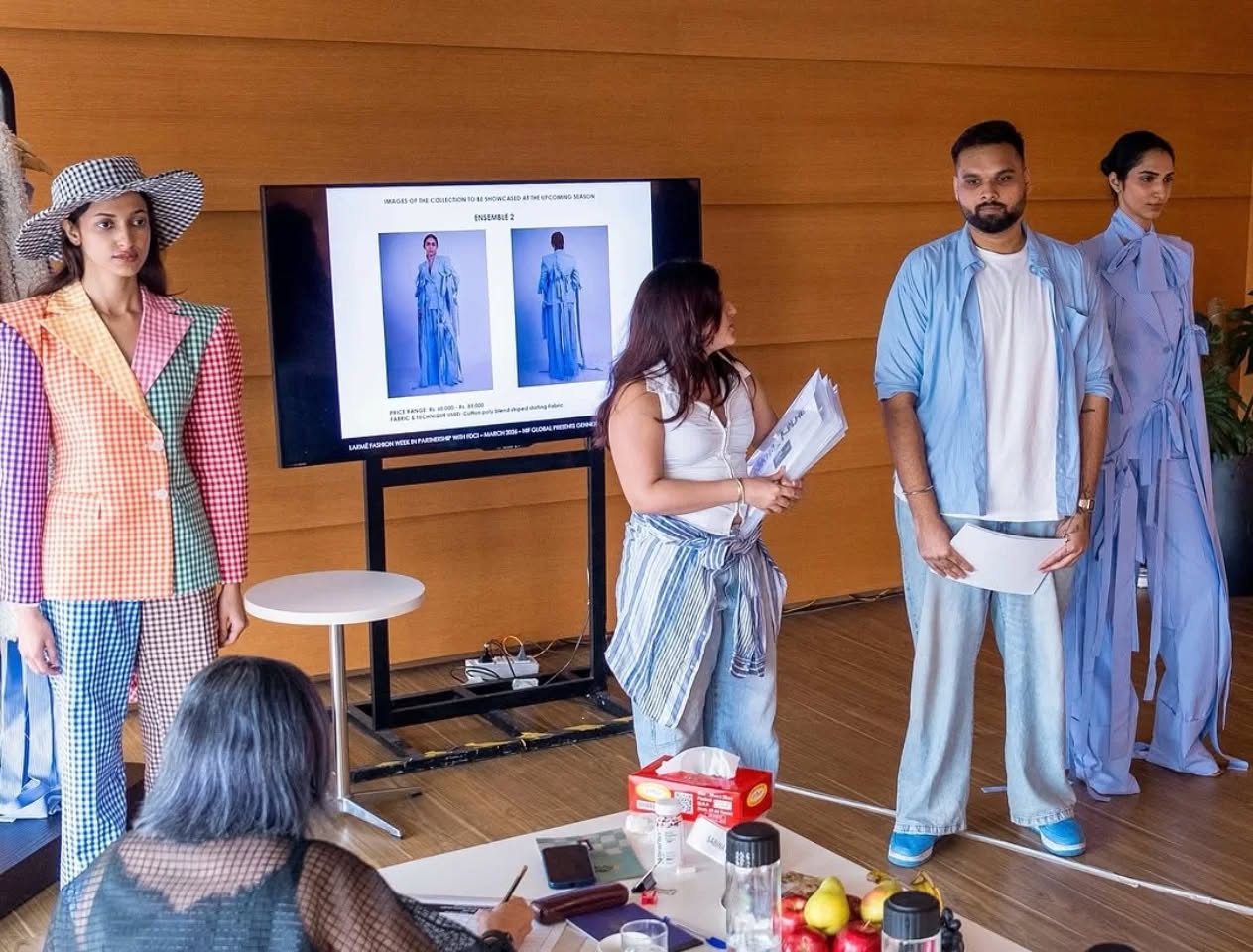
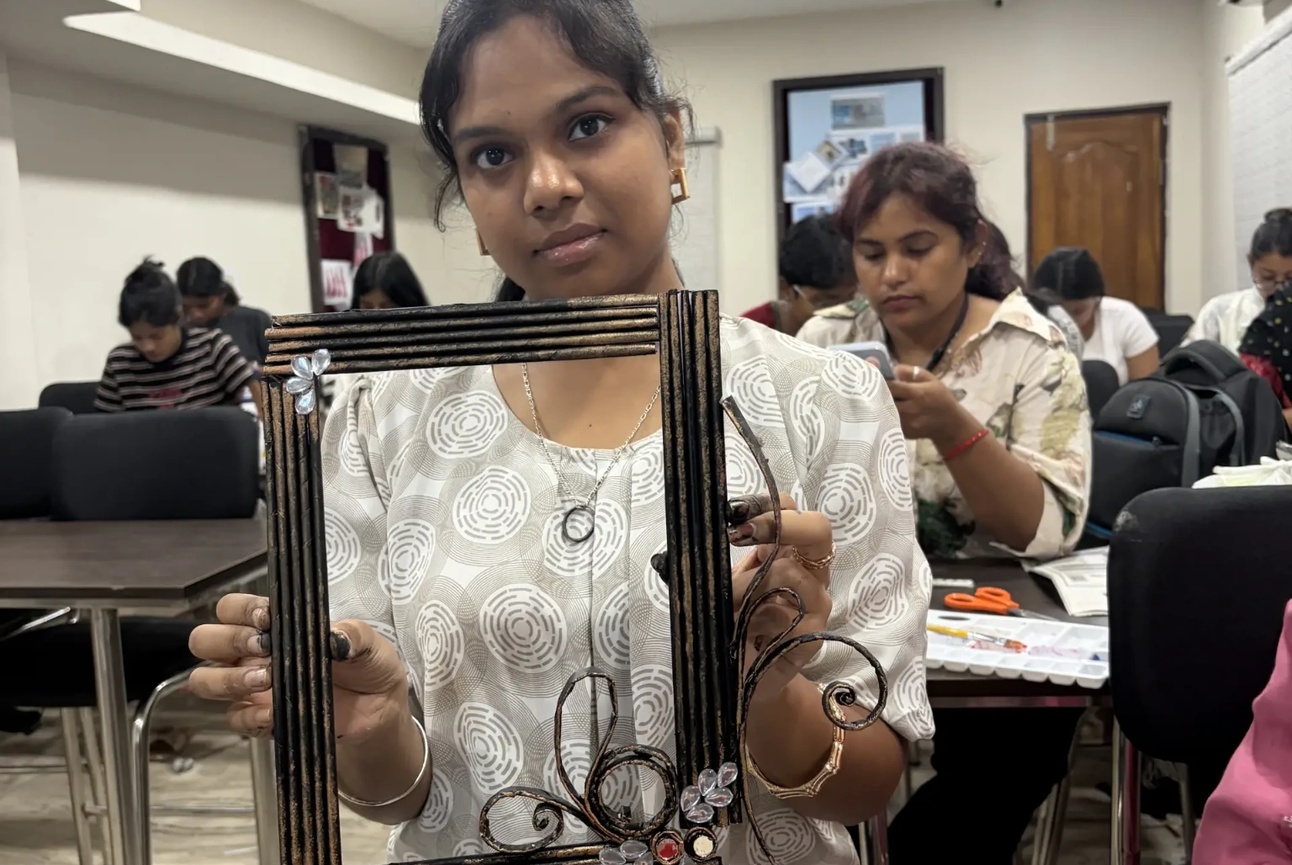
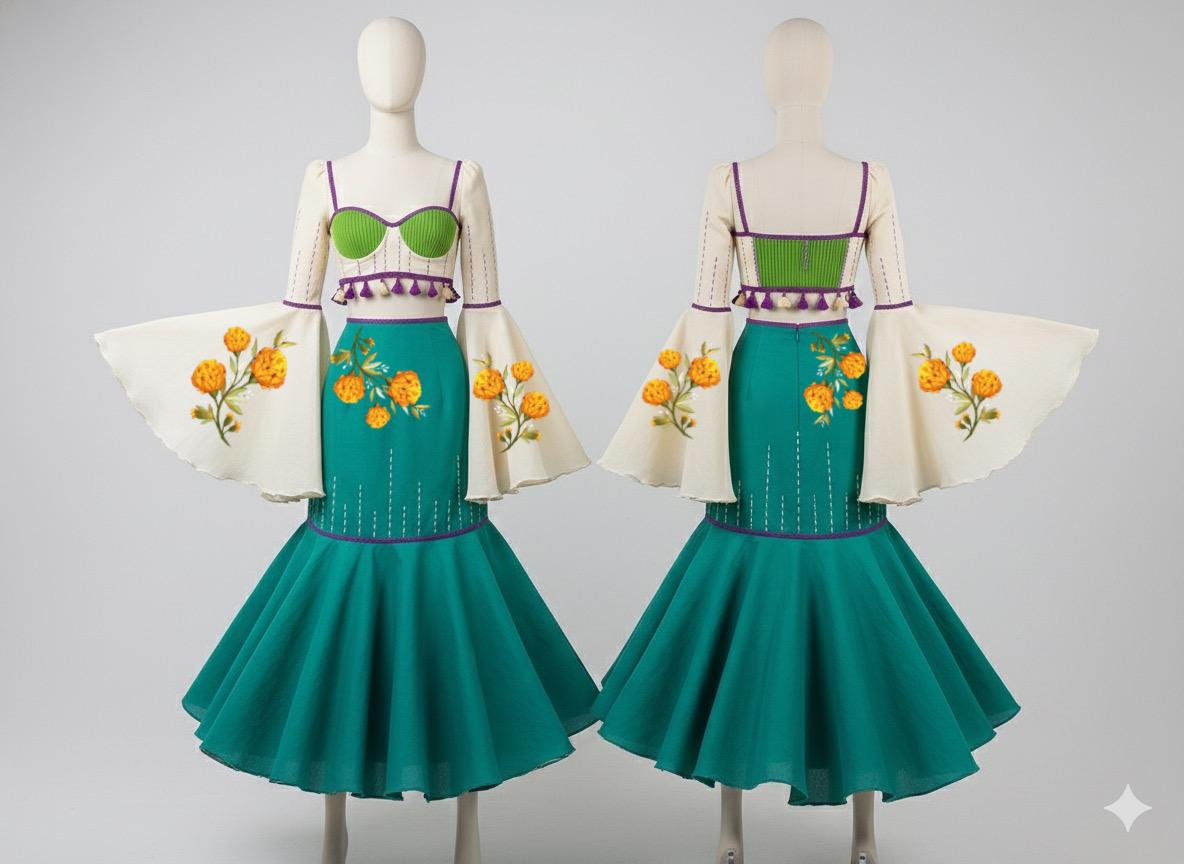
The early years typically focus on design fundamentals — sketching, textile knowledge, pattern-making, and garment construction — alongside foundational subjects like design history and colour theory. The middle years introduce specialisation, where students start focusing on categories like womenswear, menswear, or accessory design, along with exposure to CAD tools and digital pattern software. The final year usually shifts toward a portfolio-driven collection, often paired with an internship or industry project, along with subjects like fashion business, retail, and sustainability practices that a shorter course rarely has room for.
That extra time isn’t padding. It’s what allows a degree program to produce graduates who understand both the creative and commercial sides of the industry, rather than just the design process in isolation.
The Odisha Angle: Local Recognition, Local Opportunity
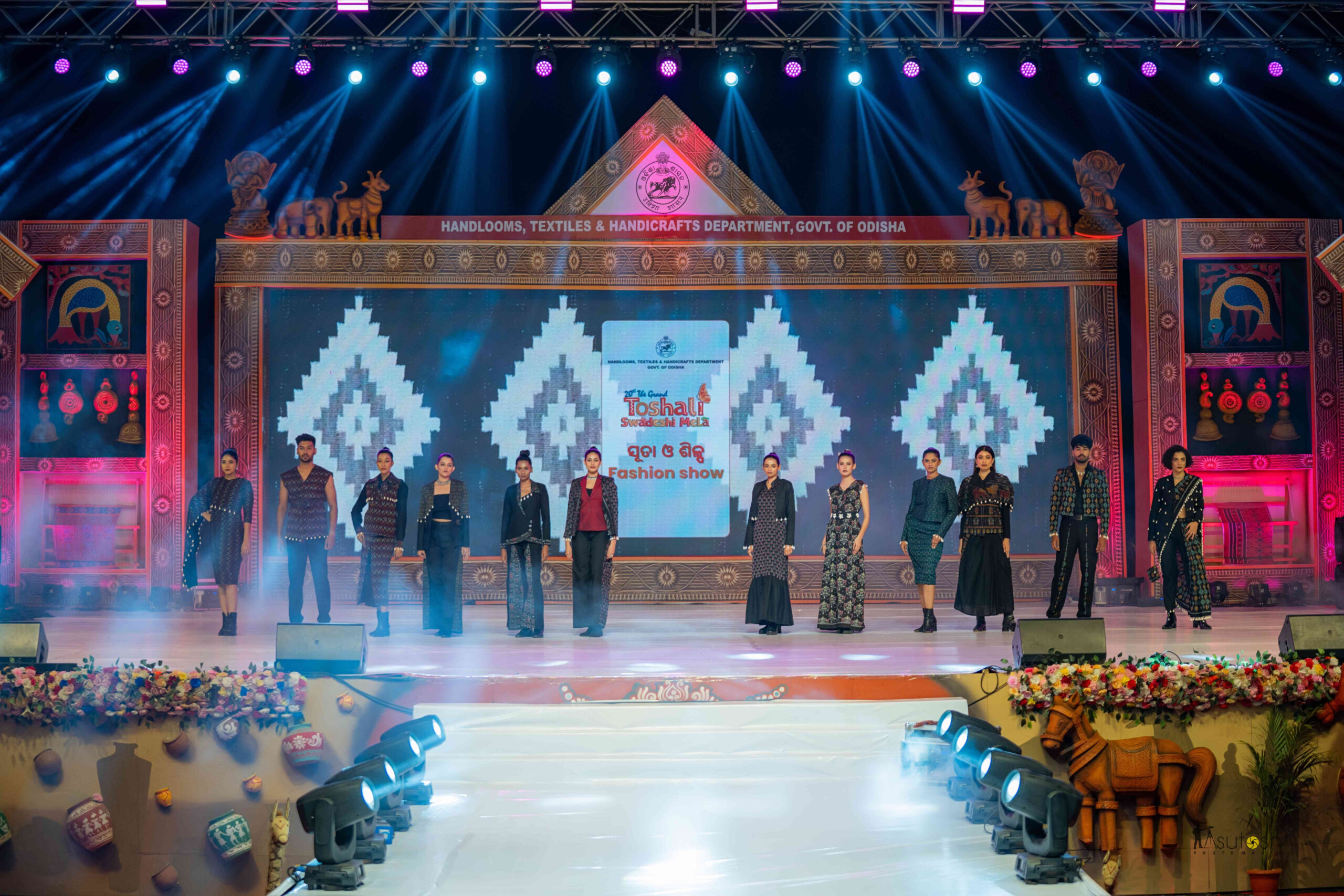
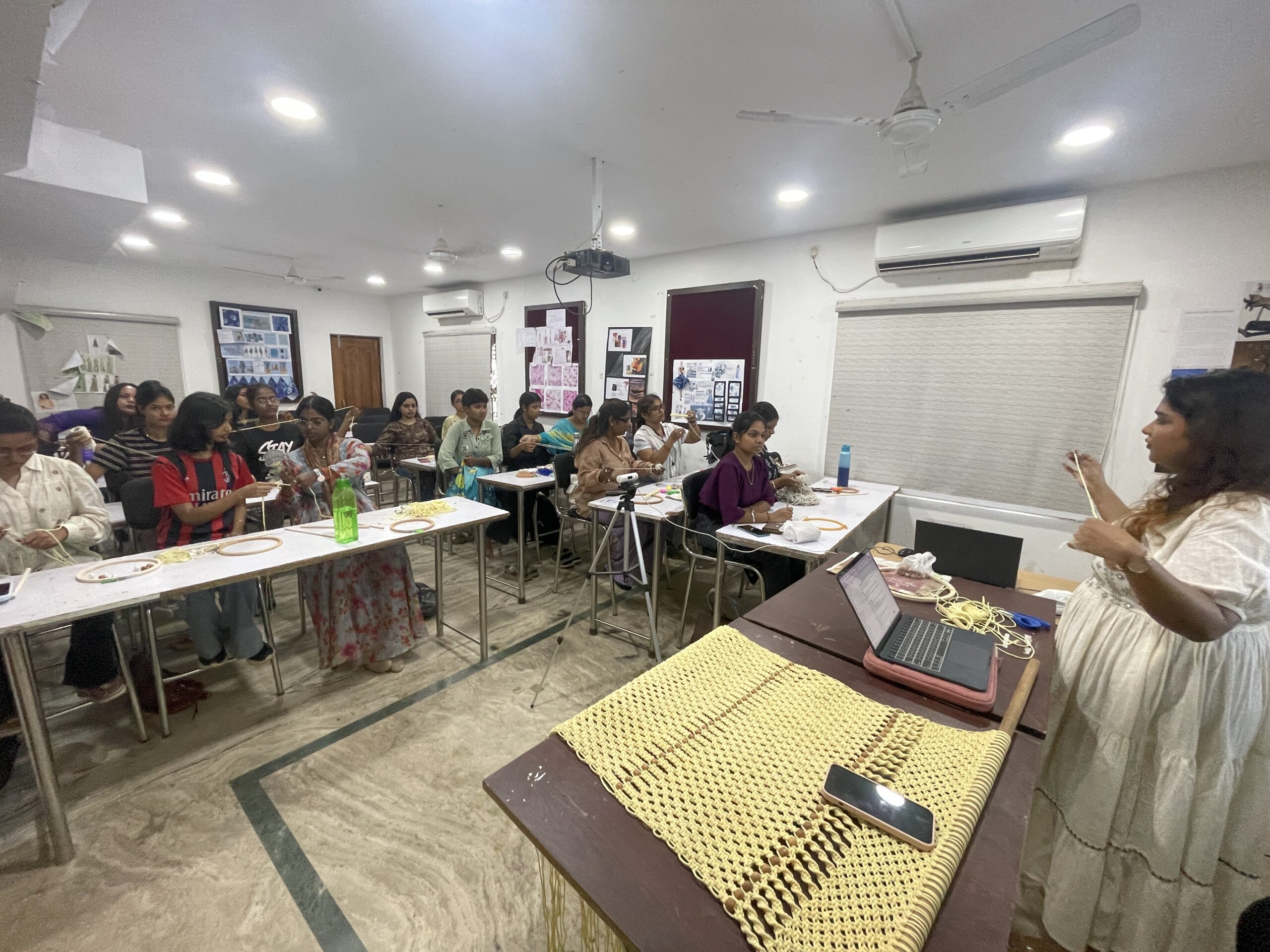
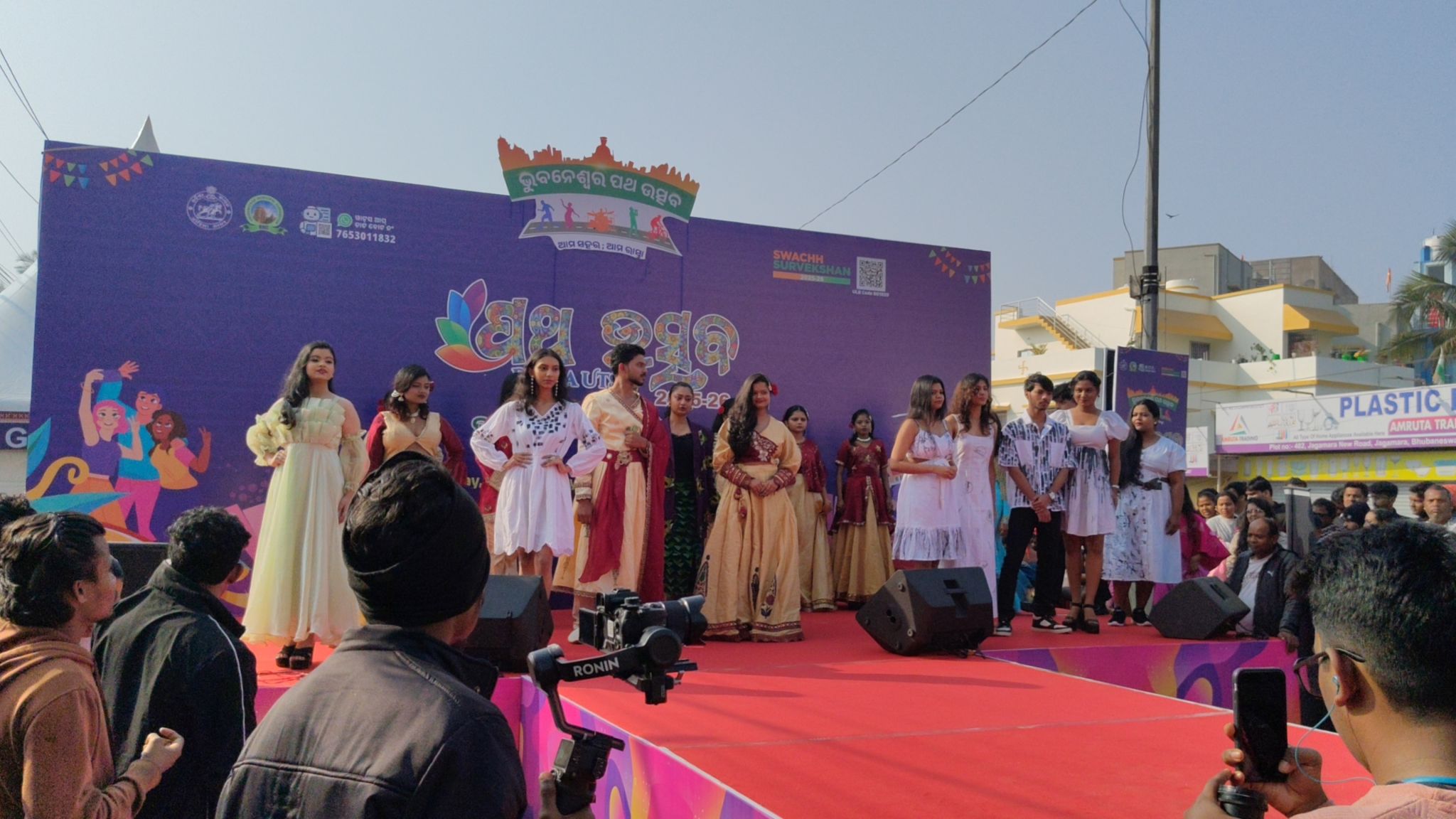
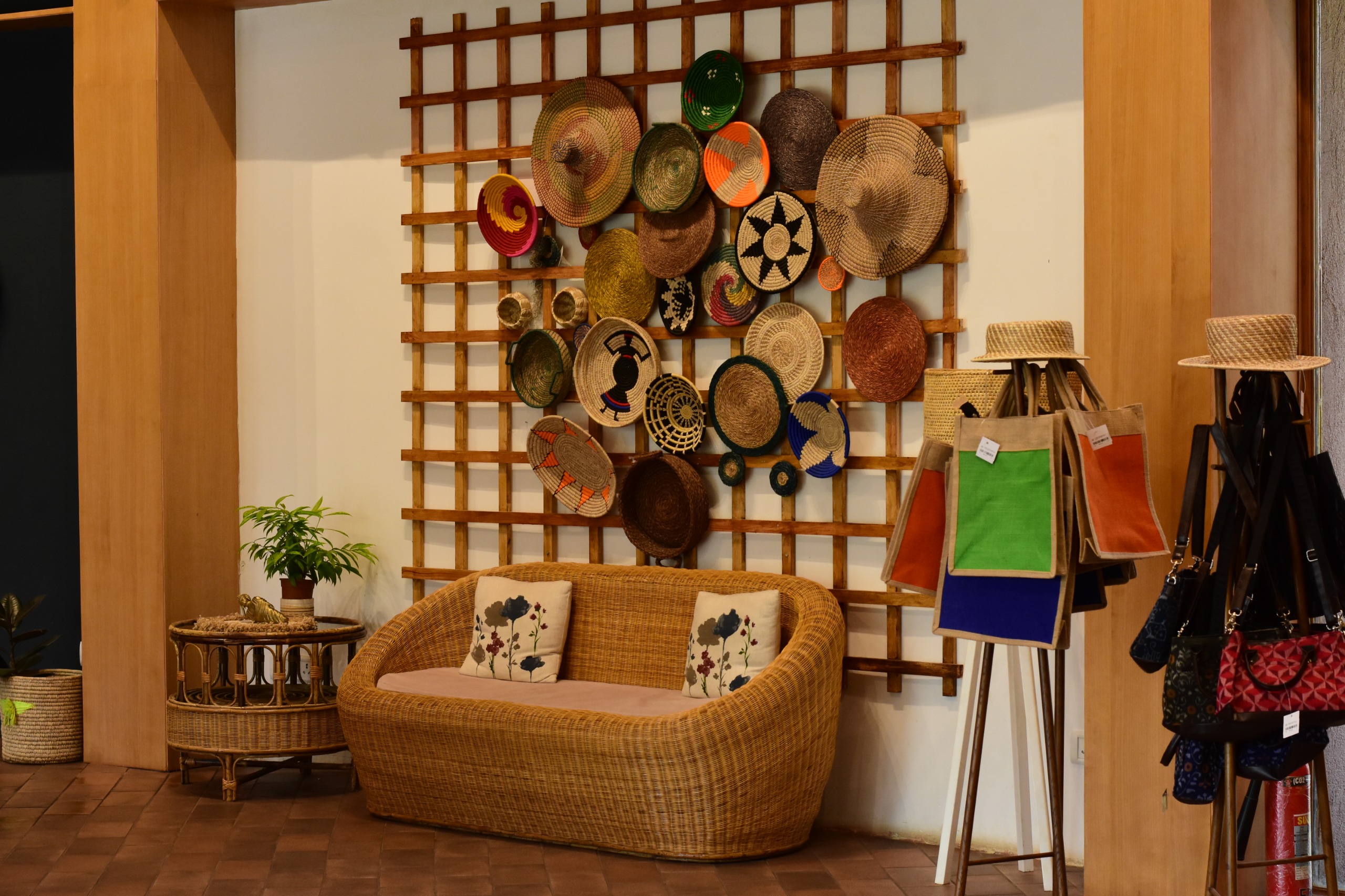
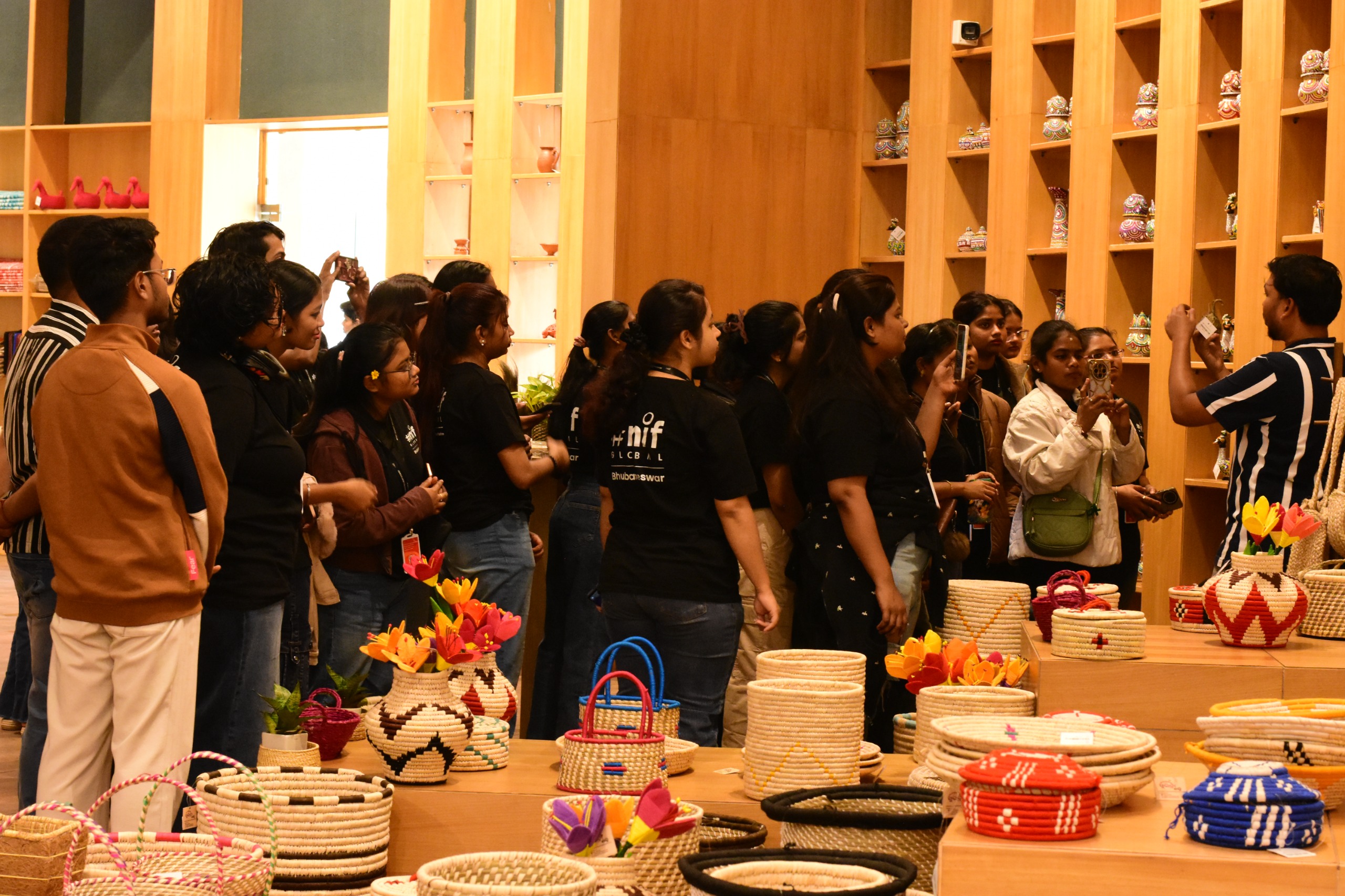
Odisha’s fashion industry has grown quickly over the last few years, with more design studios, boutique labels, and handloom-focused ventures opening up across Bhubaneswar and beyond. For students planning to build a career within the state, a degree program based locally has a practical advantage: it combines formal training with direct exposure to Odisha’s textile heritage, including Sambalpuri weaves, ikat work, and other regional crafts that are increasingly finding their way into contemporary fashion.
A degree structured around this local context tends to produce designers who aren’t just technically capable but who understand the materials and craft traditions that make Odisha’s fashion scene distinct. That’s a genuine advantage for students who want to eventually work with regional labels, government craft initiatives, or export businesses built around Odisha’s handloom sector.
Is a Degree Always the Right Call?
Not necessarily. A degree takes longer and typically costs more than a diploma, and for students who already have a strong portfolio and a clear specialisation in mind — say, bridal wear or costume design — a shorter, sharply focused course might get them into the workforce faster. The decision really comes down to how far a student wants to go and how much of the business side of fashion they eventually want to be involved in.
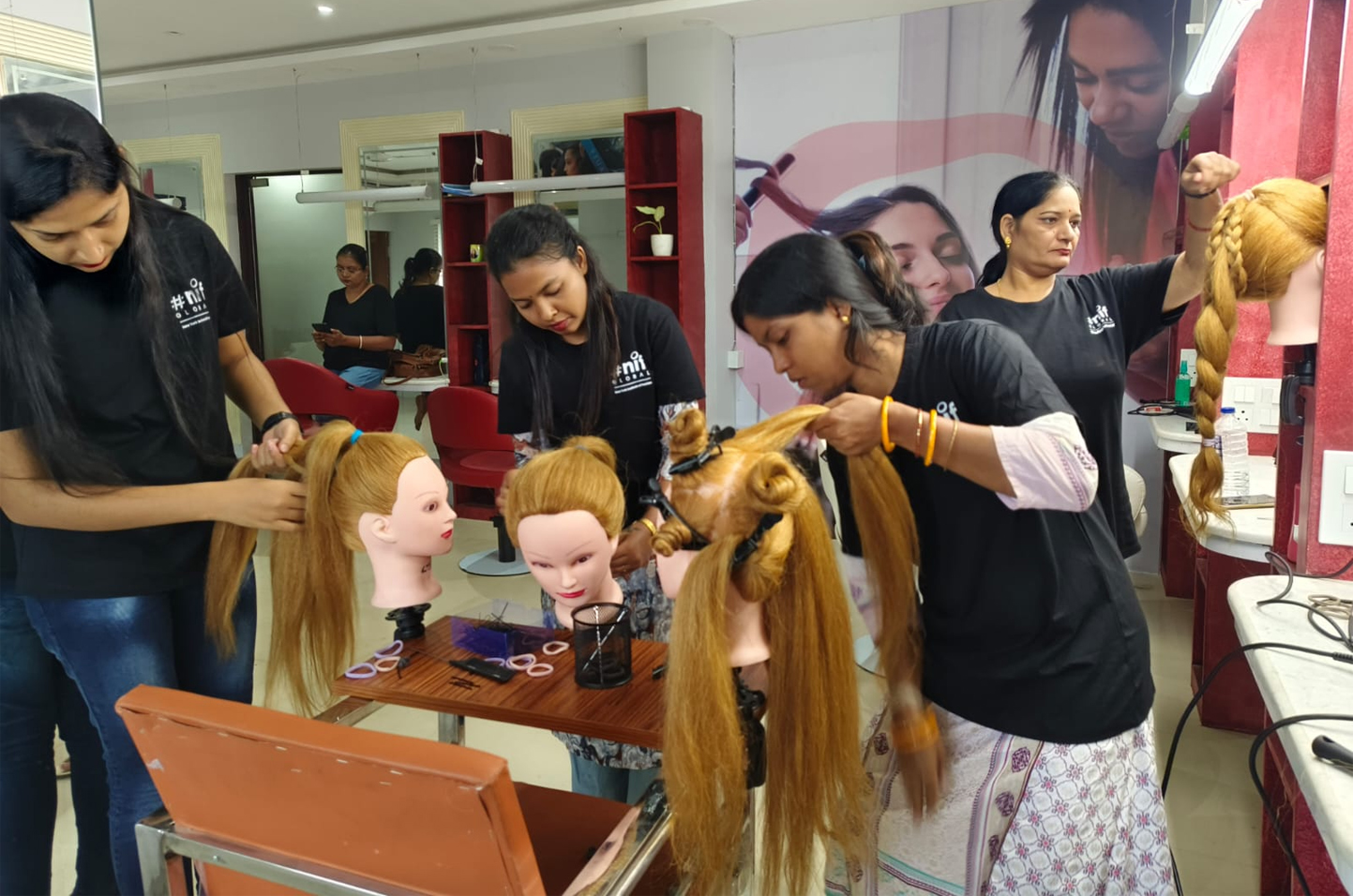
What matters most is picking a program, degree or otherwise, that treats practical training as seriously as the paperwork. A degree with no live projects, no industry mentorship, and no portfolio component isn’t worth much more than a certificate with a longer name attached to it.
What to Check Before Enrolling in a Degree Program
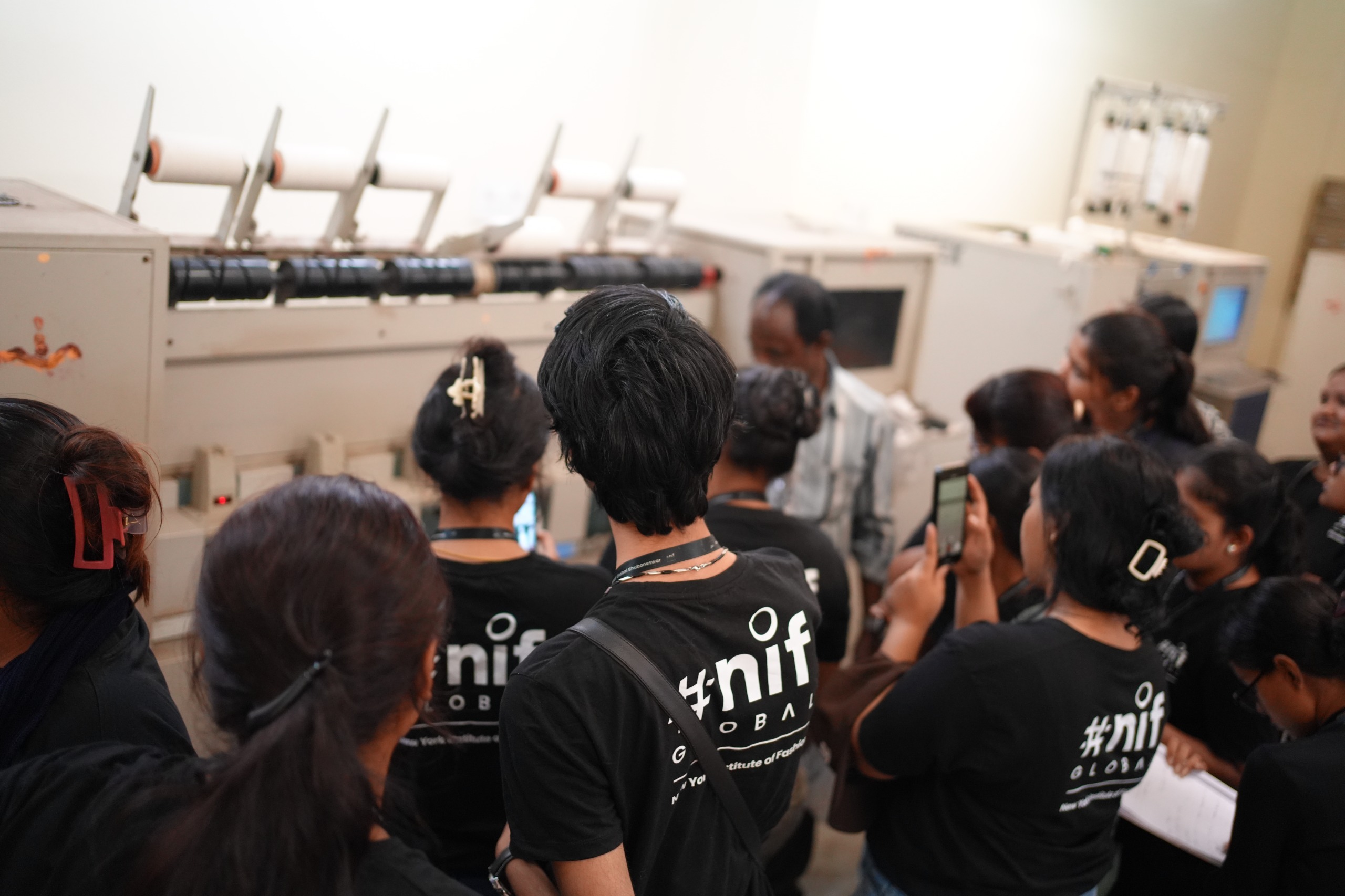
Before committing three or four years to any program, it’s worth confirming a few basics: whether the degree is recognised for further studies, whether the curriculum includes hands-on studio work rather than pure lecture-based teaching, whether faculty have real industry experience, and whether the program builds in internships or live projects rather than leaving that entirely to the student.
A degree in fashion design is a meaningful investment of time. Choosing one that’s actually built around practical, industry-relevant training — rather than one riding purely on the word “degree” — makes the difference between a certificate on the wall and a career that actually starts moving the day you graduate.
Frequently Asked Questions
1. What’s the difference between a diploma and a degree in fashion design?
A diploma is typically shorter and focused on core design skills, while a degree, such as a B.Des or BVoc, spans three to four years and adds business, textile science, and research components alongside design training.
2. Is a degree in fashion design necessary to become a designer?
Not strictly. Many successful designers started with diplomas or certifications. But a degree tends to matter more for roles in merchandising, buying, brand management, or export houses, where business knowledge is expected alongside creative skill.
3. What subjects does a fashion design degree typically cover?
Beyond sketching, pattern-making, and garment construction, degree programs usually include textile science, fashion business, digital design tools, and a final-year portfolio or collection project.
4. Does studying a fashion design degree in Odisha offer any specific advantage?
Yes. Programs based in Odisha often integrate the state’s textile heritage, including Sambalpuri weaves and ikat work, giving students exposure to regional craft traditions that are increasingly relevant in contemporary fashion.
5. How long does a fashion design degree usually take?
Most degree programs, such as a B.Des or BVoc in fashion design, run for three to four years, compared to one to two years for a typical diploma.
6. What should I check before enrolling in a fashion design degree program?
Look for recognised affiliation, hands-on studio work rather than purely theoretical teaching, faculty with real industry experience, and built-in internships or live projects.
7. Where can I learn more about fashion design degree programs at NIF Global Bhubaneswar?
You can visit the NIF Global Bhubaneswar website or call +91 9090638545 to learn more about available fashion design programs and admission details.