Most students believe that completing a diploma in fashion design is the key to a successful career in fashion. While a diploma is valuable for gaining knowledge and technical skills, it’s your portfolio that impresses clients, employers and fashion brands.
In such a competitive industry, recruiters need to see what you can produce, rather than what you have learned. Your portfolio provides a visual representation of your creativity, technical ability, design thinking and professional capability. This is why students on the Diploma in Fashion Design course should focus on developing their portfolios as well as their studies.
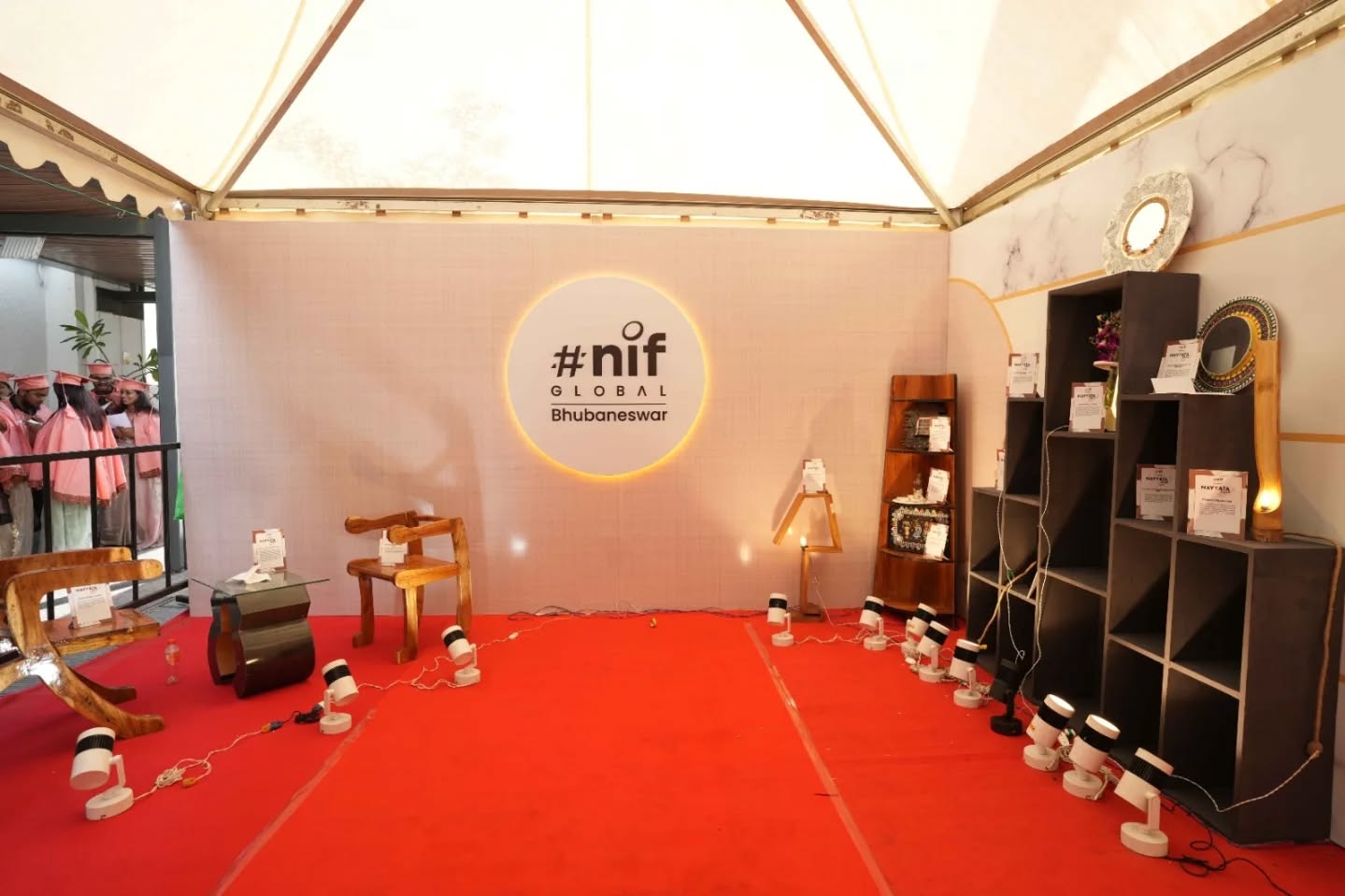
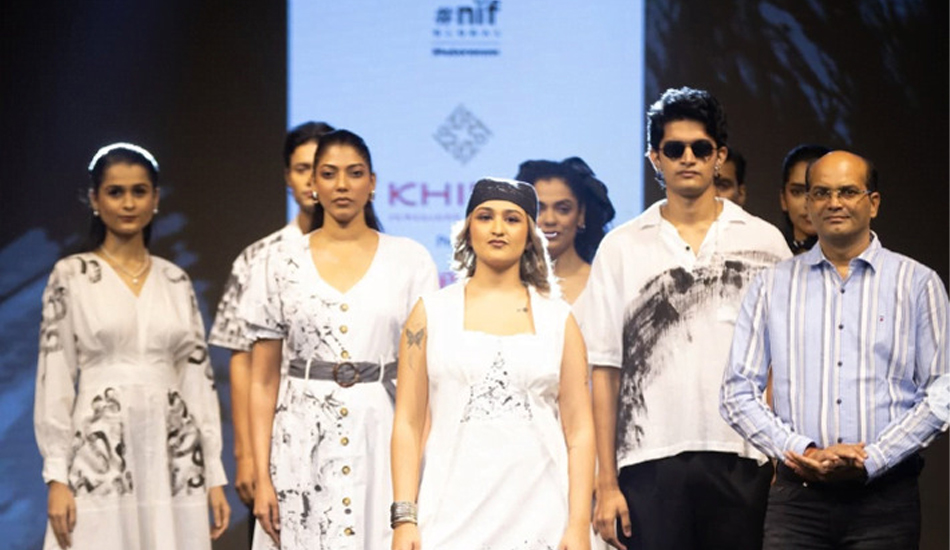
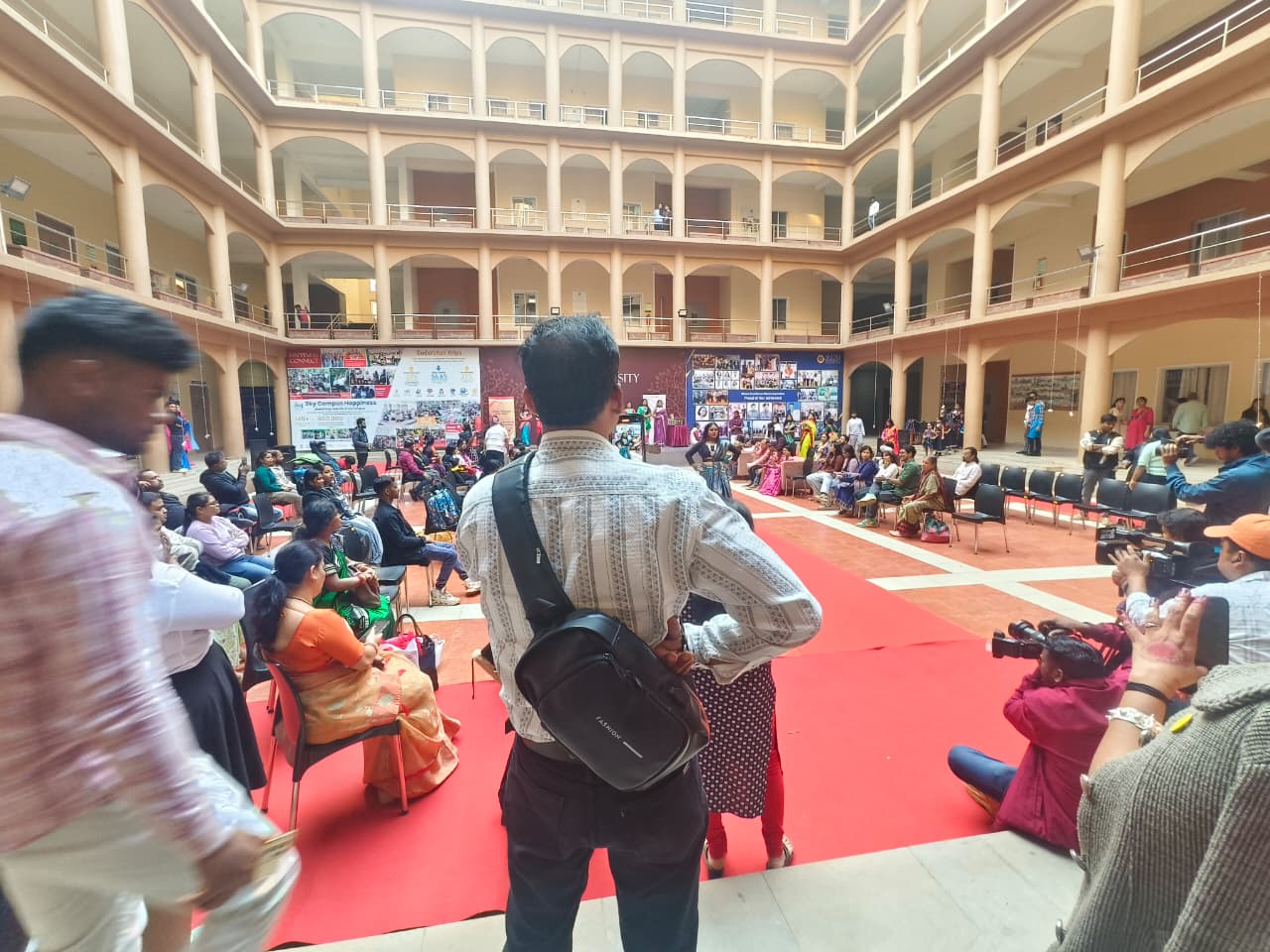
Portfolio development is an integral part of the learning process at NIF Global Bhubaneswar. Students are encouraged to take part in real-world projects, creative assignments and industry-relevant design concepts, which will help them create a portfolio that will open doors to exciting fashion opportunities.
What Is a Fashion Design Portfolio?
A fashion design portfolio showcases your best work. It showcases your design journey, creative process, technical abilities and distinctive style.
A good portfolio might contain:
● digital drawings and illustrations
● Mood boards and concept development
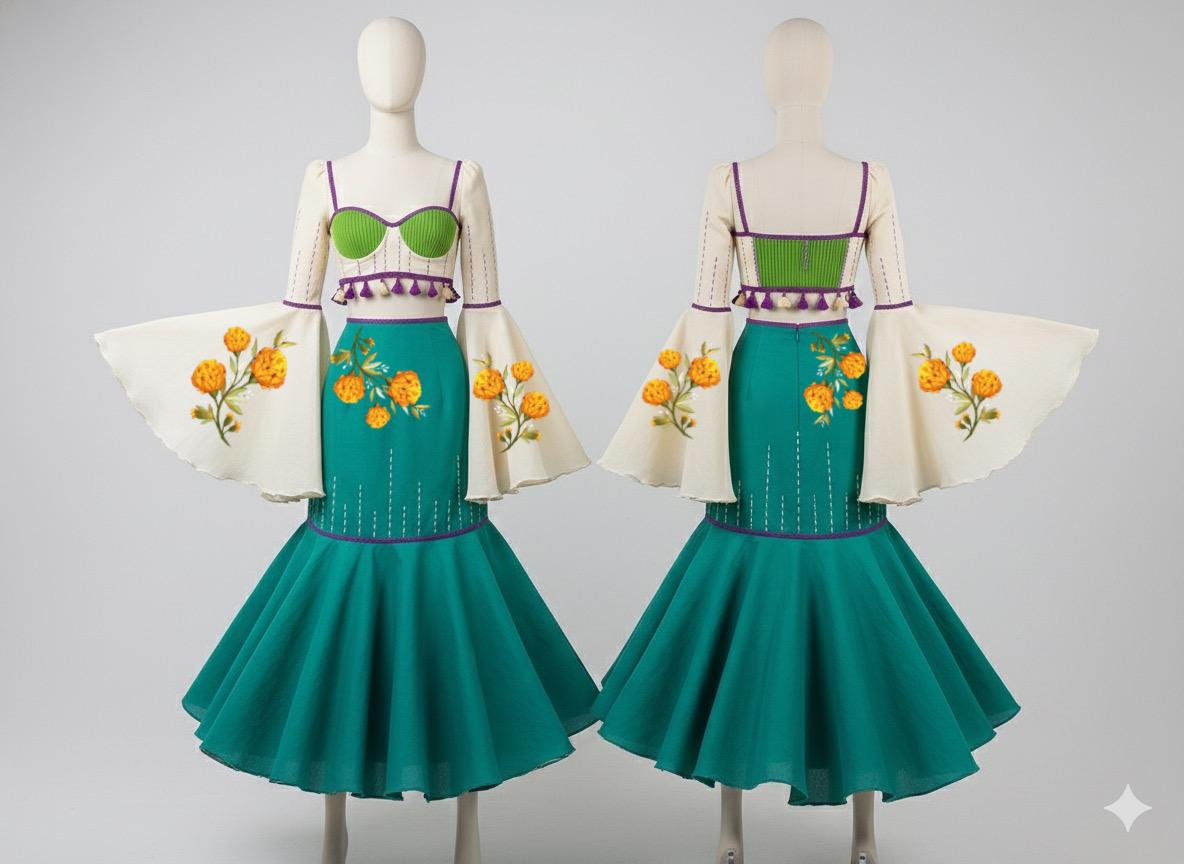
● Garment construction projects
● Exploration of textiles and fabrics
● Digital fashion designs
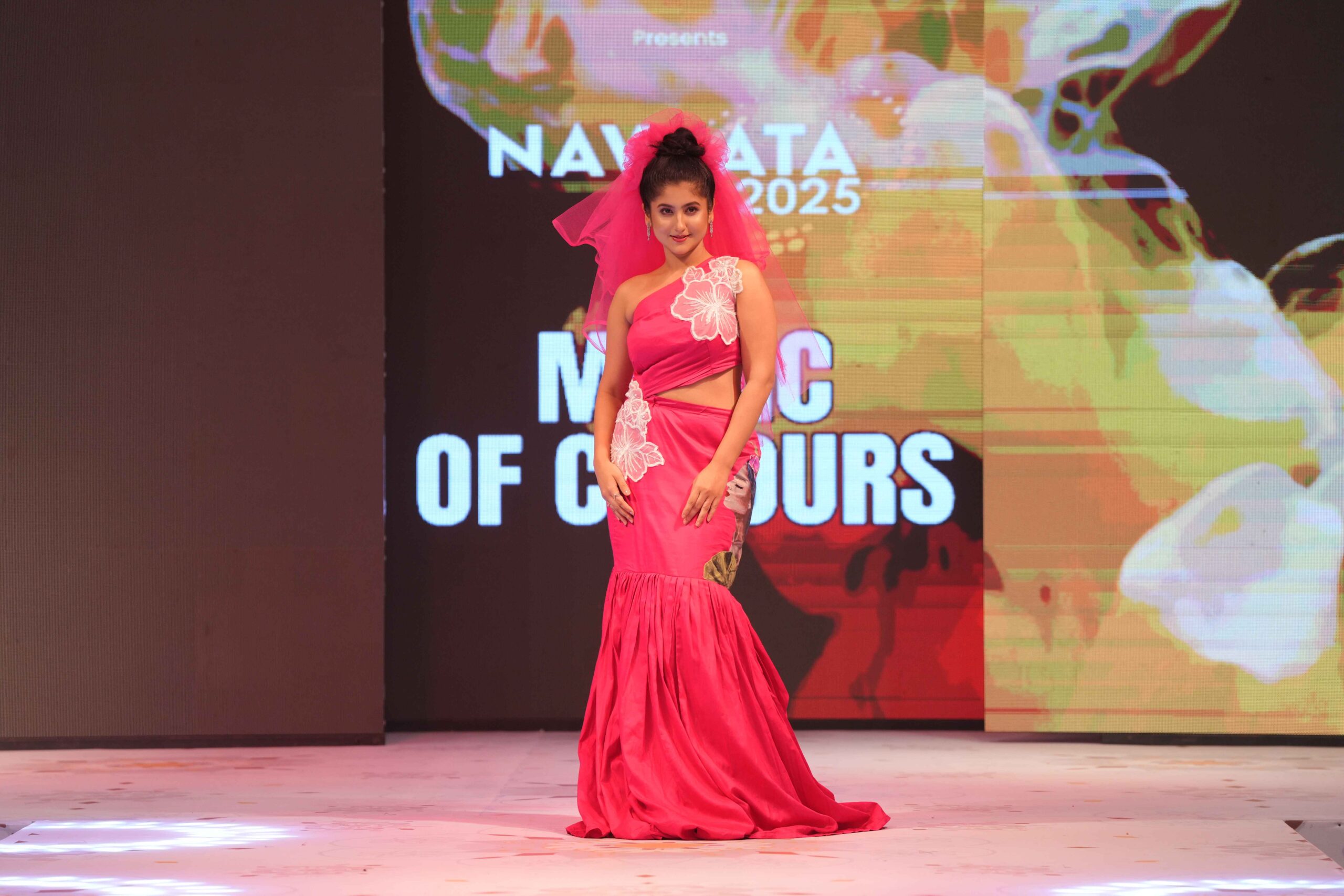
● Collection development projects
● Collaborations with industries and internships
Your portfolio demonstrates your abilities, while your diploma demonstrates your education.
Why Employers Look at Portfolios First
Fashion is a highly visual industry. From design internships to entry-level jobs, and even starting your own label, employers are looking for proof of your skills.
Most hiring managers spend more time reviewing portfolios than academic transcripts because portfolios reveal:
● Creativity and originality
● Technical proficiency
● Problem-solving skills
● Fashion knowledge: Knowledge of fashion trends.
● Ability to develop complete collections
Grades are not always the deciding factor in hiring; a well-developed portfolio can also make a difference. That is why it is crucial to select a fashion design course with a diploma that focuses on hands-on experience and portfolio development.
Your Portfolio Reflects Your Personal Design Identity
Fashion design is about more than just creating attractive garments. The best designers have their own point of view and creative voice.
Your portfolio helps you to communicate this.
● Your design philosophy
● Your preferred aesthetics
● Your technical strengths
● Your attitude towards innovation
● Your ability to react to market trends
At NIF Global Bhubaneswar, we focus on nurturing individuality while equipping students with industry-ready skills. Students can develop personal and professional portfolios through project-based learning and creative mentorship.
Building Industry-Relevant Skills Through Portfolio Projects
A significant benefit of a good diploma in fashion design is the opportunity to complete practical assignments that reflect industry challenges.
In a portfolio project, students can learn to:
● Research fashion markets
● develop design concepts
● Create technical drawings
● understand garment construction
● Present collections professionally.
These are the very skills that employers look for in aspiring fashion professionals.
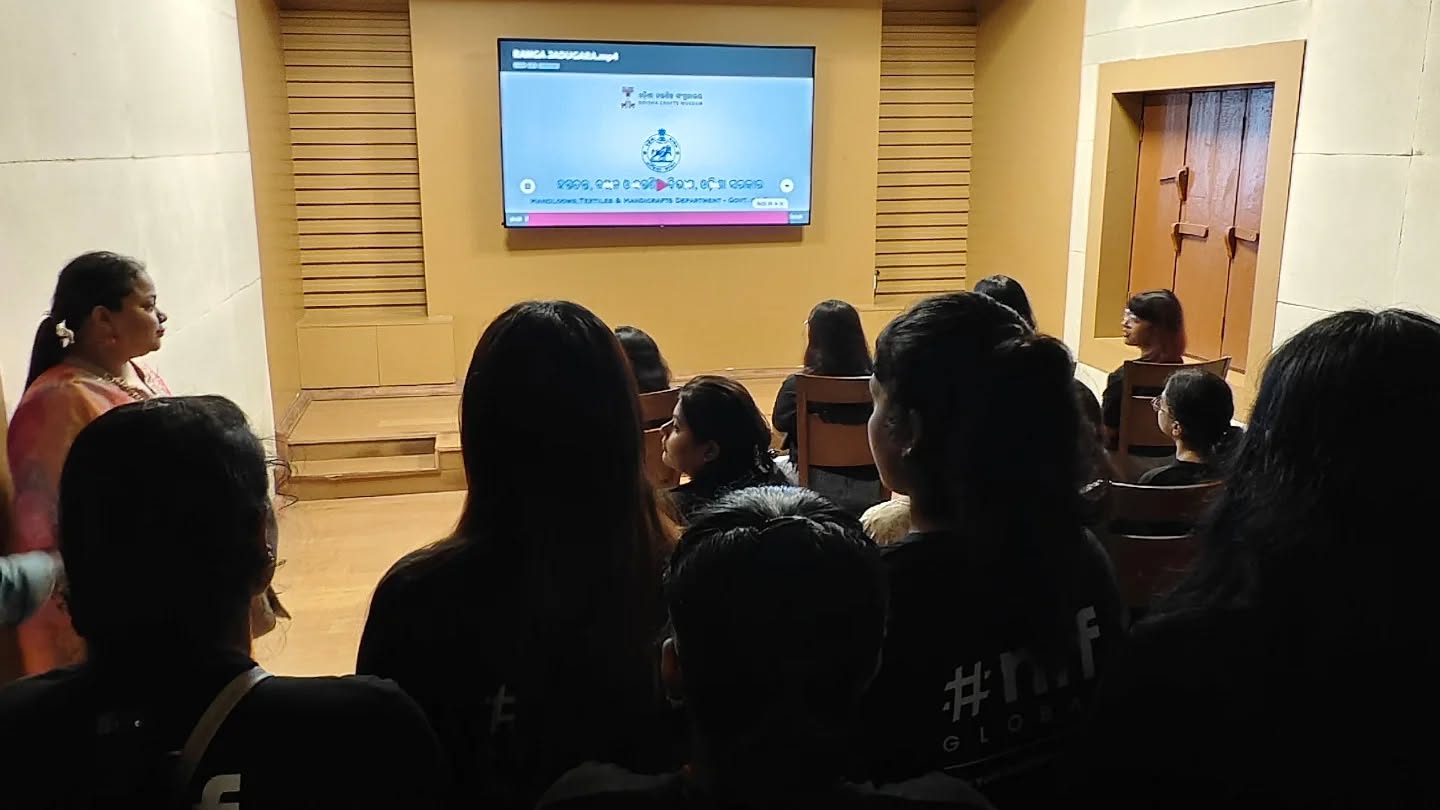
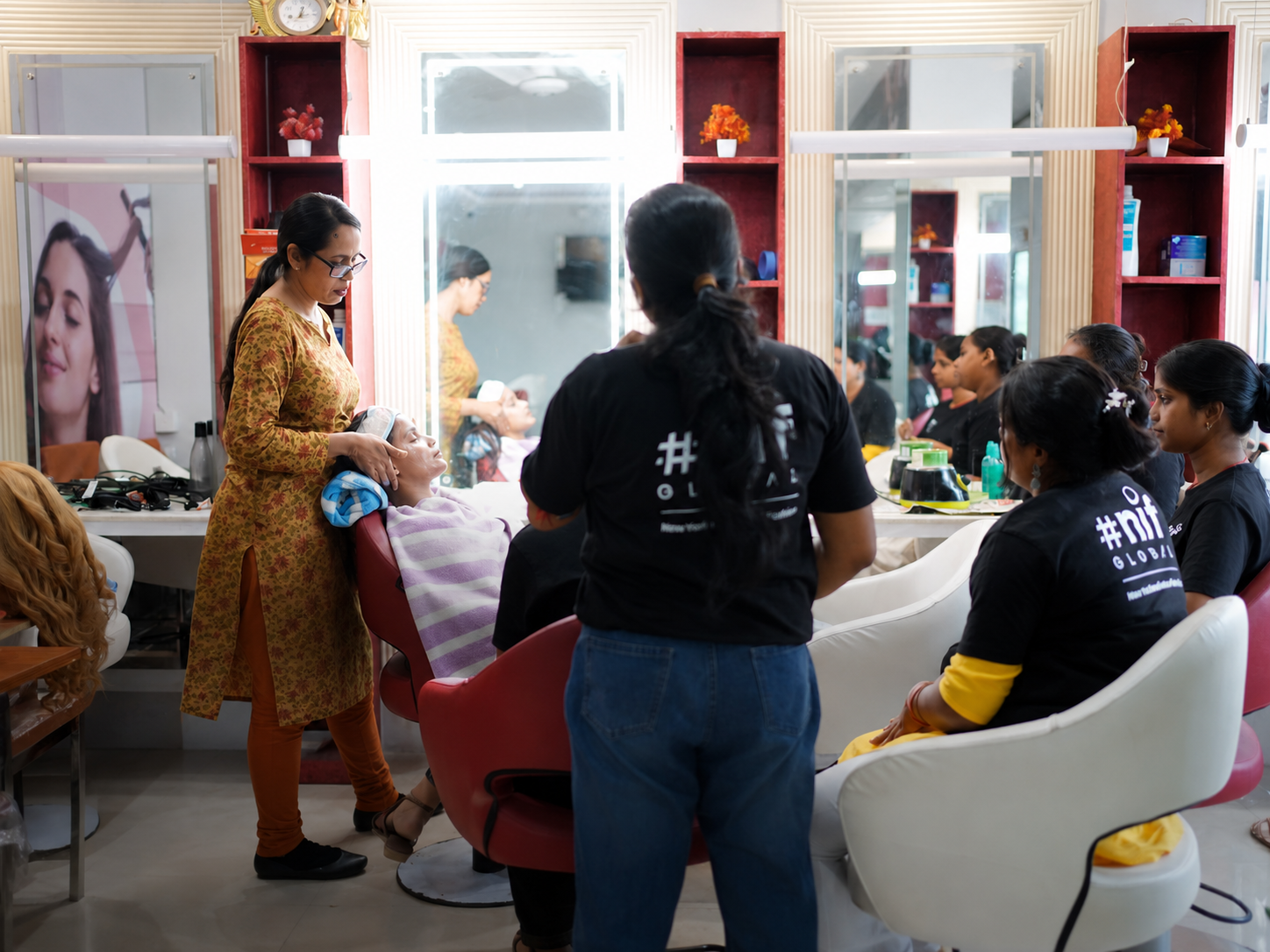
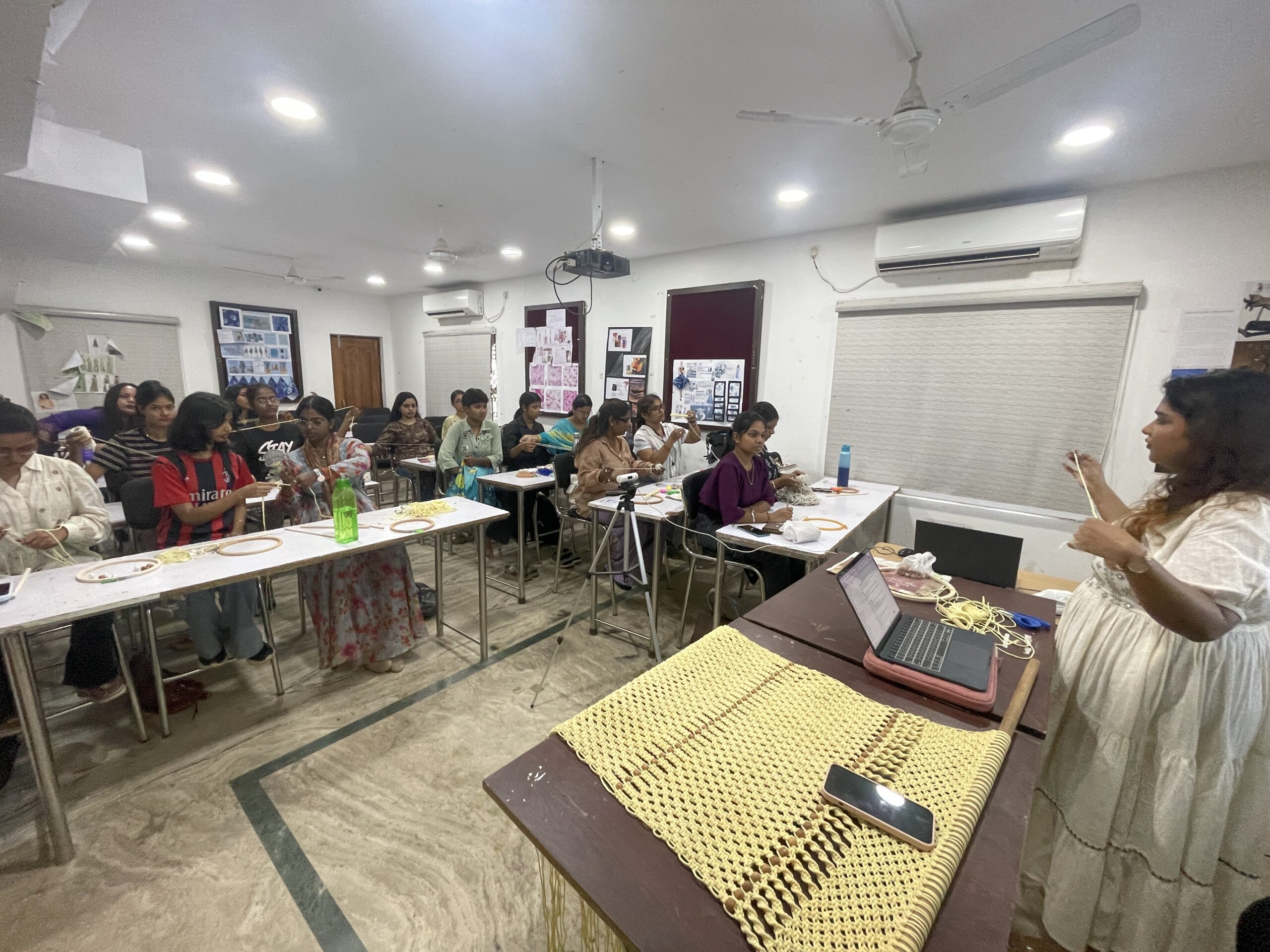
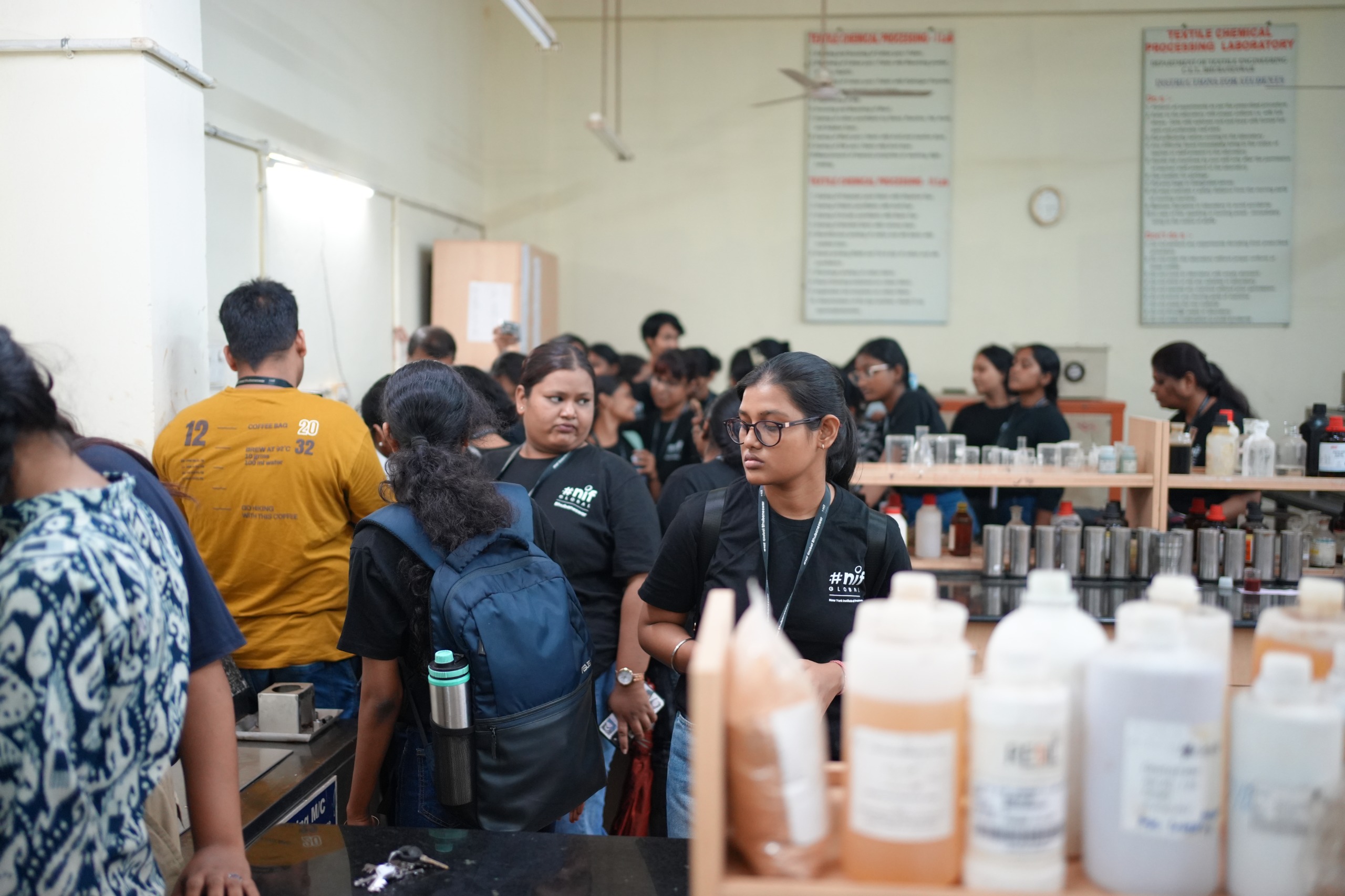
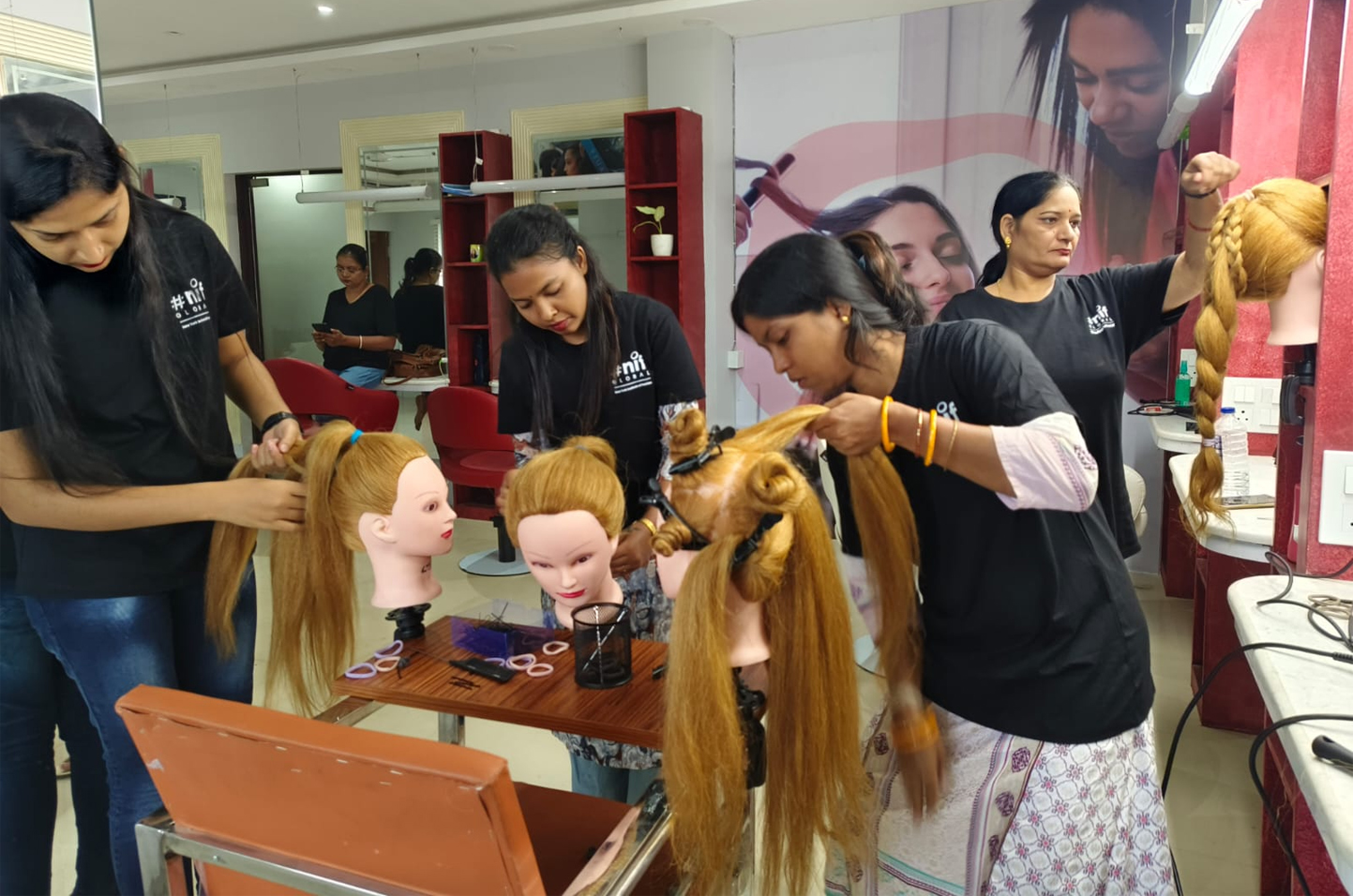
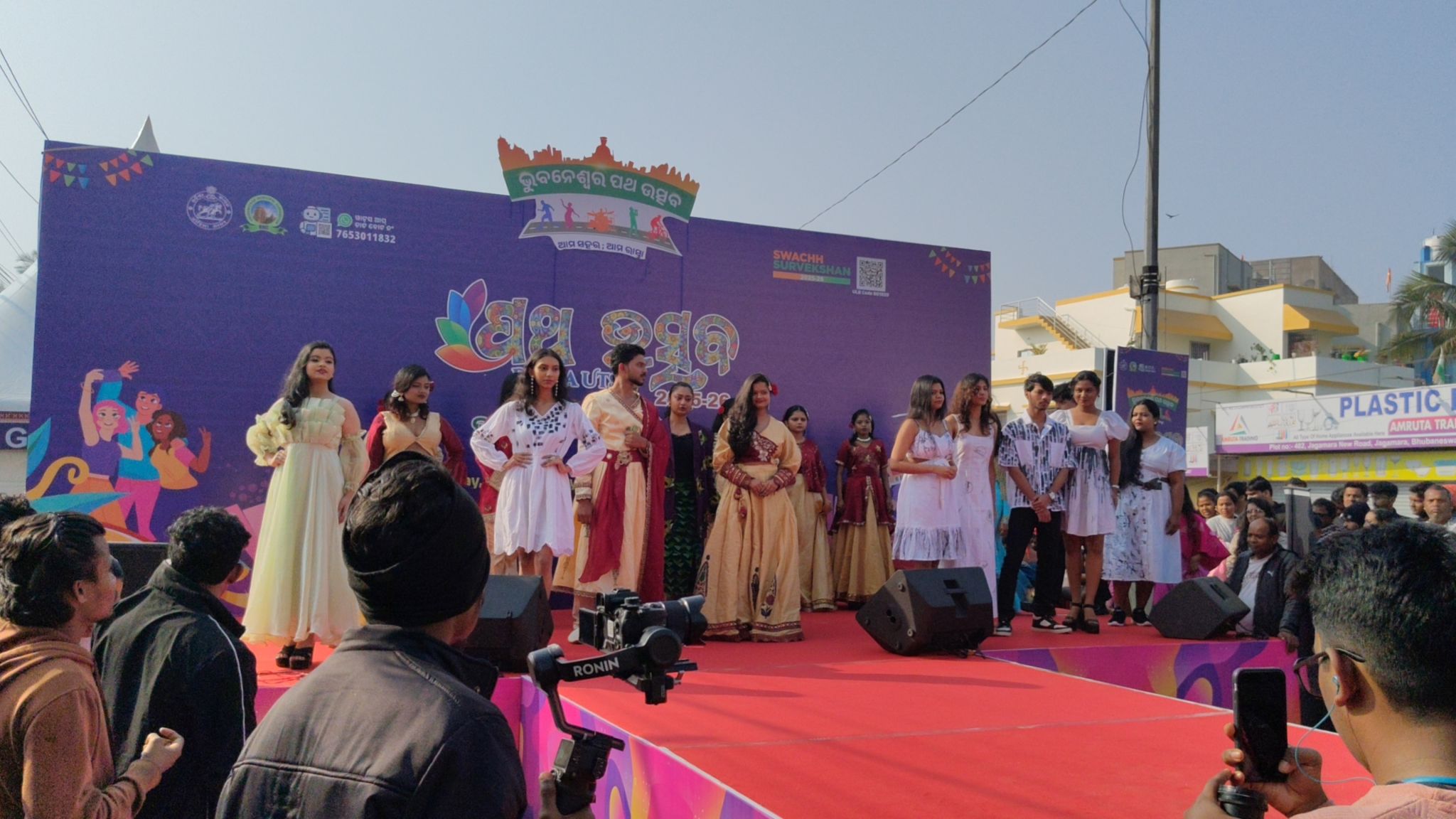
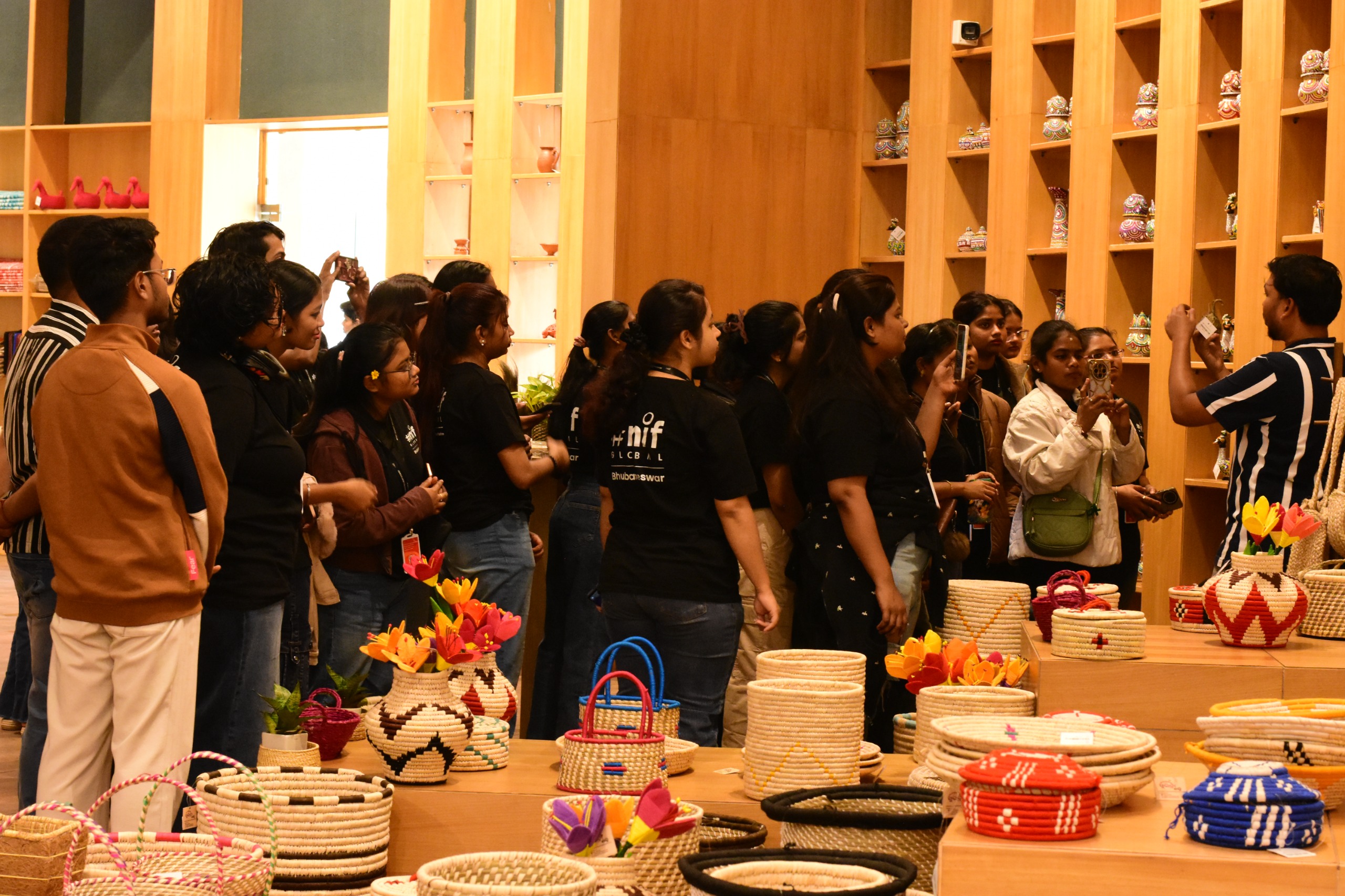
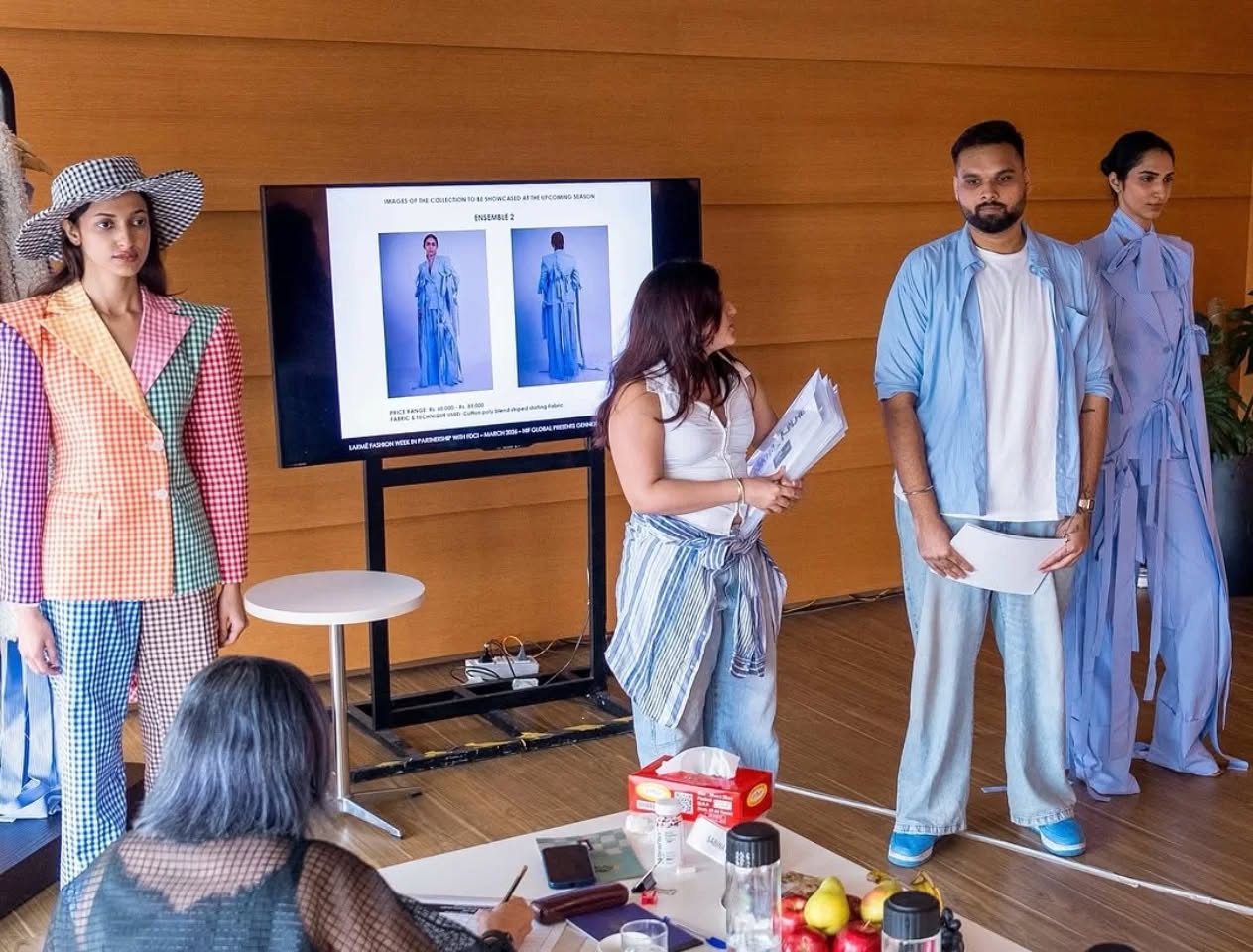
At NIF Global Bhubaneswar, students are exposed to practical learning experiences that enable them to apply what they have learnt in the classroom to projects for their portfolios. This hands-on approach not only qualifies graduates but also provides them with real work experience to showcase their abilities.
A Strong Portfolio Can Open More Career Opportunities
Many students think that there is only one fashion design career option: fashion designer. In fact, the industry offers a variety of opportunities, such as:
● Fashion design
● Fashion styling
● Fashion merchandising
● Fashion illustration
● Trend Forecasting
● Visual Merchandising
● Costume Design
● Fashion Entrepreneurship
Students will develop a strong portfolio of transferable skills relevant to a variety of career paths. In the current fashion industry, employers prefer to hire people who can work across several areas.
Why the Right Fashion Institute Matters
Developing a successful portfolio is essential for a successful career, so it’s important for students to thoroughly research institutions before enrolling.
The following are important elements of a good fashion institute:
● Highly qualified faculty and mentors
● An industry-oriented curriculum
● Practical project opportunities
● Portfolio development support
● Keeping up to date with current trends
● Information about internships and career pathways
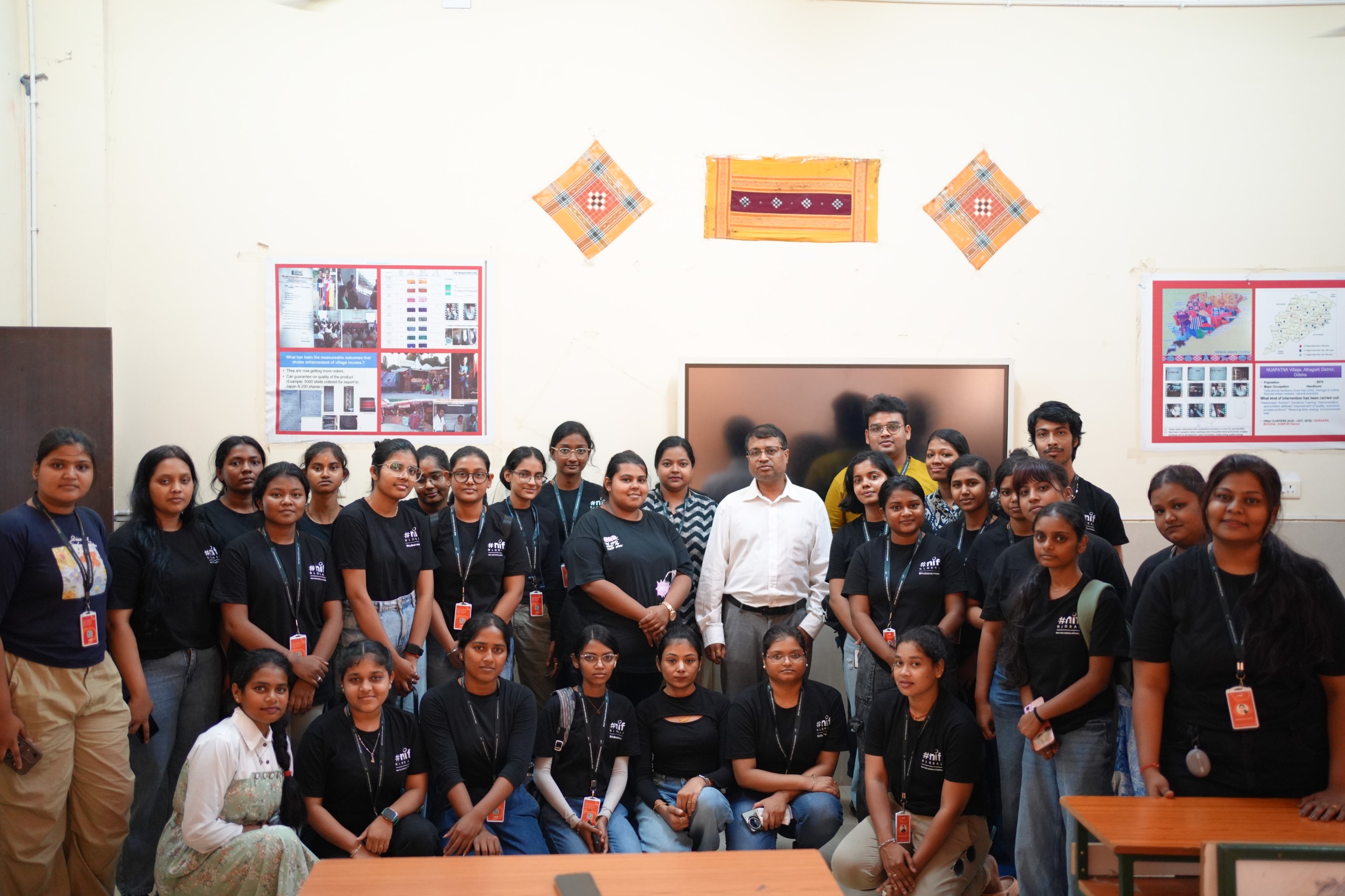
NIF Global Bhubaneswar is dedicated to fostering a learning environment and cultivating creative confidence among students. Students are supported throughout their studies with structured training and hands-on learning to help them develop portfolios that meet industry requirements.
If you want to become a designer, choosing a more practical school will make a world of difference to your future career.
Diploma and Portfolio: Why You Need Both
A good portfolio is important when it comes to hiring, but so is a diploma.
A diploma in fashion design offers:
● fundamental fashion knowledge
● Technical training
● Industry exposure
● structured learning
● Professional credibility
Your portfolio is based on this foundation and demonstrates how you have applied what you have learnt. The most successful fashion professionals are well-educated and have a compelling portfolio that showcases their creativity and technical expertise.
Conclusion
Your fashion portfolio can be a valuable asset in your career. A diploma in fashion design offers you the knowledge and training you need to be successful, and your portfolio provides evidence that you can apply this knowledge in a meaningful and creative way.
If you are considering a career in fashion, it is important to choose a course that places a strong focus on developing your portfolio. NIF Global Bhubaneswar provides aspiring designers with the guidance, hands-on experience and creative opportunities they need to develop robust portfolios and pursue their career aspirations with confidence.
With its hands-on learning, industry-relevant projects, and skill development, NIF Global Bhubaneswar empowers students to face the fashion industry and sets them on the path to a promising future.
Frequently Asked Questions (FAQs)
Why is a portfolio important in fashion design?
A portfolio showcases your creativity, technical skills, and design abilities, helping employers evaluate your potential beyond academic qualifications.
Is a Diploma in Fashion Design Course enough to get a job?
A diploma provides essential knowledge and training, but a strong portfolio significantly improves your chances of securing internships and employment opportunities.
What should be included in a fashion design portfolio?
A portfolio should include sketches, mood boards, design concepts, garment projects, technical drawings, and collection development work that demonstrate your skills and creativity.
How does NIF Global Bhubaneswar help students build portfolios?
NIF Global Bhubaneswar emphasises practical learning, project-based assignments, creative development, and industry-relevant experiences that help students create professional portfolios throughout their studies.
Why choose NIF Global Bhubaneswar for a Diploma in Fashion Design Course?
NIF Global Bhubaneswar combines structured learning, practical training, portfolio development, and industry-focused education to help students build confidence and prepare for successful careers in the fashion industry.