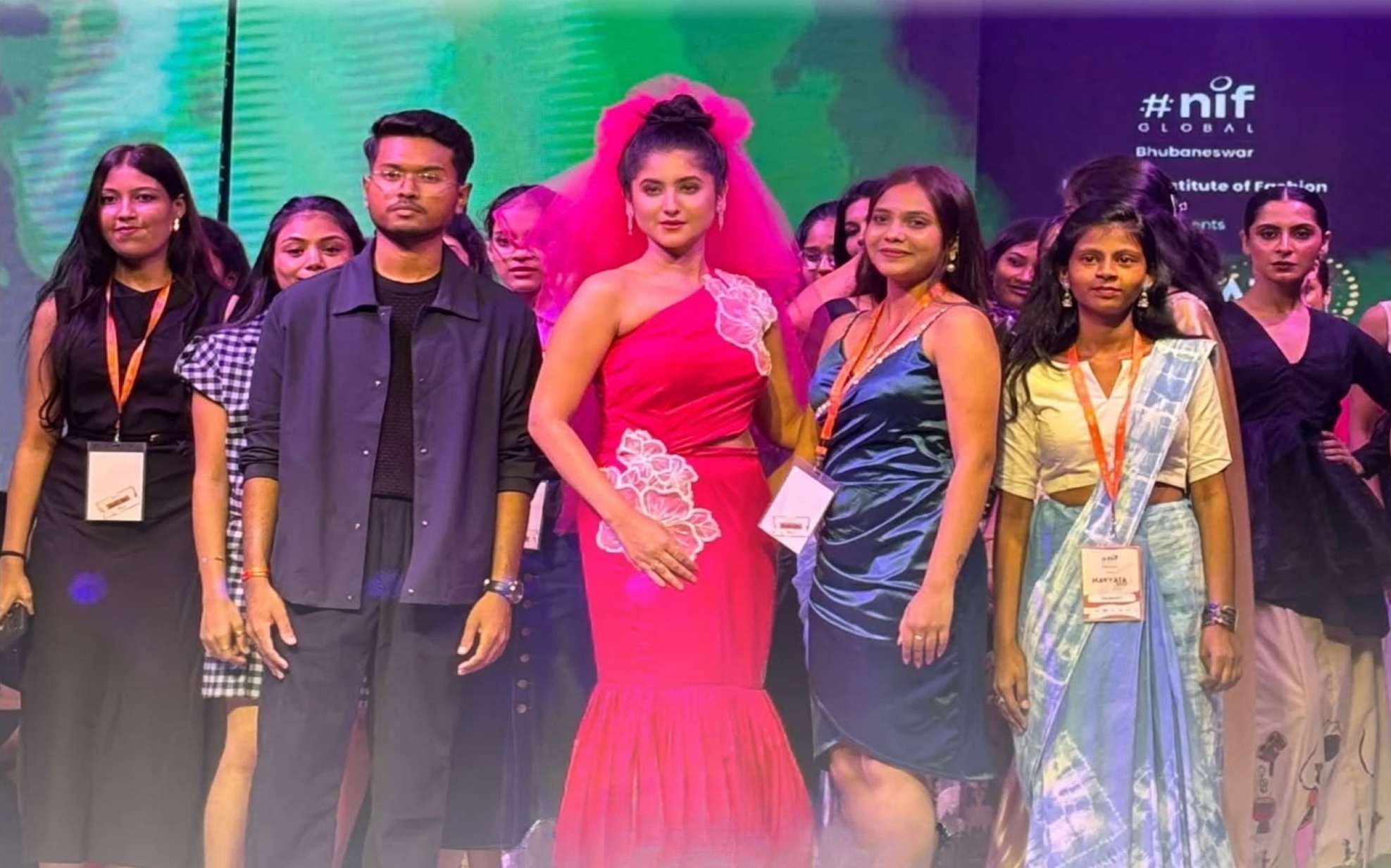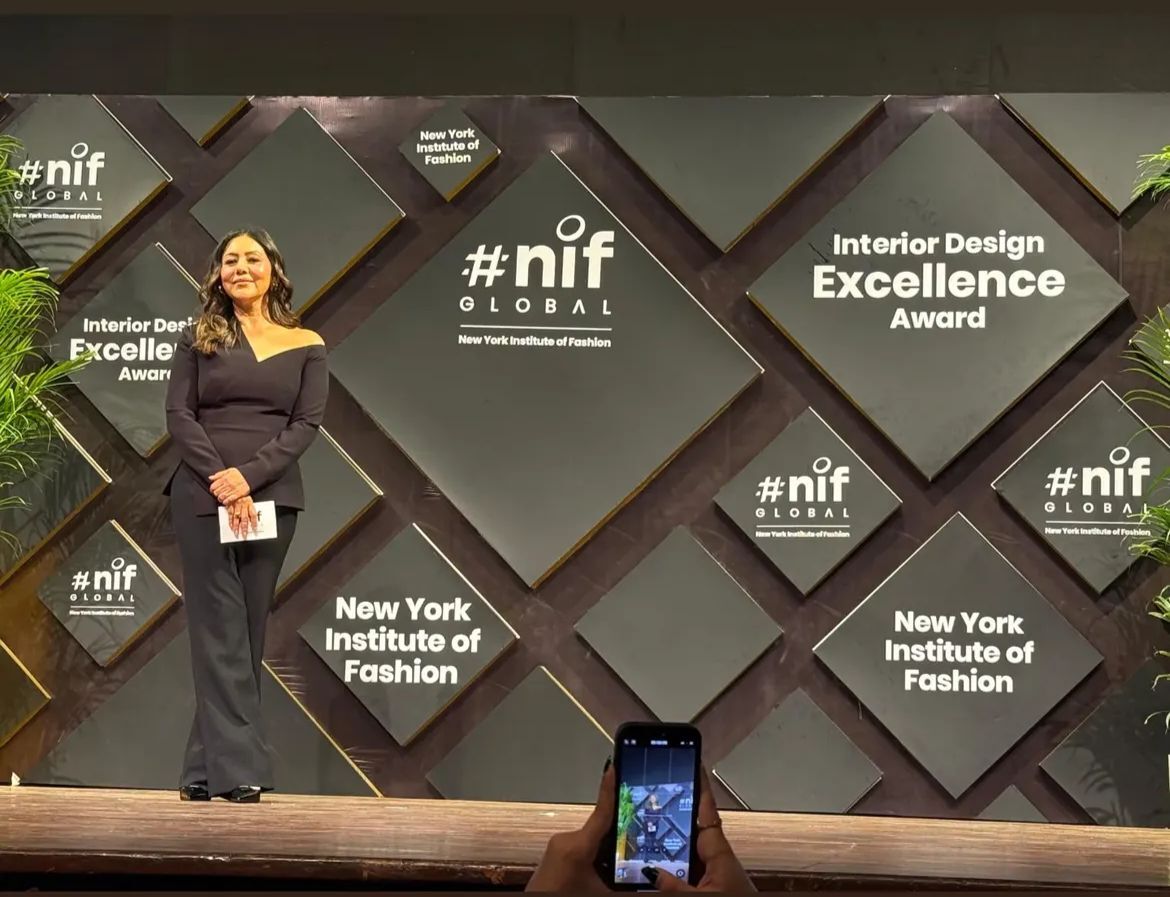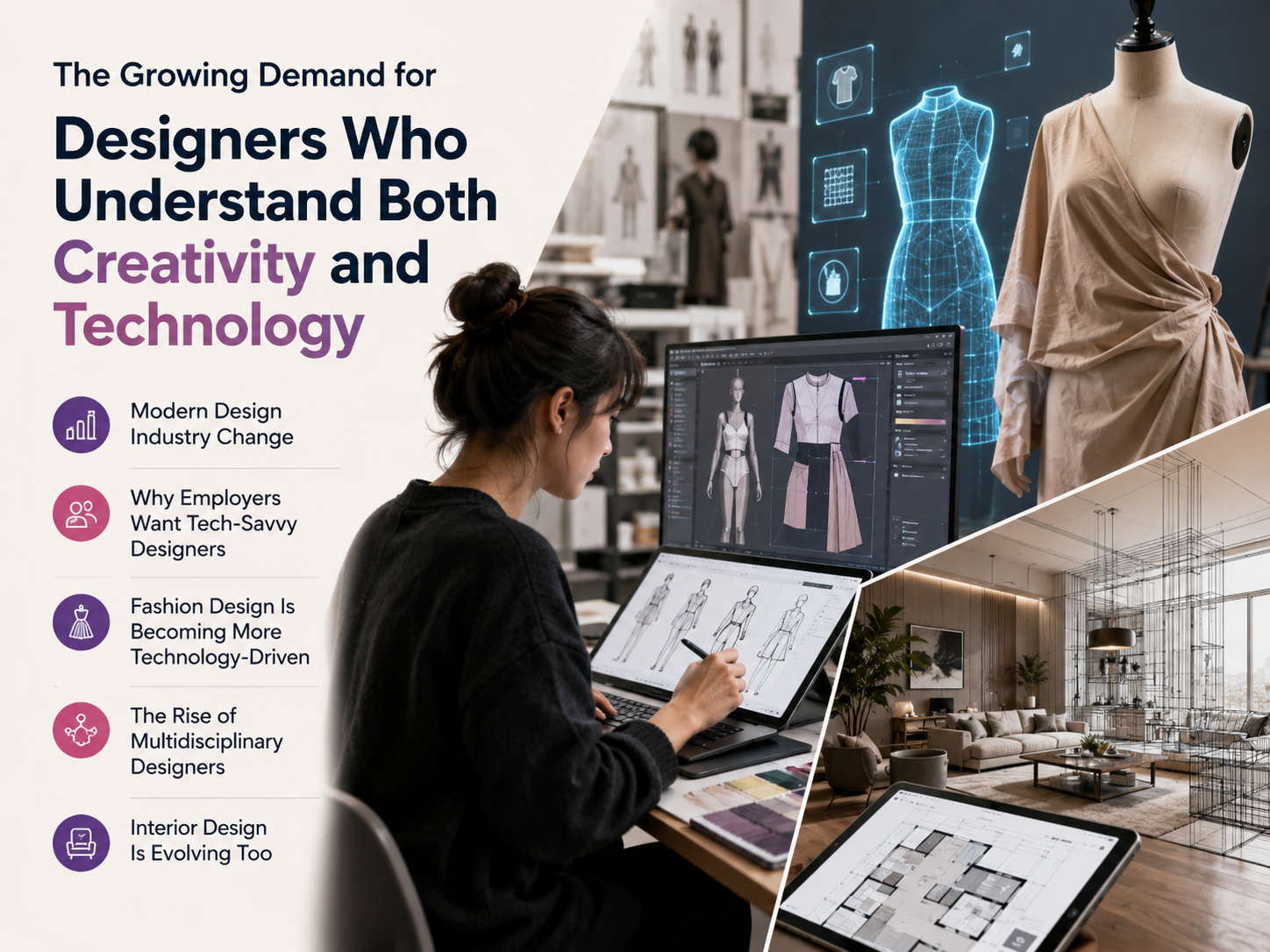
From fashion to interior design and graphic design to digital media, having both creative and technological skills is a powerful competitive advantage. Designers are no longer just required to develop beautiful ideas. They must also be able to work with current tools and digital processes and be flexible in response to industry trends.
Institutions such as NIF Global Bhubaneswar are equipping students with the necessary skills and knowledge to thrive in the future of the creative industries, where innovation and creativity will be paramount.
The Modern Design Industry Has Changed
Ten years ago, many design jobs focused on creativity, conceptualisation and artistic expression, paying little attention to other skills.
Things are very different today.
Designers should collaborate with:
• Design software
• 3D visualisation tools
• digital presentation platforms
• AI-assisted design technologies
• Virtual collaboration systems
While creativity remains a key element, technology has become essential for turning ideas into reality.
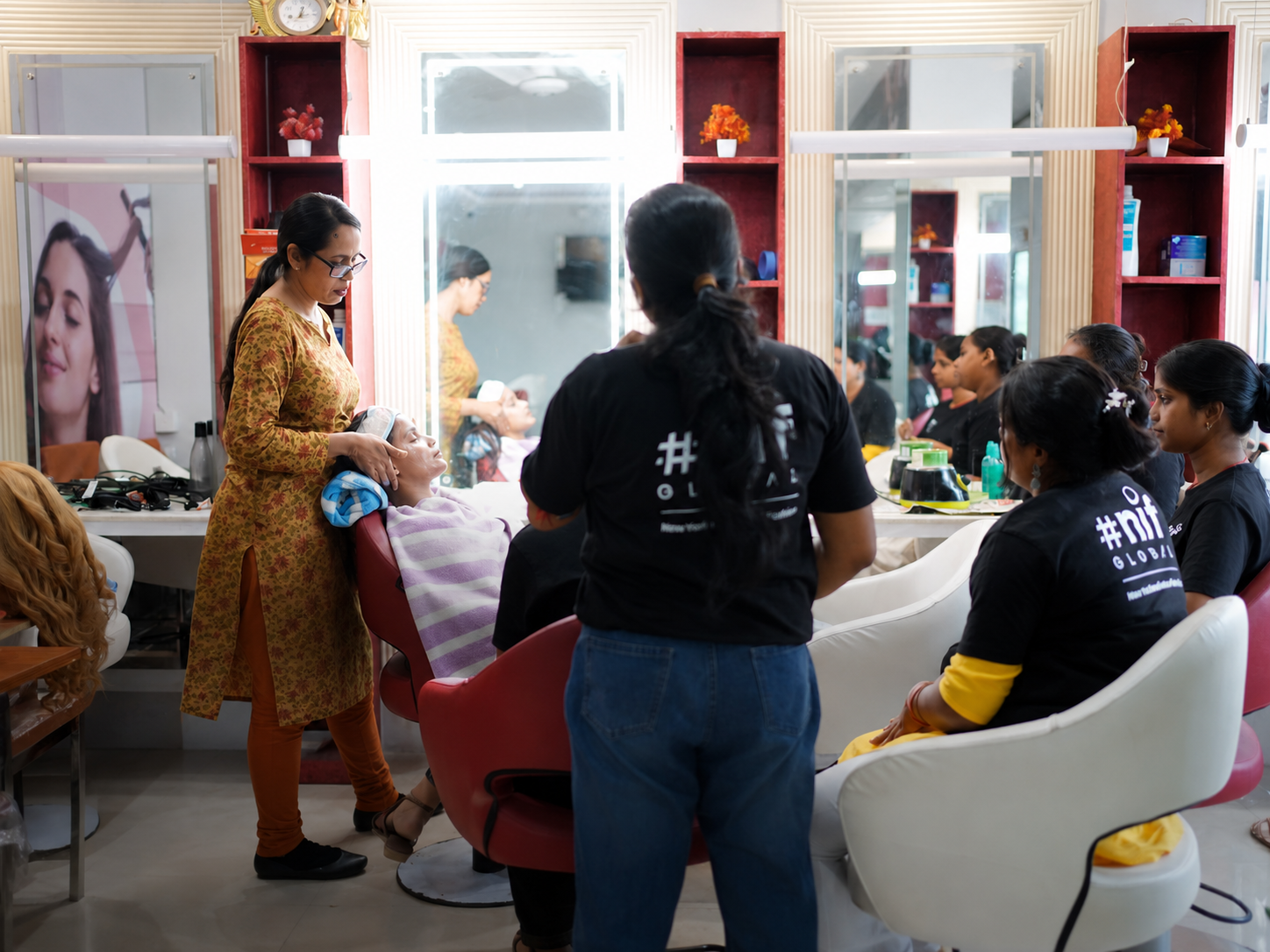
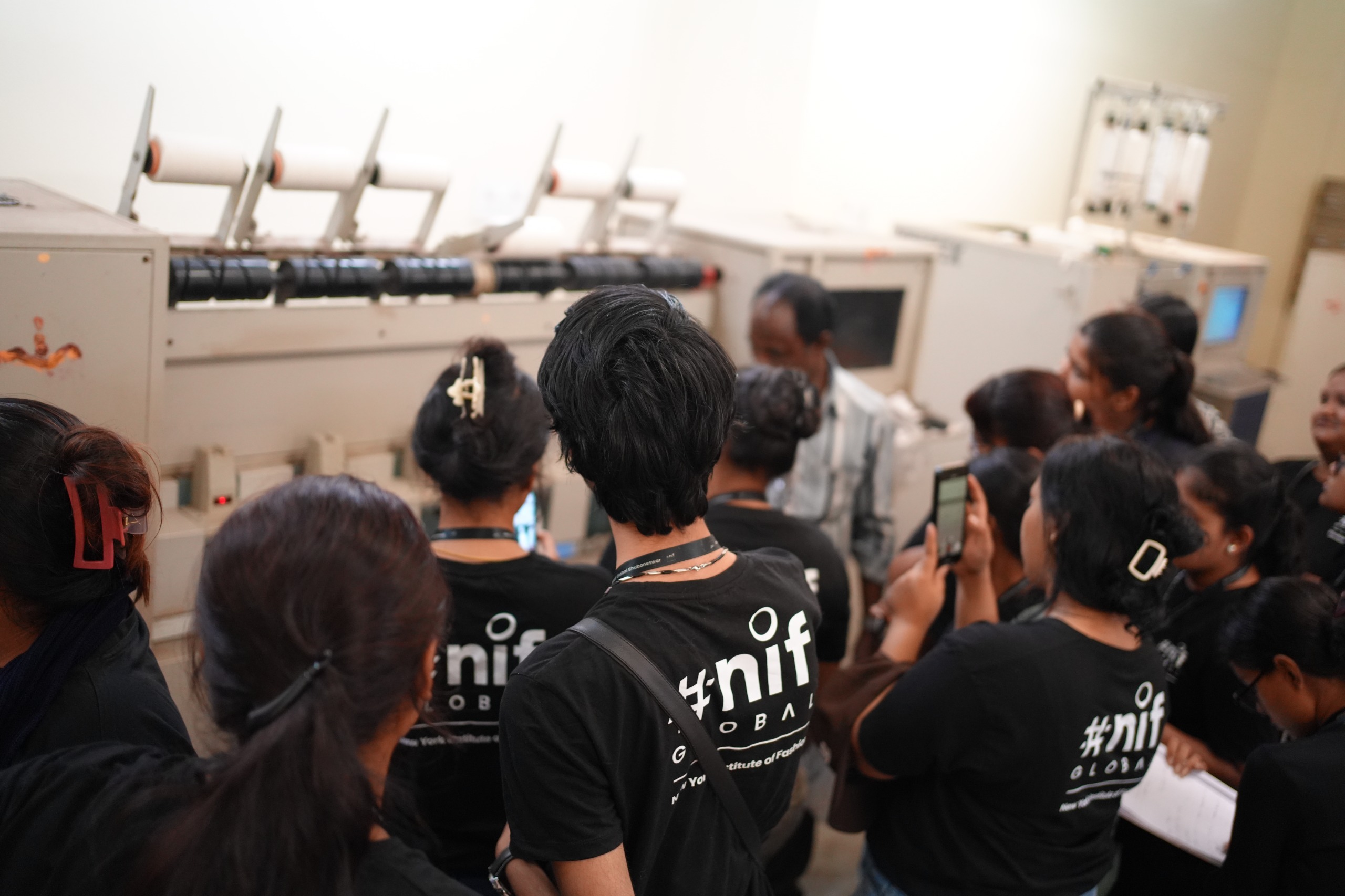
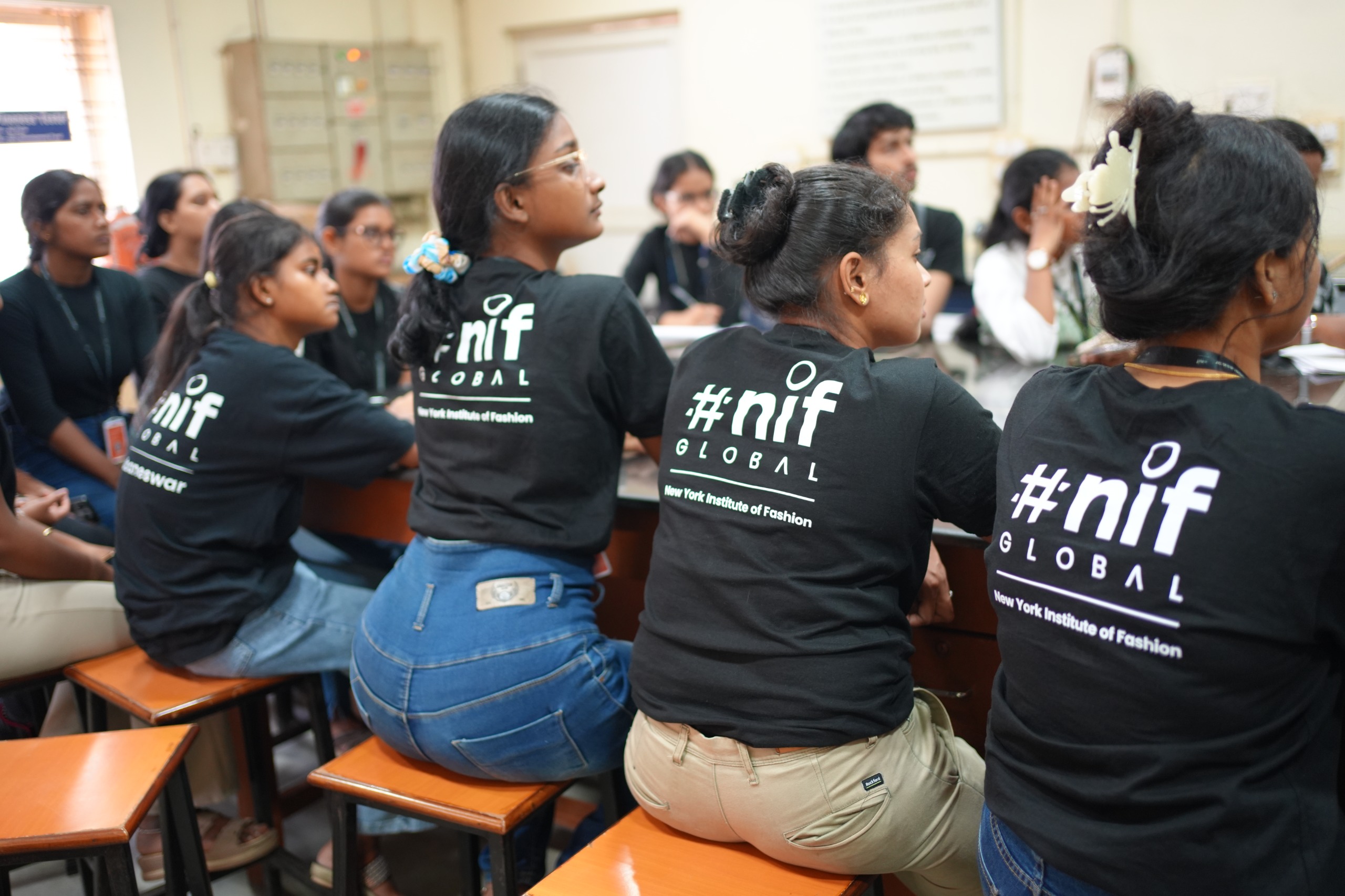
At NIF, Global Bhubaneswar, students are introduced to creative thinking and industry-relevant tools that enable them to develop skills relevant to the expectations of the modern workplace.
Why Employers Want Tech-Savvy Designers
Modern businesses operate in highly competitive markets where speed, efficiency and innovation are critical.
Consequently, employers are looking for designers who can:
• Learn how to use new technologies
• communicate ideas digitally
• use design software effectively and efficiently
• collaborate across teams
• solve problems creatively
A designer with an aesthetic and technical understanding can contribute more effectively to the design process.
This blend of abilities enables individuals to transition from concept to action with greater assurance and effectiveness.
Technology Is Enhancing Creativity, Not Replacing It
Some aspiring designers are concerned that technology is diminishing the value of creativity.
In fact, it is quite the opposite.
Technology offers designers new opportunities to:
• Visualise concepts
• experiment with ideas
• improve precision
• streamline workflows
The best designers use technology to enhance their creative skills, rather than replace them.
At NIF Global Bhubaneswar, students learn to use the latest design tools while developing strong creative fundamentals, which remain essential in all design fields.
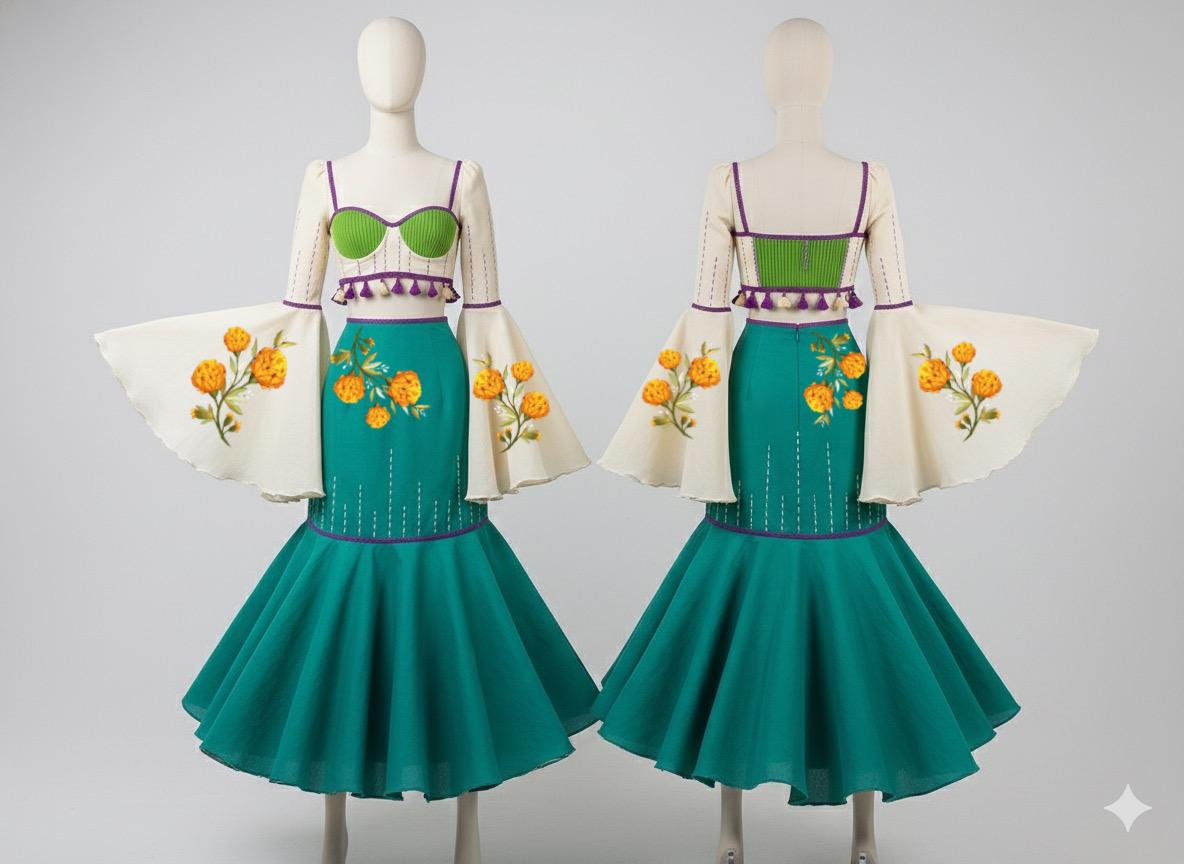
Fashion Design Is Becoming More Technology-Driven
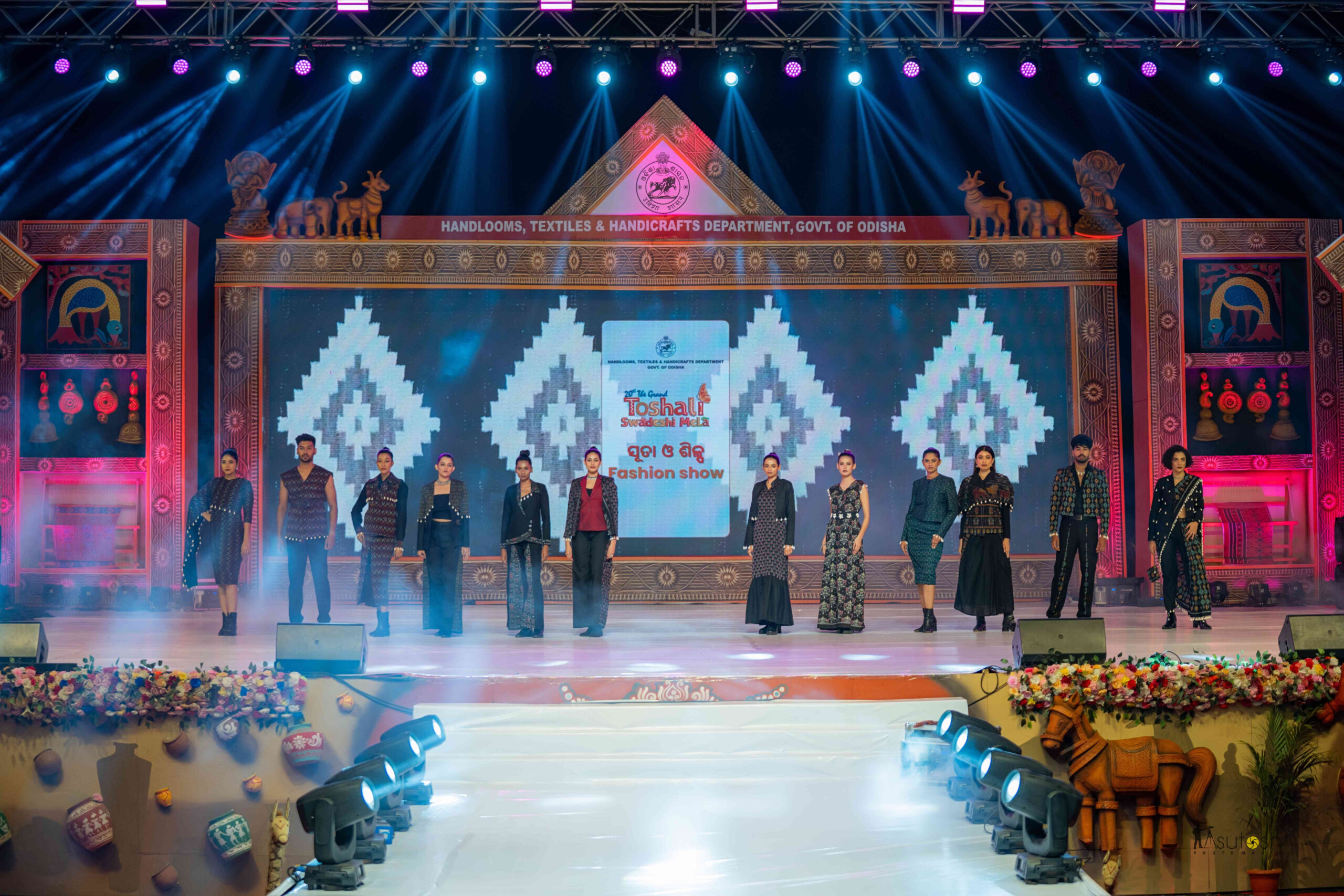
The fashion industry is a prime example of the new synergy between creativity and technology.
Some contemporary fashion designers use:
• Digital illustration software
• CAD systems
• Virtual prototyping
• Trend forecasting tools
With these technologies, designers can transform concepts into reality more quickly and efficiently while keeping up with the pace of the industry.
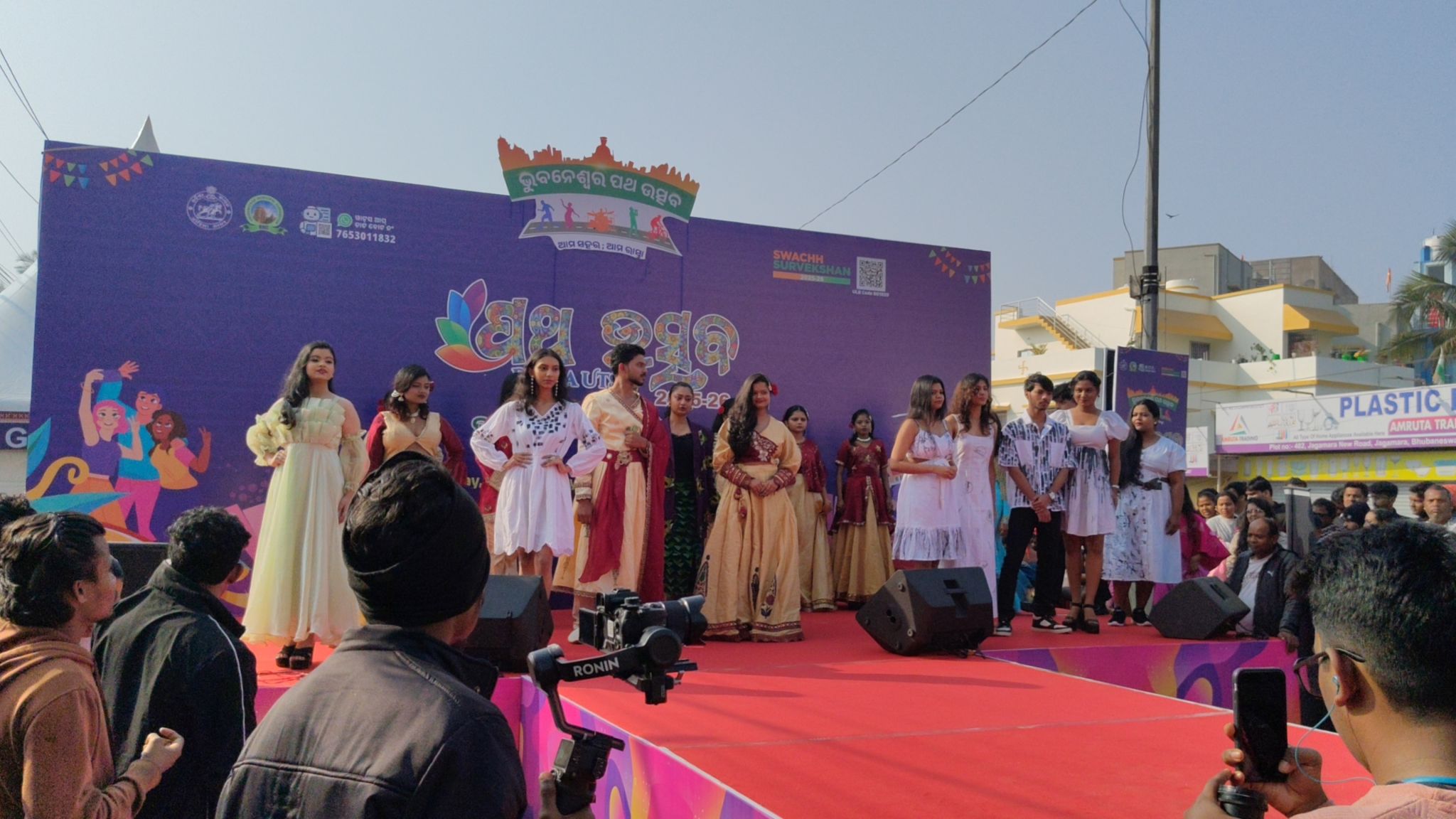
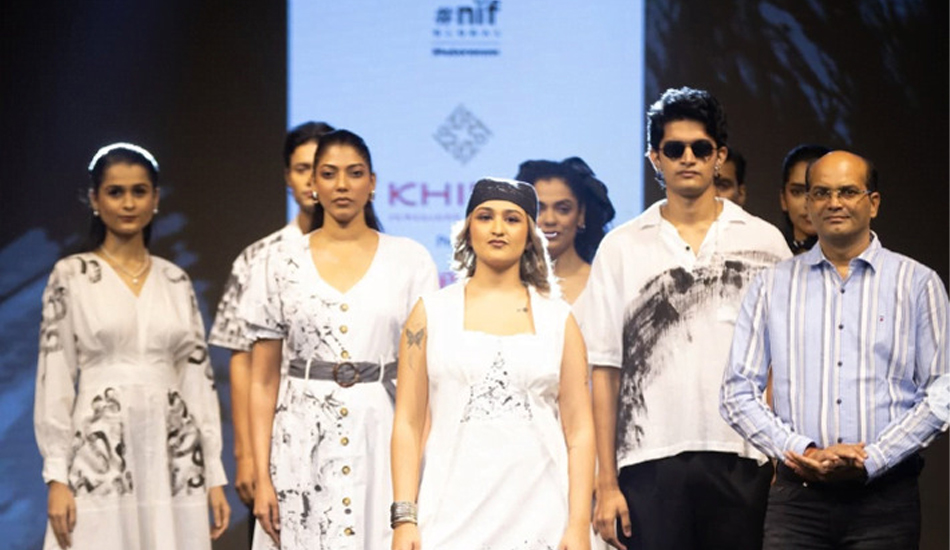
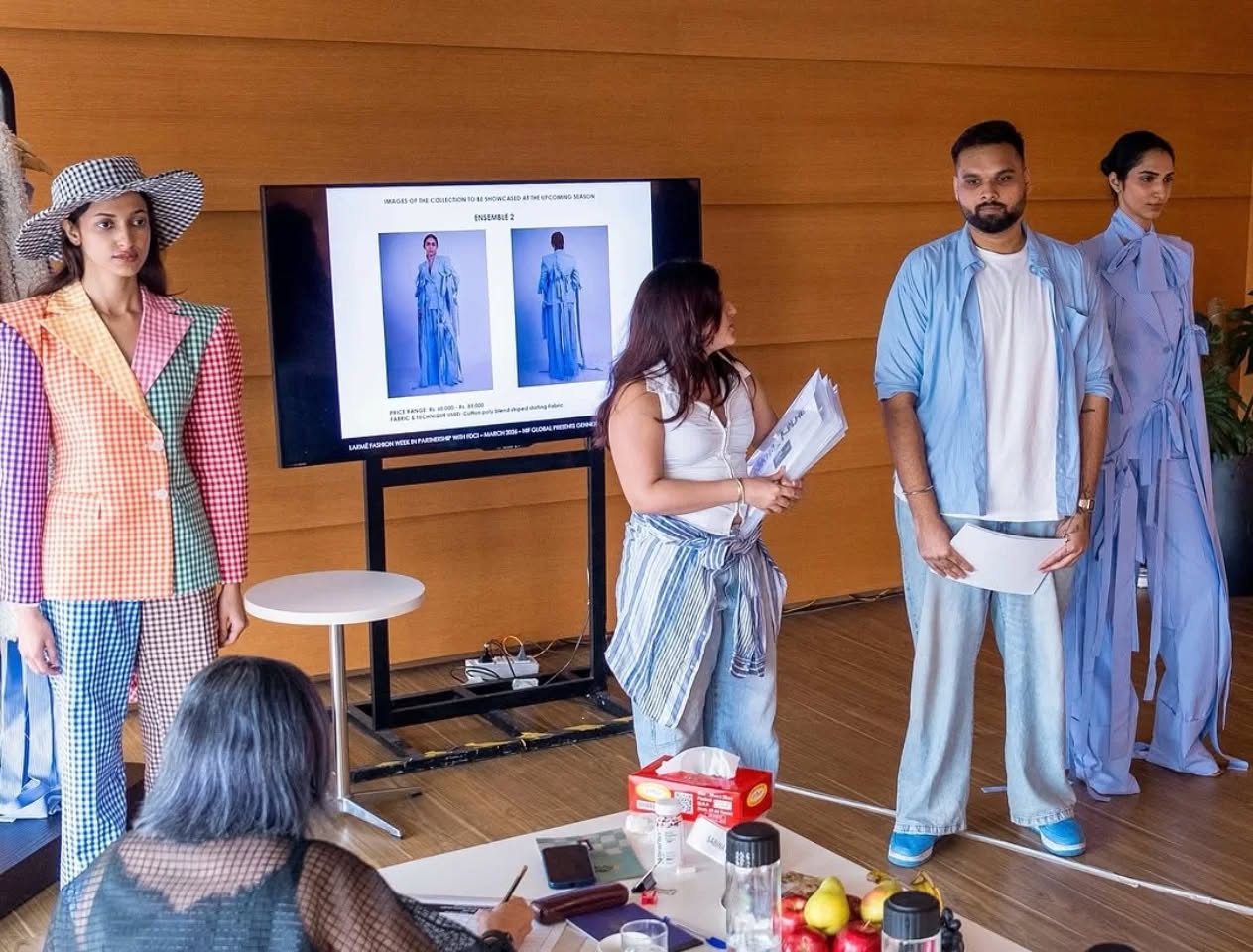
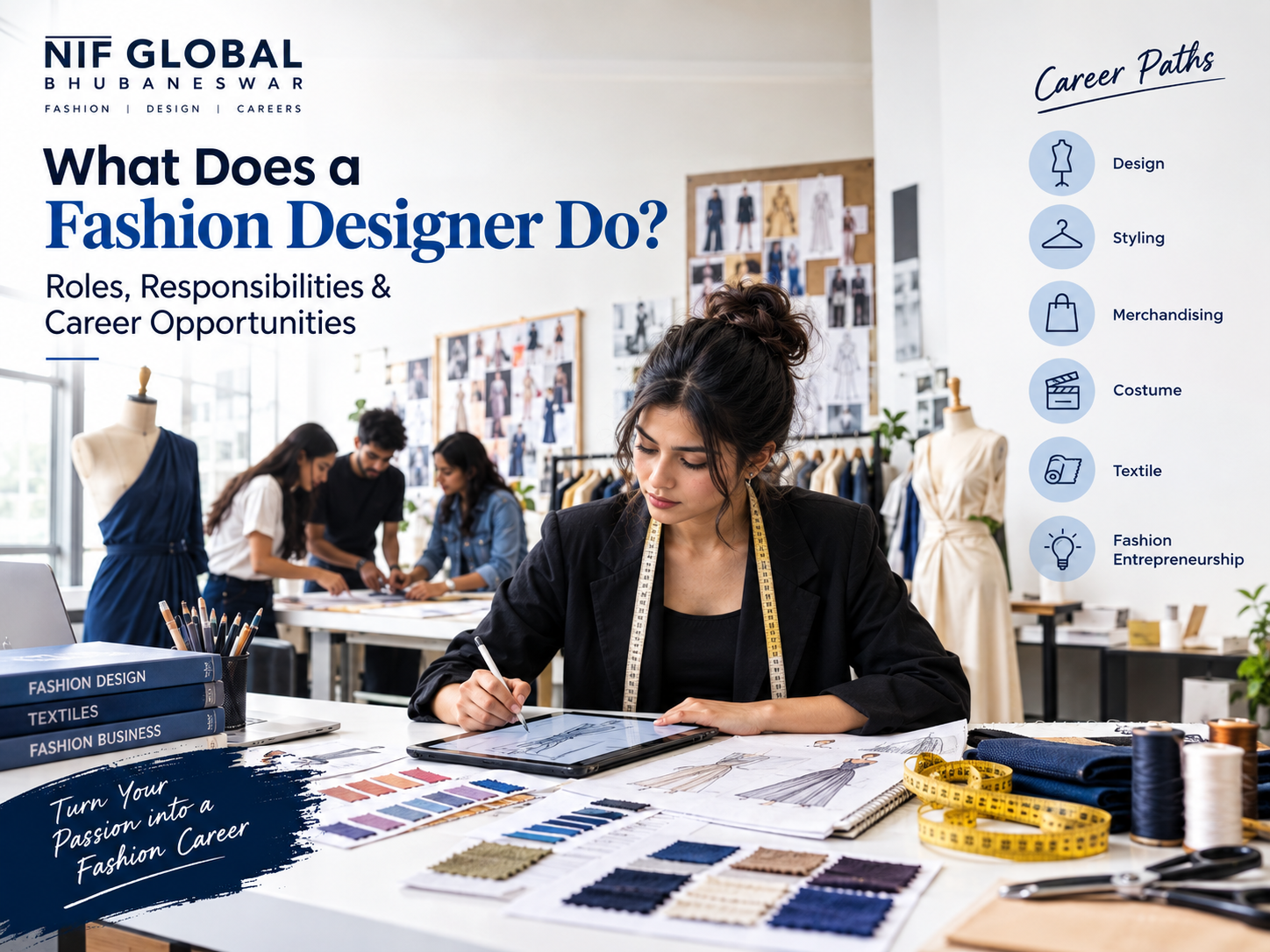
The fashion design courses at NIF Global Bhubaneswar equip students with the necessary creative and technical skills to address the demands of the modern fashion landscape.
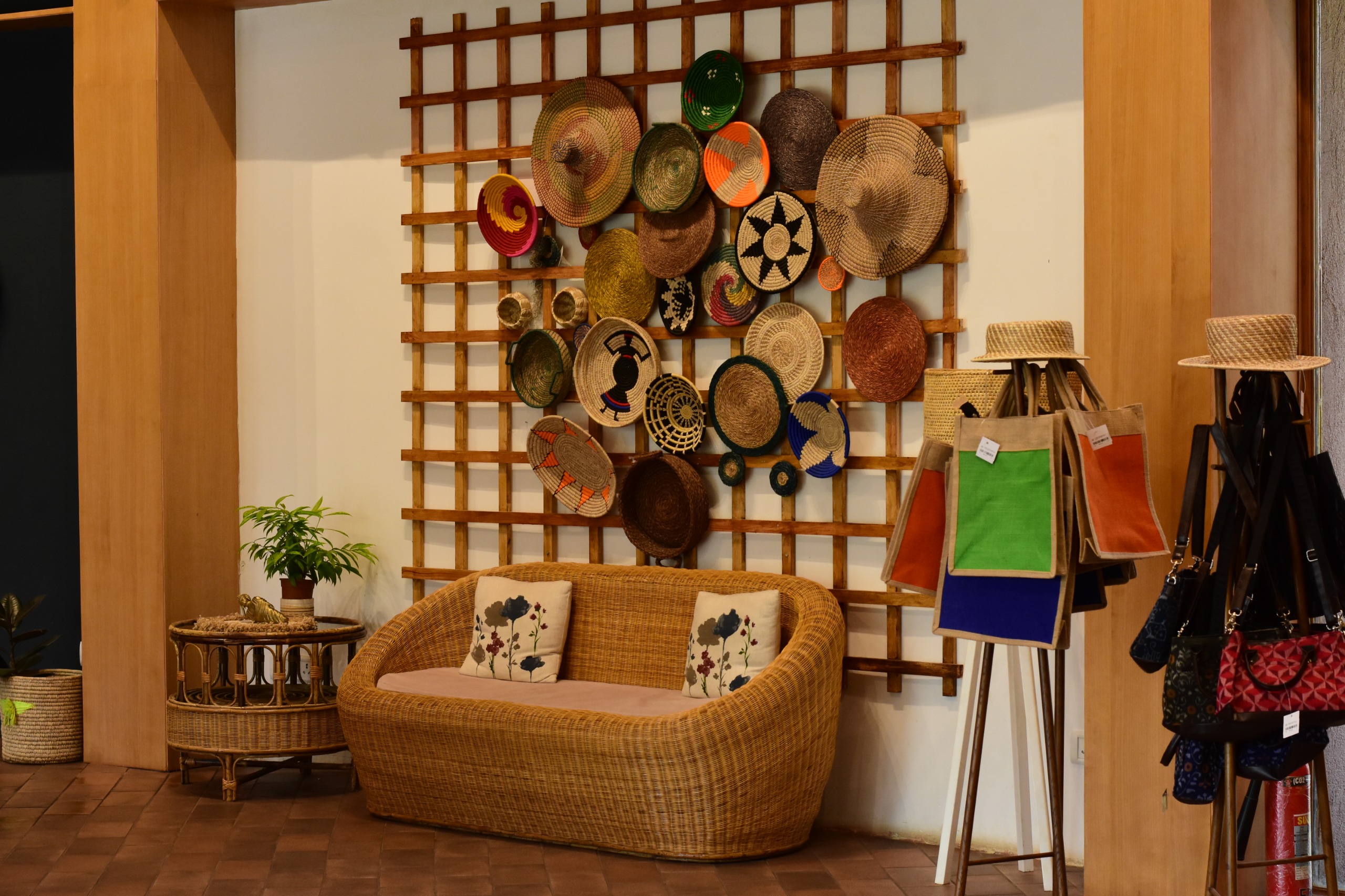
Interior Design Is Evolving Too
Technology is also transforming interior design.
Interior designers often use the following:
• 3D modelling software
• Virtual walkthroughs
• Space planning tools
• Rendering technologies
• Digital presentation systems
Clients now expect designers to share ideas in a visual and interactive way.
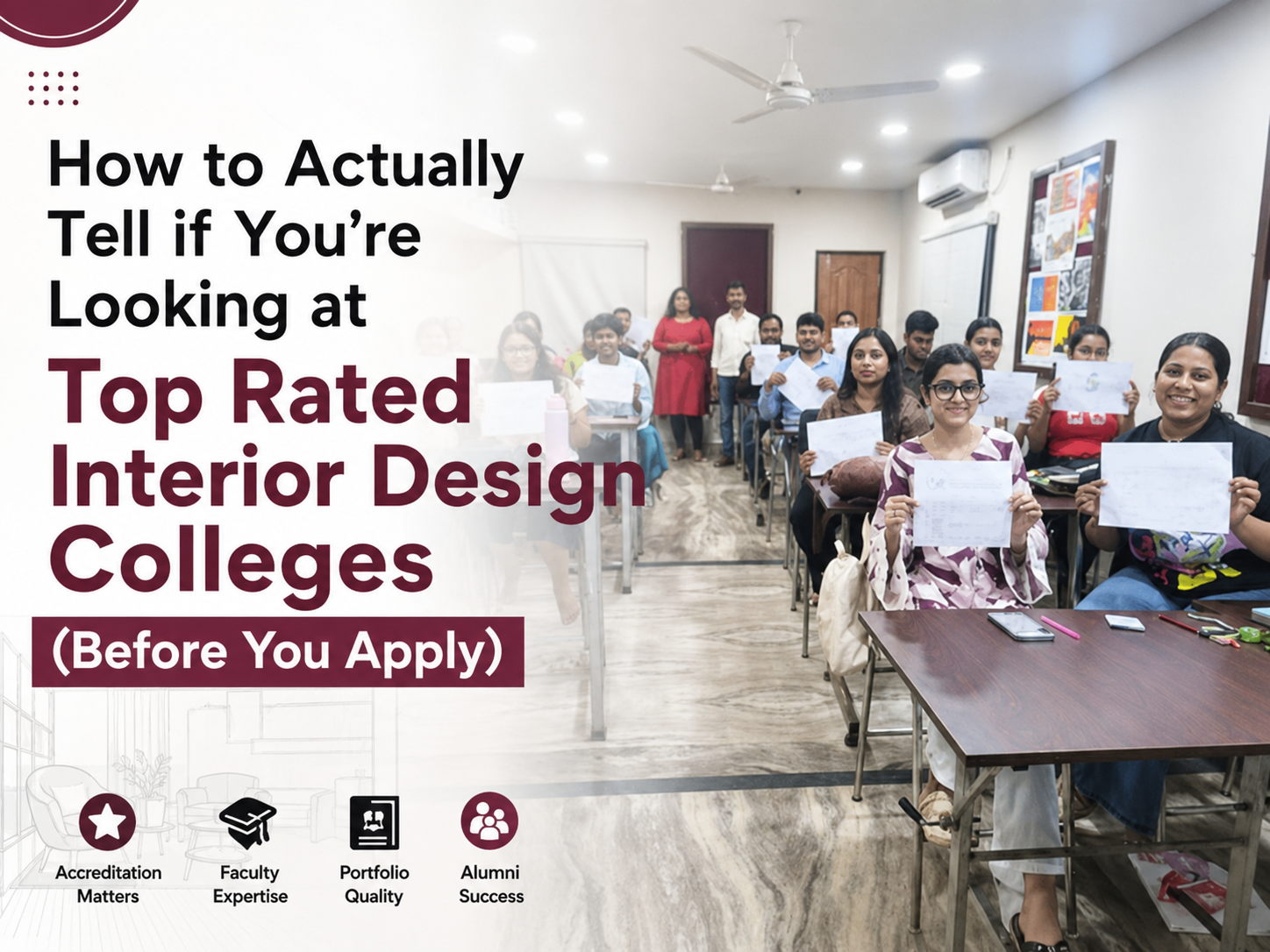
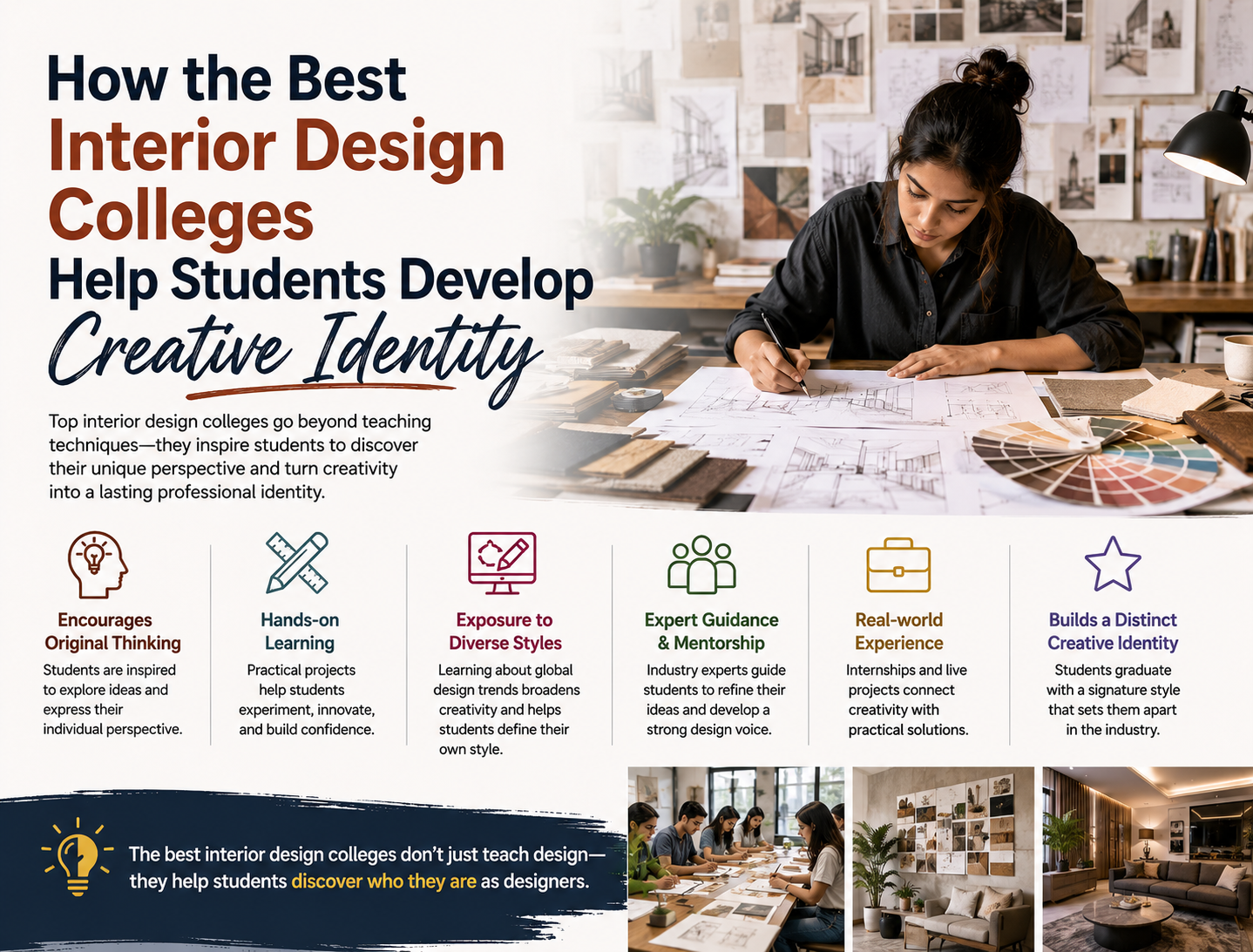
By mastering these tools and fundamental design concepts, students will be able to communicate ideas more clearly and produce better project results.
NIF Global Bhubaneswar emphasises the development of practical skills in addition to creative education, which is one of the reasons for this industry shift.
The Rise of Multidisciplinary Designers
Another trend is the demand for multi-skilled people.
Employers are seeking candidates with knowledge of:
• Design thinking
• Technology platforms
• Business objectives
• Consumer behaviour
These are multidisciplinary skills that enable designers to add value to their roles.
As industries become increasingly connected, designers who can integrate creative and technical aspects have more career opportunities.
Why Students Should Develop Both Skill Sets
Today’s creative industry students need more than just creative ability.
They can develop creative and technical skills that will help them:
• increase their employability
• adapt flexibly to changes in the industry.
• Build stronger portfolios
• Improve their problem-solving abilities
• Expand their career opportunities.
This balanced approach is one of the hallmarks of a successful modern-day designer.
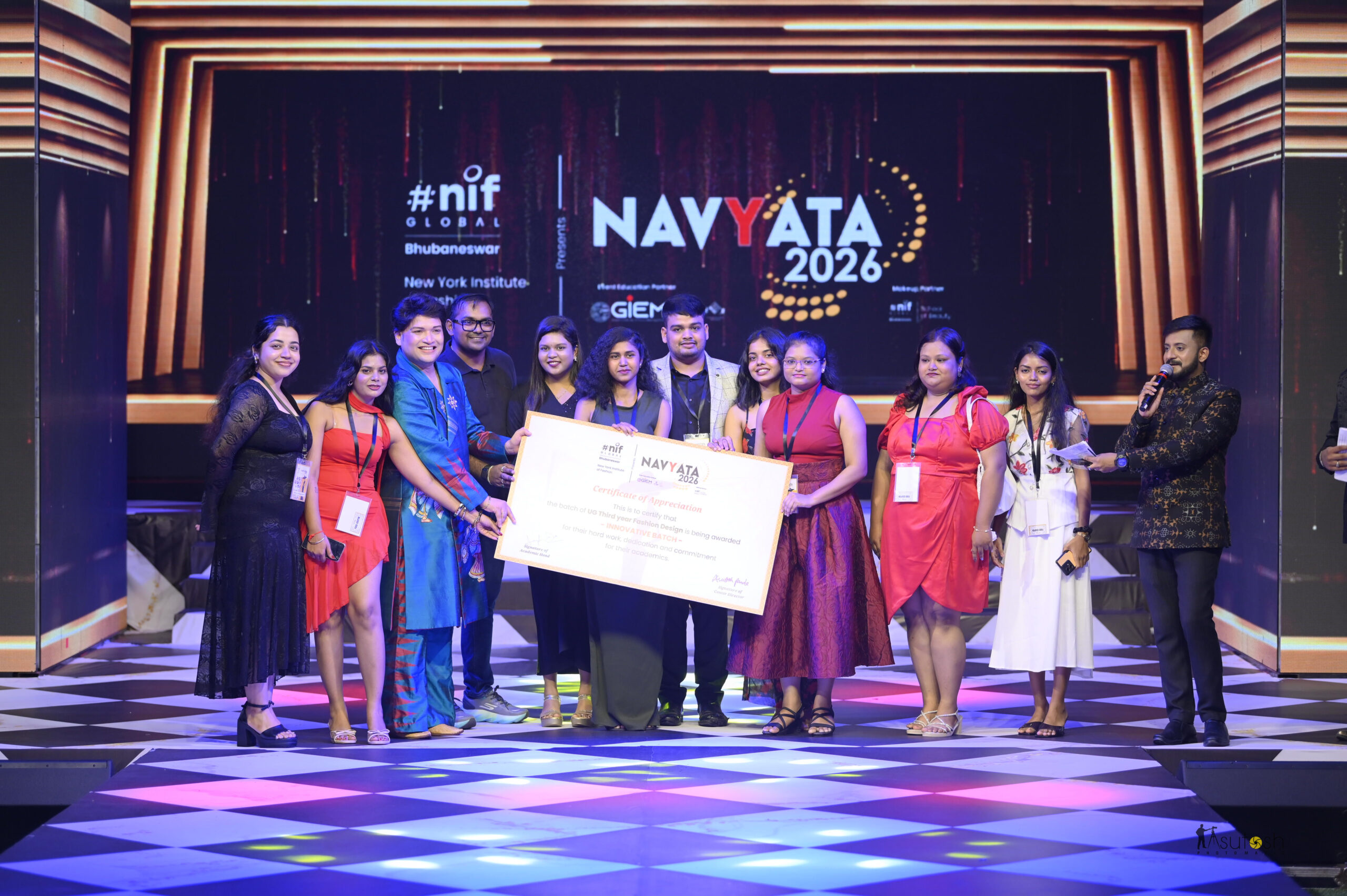
The focus on industry-relevant education at NIF Global Bhubaneswar equips students with the flexibility to adapt to the ever-changing world of design.
How NIF Global Bhubaneswar Prepares Future Designers
NIF Global Bhubaneswar recognises that design is not just a traditional creative process.
The institution concentrates on:
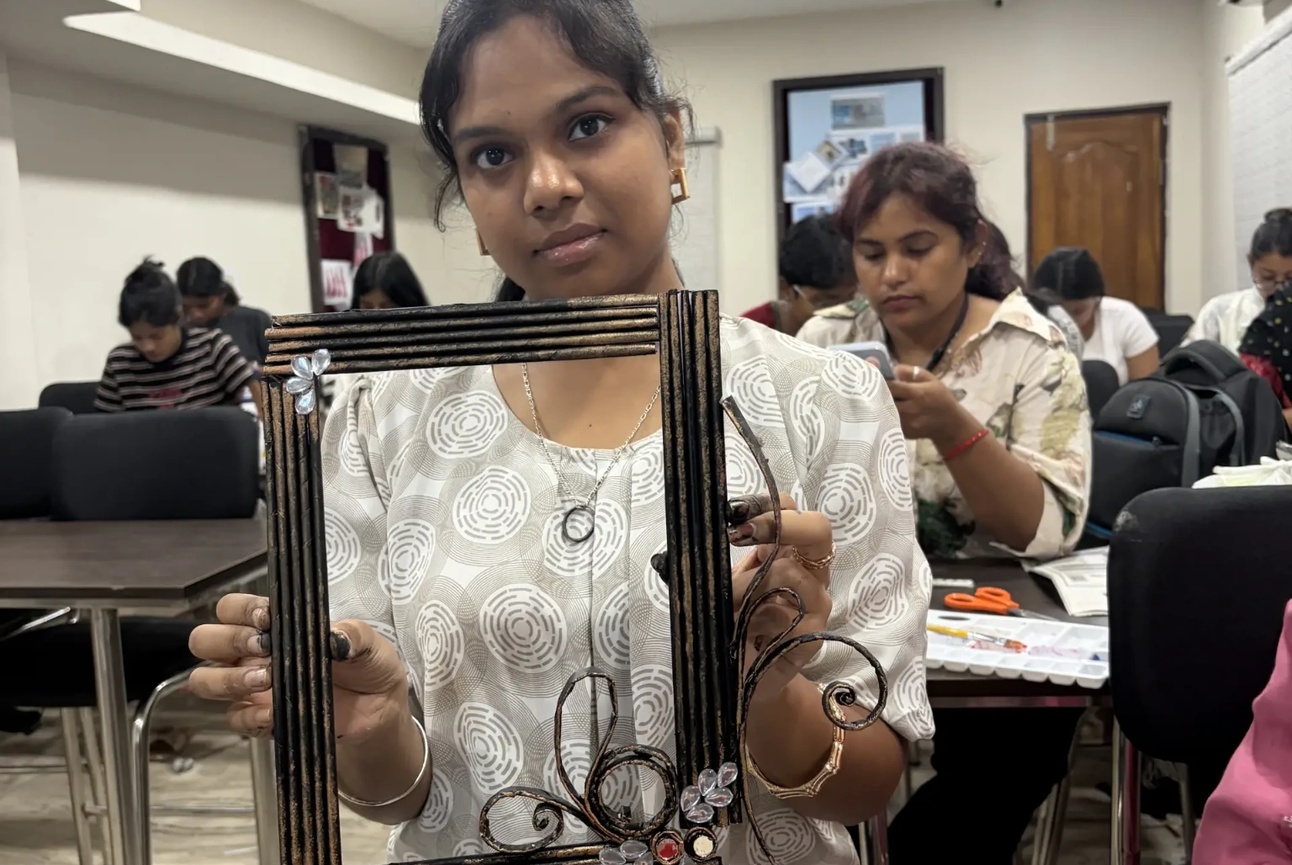
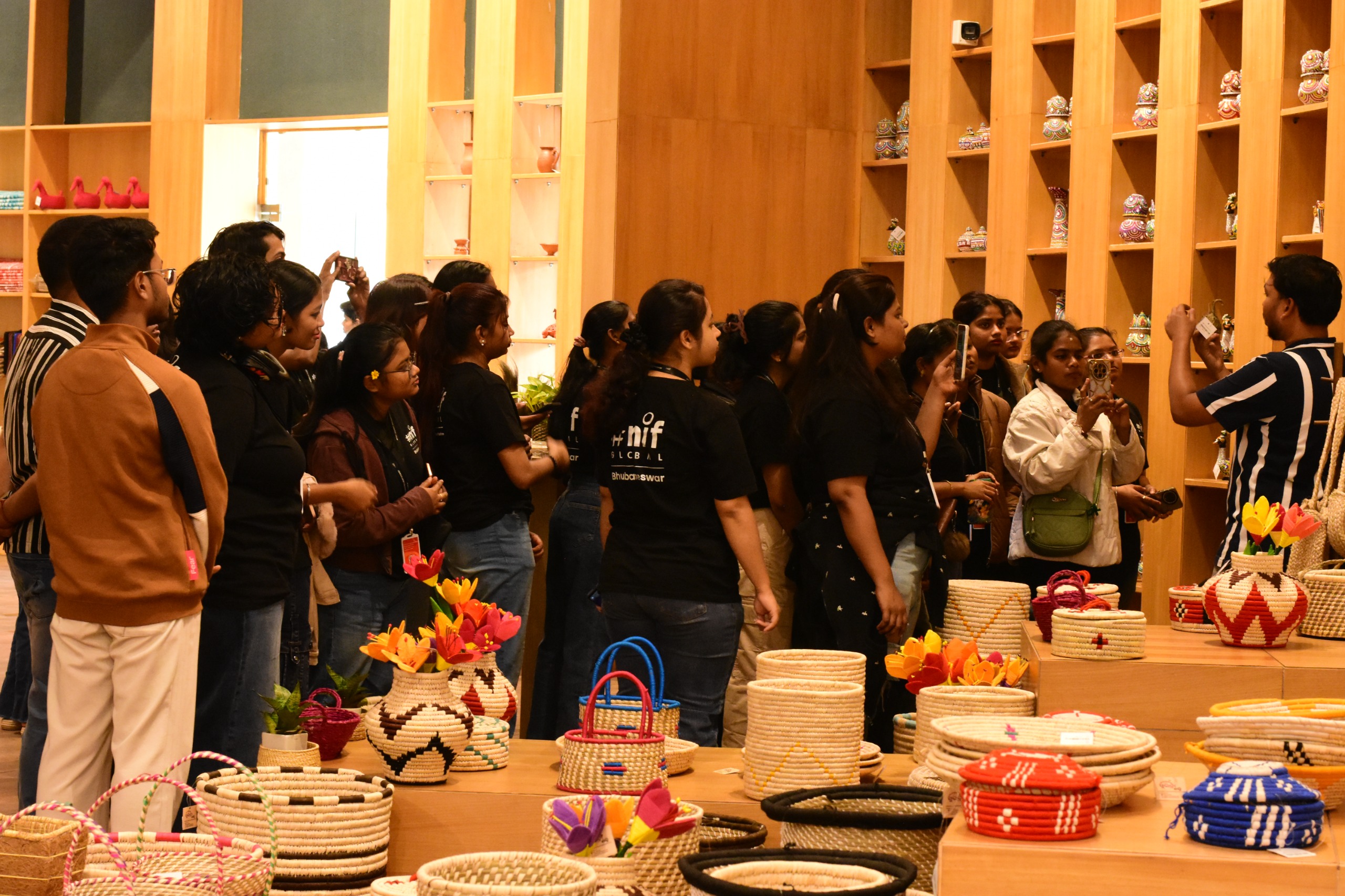
• Practical learning experiences
• Industry-oriented curriculum
• Portfolio development
• Technology integration
• Creative skill enhancement
Students will use creativity, up-to-date design techniques, and industry knowledge to prepare themselves for the demands of today’s employers.
This will give graduates the confidence to enter the workforce with the relevant skills for a tech-savvy world.
Conclusion
The future of design lies with those who can combine creativity and technology. While artistic vision remains the foundation of great design, technical skill is also required to bring ideas from concept to execution.
In an era of constant industry change, employers seek designers who can adapt, innovate and are comfortable using current tools and technologies. Students will acquire creative and technical skills that will give them a long-term competitive advantage in a rapidly changing marketplace.
Frequently Asked Questions (FAQs)
Why is technology becoming important in design careers?
Technology helps designers visualize concepts, improve workflows, communicate ideas effectively, and meet modern industry requirements.
Can technology replace creativity in design?
No. Technology supports and enhances creativity, but original ideas, innovation, and artistic thinking remain essential components of successful design.
What industries require designers to understand technology?
Fashion design, interior design, graphic design, digital media, product design, and many other creative industries increasingly rely on technology-driven workflows.
How does NIF Global Bhubaneswar prepare students for modern design careers?
NIF Global Bhubaneswar combines creative education, practical training, portfolio development, and exposure to industry-relevant tools to help students build well-rounded skill sets.
Why are employers looking for designers with both creative and technical skills?
Designers who understand both creativity and technology can adapt more easily, collaborate effectively, solve problems efficiently, and contribute throughout the entire design process.