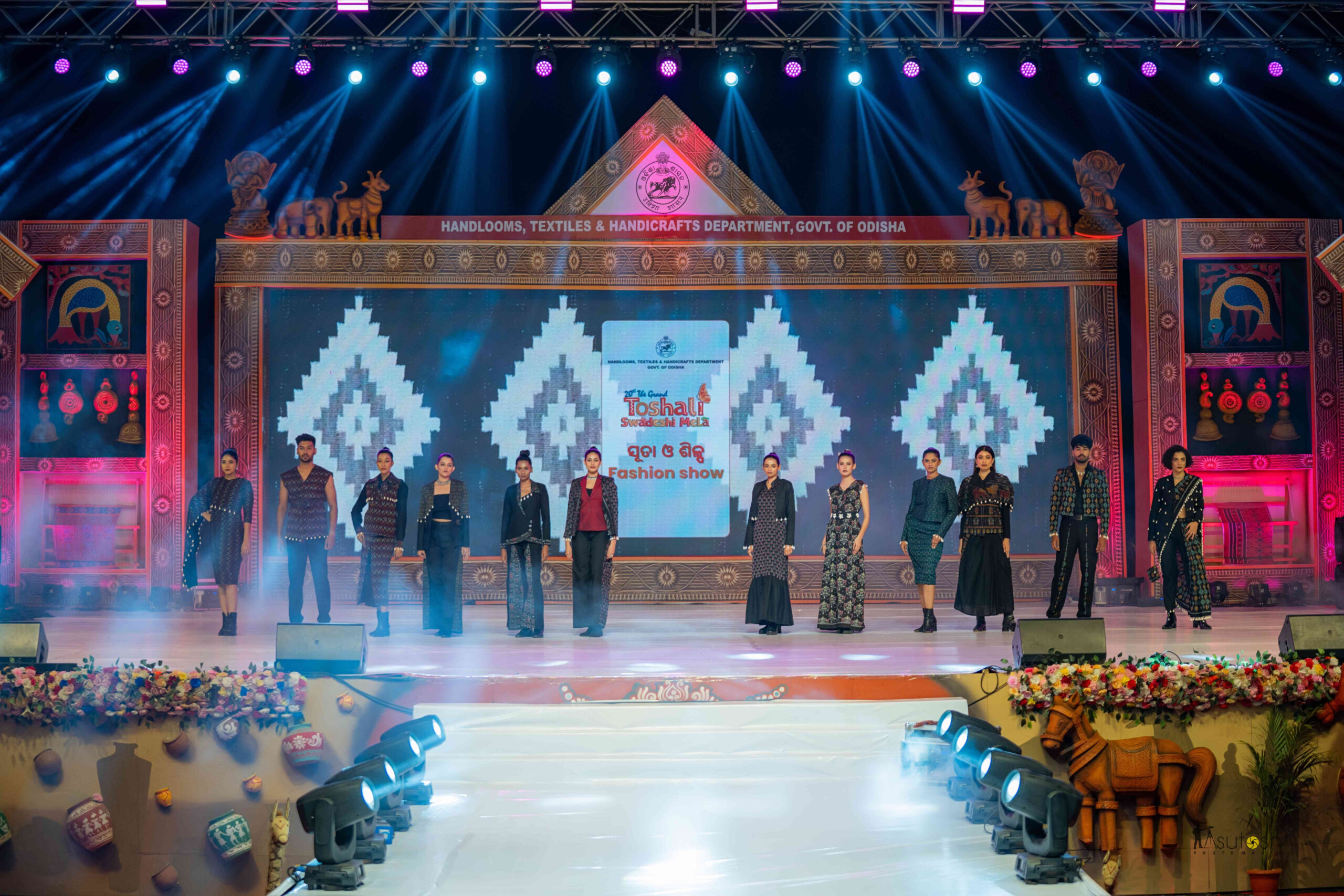
When people hear the term fashion designer, they often imagine runway shows, beautiful outfits and creative sketches. But fashion designing involves much more than creating attractive clothes.
A fashion designer takes an idea and develops it into a complete design—from researching trends and selecting fabrics to creating sketches, developing samples and working on the final garment.
For students interested in fashion designing as a career, understanding what a fashion designer actually does can help them decide whether this profession is right for them.
What Does a Fashion Designer Do?
A fashion designer creates and develops clothing, accessories or fashion collections based on trends, customer requirements, market demand or their own creative vision.
Their work can involve:
• Researching fashion trends
• Creating design concepts
• Making fashion illustrations
• Selecting fabrics and colours
• Developing patterns
• Creating samples
• Working with tailors and manufacturers
• Fitting and modifying garments
• Developing complete collections
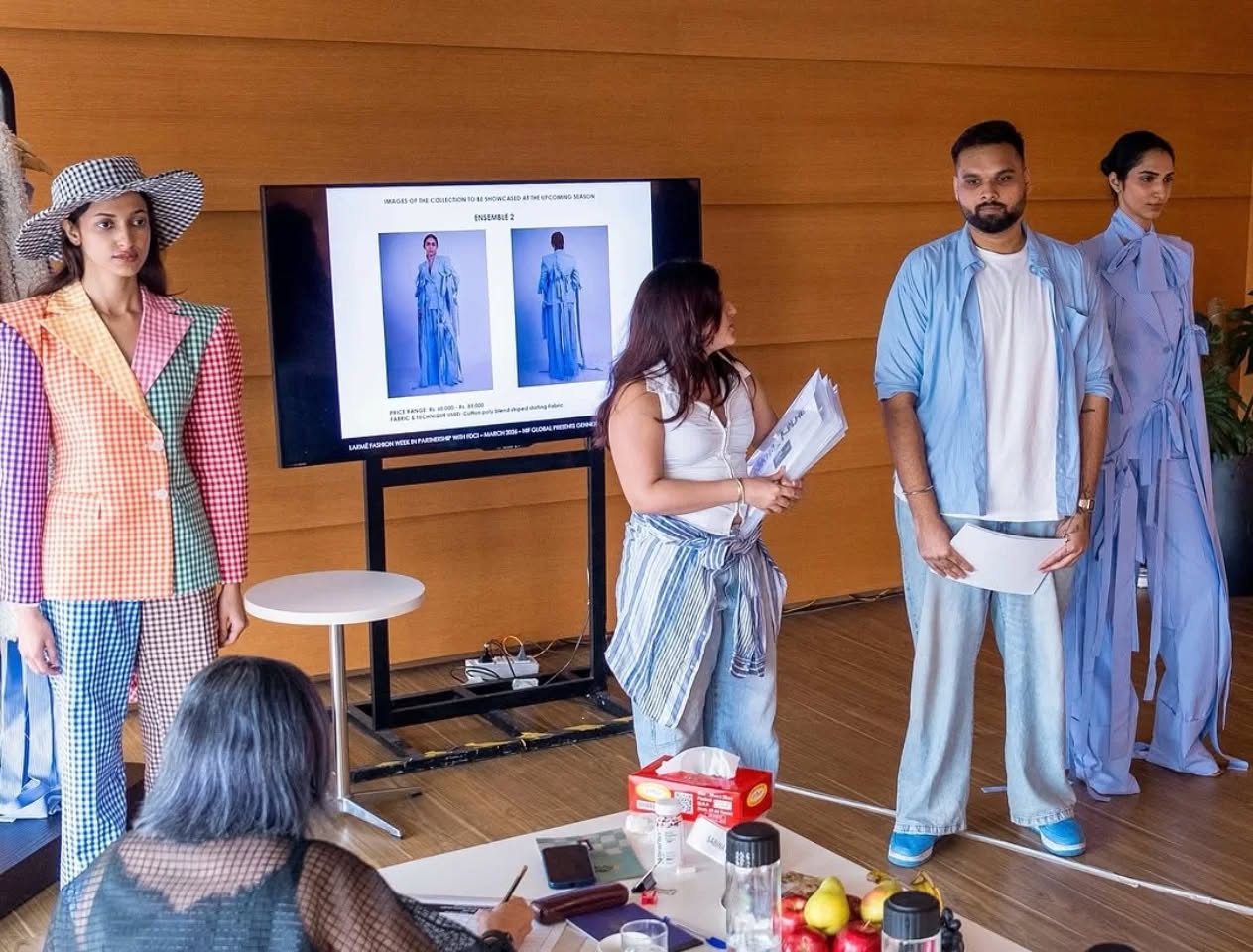
• Presenting designs to clients or brands
The exact responsibilities depend on whether the designer works for a fashion brand, design studio, manufacturer or their own label.
Roles and Responsibilities of a Fashion Designer
1.Fashion Research and Trend Analysis
Before creating a collection, designers research current and upcoming trends.
They may study colours, fabrics, silhouettes, consumer preferences, cultural influences and international fashion trends.
This research helps designers create collections that are both relevant and distinctive.
2.Creating Design Concepts
Once the research is complete, designers develop their ideas.
They may create mood boards, concept boards, colour palettes and initial sketches to communicate the direction of a collection.
3.Fashion Illustration
Fashion illustration is an important part of the design process.
Designers use sketches and digital tools to visualise garments before they are produced. These illustrations communicate details such as shape, colour, fabric and styling.
4.Fabric and Material Selection
The right fabric can completely change how a garment looks and feels.
Designers consider factors such as texture, weight, colour, comfort, durability and how the fabric will behave during construction.
5.Pattern Making and Garment Development
A design sketch needs to be converted into a wearable garment.
Fashion designers work with patterns, measurements, draping and construction techniques to develop samples and achieve the desired fit.
6.Fittings and Modifications
The first sample is rarely perfect.
Designers review the fit, construction and overall appearance and make changes where necessary. This process helps transform the initial concept into a finished garment.
7.Working with Different Teams
Fashion designers rarely work completely alone. They may collaborate with:
• Pattern makers
• Tailors
• Textile designers
• Fashion stylists
• Merchandisers
• Manufacturers
• Photographers
• Marketing teams
Good communication and teamwork are therefore important parts of the profession.
Skills Required to Become a Fashion Designer
Being creative is important, but professional fashion designers need a combination of creative, technical and business skills.
Creativity
Designers need to develop original ideas and create designs that have their own visual identity.
Fashion Illustration
The ability to communicate ideas through sketches and digital illustrations is an important design skill.
Technical Knowledge
Understanding pattern making, draping, garment construction and textiles helps designers turn concepts into finished garments.
Trend Awareness
Fashion changes continuously. Designers need to understand trends without simply copying them.
Communication
Designers regularly work with clients, teams, manufacturers and other professionals.
Problem-Solving
From fabric issues to fitting problems, designers often need to find practical solutions during the design and production process.
Digital Skills
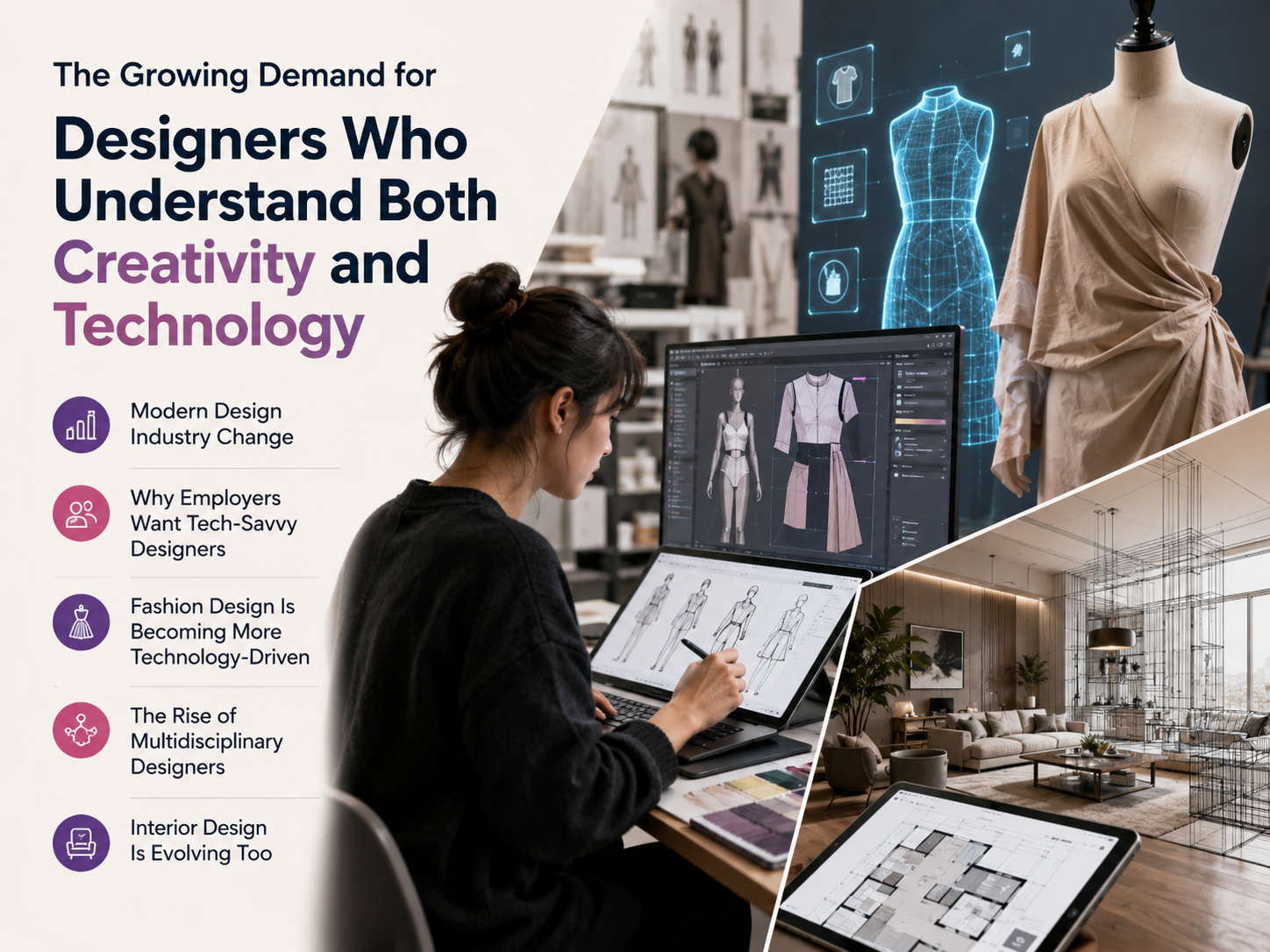
Modern fashion increasingly uses digital tools for design development, presentations and visualisation.
Where Can Fashion Designers Work?
A fashion design career can lead to opportunities across different parts of the fashion industry.
Fashion designers can work with:
• Fashion brands
• Apparel companies
• Design studios
• Textile companies
• Retail businesses
• Export houses
• Fashion magazines and media
• Film and entertainment industries
• Independent fashion labels
Some professionals also work as freelancers or establish their own fashion businesses.
Career Opportunities Beyond Fashion Designer
Studying fashion design does not mean you have to become only a fashion designer.
The skills developed through fashion education can lead to several career options, including:
• Fashion Stylist
• Fashion Illustrator
• Textile Designer
• Fashion Merchandiser
• Visual Merchandiser
• Fashion Consultant
• Fashion Entrepreneur
• Trend Researcher
• Fashion Production Professional
This variety makes fashion design career opportunities broader than many students initially expect.
How to Become a Fashion Designer After 12th?
Students interested in becoming fashion designers can pursue a professional fashion design course after 12th.
A good course should provide a balance of creative and technical learning, including:
• Fashion illustration
• Textile studies
• Pattern making
• Draping
• Garment construction
• Design development
• Styling
• Digital fashion design
• Portfolio development
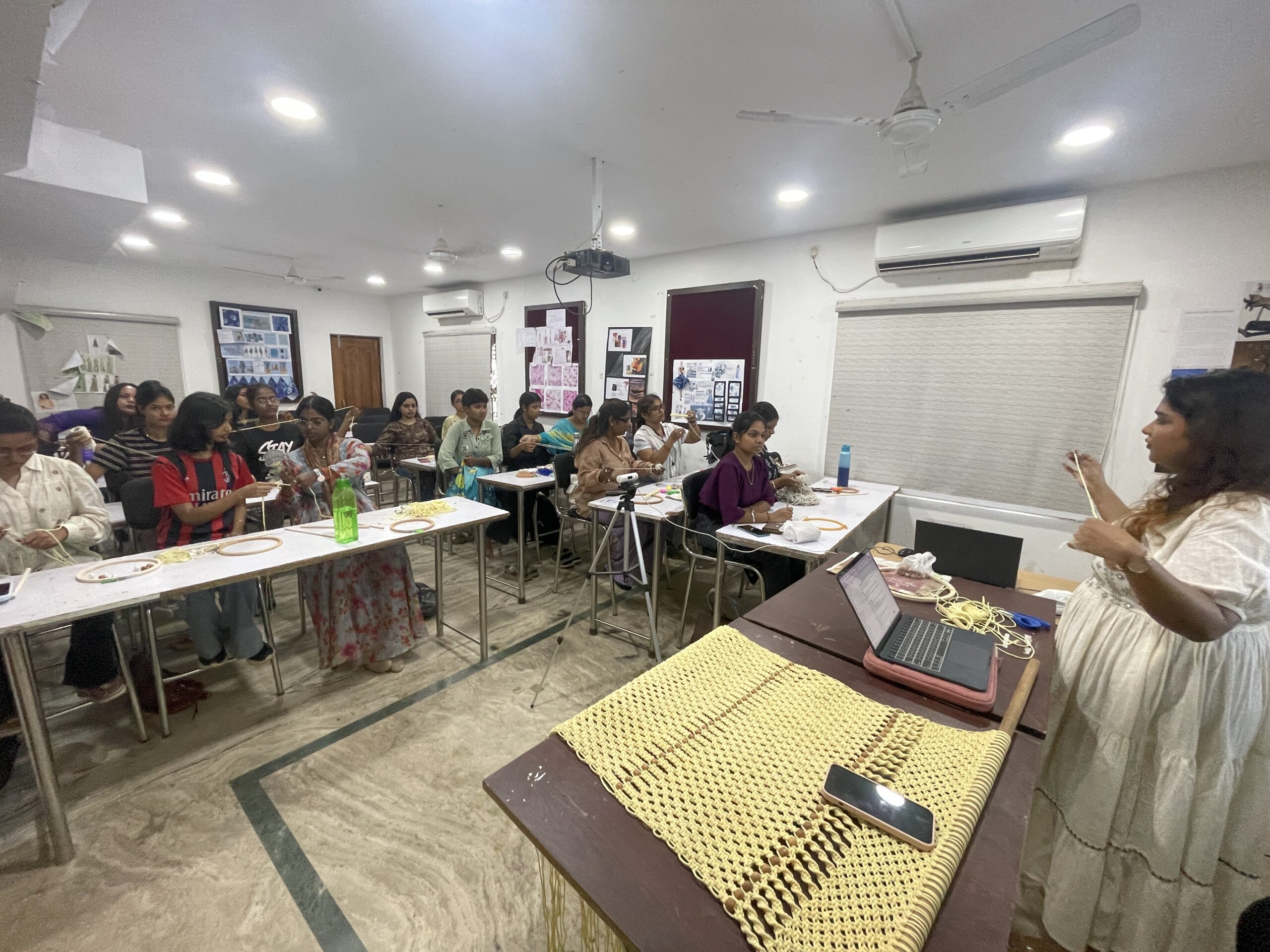
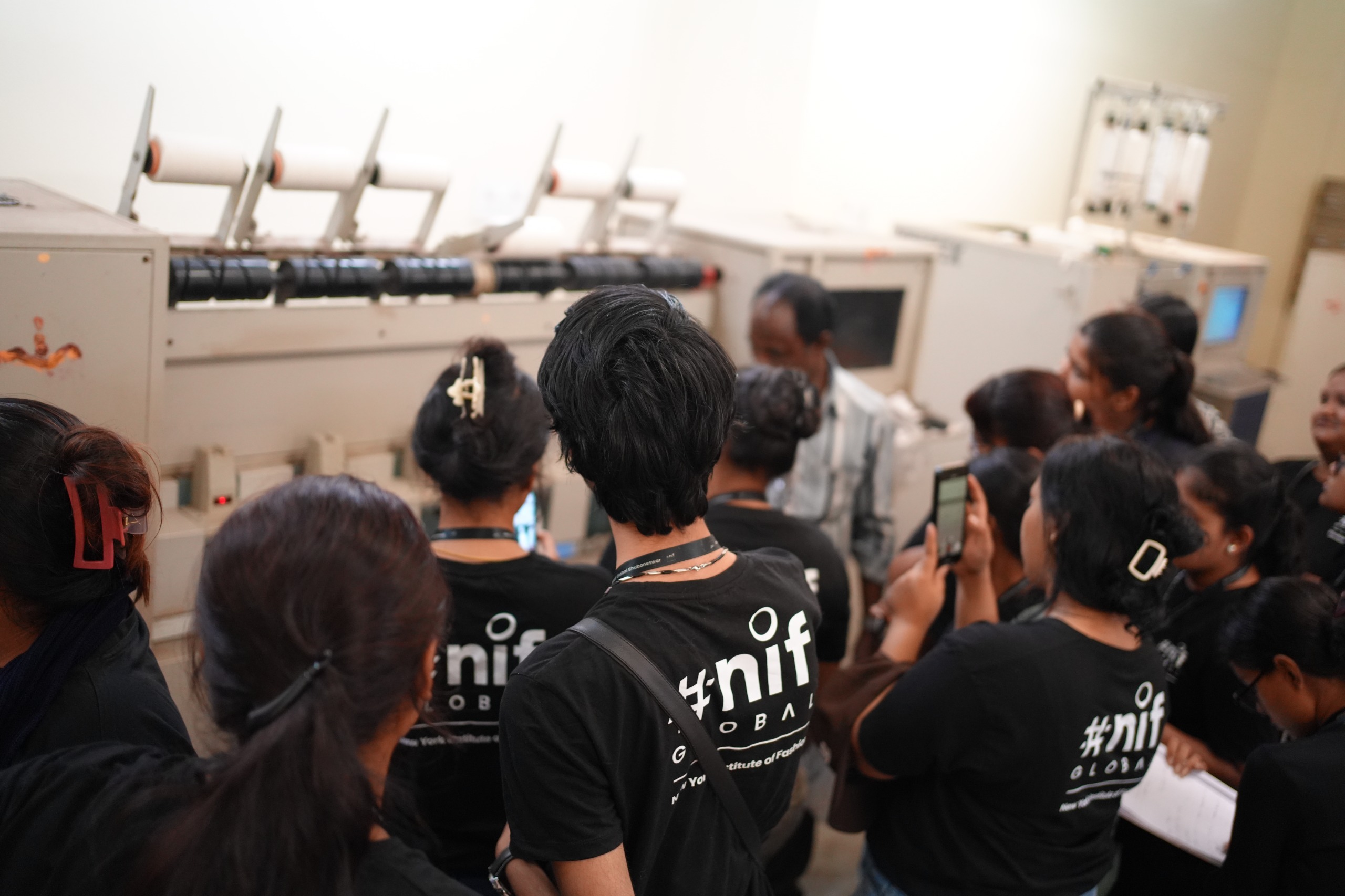
Practical exposure is equally important. Students should look for opportunities to work on projects, develop collections and build a portfolio during their education.
Why Choose NIF Global Bhubaneswar?
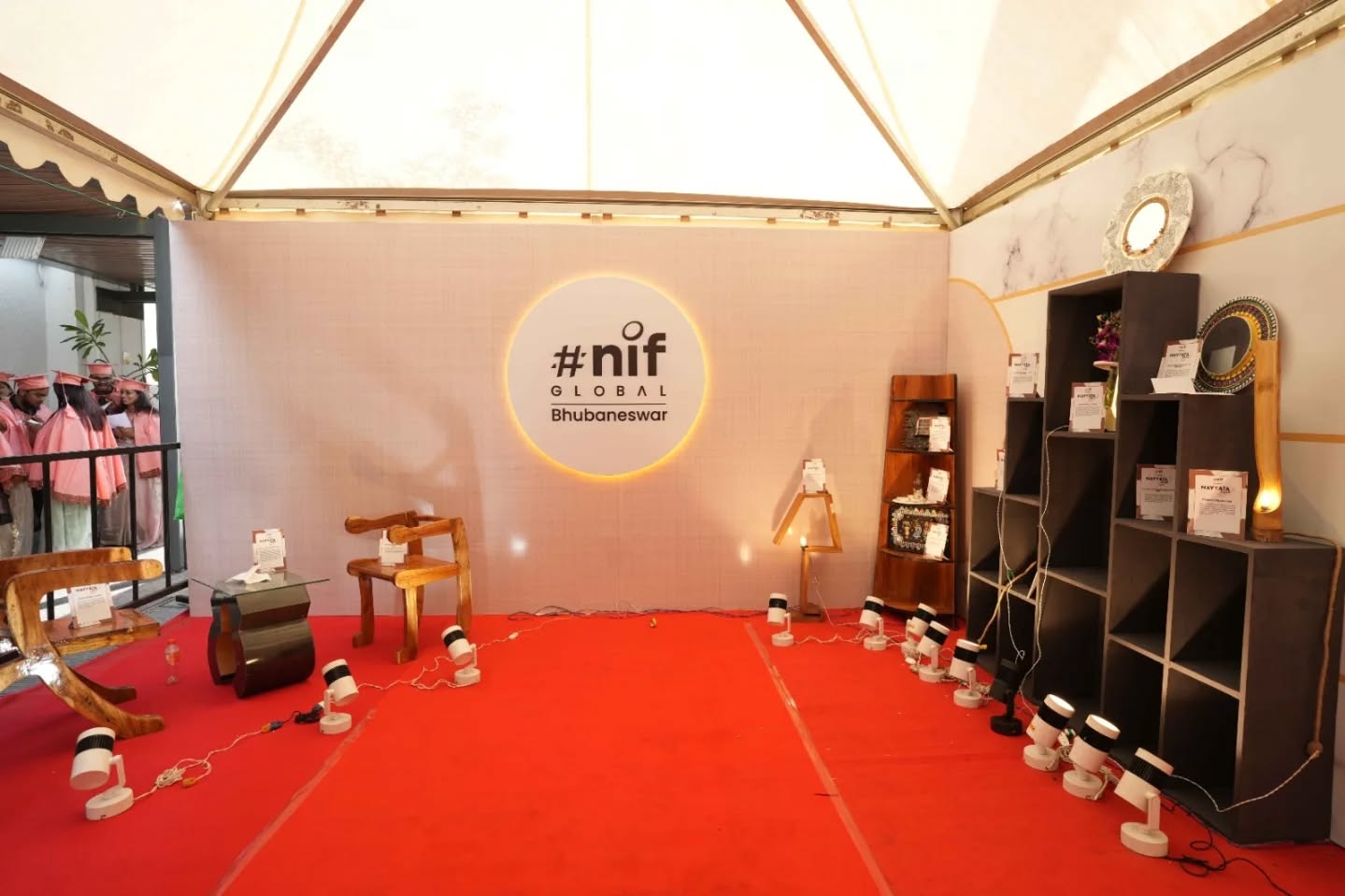
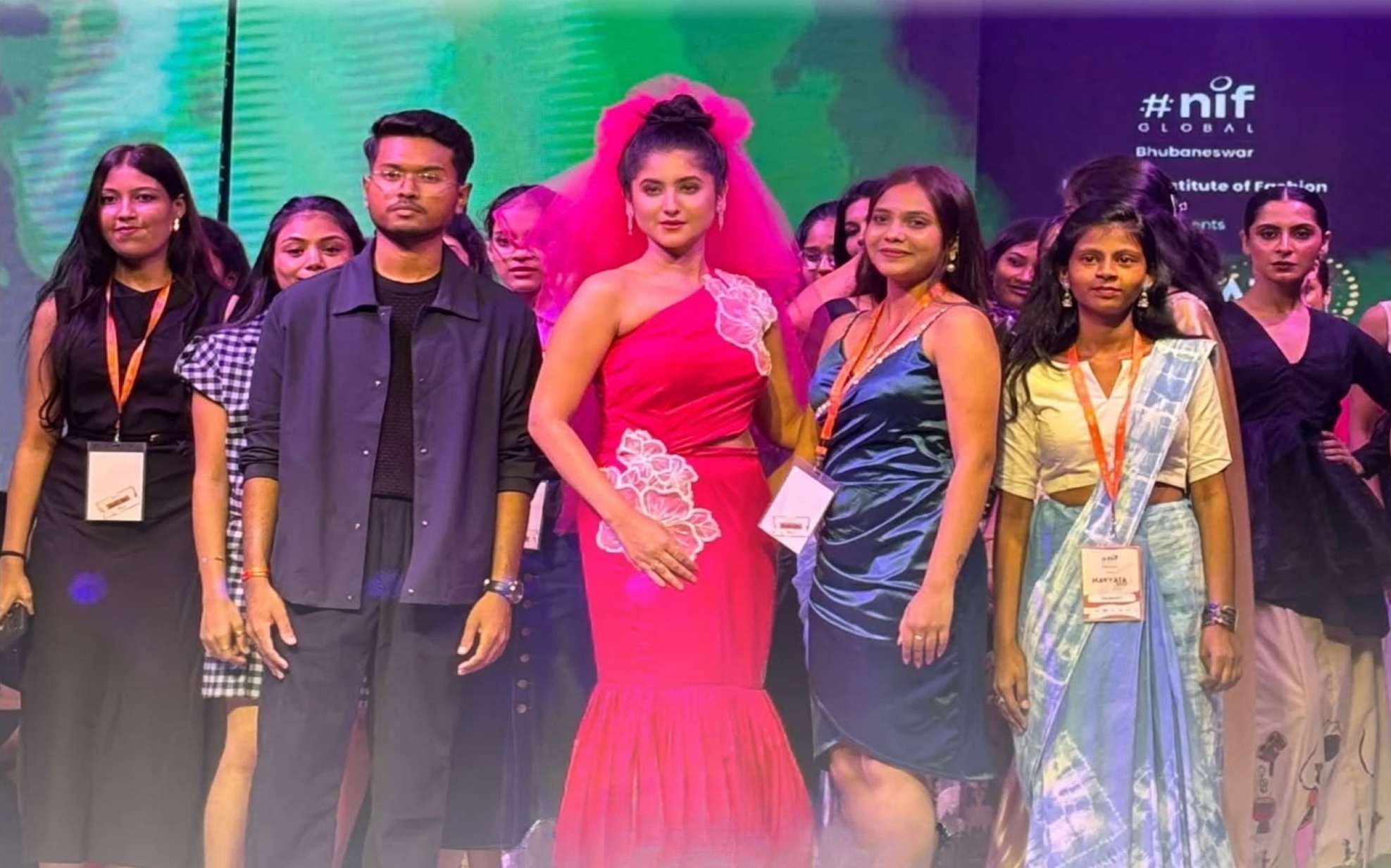
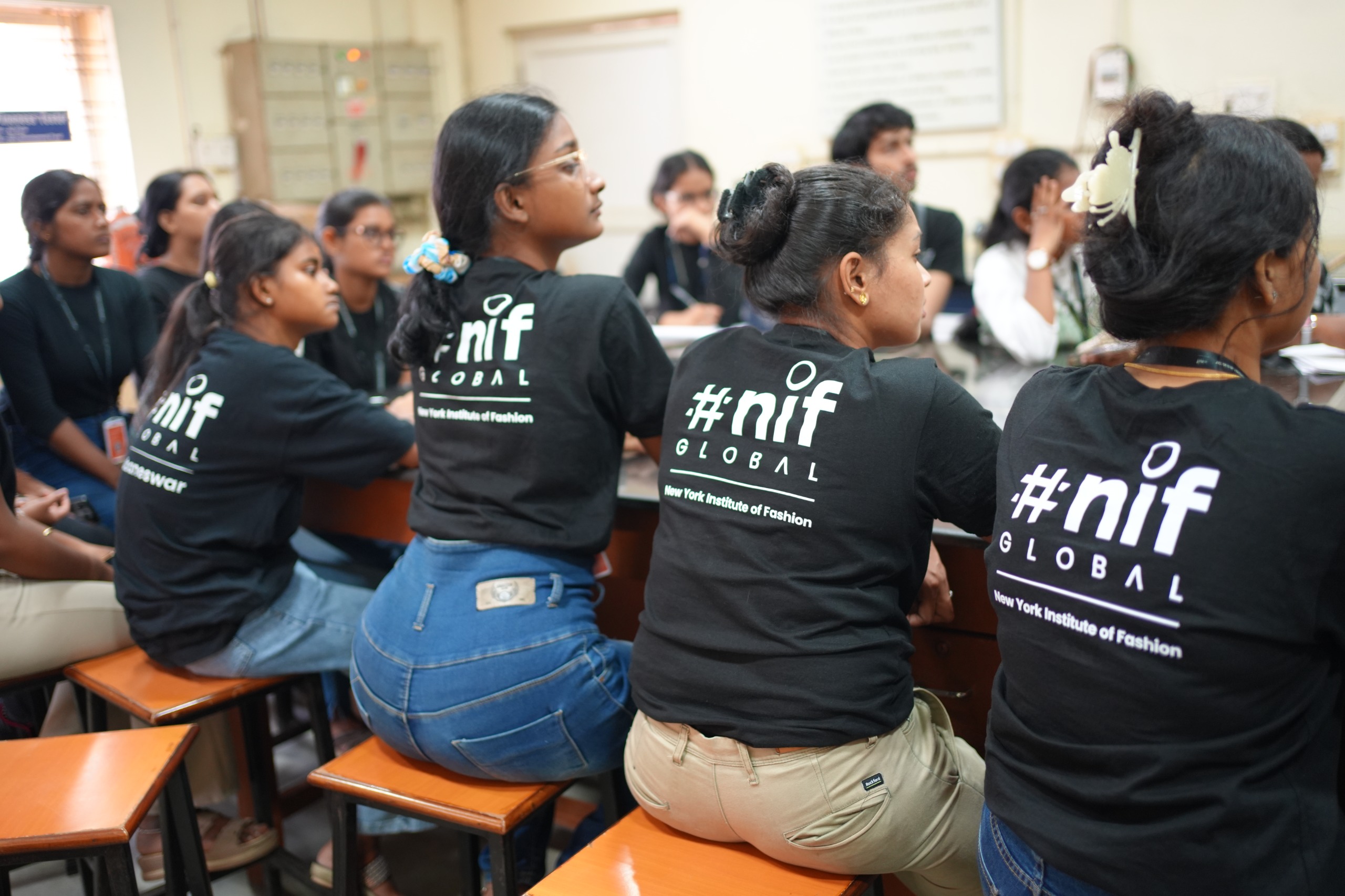
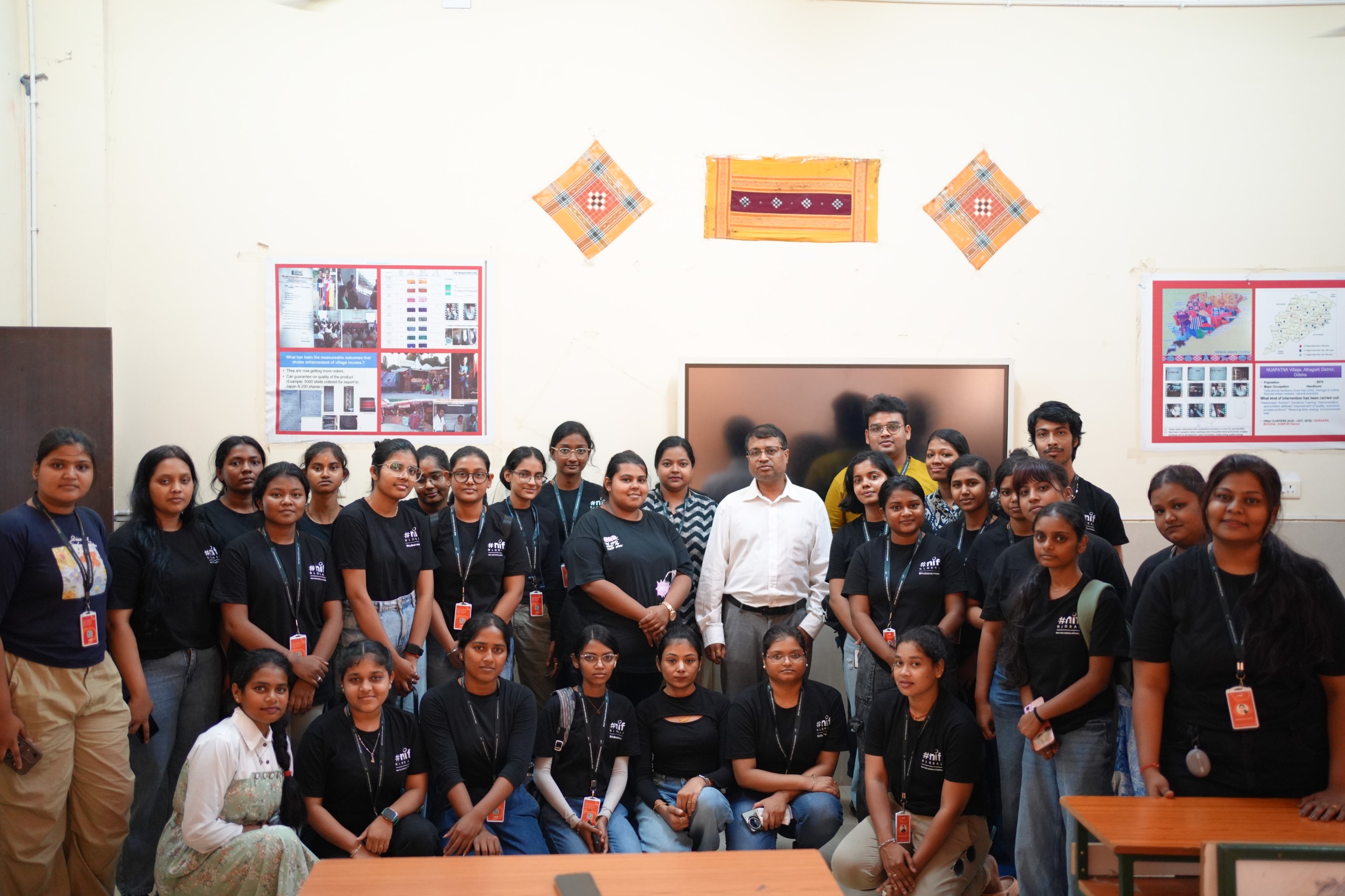
For students looking for a fashion design course in Bhubaneswar, NIF Global Bhubaneswar offers multiple fashion-design programmes designed to develop creative and technical skills.
The institute’s fashion programmes include different pathways from foundation and advanced programmes to specialisation and degree-level options. Its curriculum focuses on areas such as fashion design, garment construction, textiles, pattern making and digital design.
Practical learning and portfolio development can help students understand how their classroom knowledge connects with professional fashion work.
The Future of Fashion Designing
Fashion is continuously evolving with technology, sustainability and changing consumer behaviour. Future opportunities are emerging in areas such as:
• Sustainable fashion
• Digital fashion
• 3D design
• Fashion technology
• E-commerce
• Independent fashion brands
• Fashion content and media
For aspiring designers, continuous learning and adaptability will be important as the industry changes.
Is Fashion Designing the Right Career for You?
Fashion designing can be a good career choice if you:
• Enjoy creativity and visual design
• Love experimenting with colours and fabrics
• Are interested in fashion trends
• Enjoy hands-on work
• Have attention to detail
• Like solving creative problems
• Want to work in a dynamic industry
However, fashion is not only about glamour and runway shows. It requires patience, technical knowledge, deadlines, teamwork and continuous practice.
Final Thoughts
So, what does a fashion designer do?
A fashion designer researches, plans, sketches, develops and refines designs to create clothing or fashion collections. Their work combines creativity, technical knowledge, communication and problem-solving.
For students planning fashion designing after 12th, the right education can provide the foundation needed to develop these skills and explore different career paths in the fashion industry.
Whether your goal is to work with a fashion brand, become a stylist, develop your own label or explore another area of fashion, a strong combination of skills, practical experience and portfolio development can help you take the next step.
Frequently Asked Questions
1.What does a fashion designer do every day?
A fashion designer may research trends, develop concepts, create sketches, select fabrics, work on patterns, review samples, attend fittings and coordinate with production teams.
2.What skills are needed to become a fashion designer?
Important skills include creativity, fashion illustration, textile knowledge, pattern making, garment construction, communication, trend awareness and problem-solving.
3.Can I become a fashion designer after 12th?
Yes. Students can pursue professional fashion design courses after completing 12th and develop the creative and technical skills required for the industry.
4.What are the career options after a fashion design course?
Career options include Fashion Designer, Fashion Stylist, Fashion Illustrator, Textile Designer, Fashion Merchandiser, Costume Designer, Visual Merchandiser and Fashion Entrepreneur.
5.Is fashion designing a good career in India?
Fashion designing can be a rewarding career for students who enjoy creativity, design and practical work. Opportunities are available across fashion brands, retail, textiles, media, styling and entrepreneurship.
6.Is drawing necessary to become a fashion designer?
Drawing and fashion illustration are useful skills because they help designers communicate ideas. However, fashion designing also involves technical knowledge, textiles, construction, digital tools and design thinking.
7.Why is a portfolio important for a fashion designer?
A portfolio showcases a designer’s creativity, design process, technical skills and completed projects. It can be useful when applying for internships, jobs or presenting work to clients.
8.Where can I study fashion design in Bhubaneswar?
Students looking for a fashion designing institute in Bhubaneswar can compare institutes based on their curriculum, practical training, faculty, infrastructure, portfolio development and industry exposure before choosing a course.