The world of fashion education is changing rapidly. The industry is now much more dynamic and technology-oriented than it was when it was primarily focused on sketching, garment construction, and textile knowledge. Today’s fashion students are entering a world defined by AI, digital fashion tools, social media influence and creator-driven branding.
Fashion designers are no longer just expected to create attractive clothing. They are also expected to understand digital storytelling, online branding, trend forecasting, audience engagement, and technology-driven design processes.
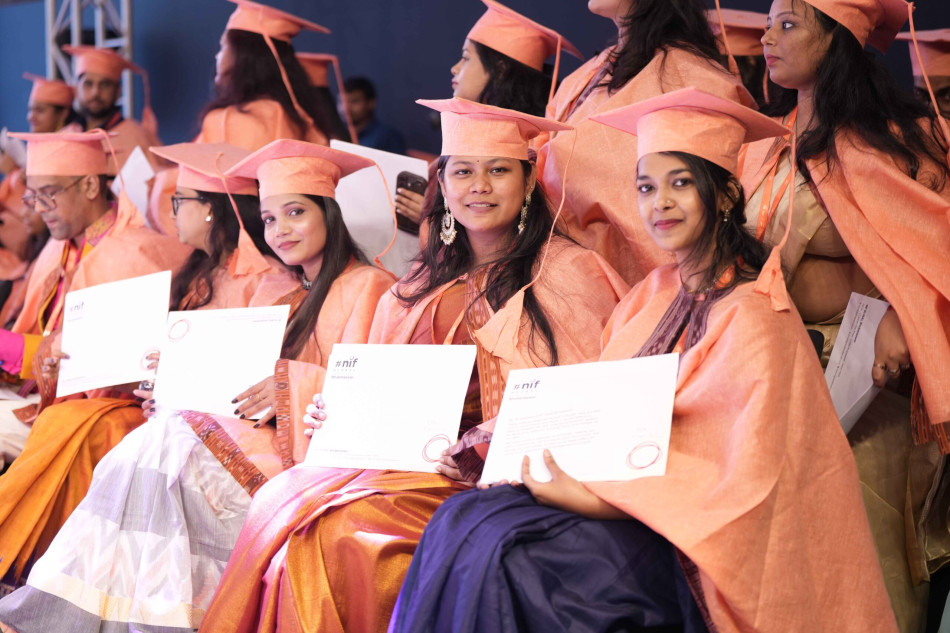
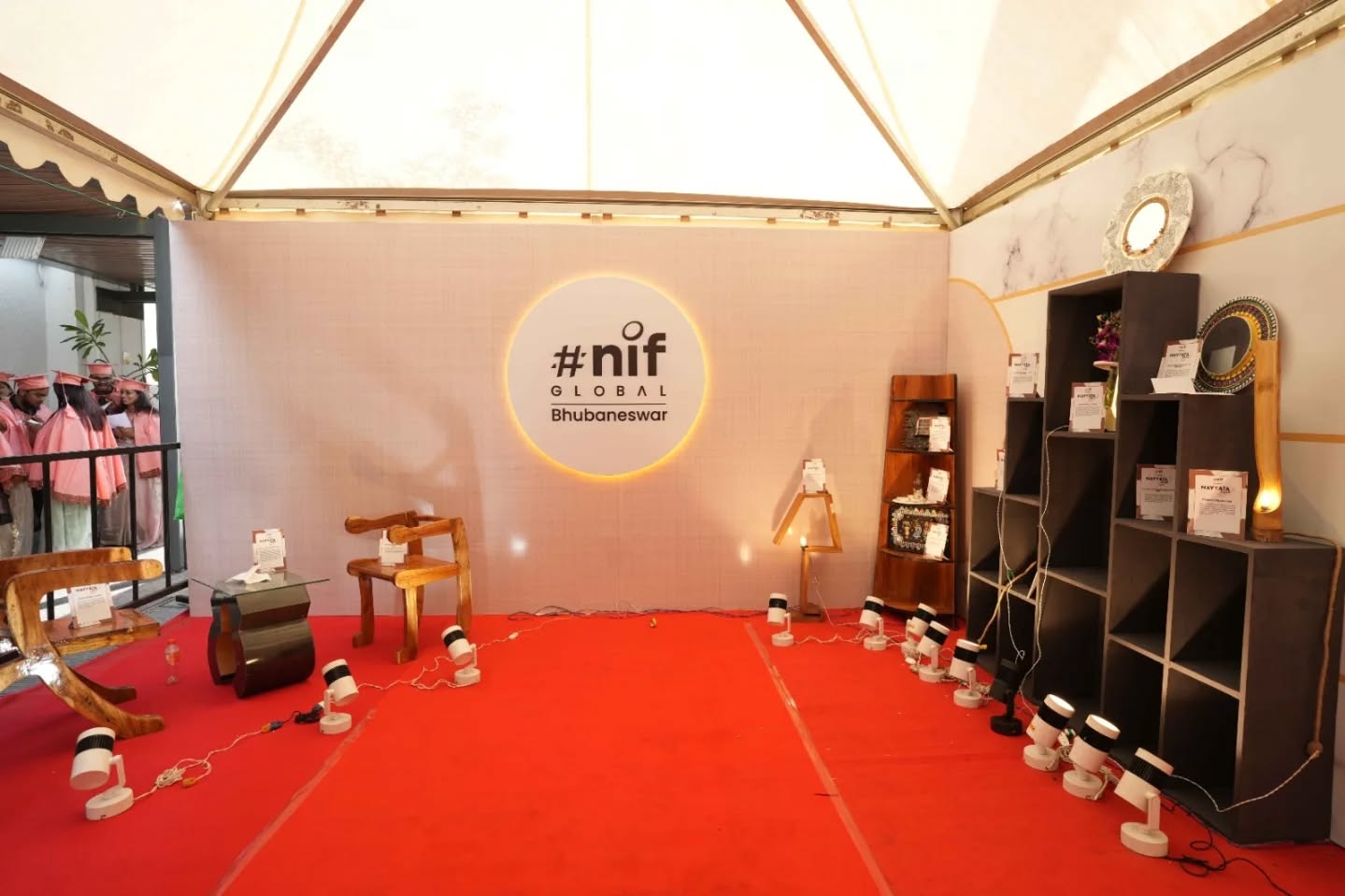
This shift is transforming fashion education for today’s students. Schools and colleges such as NIF Global Bhubaneshwar are contributing to this transformation by training students to adapt to these changes in the industry and preparing them for a new era of fashion that combines creativity, technology and digital communication.
Fashion Education Is No Longer Limited to Traditional Design Skills
For many years, fashion education was based on:
● Sketching techniques
● Pattern making
● Sewing skills
● Fabric studies
● Garment construction
While these are still the fundamentals, today’s fashion careers demand many more skills.
The following are some of the things today’s students should learn:
● Digital design software
● Social media branding
● Fashion content creation
● Consumer behaviour
● E-commerce trends
● AI-assisted creative tools
This change reflects the development of the fashion industry itself. Today’s fashion is not just about making products. It’s also about creating online communities, visual experiences, and digital identities.
How AI Is Influencing Fashion Education
The use of artificial intelligence is becoming increasingly important in the creative sector, including fashion. AI tools are being used for the following:
● Trend forecasting
● Colour prediction
● Design inspiration
● Consumer analytics
● Digital visualisation
● Fashion recommendation systems
AI isn’t about replacing creativity; rather, it is helping designers work faster and make informed creative decisions. Today’s fashion students are being taught how to use technology to assist with the following:
● research processes
● mood board creation
● design experimentation
● pattern development
● fashion marketing strategies
At NIF Global Bhubaneshwar, students are introduced to the latest industry trends with the growing significance of technology in fashion careers in mind. Designers who can blend creativity with technology will be in high demand in the future fashion industry.
The Rise of Digital Fashion
One of the most prominent trends in fashion education today is digital fashion. Virtual garments, clothing concepts and styling, and 3D modelling are increasingly becoming part of the global fashion conversation.
Luxury brands and fashion companies are now experimenting with:
● virtual fashion collections;
● digital runway experiences;
● augmented reality fashion;
● metaverse-inspired fashion concepts;
● 3D garment simulations.
This will enable future fashion designers to collaborate not only with real fabrics, but also with digital creative spaces.
Today’s fashion students are encouraged to learn about:
● digital design tools
● 3D visualisation software
● fashion technology integration
● virtual creative presentation method
As the fashion industry constantly evolves in the digital realm, educational institutions must equip students with skills that go beyond traditional fashion careers.
Social Media Has Changed the Fashion Industry Completely
There’s no doubt that social media has had a much greater impact on fashion education than any other factor. Popular platforms include:
● TikTok
● YouTube
have revolutionised the way fashion trends are created and shared around the world.
Today, fashion designers are expected to have knowledge and skills in the following areas:
● Visual storytelling
● Content creation
● Personal branding
● Audience engagement
● Trend responsiveness
Nowadays, designers often build personal audiences before launching brands. In light of this change, students in the fashion industry are now being taught technical design skills alongside communication and branding skills. Visibility on the internet can be as important as design in the modern fashion world.
Fashion Students Are Becoming Creators and Entrepreneurs
The creator economy has opened up new career opportunities in fashion. Today’s fashion students are no longer restricted to traditional fashion roles. Many now aspire to become:
● independent designers
● fashion content creators
● digital stylists
● boutique brand founders
● social media fashion influencers
This entrepreneurial shift is transforming the way students learn about fashion.
Students are no longer just interested in job opportunities, but also in:
● Brand building
● Online marketing
● Consumer engagement
● Fashion photography
● E-commerce strategies
This modern approach to education is reflected at NIF Global Bhubaneshwar, where students are equipped with industry-relevant skills in line with current fashion business trends.
Why Adaptability Matters More Than Ever
In today’s world, fashion is constantly changing, and trends are accelerating due to digital media and global online influences. This is why modern fashion students need to be highly flexible.
Future designers are likely to have to:
● Get up to speed with new technologies regularly
● Understand how consumer needs and preferences are evolving
● Use digital tools for various tasks
● Develop an individual creative identity
● Blend creativity and business sense
In the future, talent alone will no longer suffice in fashion.
Those who will be successful will be those who can balance:
● Creativity
● Technology
● Branding
● Innovation and digital communication.
Fashion Education Is Becoming More Industry-Focused
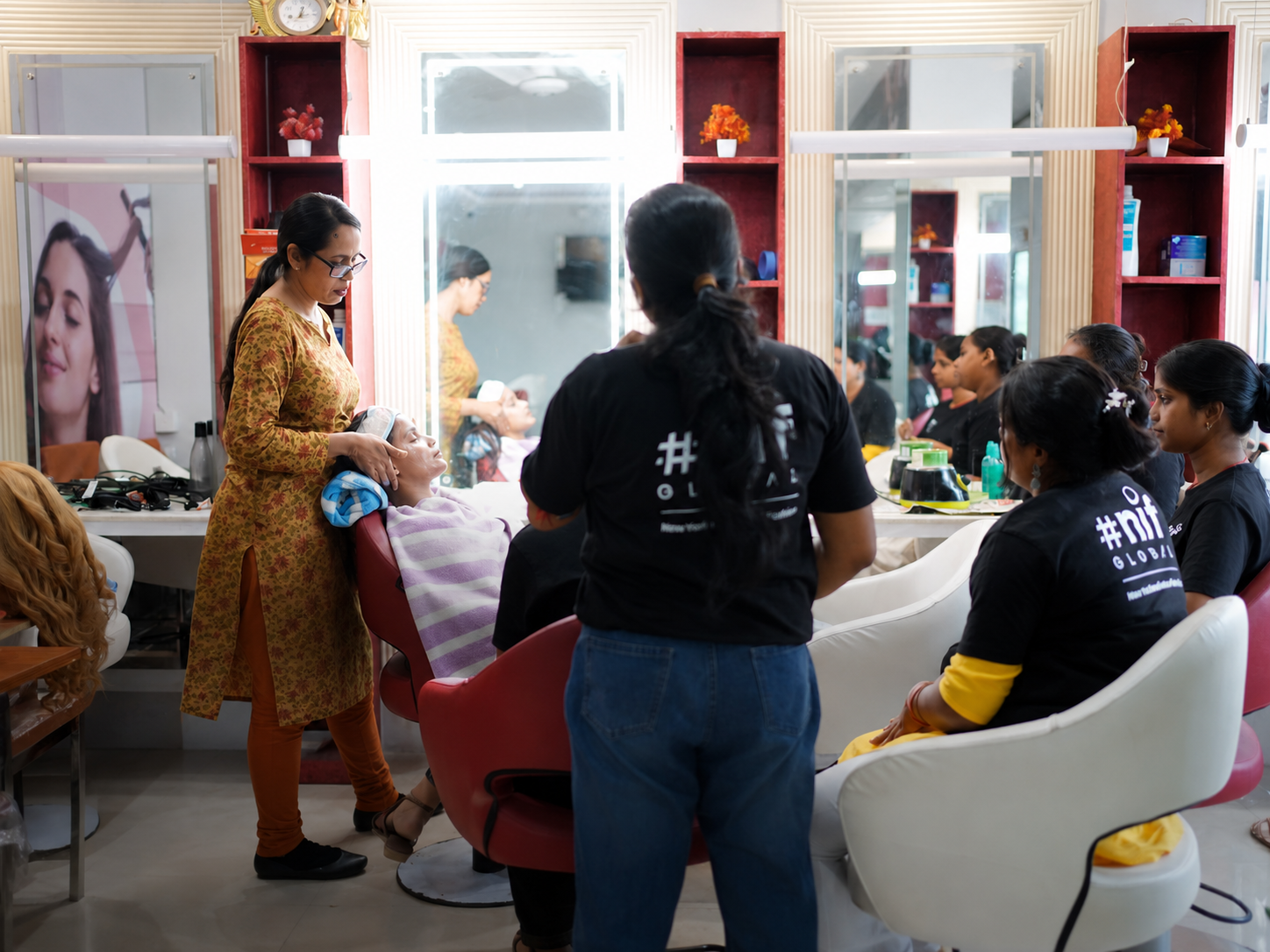
An increasing number of fashion schools are focusing on preparing students for the workplace rather than just the classroom.
This includes exposure to:
● Industry projects
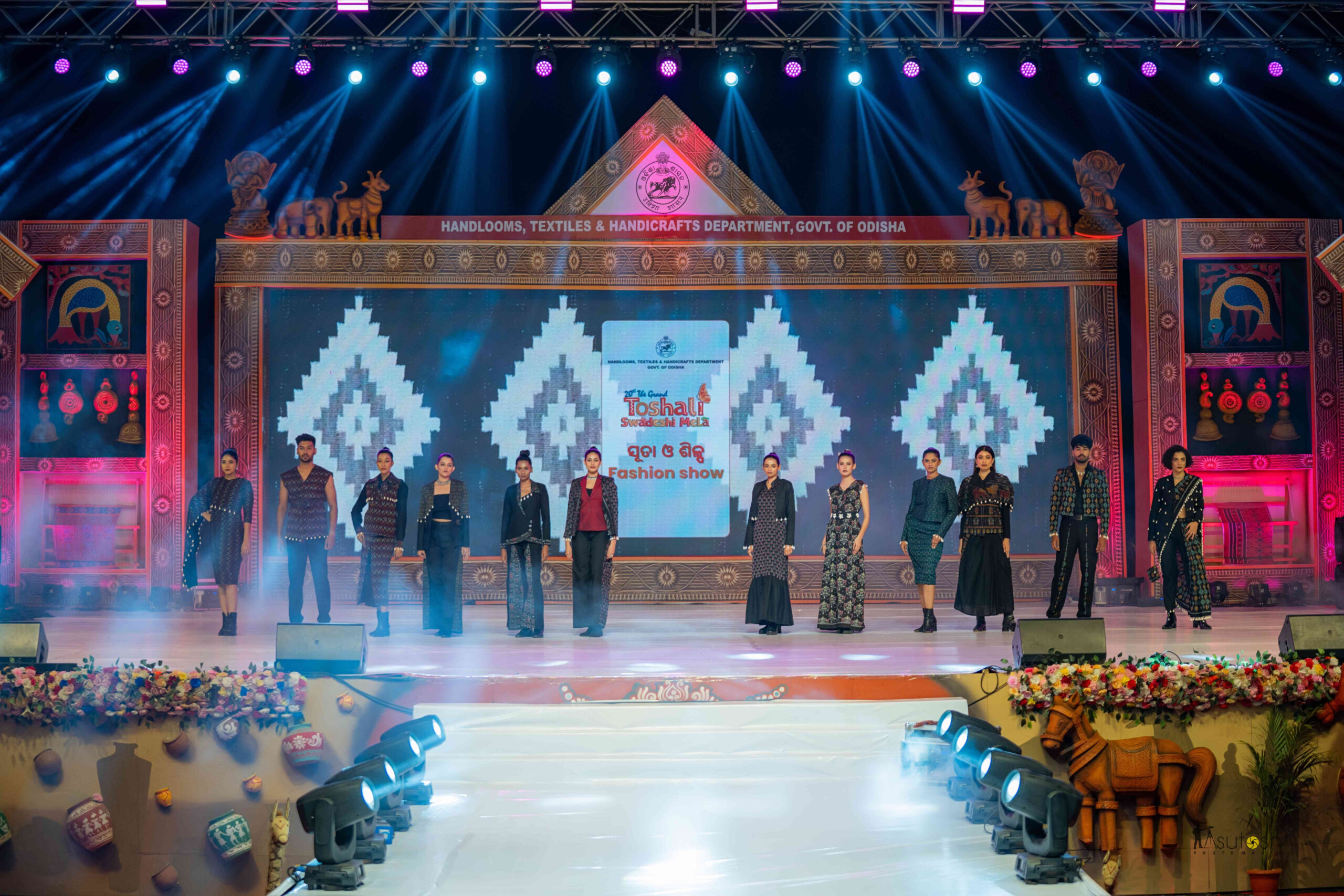
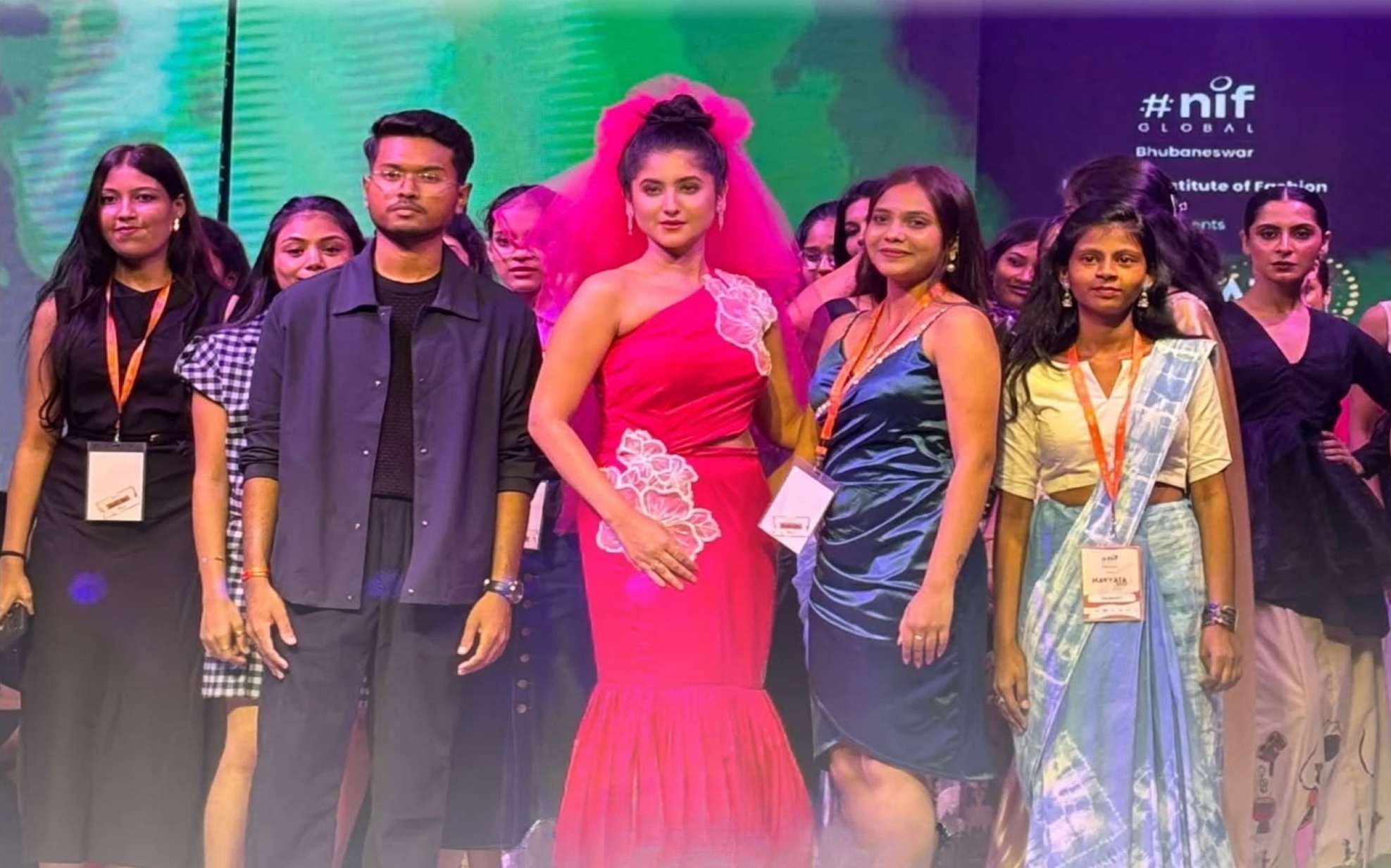
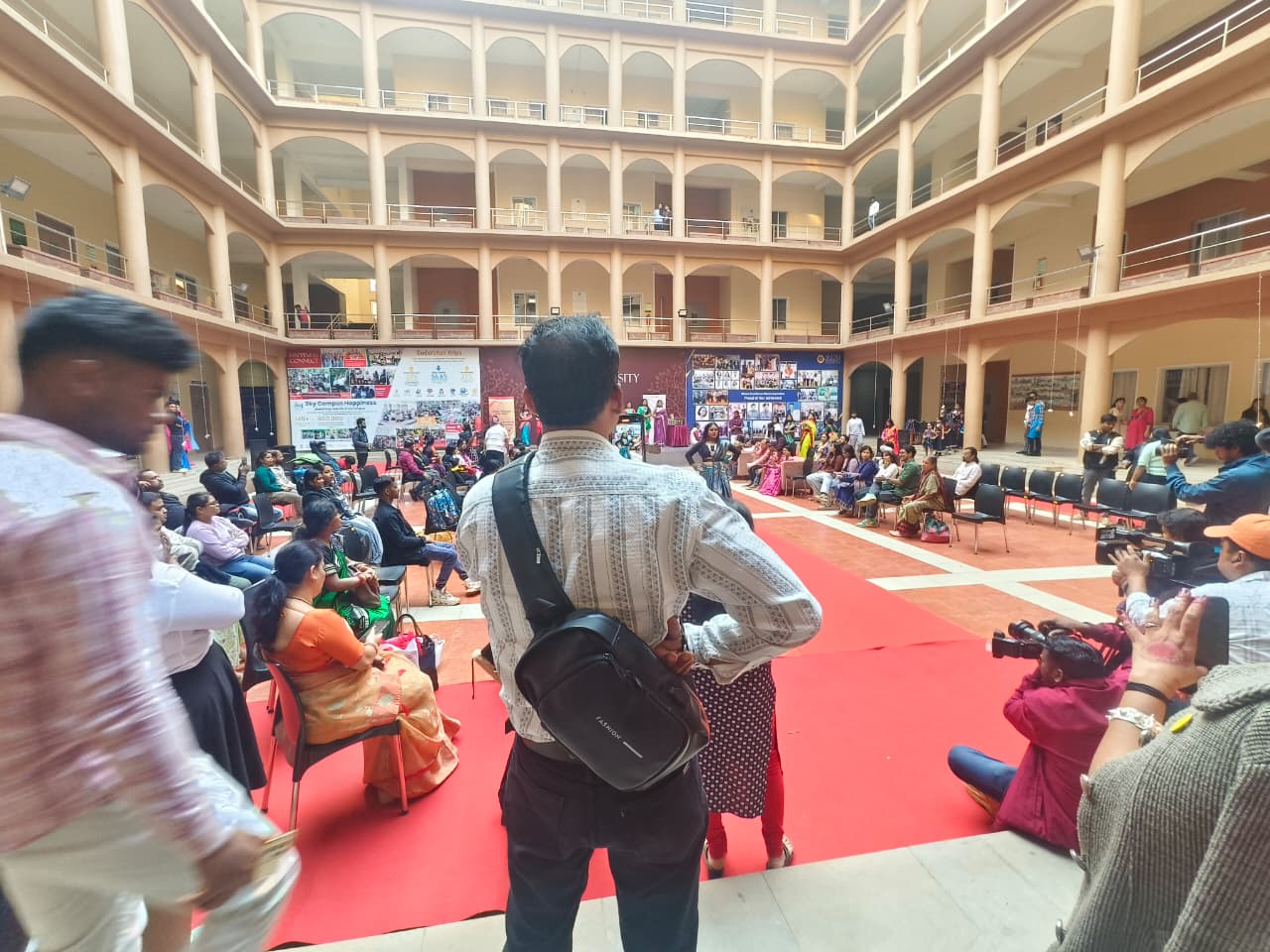
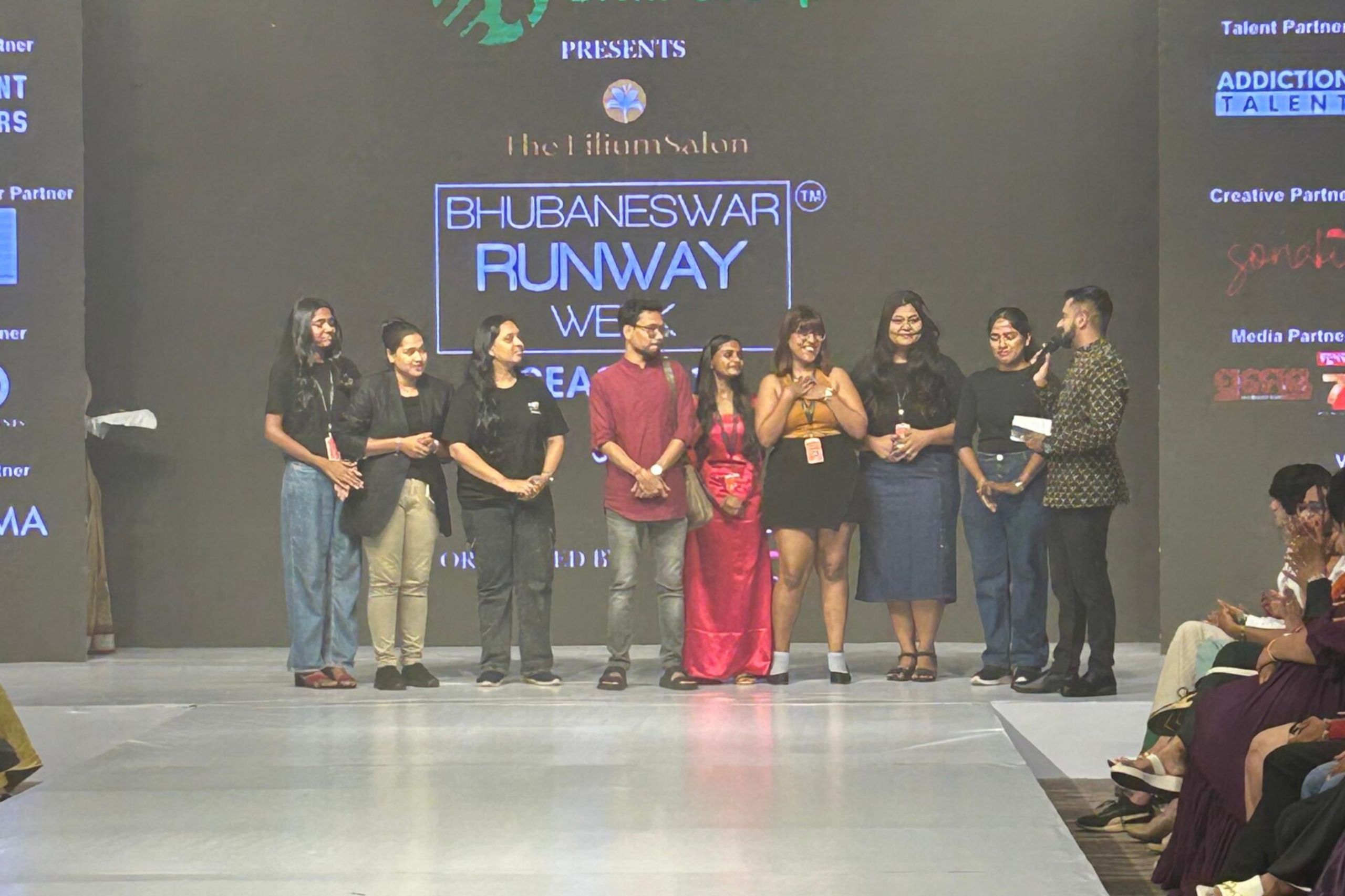
● Fashion shows
● Portfolio development
● Trend analysis
● Digital creative tools
● Brand presentation skills
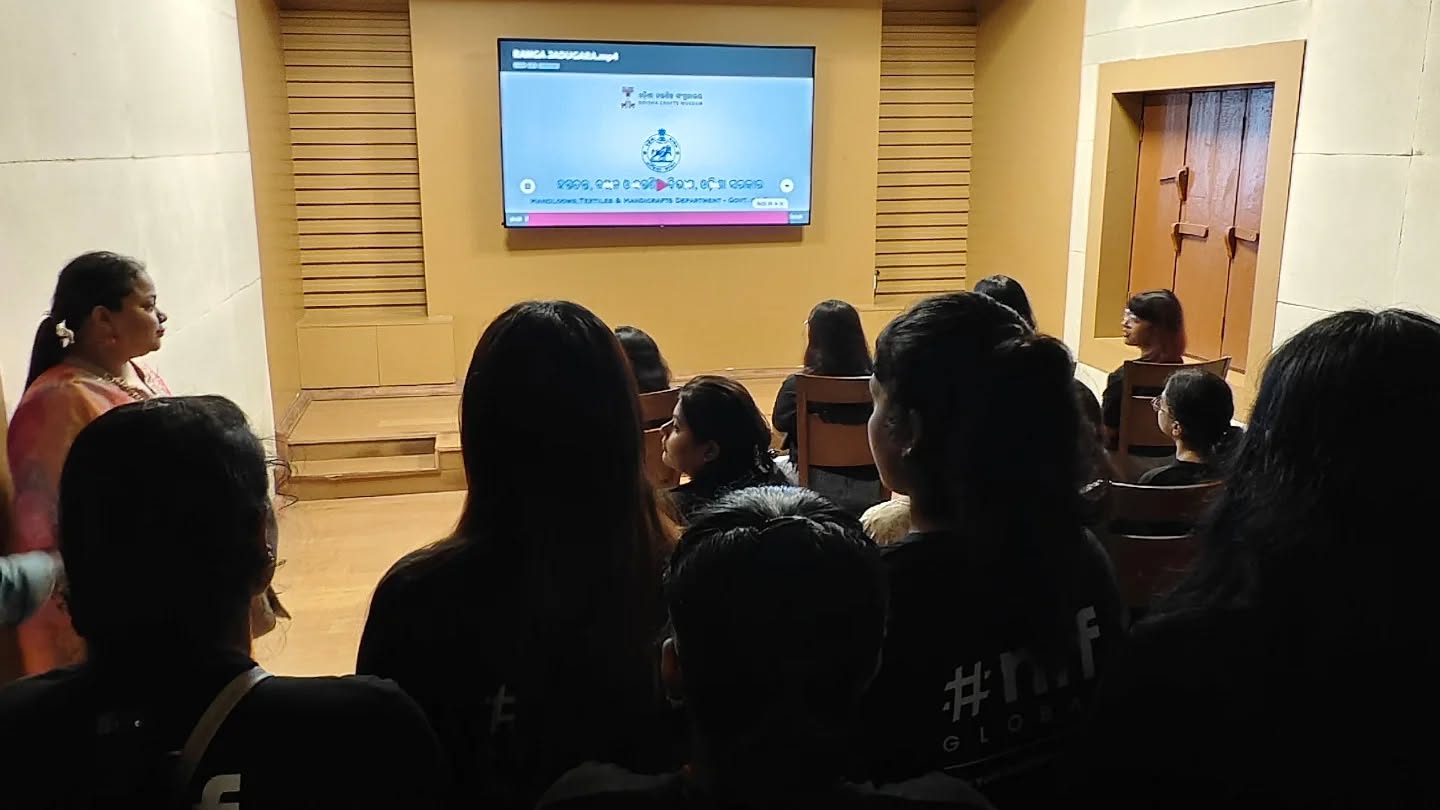
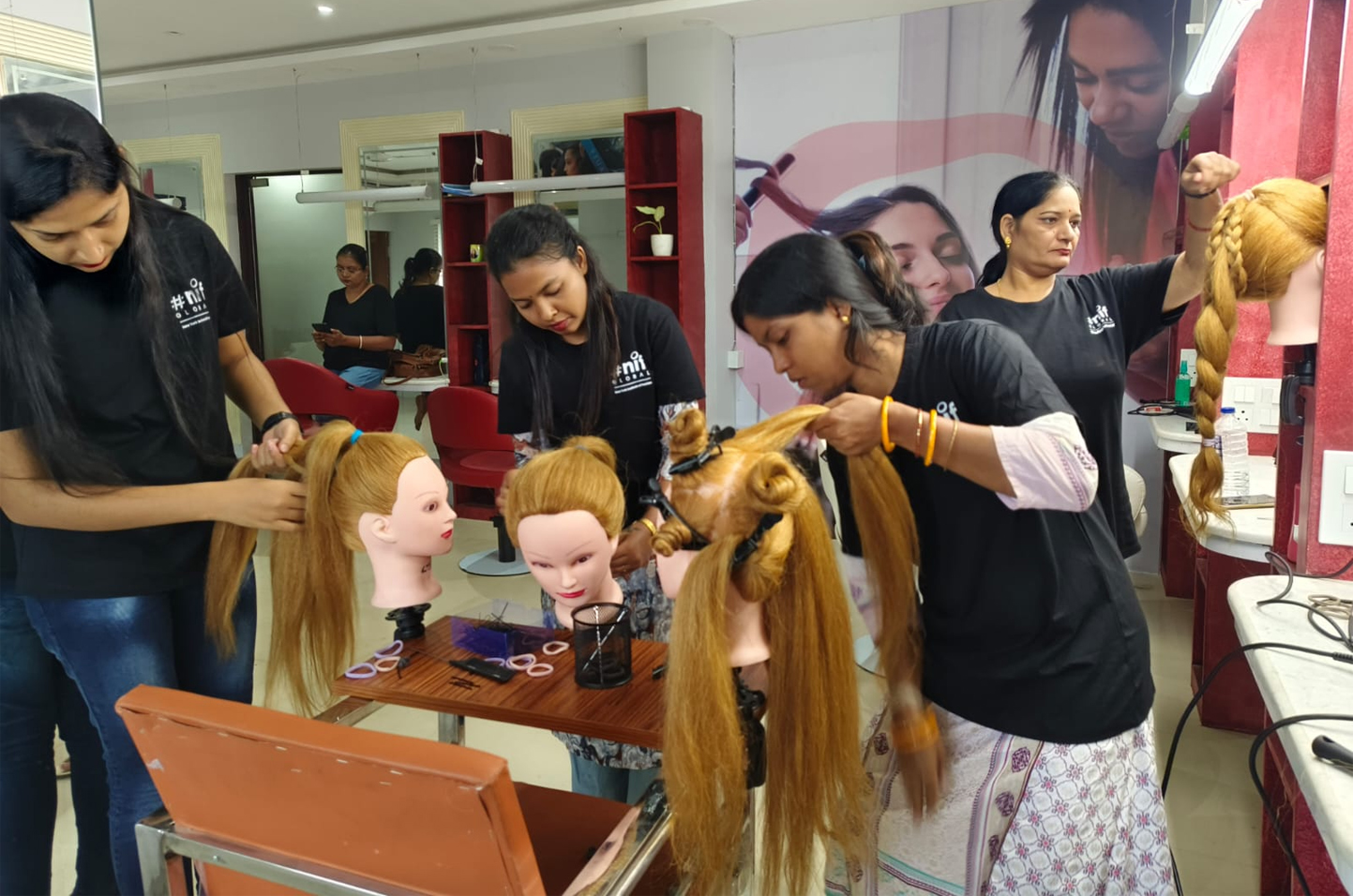
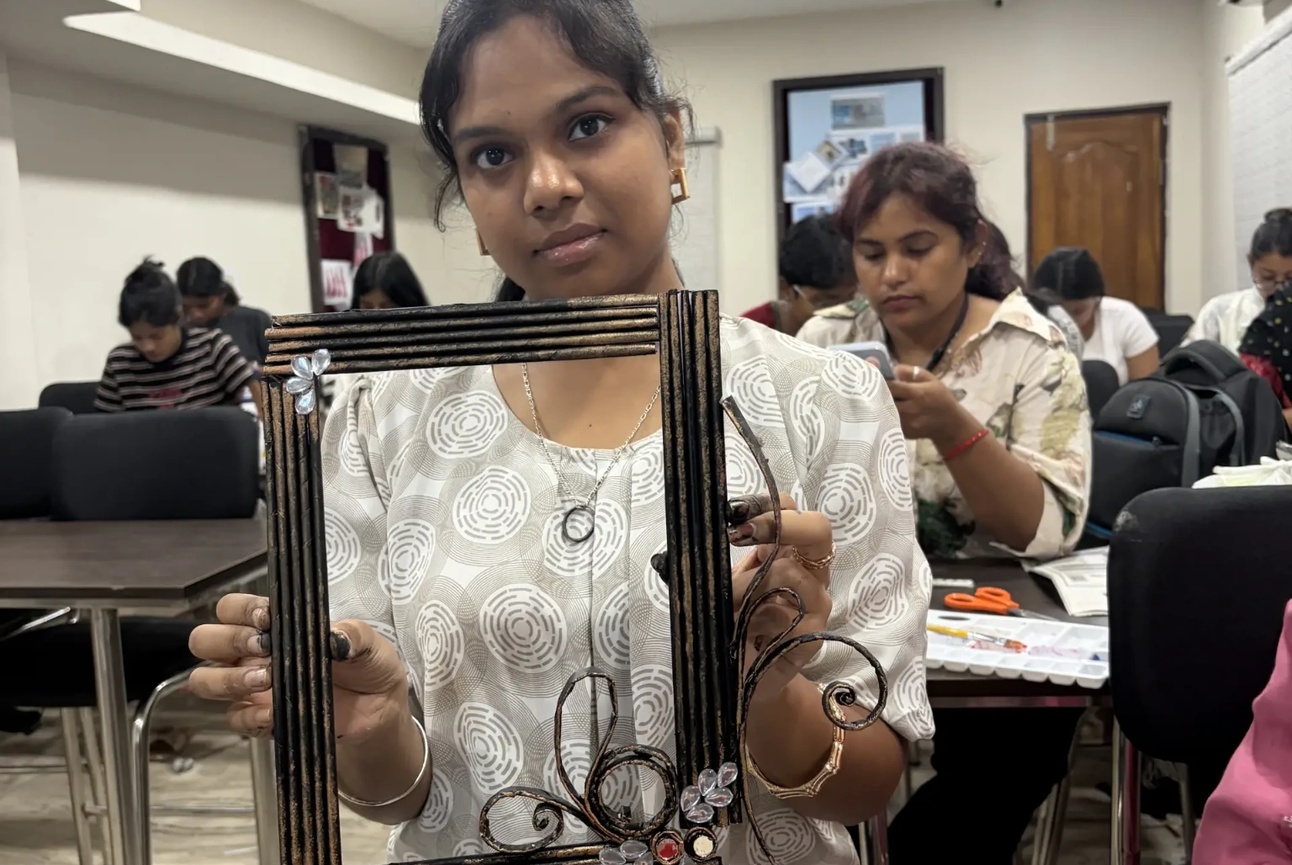
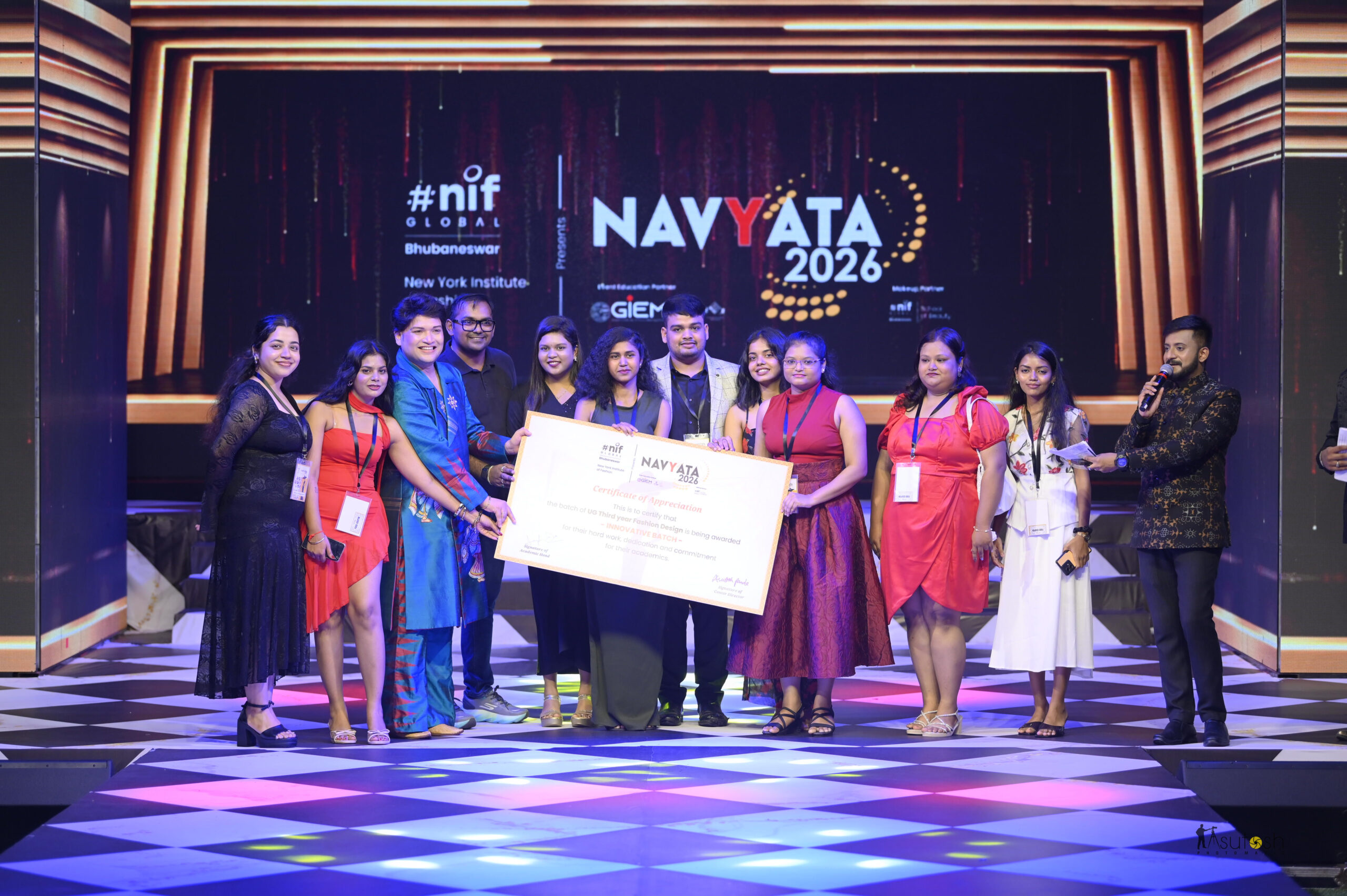
Students require experience of operating fashion businesses in a highly digital and competitive environment. At NIF Global Bhubaneshwar, students are encouraged to explore creative development and the evolving industry practices that align with the current fashion ecosystem.
Conclusion
Fashion education is now in a whole new league, thanks to the influence of AI, digital fashion innovation and social media. Today’s fashion world requires more than just design skills.
Alongside technical fashion knowledge, students today need to be knowledgeable in branding, digital communication, content creation, and technology-based creative processes.
As the fashion industry continually changes, fashion education must evolve to equip students with the necessary skills and knowledge for future opportunities that demand creativity, innovation, and adaptability.
NIF Global Bhubaneshwar is committed to providing students with the necessary skills and knowledge to thrive in today’s fashion landscape, adopting innovative teaching methods and industry-focused training.
FAQs
1. How is AI changing fashion education?
AI helps fashion students with trend forecasting, design inspiration, consumer analysis, and digital creative processes that support modern fashion development.
2. What is digital fashion?
Digital fashion involves virtual garments, 3D clothing design, digital runway concepts, and technology-driven fashion experiences created for digital environments.
3. Why is social media important in fashion education?
Social media influences fashion trends, branding, audience engagement, and content creation, making it an essential part of modern fashion careers.
4. What skills do modern fashion students need today?
Modern fashion students need creativity, technical design skills, branding knowledge, digital communication abilities, and adaptability to emerging technologies.
5. Why is fashion education evolving rapidly?
The fashion industry itself is changing because of technology, digital platforms, online consumer behaviour, and creator-driven branding trends.