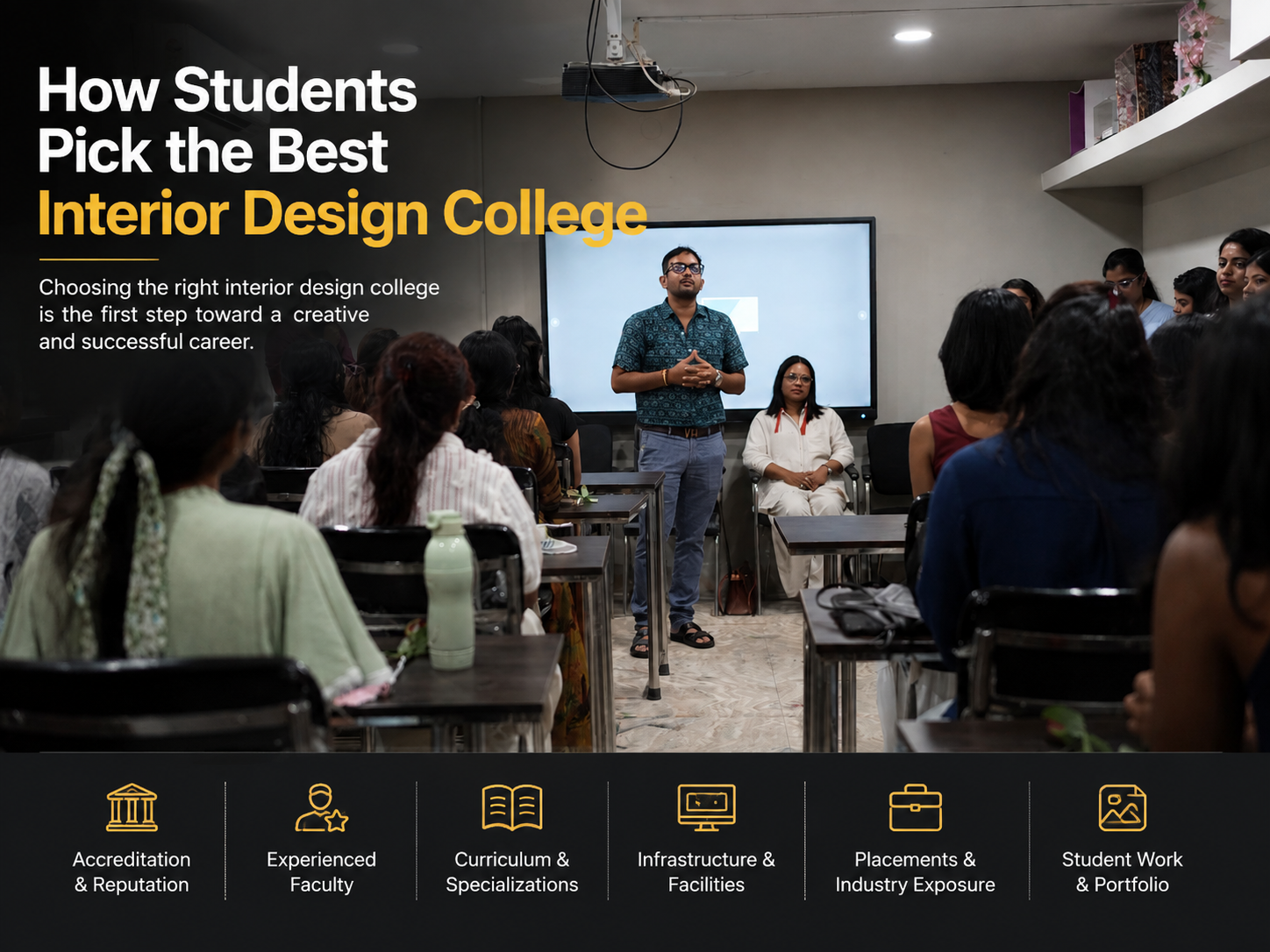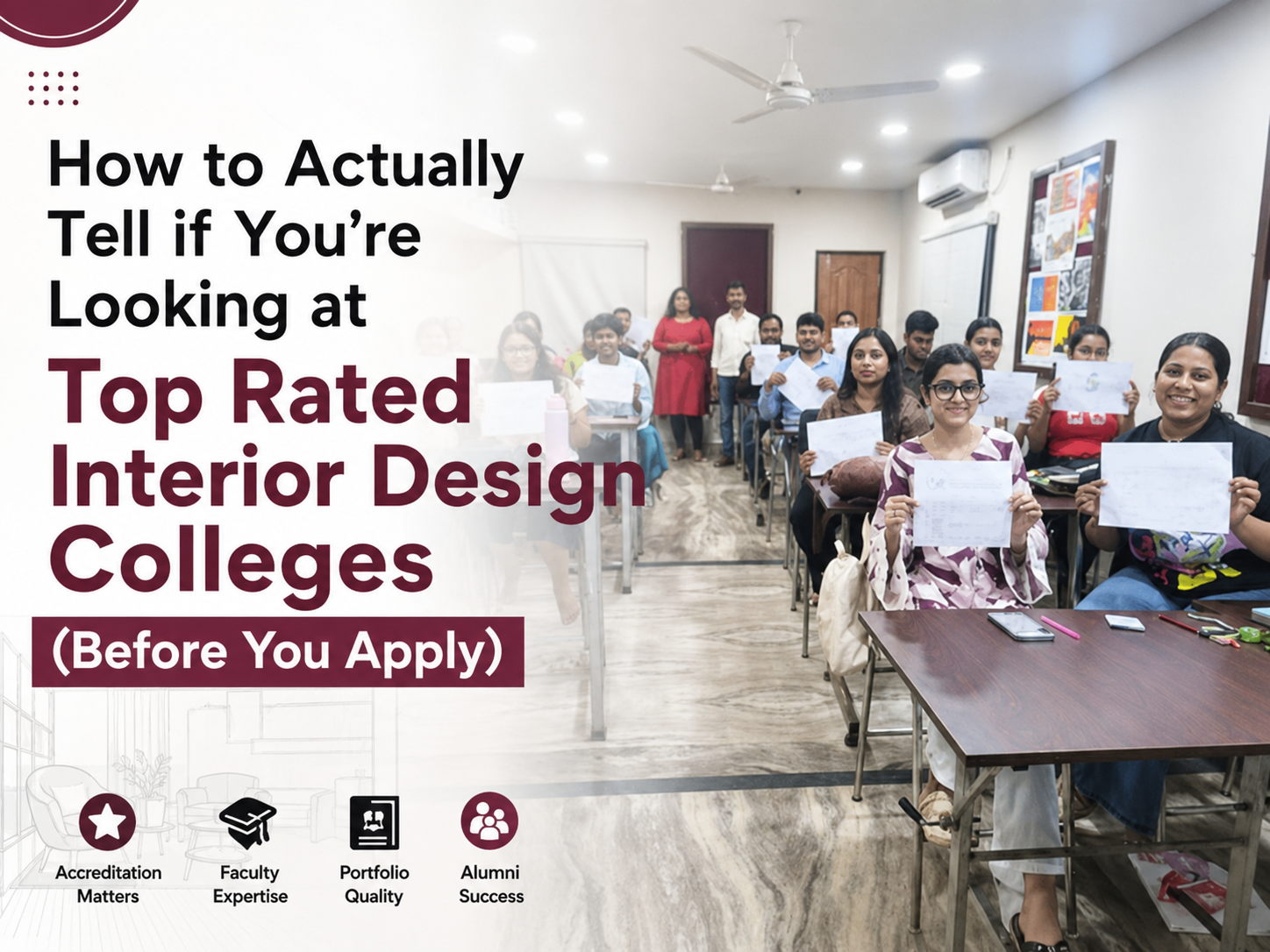
Every college website claims to be one of the top rated interior design colleges in the country. Scroll through a few admission pages and you’ll see the same words repeated — “industry exposure,” “creative excellence,” “world-class faculty.” None of it tells you much on its own. If you’re a student or a parent trying to shortlist a college this admission season, the real question isn’t which institute says it’s the best. It’s which one can actually prove it.
Here’s what to look at instead of taglines, and where an institute like NIF Global Bhubaneswar tends to hold up when you check.
Start With the Curriculum, Not the Prospectus
A glossy brochure will always look convincing. What matters more is what students are actually doing week to week. Are they sketching concepts on paper for two years, or are they working on live briefs, physical models, and software from early on?
Genuinely top rated interior design colleges tend to structure their courses around a mix of:
• Space planning and layout design for real project types
• Material, lighting, and finish studies
• Industry software such as AutoCAD, SketchUp, and 3D visualisation tools
• Sustainable and green design practices
If a curriculum leans almost entirely theoretical, that’s usually a sign the college hasn’t kept pace with how the profession is actually practised today.
Check Who’s Teaching, Not Just What’s Taught
Faculty background matters more than most prospectuses let on. A design degree taught by people who’ve never handled a live client project tends to produce graduates who are technically sound but slow to adapt once they’re on the job.
It’s worth asking directly: have the faculty worked on residential, commercial, or hospitality projects outside the classroom? At NIF Global Bhubaneswar, for instance, mentorship comes from faculty with real project experience, which shows up in how students are guided through practical assignments rather than just graded on them.
Look at Where the Graduates Actually End Up
Placement pages tend to list a handful of impressive names and stop there. A more useful exercise is asking what proportion of a graduating batch found relevant work, and in what kind of roles — not just whether a few standout students did well.
Graduates from strong interior design programs typically move into work such as:
• Residential and commercial space design
• Furniture and product design
• Lighting consultancy
• Exhibition and event design
• Independent design practice
A wide spread across these roles, rather than everyone funnelled into one type of job, usually points to a program that built adaptable skills instead of narrow ones.
Ask About Exposure Beyond the Classroom
Design is a field where context shapes output. Students who only study in a classroom, without exposure to regional craft, material sourcing, or client interaction, tend to graduate with a narrower design vocabulary.
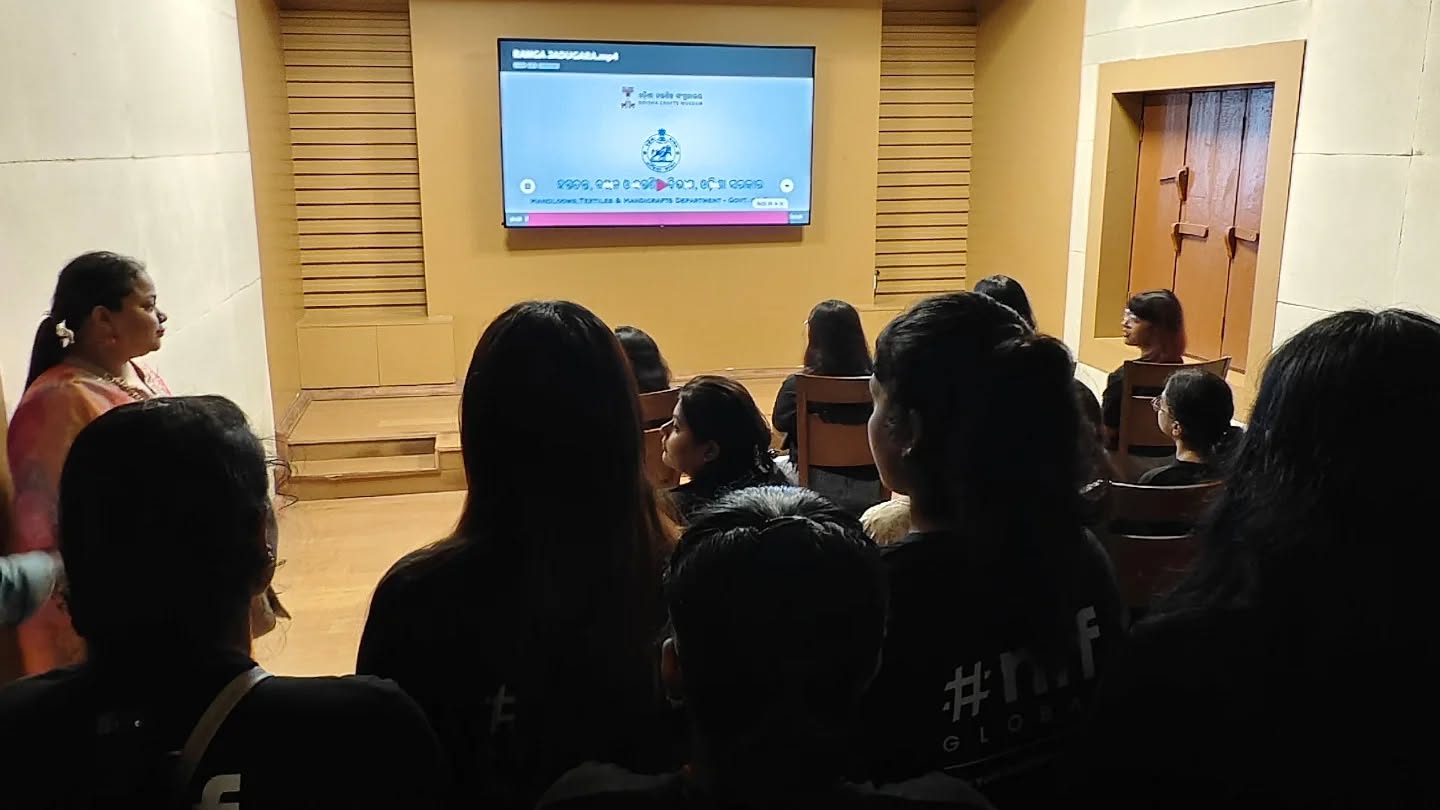
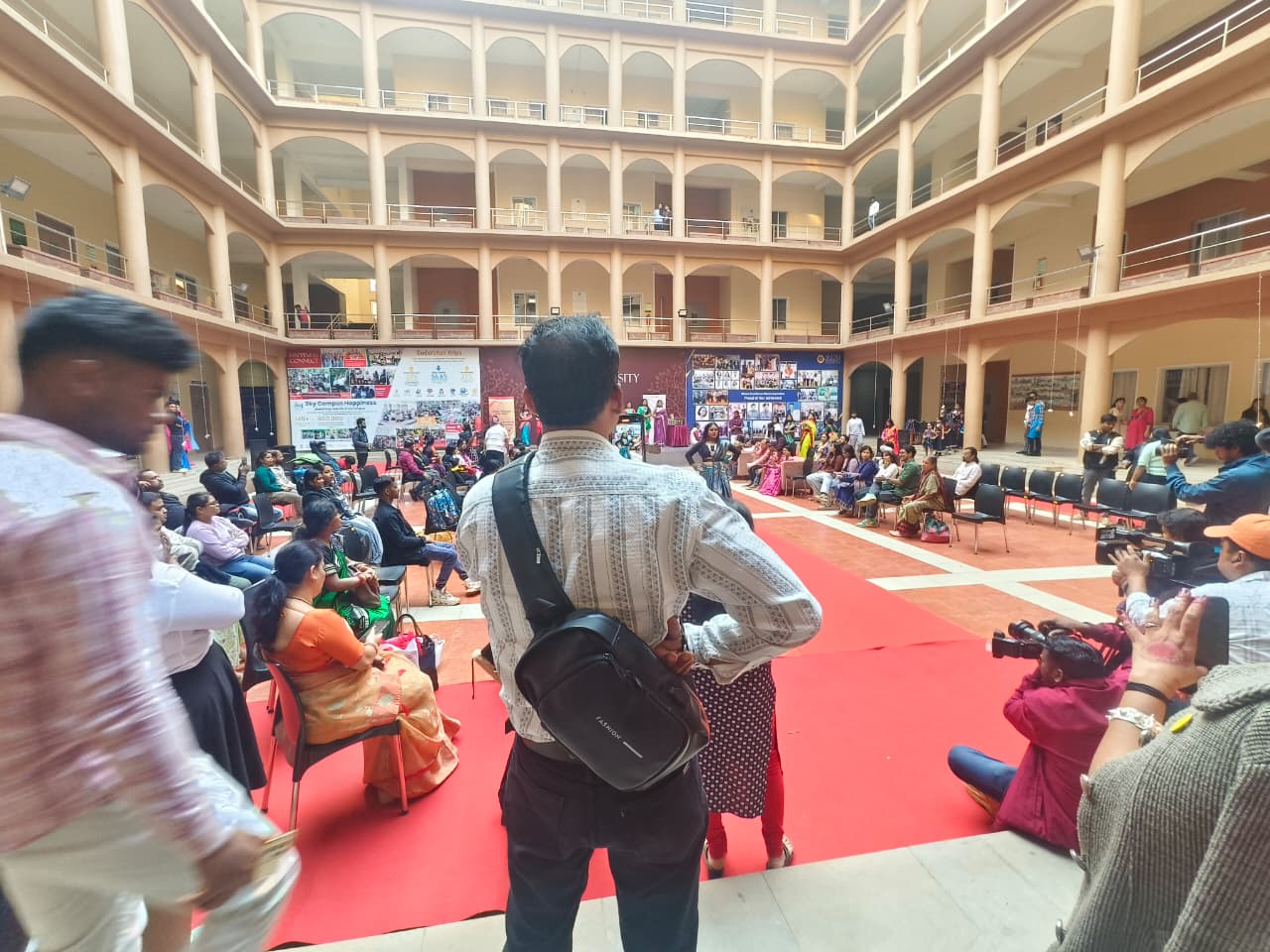
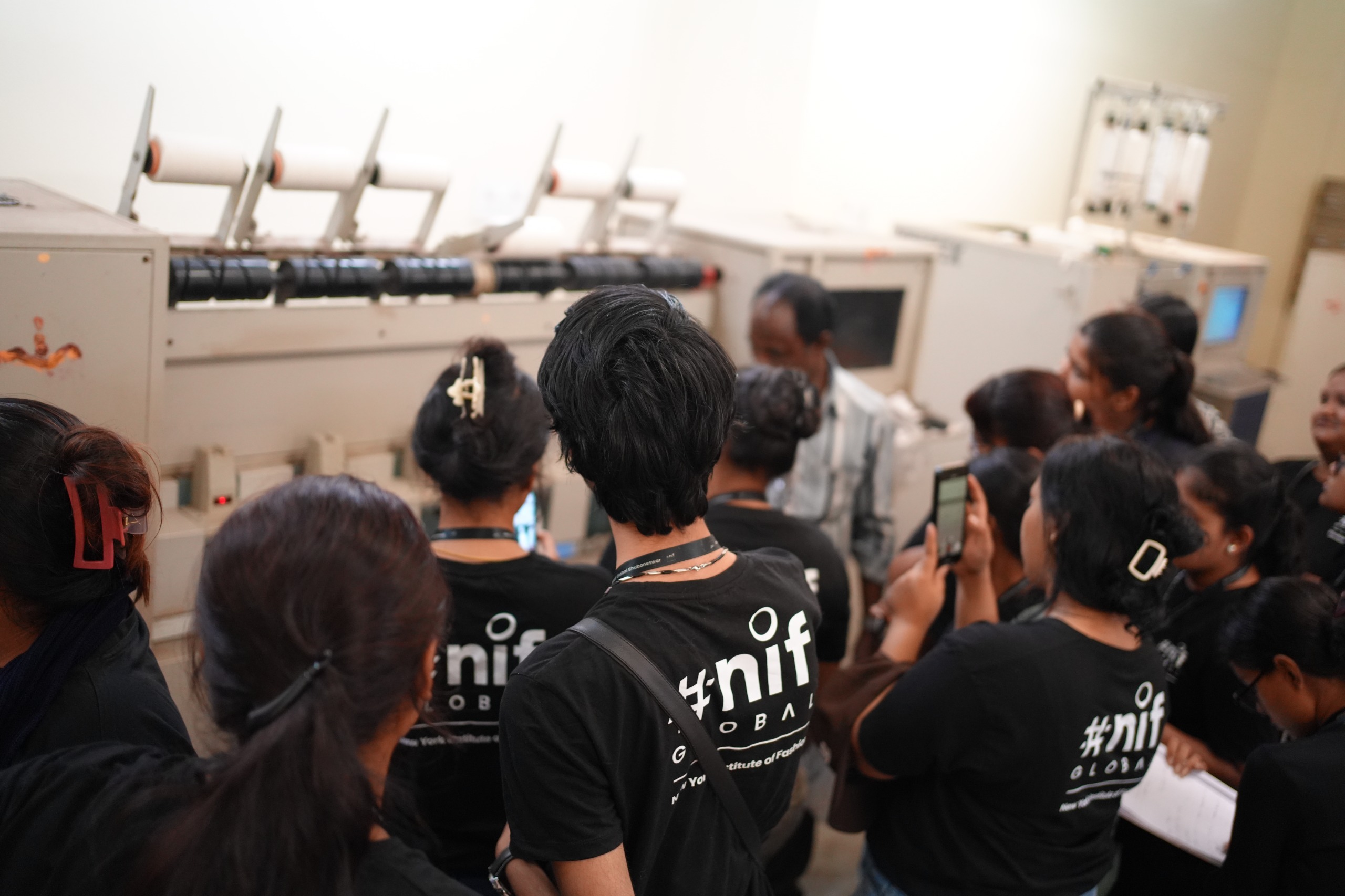
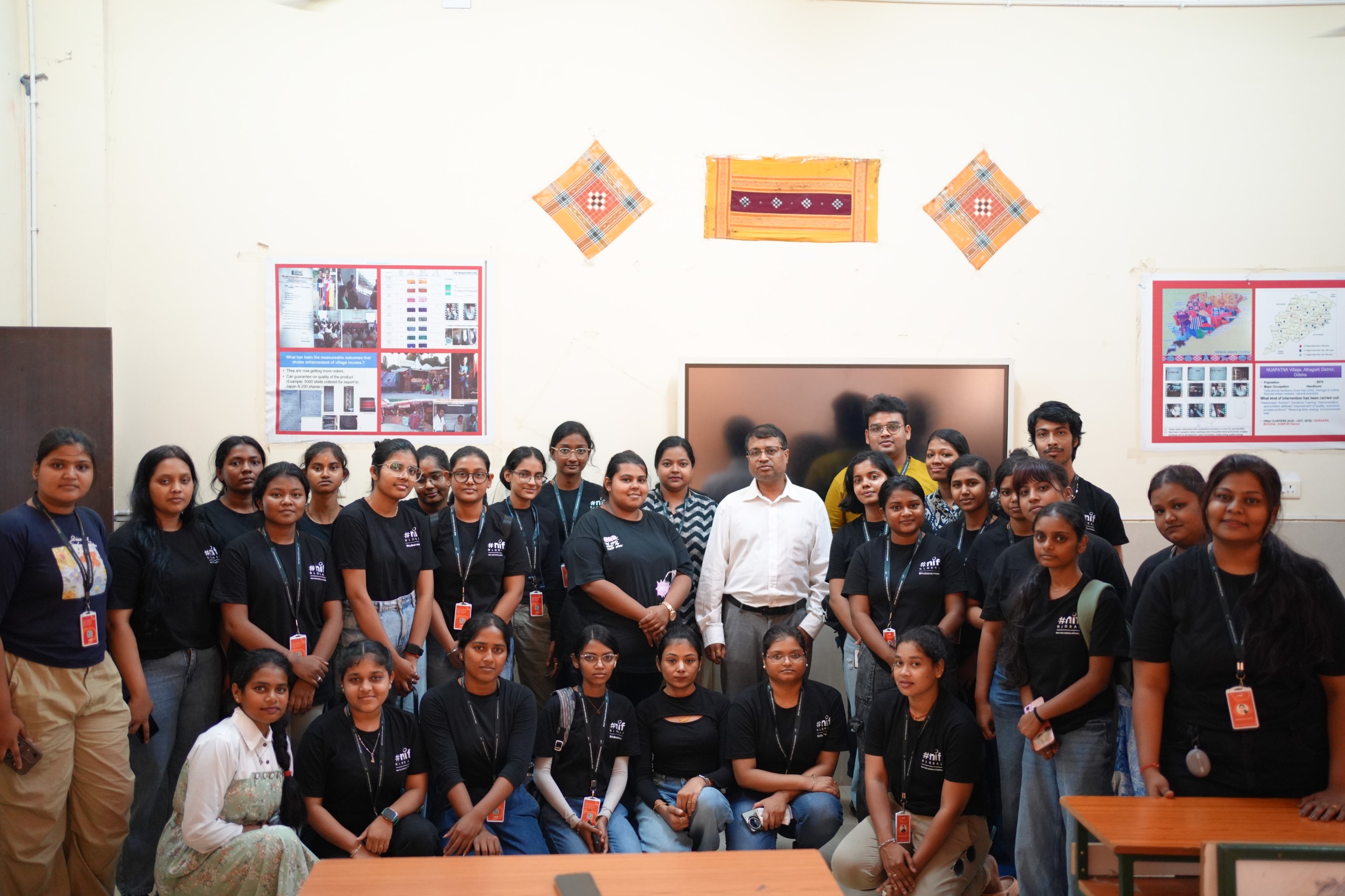
Institutes worth shortlisting usually build in exposure to local architecture, craft traditions, and industry events. NIF Global Bhubaneswar, for one, draws on Odisha’s design and craft heritage as part of its coursework — something that gives students a design sensibility that’s harder to pick up from a purely software-driven course.
Don’t Skip the Portfolio Question
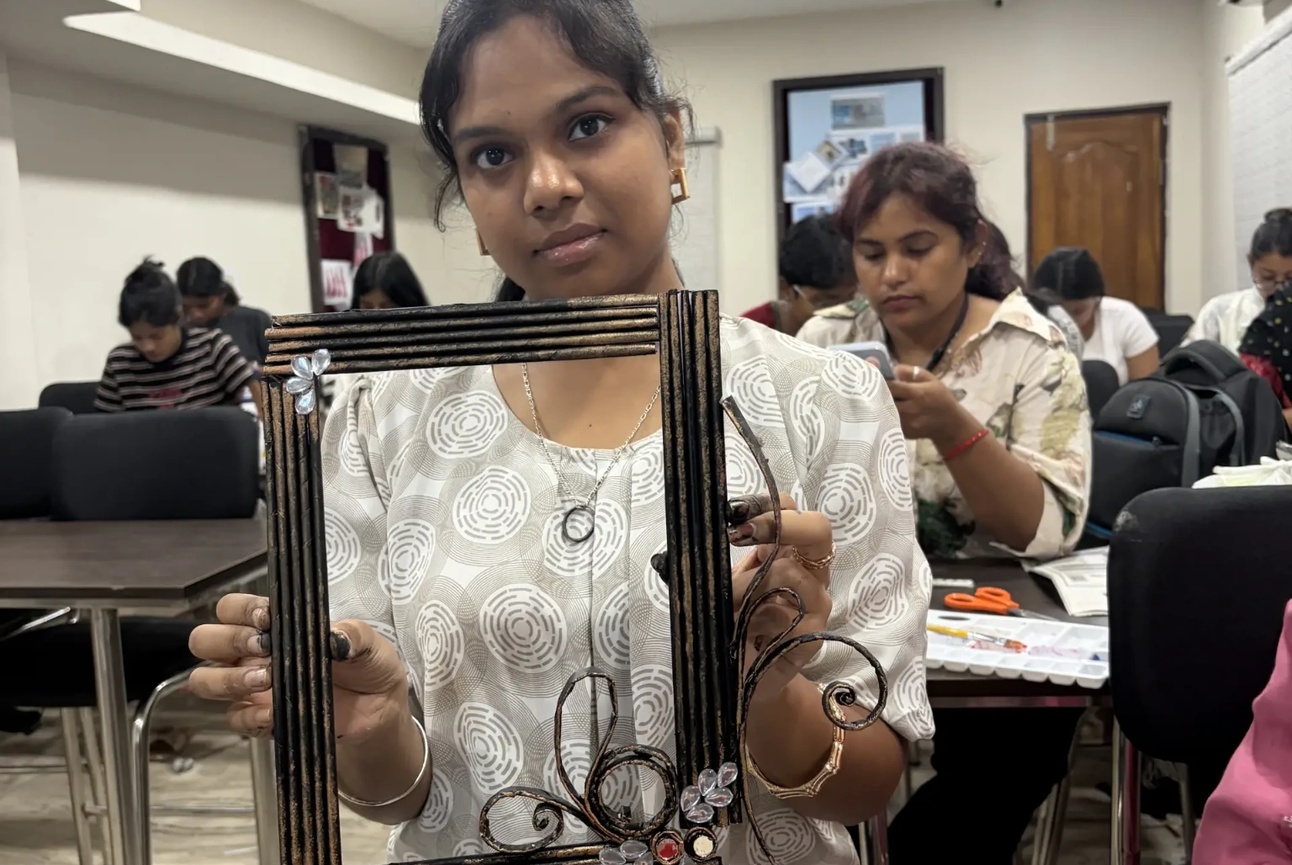
Ask any design recruiter and they’ll say the same thing: a strong portfolio matters more than the name on the degree. Before you commit to a college, find out whether portfolio-building is built into the coursework or left entirely to the student.
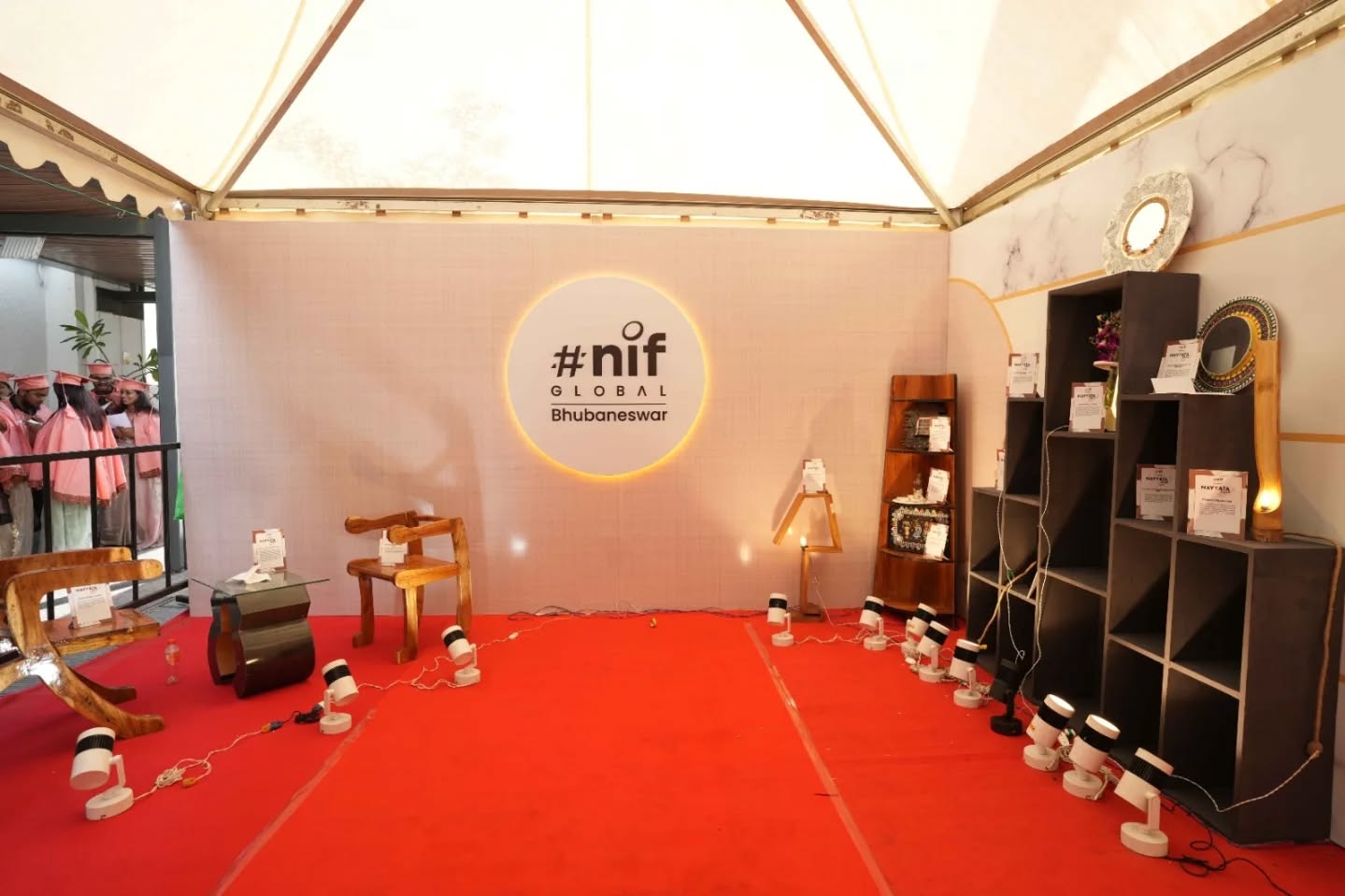
Colleges that treat this seriously usually have students working on photographed, presentable projects — bridal interiors, commercial layouts, exhibition stalls — well before graduation, rather than assembling a portfolio in a rush at the end.
What This Means If You’re Comparing Options in Bhubaneswar
If you’re narrowing down top rated interior design colleges specifically in Bhubaneswar, the checklist above is a reasonable filter to run every shortlisted college through — curriculum depth, faculty experience, placement variety, cultural and industry exposure, and portfolio support.
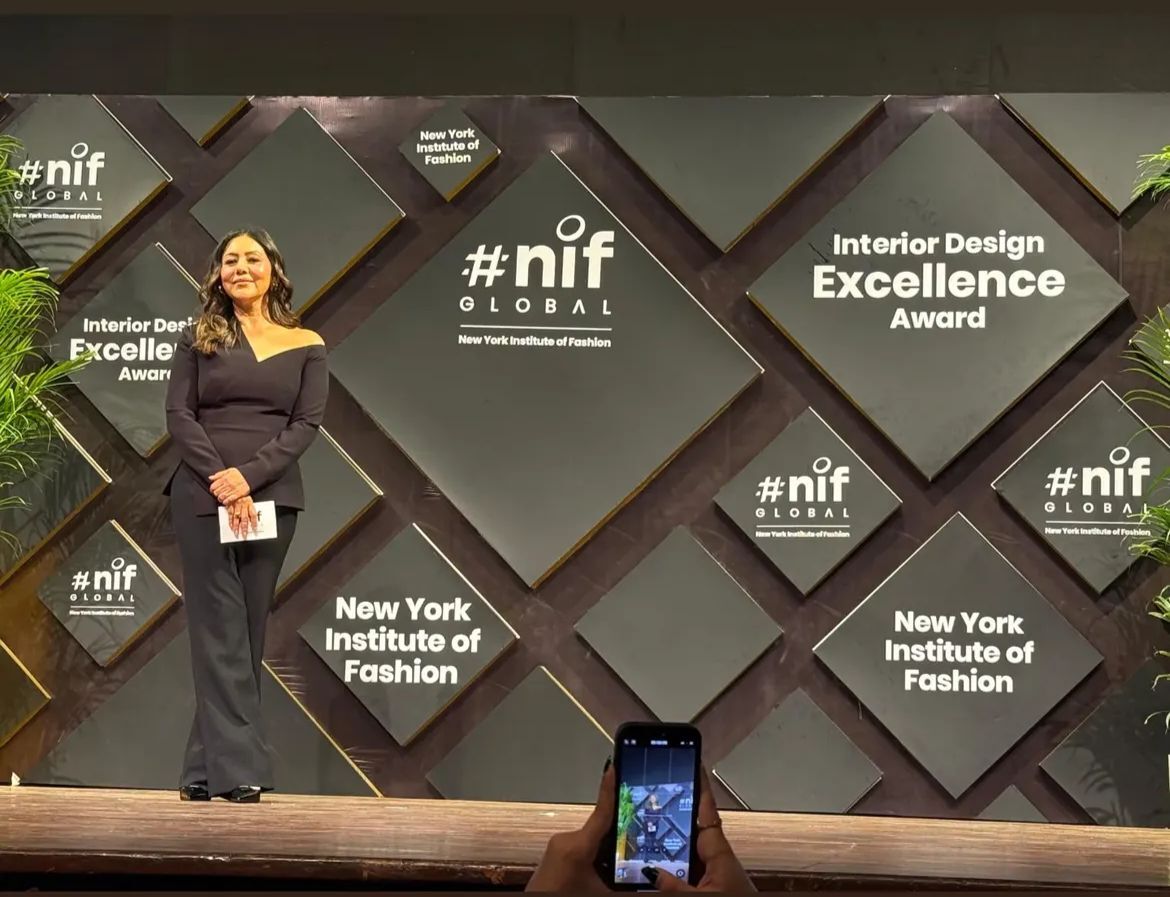
NIF Global Bhubaneswar tends to check most of these boxes: a practice-based curriculum, mentorship from experienced faculty, strong placement variety across design roles, and coursework that draws on Odisha’s craft heritage alongside modern design tools.
Conclusion
Rankings and taglines are easy to print on a website. What’s harder to fake is a curriculum built around real practice, faculty who’ve actually worked in the field, and graduates doing meaningful work after they leave. Use those as your filter, and the list of genuinely top rated interior design colleges gets a lot shorter and a lot more honest.
FAQs
How do I verify if a college is genuinely among the top rated interior design colleges?
Look past the marketing claims and check the curriculum structure, faculty’s real project experience, placement variety, and whether portfolio-building is part of the coursework.
Does software training matter as much as design theory?
Yes. Employers expect graduates to be comfortable with tools like AutoCAD, SketchUp, and 3D visualisation software alongside strong design fundamentals.
What kind of jobs can interior design graduates expect?
Common paths include residential and commercial design, furniture and product design, lighting consultancy, exhibition design, and independent practice.
Why does regional or cultural exposure matter in interior design education?
It broadens a designer’s vocabulary beyond software-driven output, helping them bring in material and craft sensibilities that are harder to learn from textbooks alone.
Is NIF Global Bhubaneswar a good option among top rated interior design colleges?
NIF Global Bhubaneswar offers a practice-based curriculum, experienced faculty mentorship, strong placement variety, and coursework that combines modern design tools with Odisha’s craft heritage