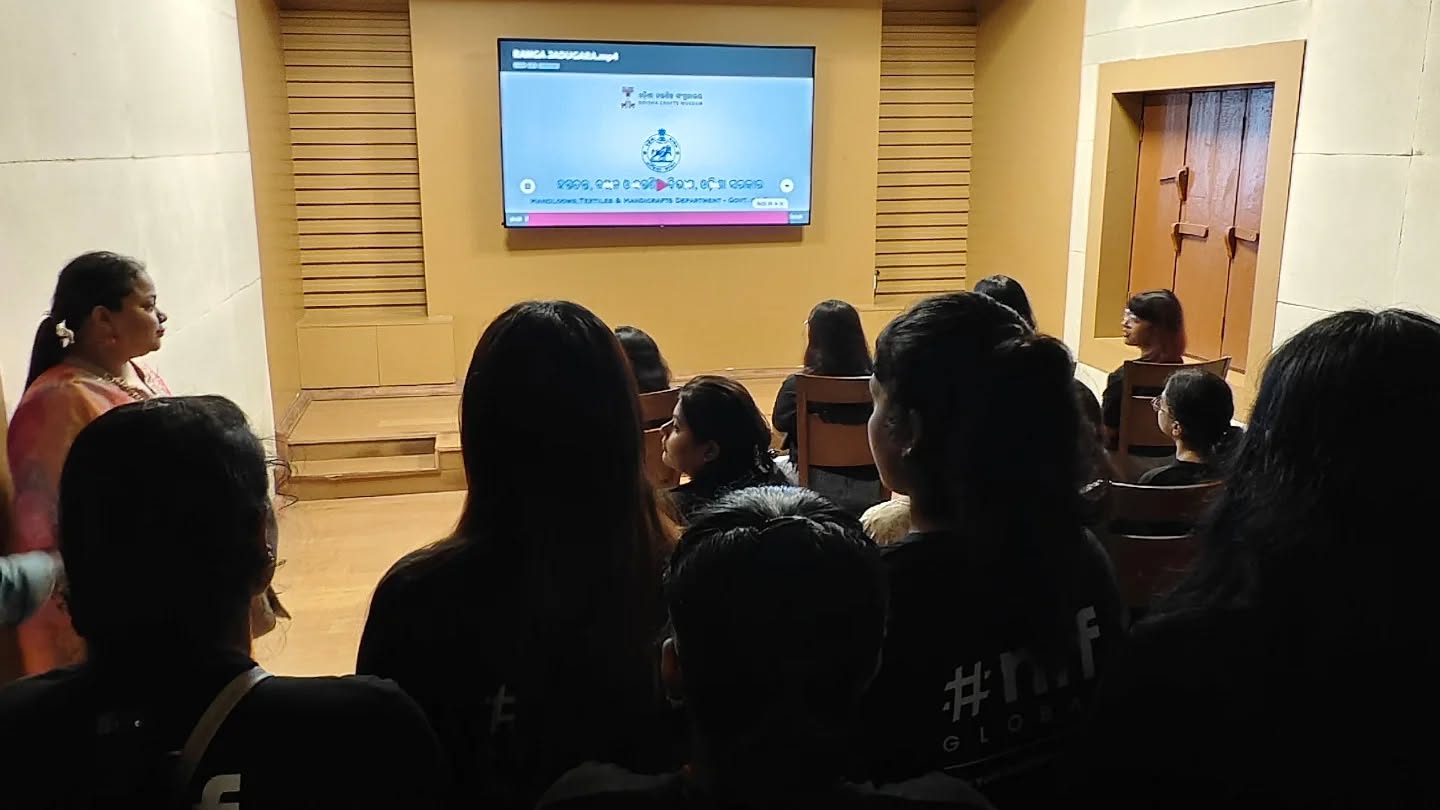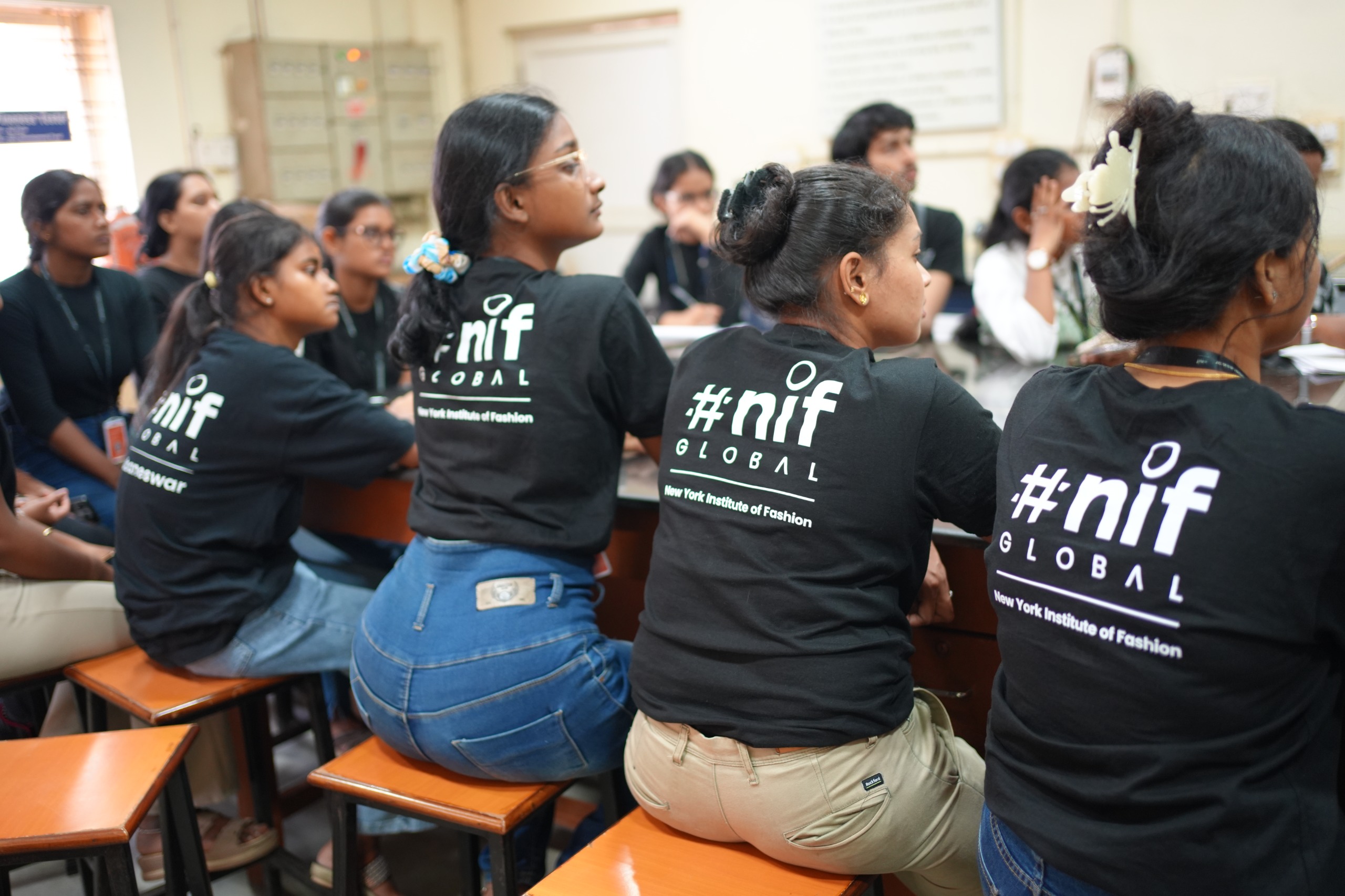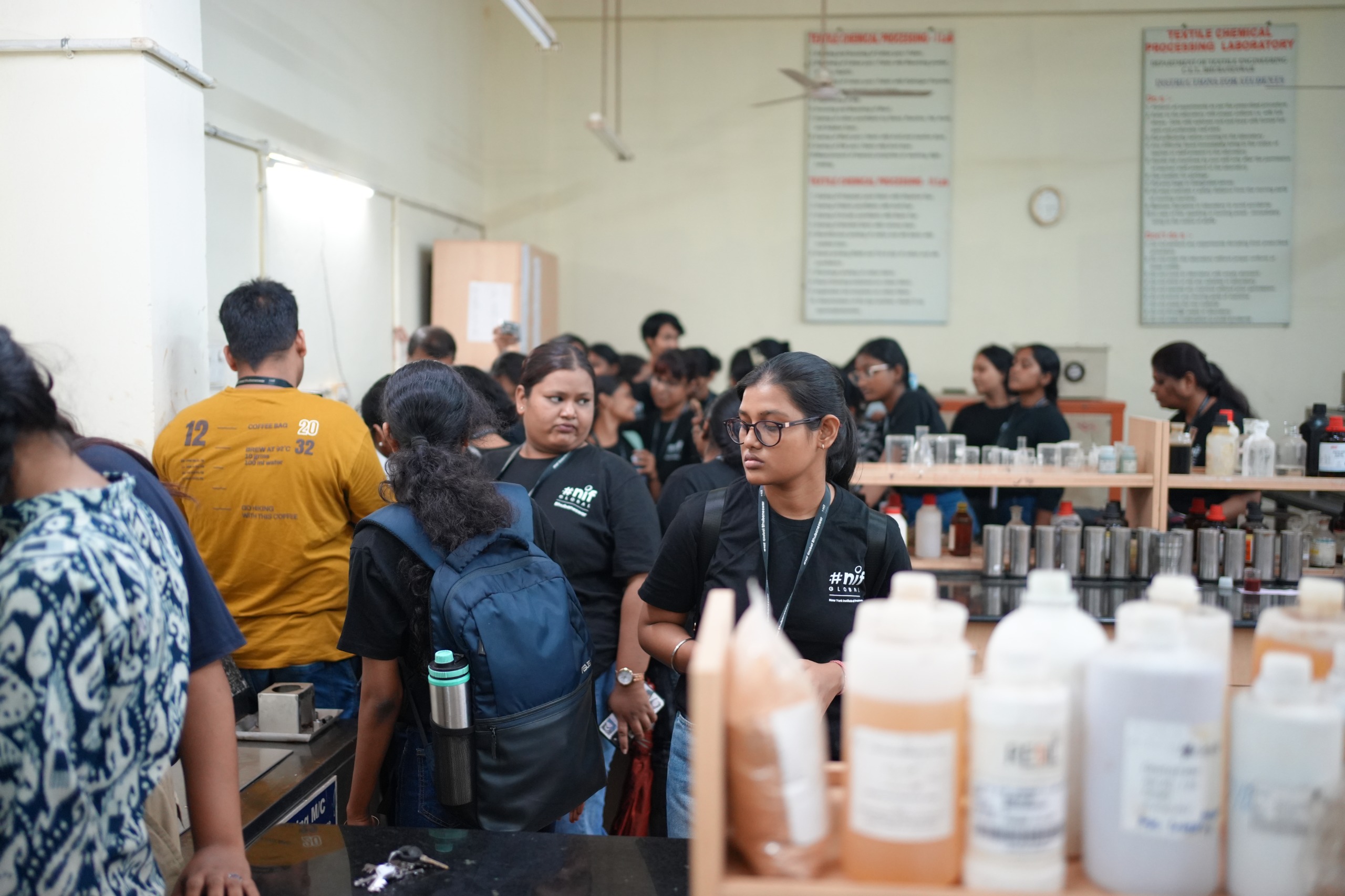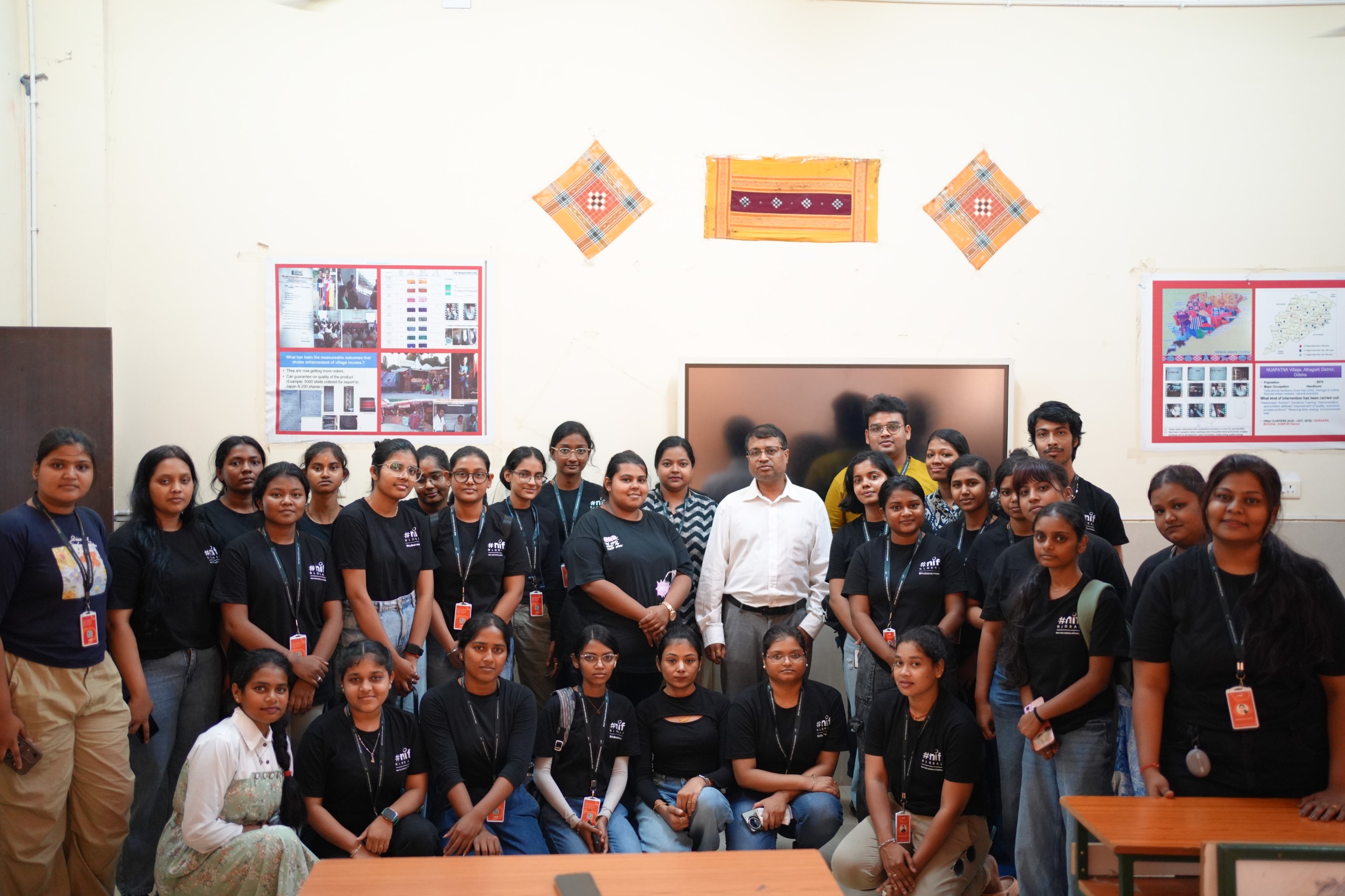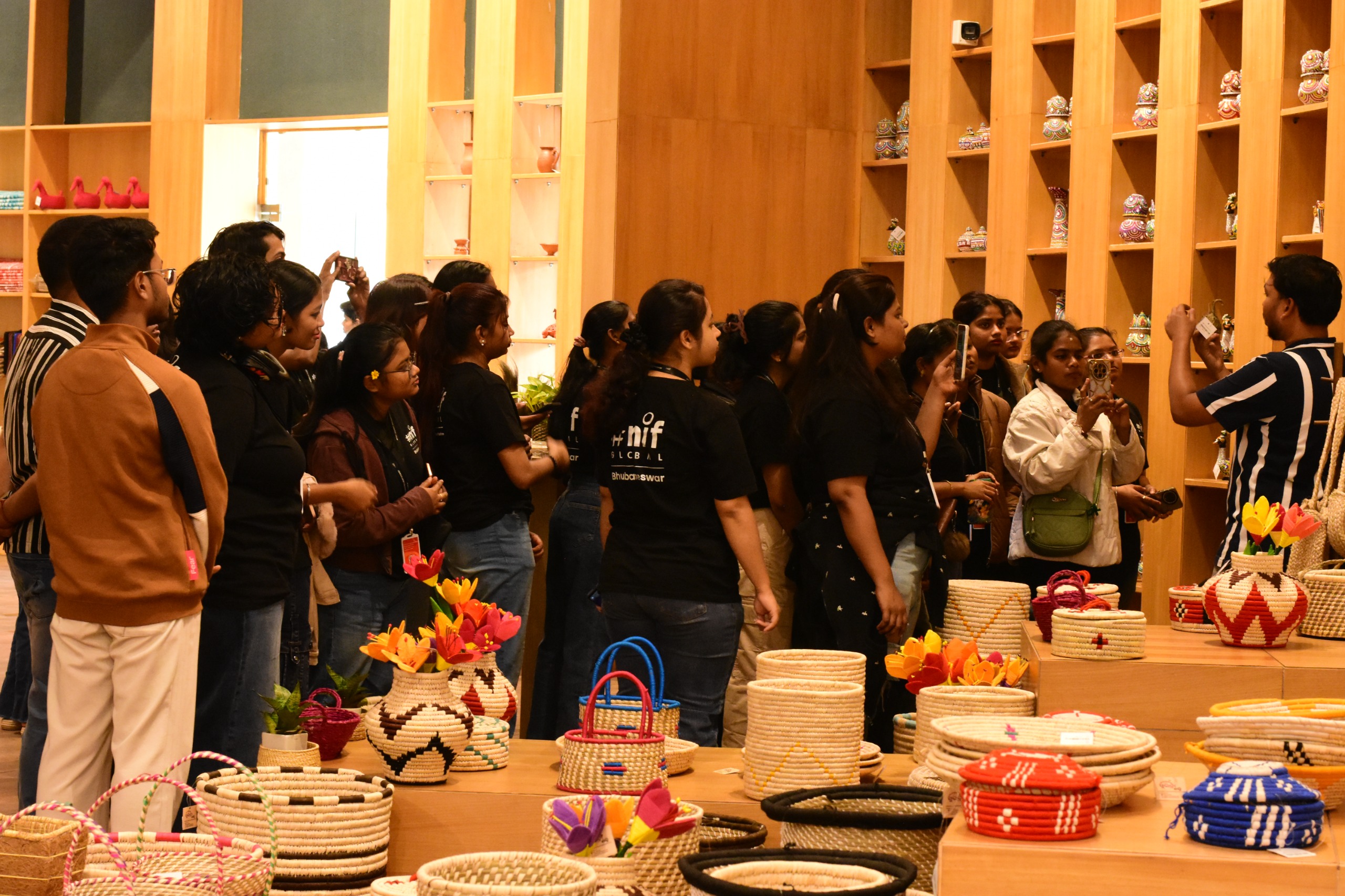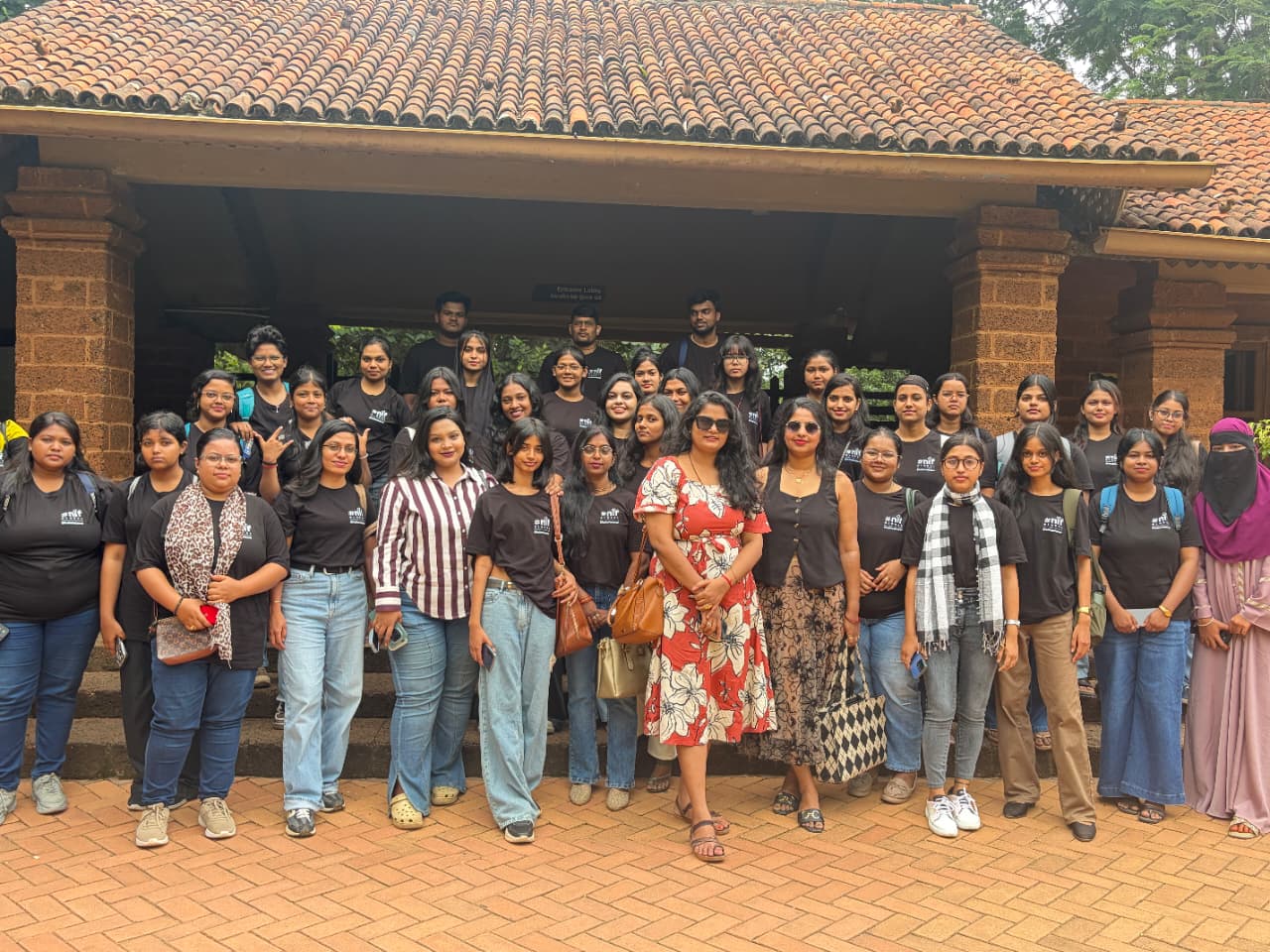
Design is rarely learned from a textbook alone. Sooner or later, students need to step outside the studio and see, touch, and question the things that inspired the discipline in the first place. That is exactly what happened when Fashion Design and Interior Design students from NIF Global Bhubaneswar visited Kalabhoomi, Odisha’s crafts and culture museum, for a day of learning that had very little to do with lectures and everything to do with looking closely.
The trip was built around a simple idea: creativity does not exist in isolation. Every fabric, every carved doorway, every motif at Kalabhoomi carries centuries of thought behind it, and students who intend to design for the real world need to understand where that thinking comes from. Rather than treating heritage as a museum piece to be admired from a distance, the visit encouraged students to study it as a working reference for their own craft.
A Museum Built Around Odisha’s Living Traditions
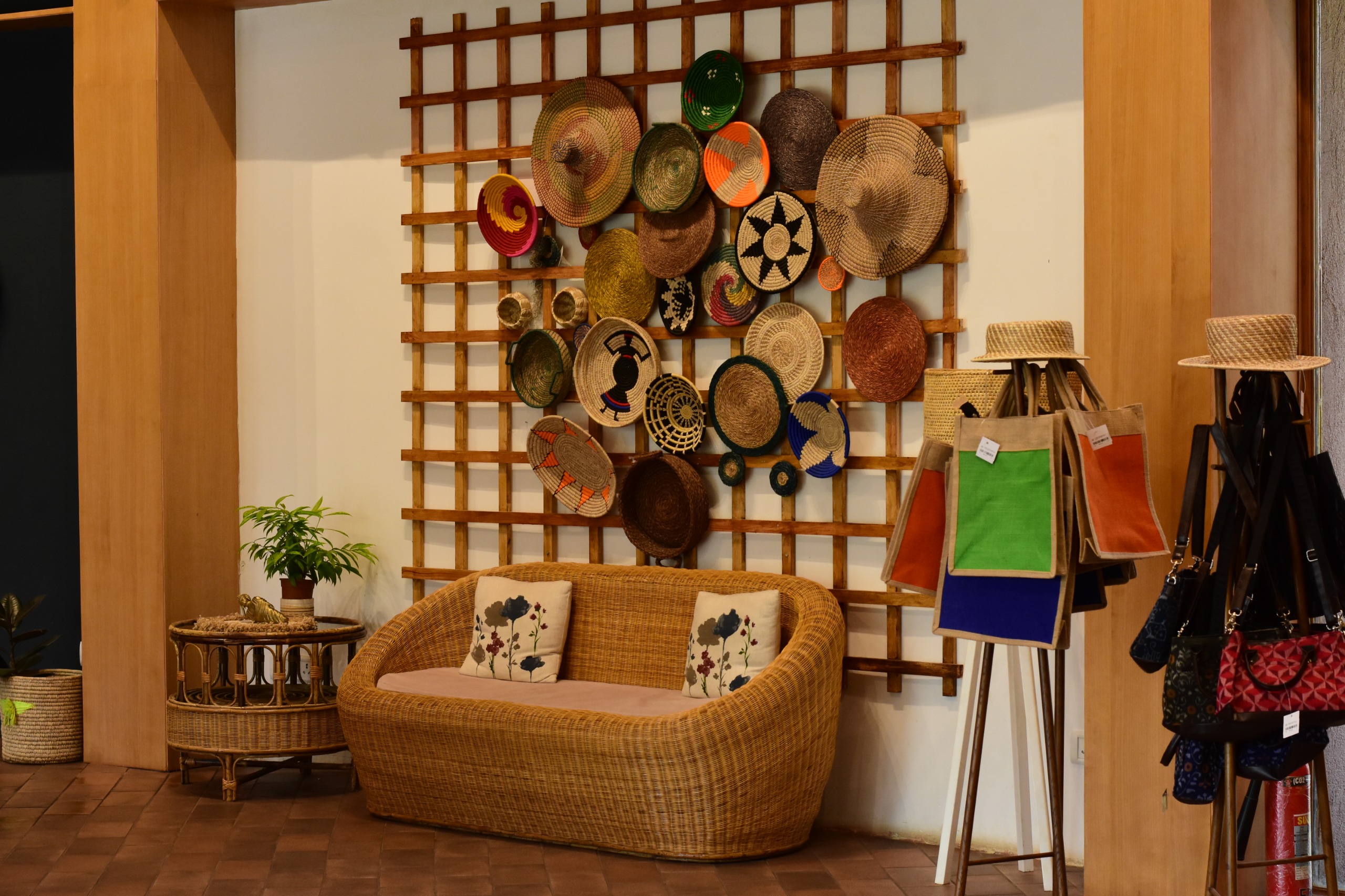
Kalabhoomi is not a conventional museum. It is a working archive of Odisha’s art, architecture, and craft traditions, arranged in a way that lets visitors experience textiles, sculpture, and building styles as part of a continuous story rather than isolated exhibits. For design students, that made it an unusually rich place to spend a few hours, since almost everything on display connects back to a technique or principle they will eventually apply in their own work.
What the Fashion Design Students Took Away
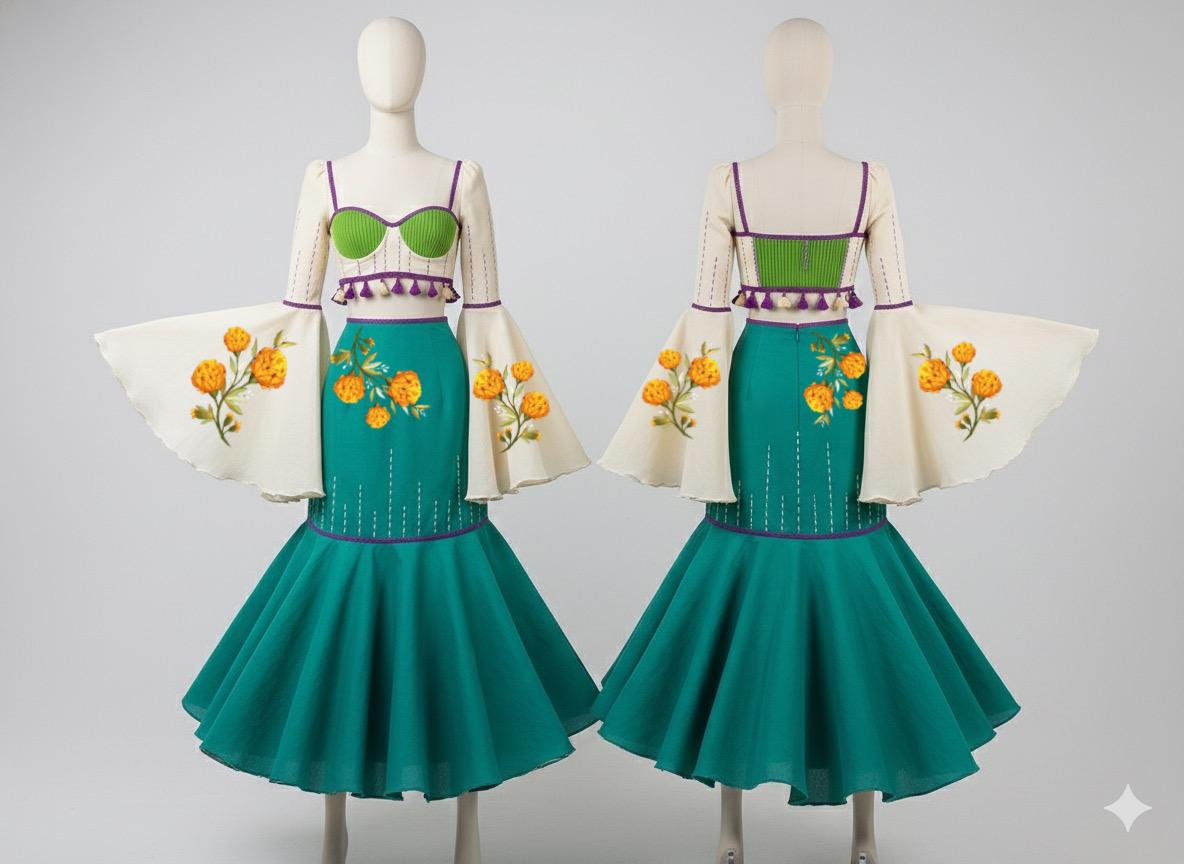
For the Fashion Design batch, the visit turned into a close study of textile heritage. Students examined traditional weaving techniques up close, looked at how natural dyes were historically prepared and used, and spent time understanding the finer points of regional embroidery styles found across Odisha.
What stood out for many of them was how deliberate these old techniques really are. Behind every handwoven pattern lies a specific process, often refined over generations, and seeing that firsthand gave students a far deeper appreciation for textile heritage than any classroom slide could. It also opened up a more practical question: how can these traditional techniques be reinterpreted for contemporary fashion without losing what makes them distinct? That is a question the students will now carry back into their own design work.
What the Interior Design Students Explored
The Interior Design students, meanwhile, focused on a different but related set of ideas. They studied traditional Odishan architecture, paying attention to how spaces were planned, which indigenous materials were used, and how recurring motifs found their way into structural and decorative elements alike.
Spatial planning in traditional design, they discovered, was rarely accidental. Layouts were shaped by climate, materials on hand, and cultural practices, and many of those old solutions still hold up remarkably well when measured against modern ideas of functionality. For students who will eventually design homes, offices, and public spaces, understanding how heritage principles solved real problems adds a layer of depth that purely contemporary references cannot offer on their own.
Why Experiential Learning Matters in Design Education
Visits like this one exist for a reason that goes beyond a pleasant day out. Hands-on exposure to real crafts and structures builds a kind of creative instinct that cannot be taught through theory alone. It sharpens design vocabulary, builds cultural context, and helps students recognise sustainable, heritage-driven practices that are becoming increasingly relevant in both fashion and interior design today.
Walking through Kalabhoomi, students were not just observers. They were reading craftsmanship the way a designer eventually needs to: asking what works, what has endured, and what deserves a second life in a modern context.
NIF Global’s Approach to Design Education
This visit reflects something NIF Global Bhubaneswar takes seriously across all its programs — the idea that design education should be holistic and grounded in real-world experience, not confined to classroom instruction. Trips like the one to Kalabhoomi are a deliberate part of how the institute shapes designers who are thoughtful, technically sound, and culturally aware.
By exposing students to heritage crafts and traditional architecture early in their training, NIF Global aims to build designers who don’t just follow trends but understand the roots that trends often come from.
Conclusion
The visit to Kalabhoomi gave NIF Global Bhubaneswar’s Fashion and Interior Design students something a syllabus cannot fully provide: a direct, tactile encounter with the traditions their disciplines are built on. From natural dyeing techniques to indigenous architectural planning, the day offered lessons that will likely surface again in their sketches, mood boards, and floor plans for years to come.
Experiences like this are exactly what NIF Global Bhubaneswar aims to build into its courses — the kind of hands-on, culturally rooted learning that shapes better designers. If you’d like to be part of that journey, explore our courses and see where they can take you.
Frequently Asked Questions
1. Why did NIF Global Bhubaneswar organise a visit to Kalabhoomi?
The visit was designed to connect classroom learning with real-world design experience. Kalabhoomi’s collection of Odisha’s crafts, textiles, and architecture gave Fashion and Interior Design students a chance to study heritage art and design in its true form.
2. What did Fashion Design students learn from the visit?
Fashion Design students were introduced to traditional weaving methods, natural dyeing techniques, and regional embroidery styles. The visit deepened their understanding of textile heritage and how it can inform contemporary fashion design.
3. What did Interior Design students focus on during the trip?
Interior Design students studied traditional Odishan architecture, spatial planning, indigenous materials, and recurring motifs, exploring how heritage design principles align with modern functional needs.
4. How does experiential learning benefit design students?
Hands-on exposure to real crafts and structures builds creative inspiration, strengthens design vocabulary, and develops an appreciation for sustainable and heritage-driven design practices that theory-based learning alone cannot offer.
5. Does NIF Global Bhubaneswar regularly organise such educational visits?
Yes. Educational visits like this one are part of NIF Global Bhubaneswar’s broader commitment to holistic, real-world design education that shapes culturally aware and practically skilled designers.