Drive through Bhubaneswar on any given evening and you’ll notice it — cranes over half-built towers, new apartment complexes going up in Patia and Chandaka, cafes and retail spaces being fitted out almost every month. Odisha’s cities are growing at a pace that would have seemed unlikely a decade ago, and all that construction needs someone to think through how the inside of those spaces actually works. That’s where interior designers come in, and it’s also why so many students are suddenly asking a very practical question: which is the best interior design college in Odisha to actually get into this field?
It’s a fair question, and a slightly different one from what most guides answer. This isn’t about comparing brochures or checking off a curriculum list — plenty of that’s already out there. It’s about understanding why the timing itself matters right now, and what that means for how you should be picking a college.
The Construction Boom Nobody’s Talking About in Career Guides
Odisha’s real estate and infrastructure sector has quietly become one of the state’s biggest growth stories. New residential townships, IT parks, hospitality projects, and retail developments are coming up across Bhubaneswar, Cuttack, and Puri at a rate that’s genuinely outpacing the number of trained design professionals available to work on them.
That gap matters. Builders and developers aren’t just looking for someone who can pick paint colours anymore — they need people who understand space planning, material selection, lighting, and how to turn a raw concrete shell into something livable and sellable. When demand runs ahead of supply like this, it tends to open doors for graduates faster than in more saturated markets.
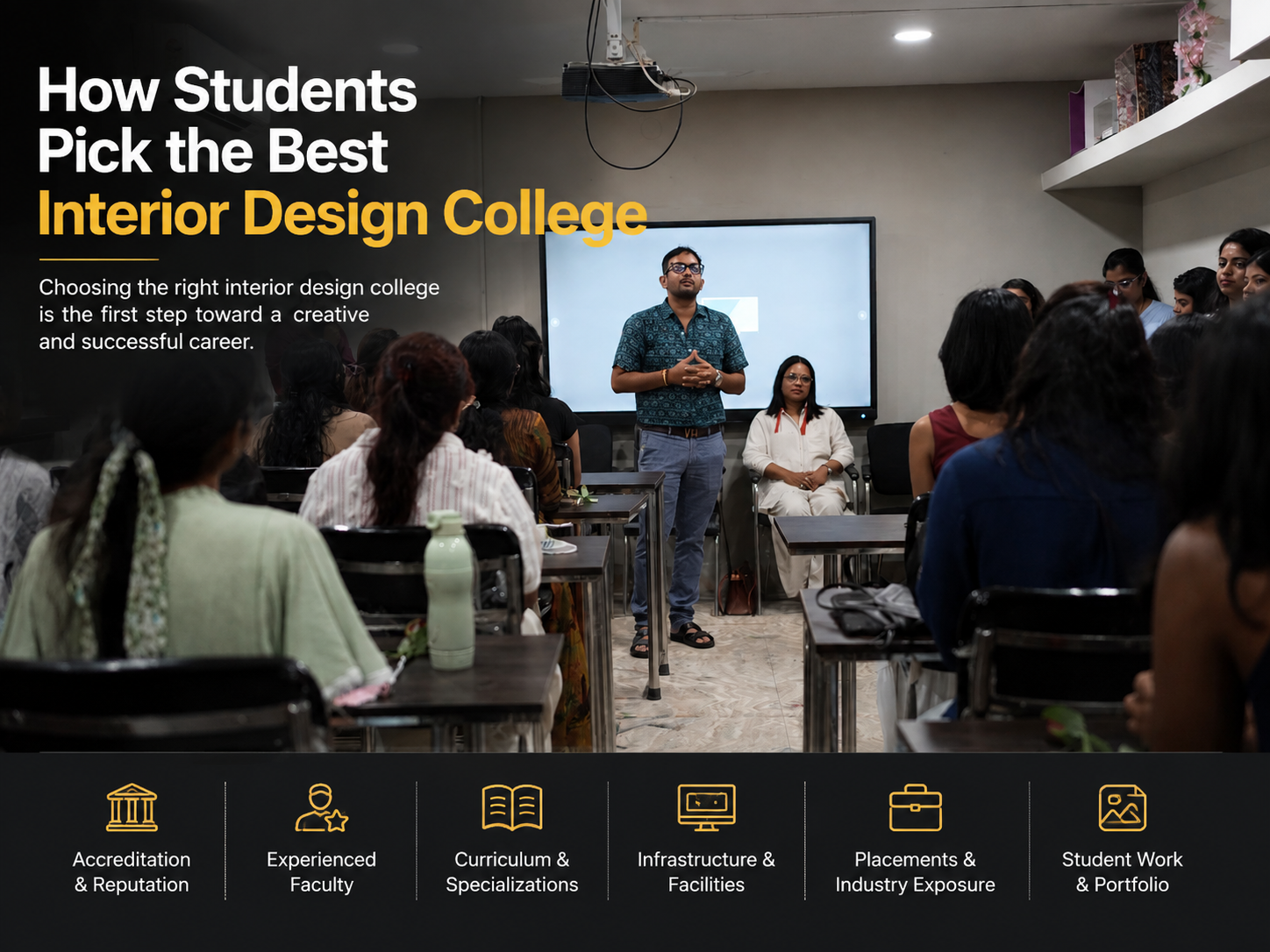
Why “Best” Should Mean More Than Reputation
Ask around and you’ll hear a dozen opinions on which college deserves the “best” tag. Reputation matters, sure, but in a fast-growing market like Odisha’s, it’s worth asking a more useful question: does this college actually prepare you for the kind of work that’s currently in demand?
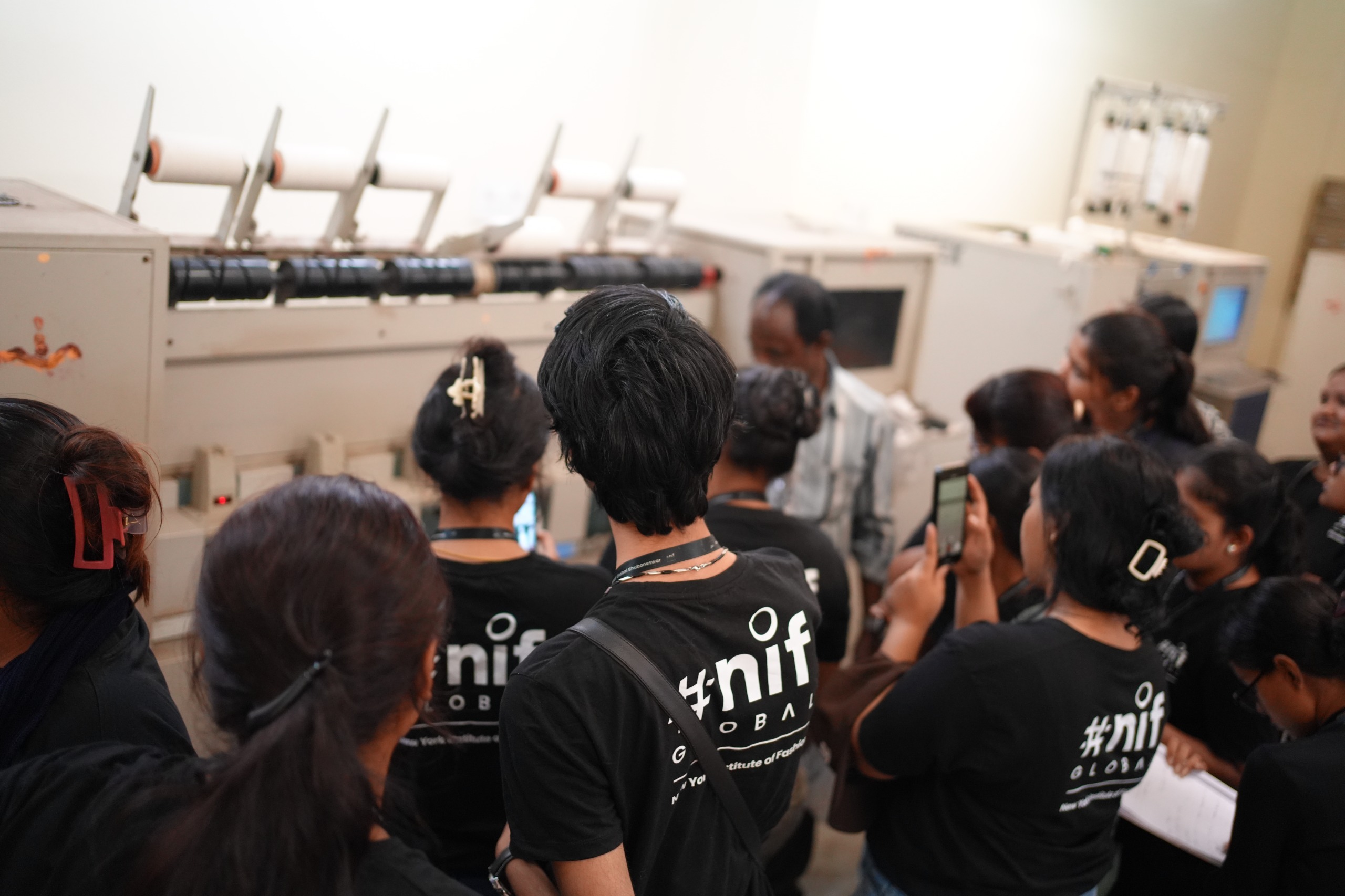
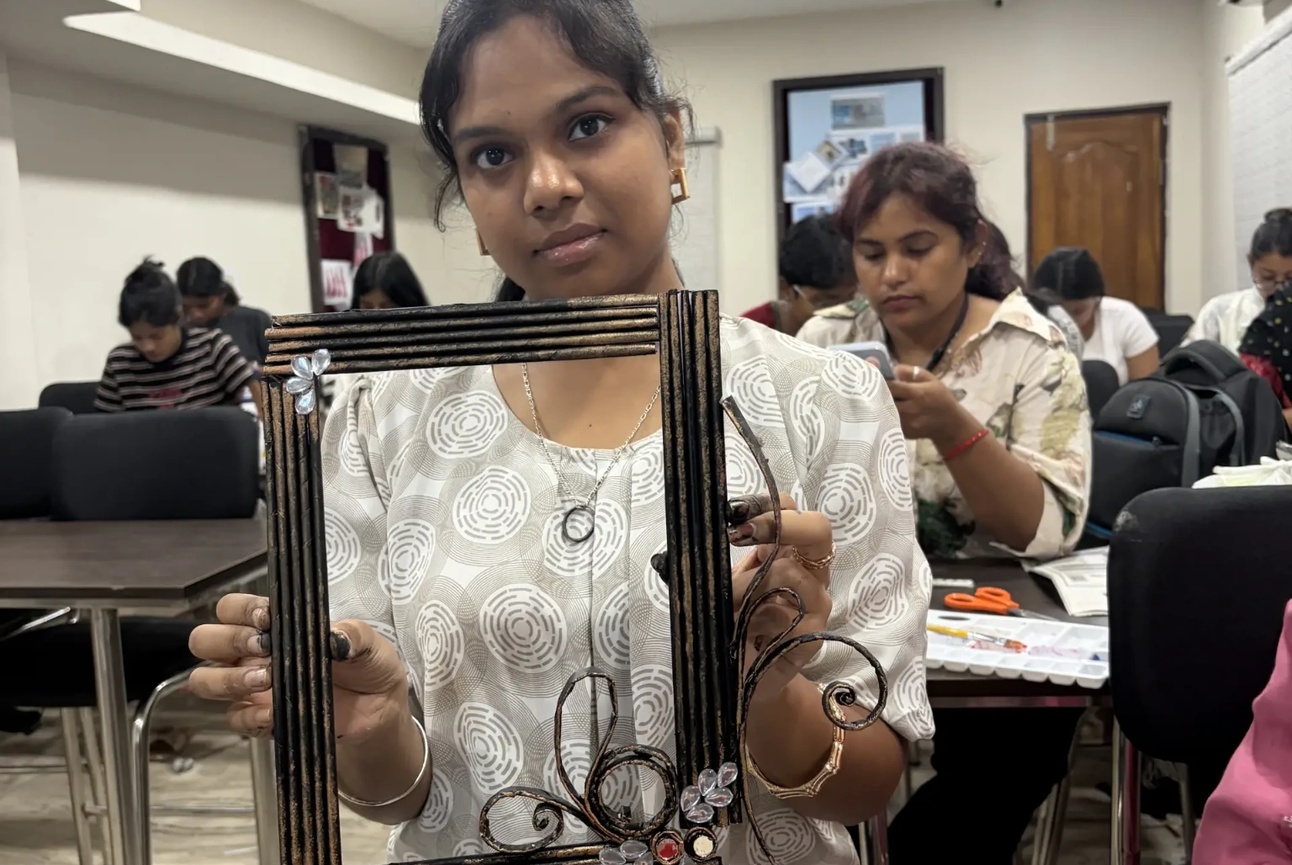
That means checking whether a course covers residential and commercial design in equal measure, since both are booming right now. It means asking whether students get exposure to real construction sites and not just studio assignments, because reading a floor plan on paper is a very different skill from walking a half-finished apartment and figuring out where the wiring conflicts with your ceiling design. And it means finding out whether the faculty have actually worked on live projects in Odisha, rather than teaching design principles borrowed entirely from textbooks written for a different market.
What Local Exposure Actually Gives You
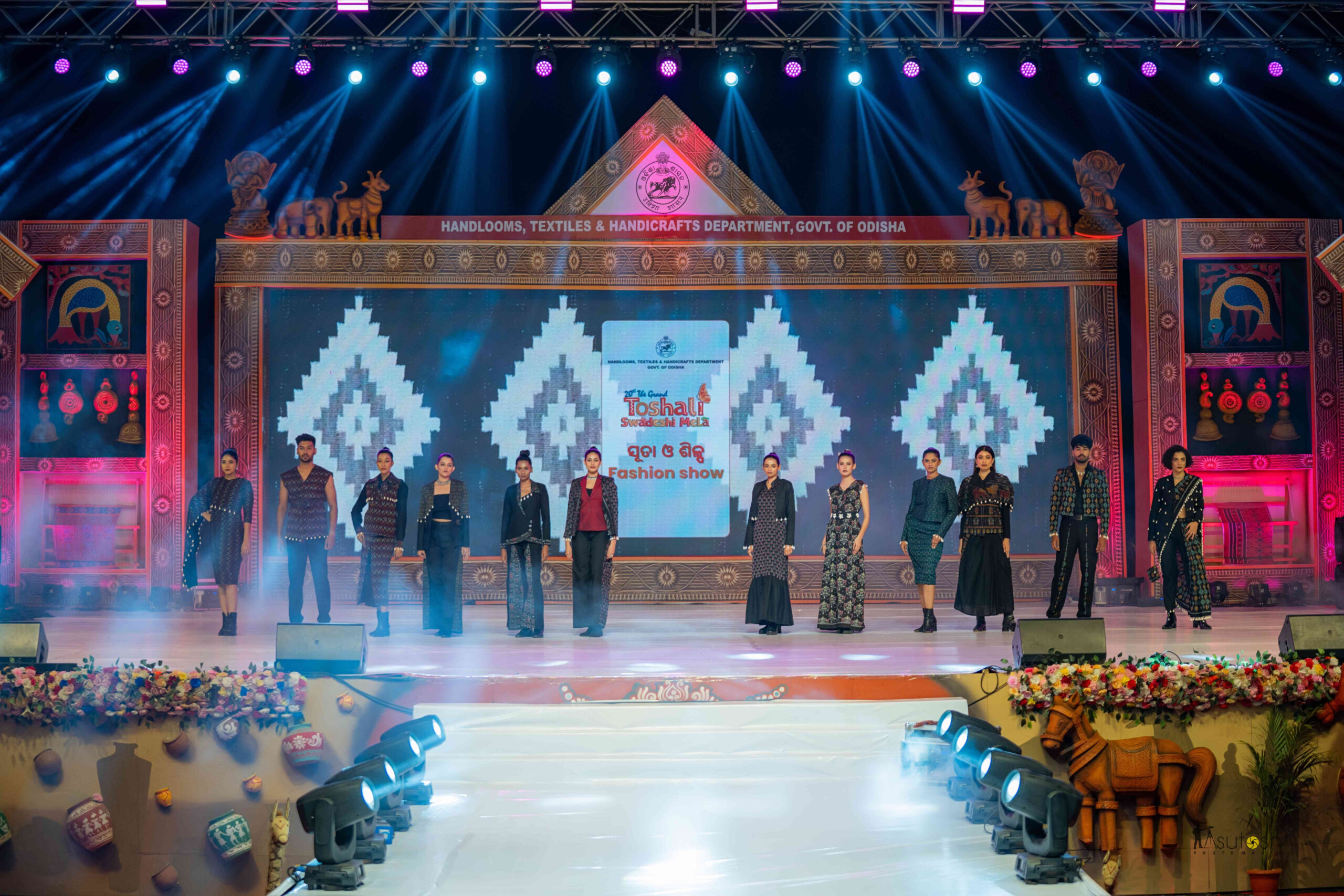
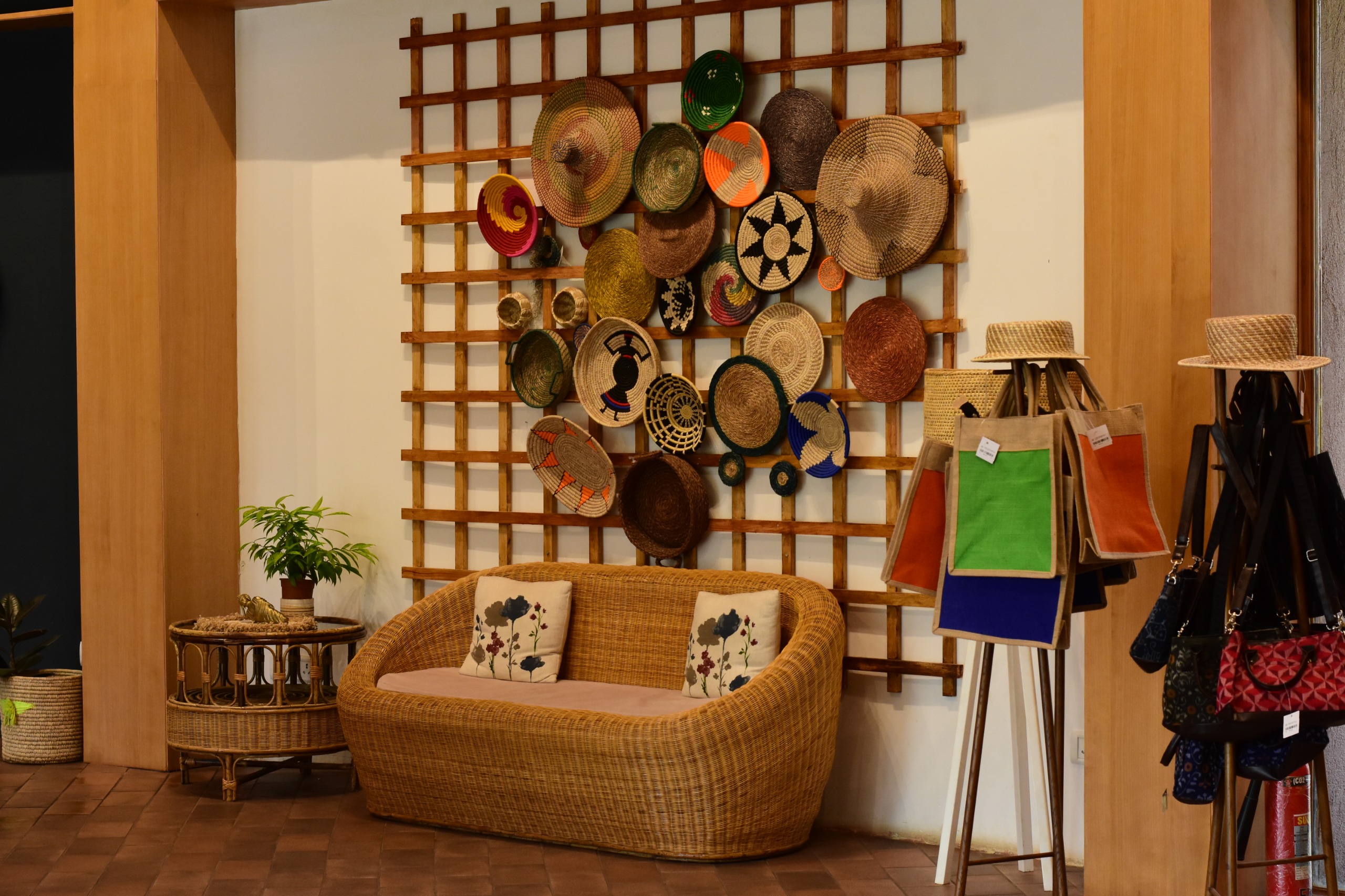
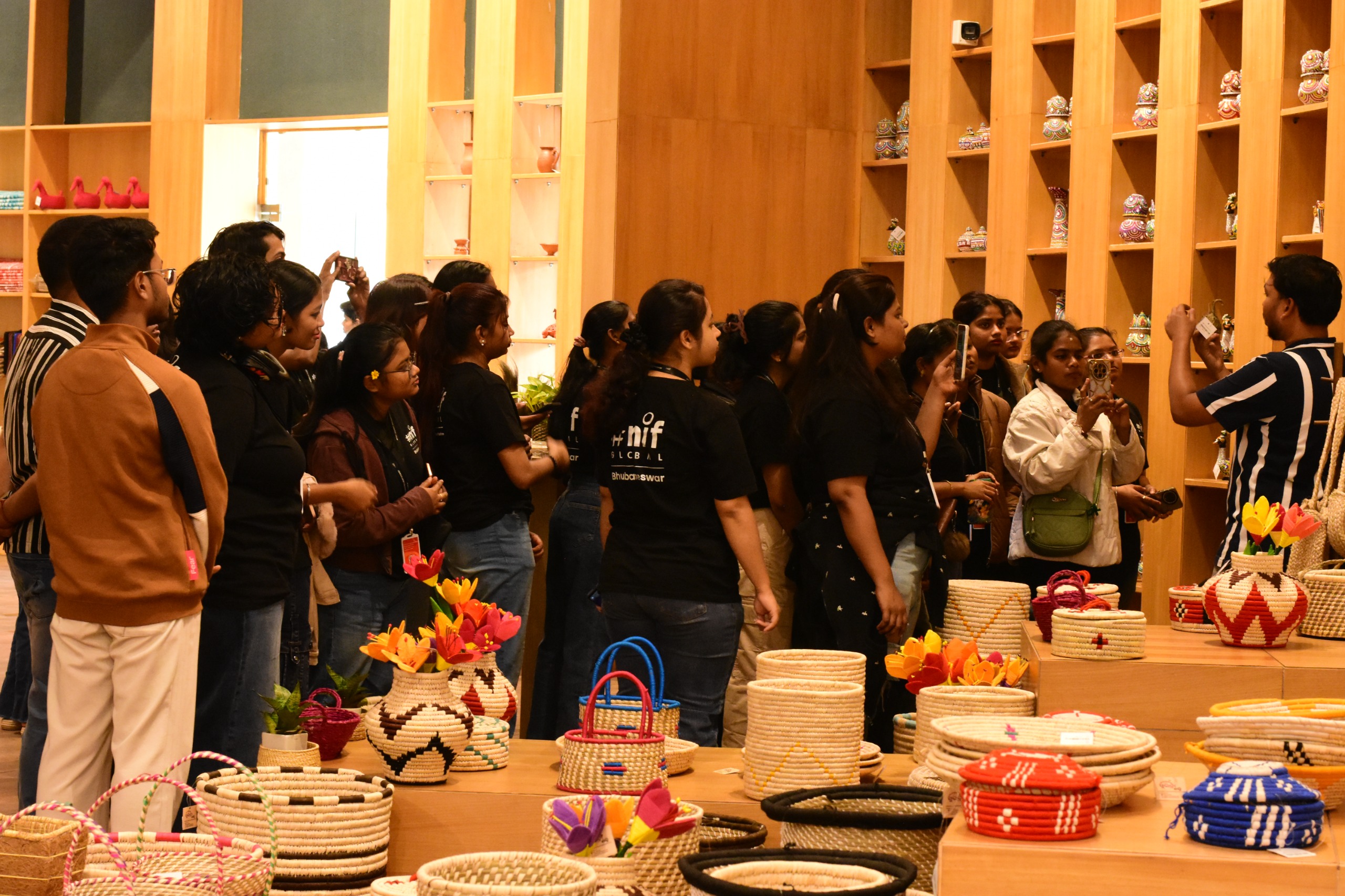
Odisha has its own design language — a mix of traditional craft, coastal aesthetics, and increasingly, a demand for modern minimalist interiors that still nod to regional materials like terracotta, stone, and handloom textiles. Students who train somewhere plugged into this context tend to graduate with a design sensibility that’s harder to fake later.
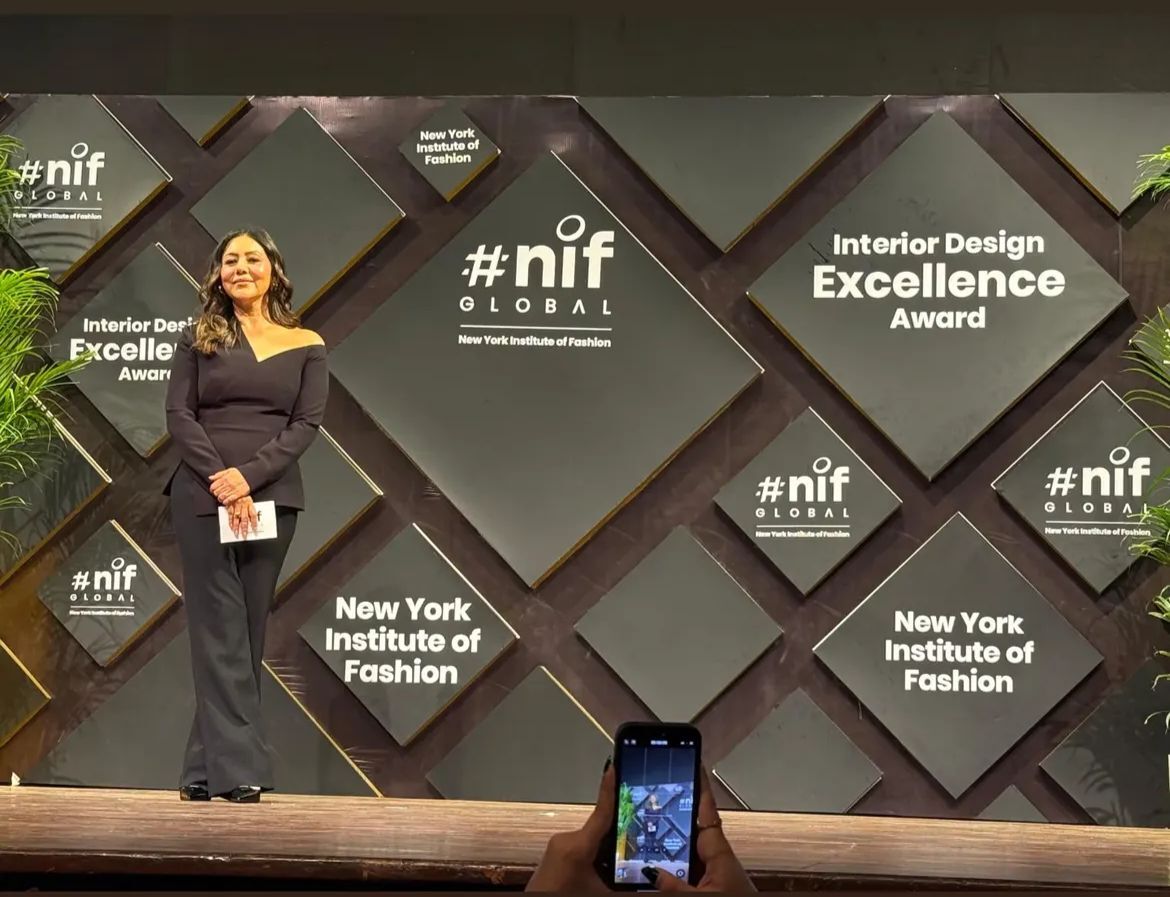
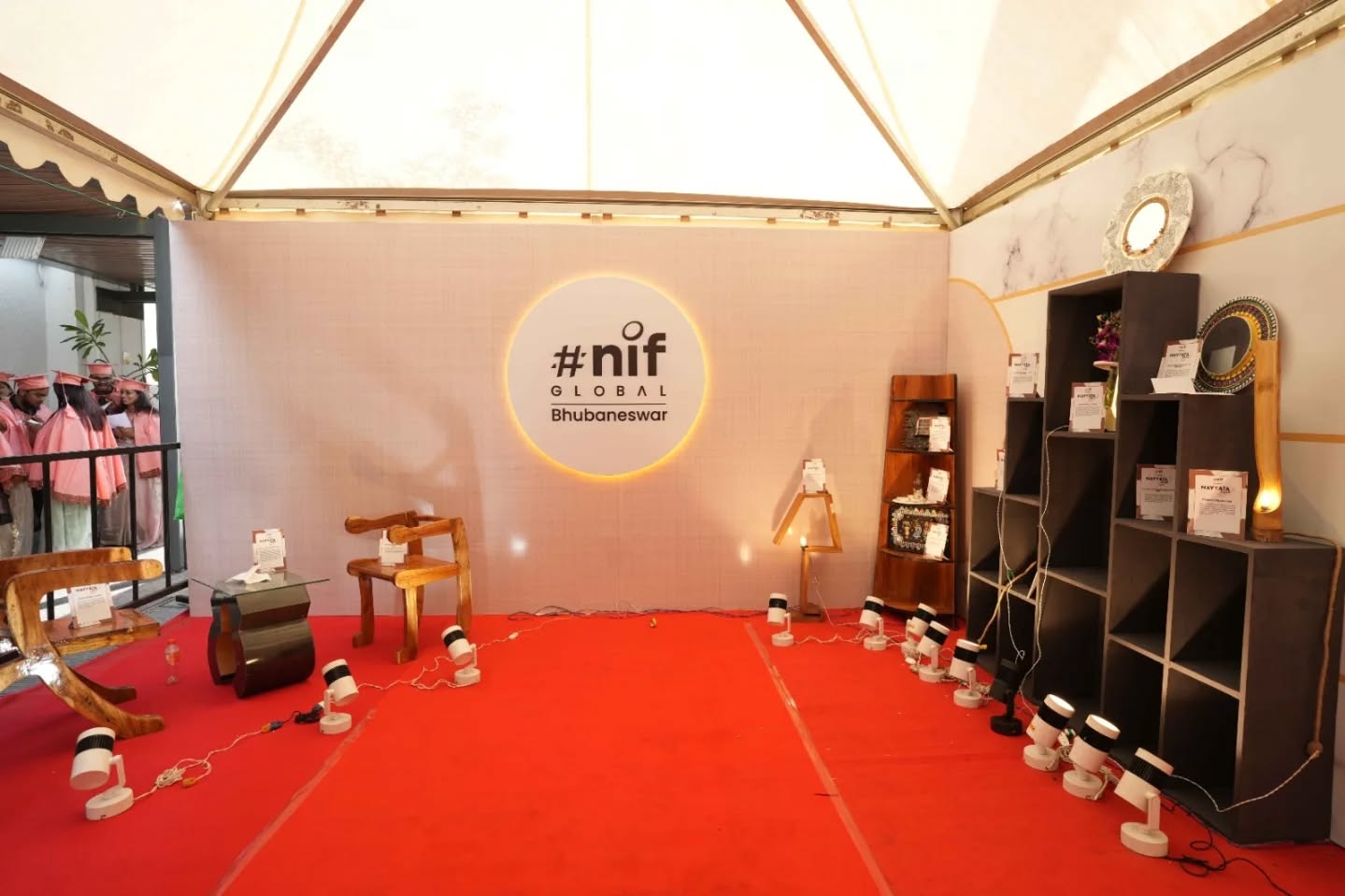
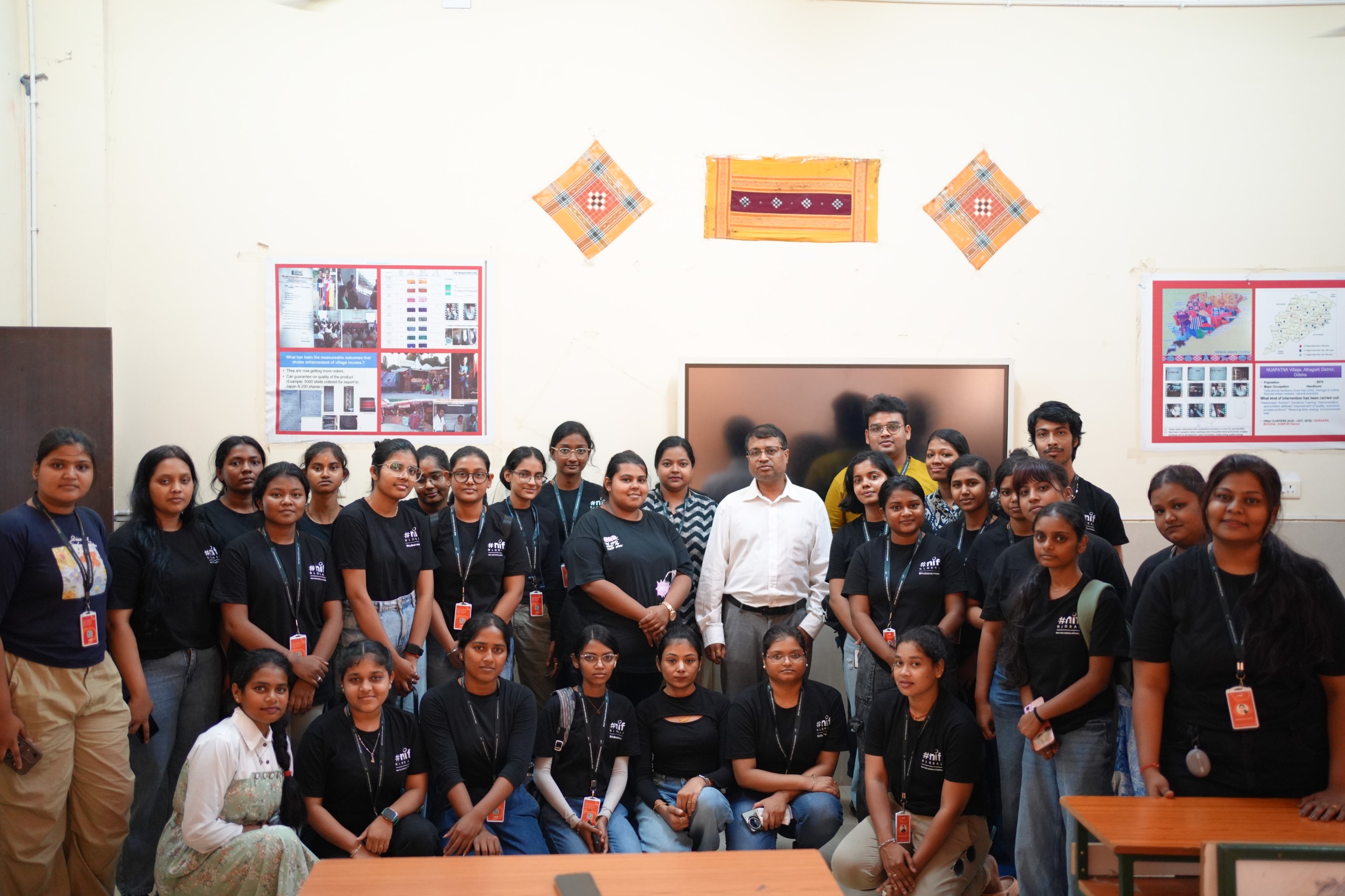
This is one area where a college like NIF Global Bhubaneswar has an edge simply by being located here. Students aren’t learning design in the abstract; they’re learning it while surrounded by the exact kind of buildings, materials, and client expectations they’ll be working with the moment they graduate. That local grounding, paired with formal training in the fundamentals, tends to produce designers who can walk into a client meeting in Bhubaneswar and already understand the room.
The Skills That Actually Get You Hired Right Now
Interior design has changed shape over the last few years, and the best colleges have had to keep up. Beyond the usual space planning and drafting skills, employers today are looking for graduates who can:
● Work confidently across both residential and commercial project briefs
● Handle site visits and coordinate with contractors, not just design on paper
● Use industry-standard software for drafting and visualisation
● Understand sustainable material choices, which clients are increasingly asking about
● Present ideas clearly to clients who may not read a floor plan the way a designer does
A college that builds all of this into the course, rather than treating it as something you’ll “pick up on the job,” saves you a couple of rough years figuring it out the hard way.
Choosing a College With Odisha’s Growth in Mind
If you’re weighing your options, it helps to think less about which college has the flashiest campus and more about which one is set up to place you into a market that’s actually hiring. Ask about the kind of projects recent graduates have worked on. Ask whether the college has relationships with builders, architects, or design firms operating in the state right now. Ask how much of the coursework involves real sites versus simulated ones.
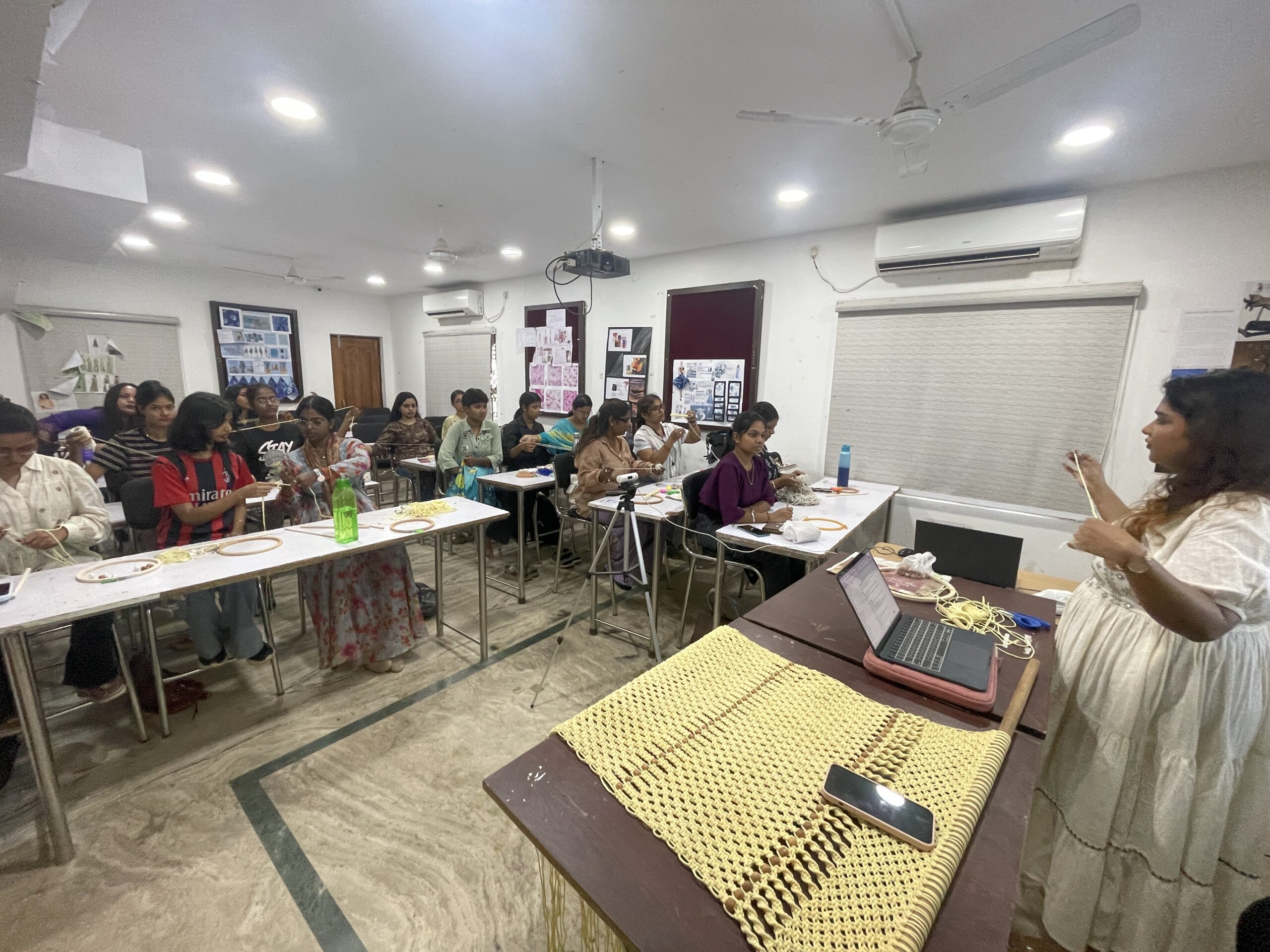
At NIF Global Bhubaneswar, the interior design program is built around exactly this shift — practical, project-based learning that mirrors what the local industry is actually asking for, delivered by faculty who’ve worked on real spaces across the city. For students trying to time their entry into a growing field, that combination of location and practical grounding tends to matter more than a name on a certificate.
The Bigger Picture
Odisha’s skyline isn’t slowing down anytime soon, and every new building that goes up needs someone to design its interior. That demand isn’t going away — if anything, it’s likely to grow as more of the state’s cities expand. Choosing the best interior design college in Odisha right now isn’t just about starting a creative career. It’s about stepping into a market with real, immediate demand, provided your training actually matches what that market needs.
Frequently Asked Questions
1. Why is now a good time to study interior design in Odisha?
Odisha’s cities are seeing rapid construction across residential, commercial, and hospitality projects, which has created strong demand for trained interior designers who can handle real, on-ground work rather than just design theory.
2. What should I look for in the best interior design college in Odisha?
Look beyond reputation and check whether the course covers both residential and commercial design, includes real site exposure, and is taught by faculty who’ve actually worked on live projects in the region.
3. Does studying locally in Odisha give any real advantage?
Yes. Training in a college based in Odisha means learning alongside the region’s actual design language, materials, and client expectations, which is harder to pick up from a generic, one-size-fits-all curriculum.
4. What skills do employers expect from interior design graduates today?
Beyond drafting and space planning, employers now expect graduates to be comfortable with site coordination, design software, sustainable material choices, and clear client communication.
5. Is NIF Global Bhubaneswar a good option for interior design?
NIF Global Bhubaneswar structures its interior design program around practical, project-based learning led by faculty with real project experience in the region, which suits students aiming to enter Odisha’s growing construction and design market.
6. What kind of jobs can I expect after an interior design course in Odisha?
Graduates typically move into residential and commercial design roles, work with architecture and construction firms, join furniture or material design studios, or eventually set up independent design practices.
7. How do I get in touch with NIF Global Bhubaneswar for admissions?
You can visit the NIF Global Bhubaneswar website or call +91 9090638545 to learn more about the interior design program and admission process.