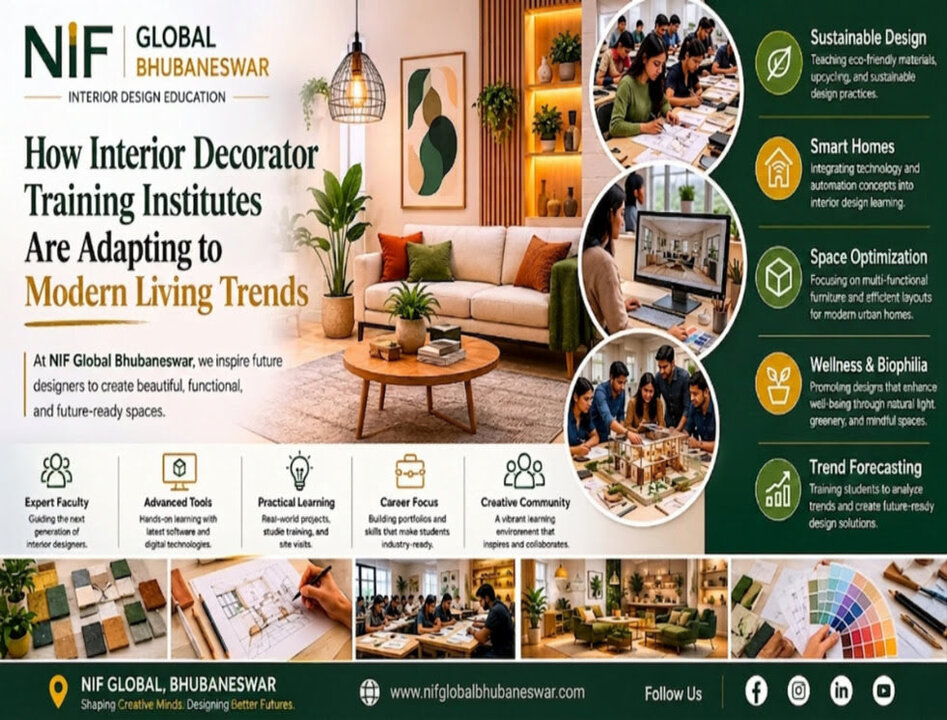
The world of interior design is evolving at a rapid pace. Today’s homes are becoming smarter, more sustainable and multifunctional, as well as being highly personalised. As lifestyles change, the demand for interior designers with the right skills and knowledge of new lifestyle trends is also increasing. This is why interior decorator training institutes are now changing their courses to meet the needs of modern homeowners and businesses.
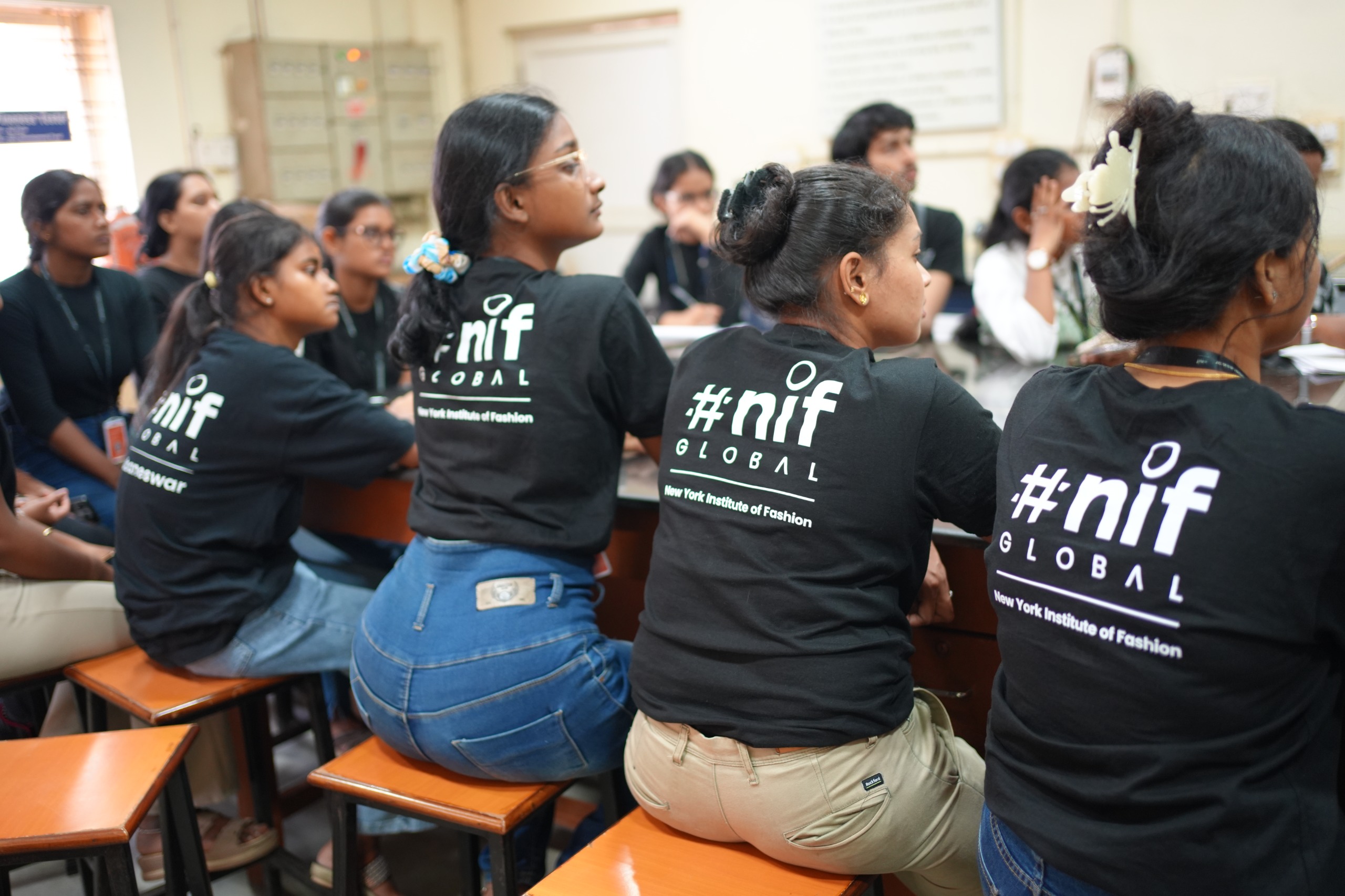
Students today are not just learning how to design furniture layouts and colour schemes. They are also developing the skills needed to create flexible workspaces, eco-friendly interiors, smart homes and wellness environments. To meet the demands of changing times, institutes such as NIF Global Bhubaneswar are adapting their teaching methods to provide students with the knowledge and skills they need for the future of interior design.
The Rise of Multi-Functional Living Spaces
The multi-purpose interior is one of the greatest transformations in contemporary living. Homes are so much more than just places to live. They are also often used as offices, entertainment spaces, study rooms and relaxation areas.
To keep up with this trend, many interior design training institutes are teaching their students how to make efficient use of small spaces. Students are introduced to concepts such as modular furniture, flexible layouts, optimising storage, and space-saving solutions.
Another important aspect of modern interior design courses is user behaviour and lifestyle analysis. Rather than simply designing a visually appealing space, students are encouraged to design interiors that enhance comfort, productivity and daily living.
Smart Home Technology Is Becoming Part of Design Education
The world of interior design has changed beyond recognition. Smart home lighting systems, voice-activated devices, automated blinds and AI-driven appliances have become commonplace.
Therefore, interior decorator training programmes need to cover smart home integration. Students are learning how technology relates to interior aesthetics and function.
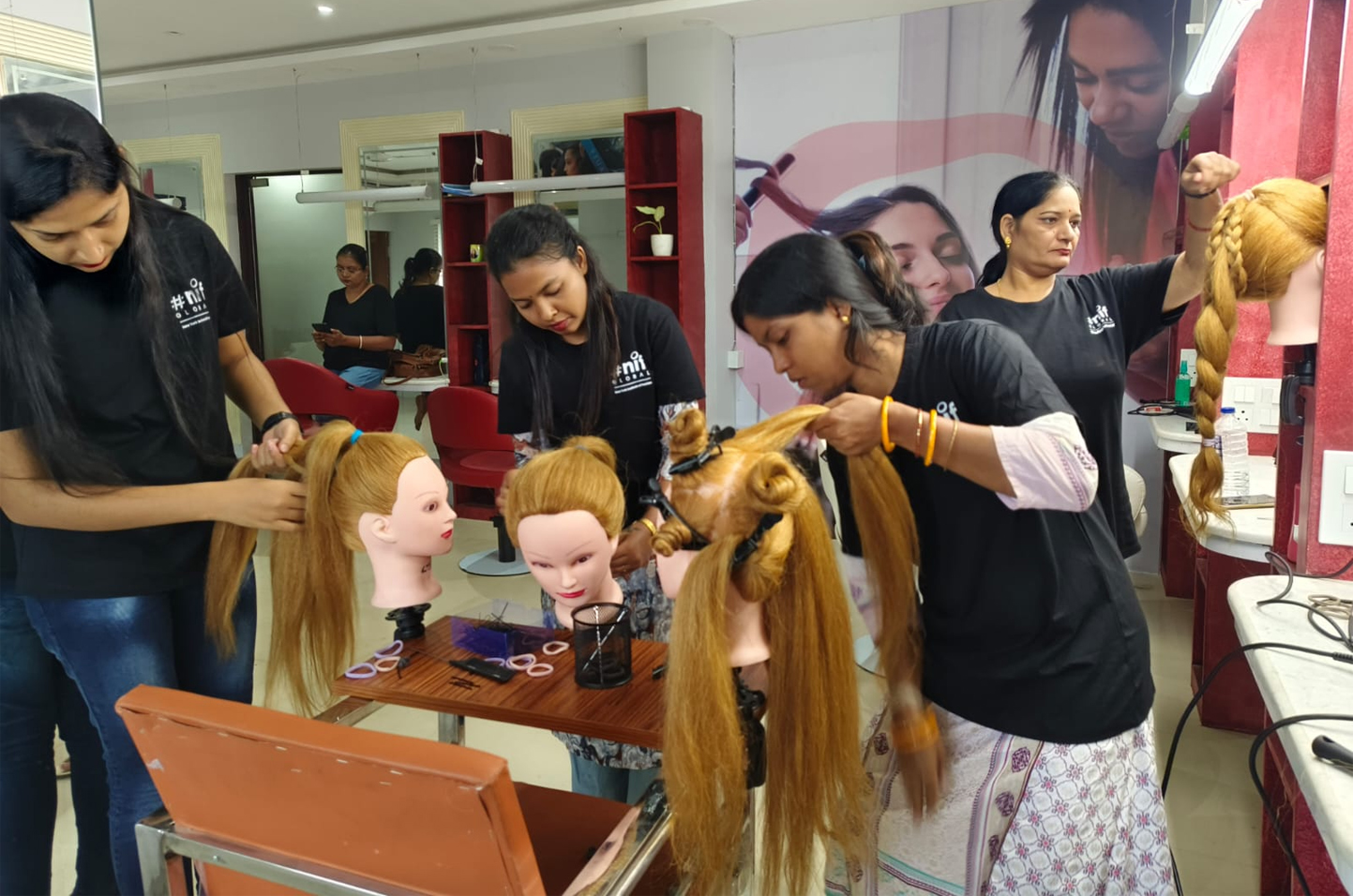
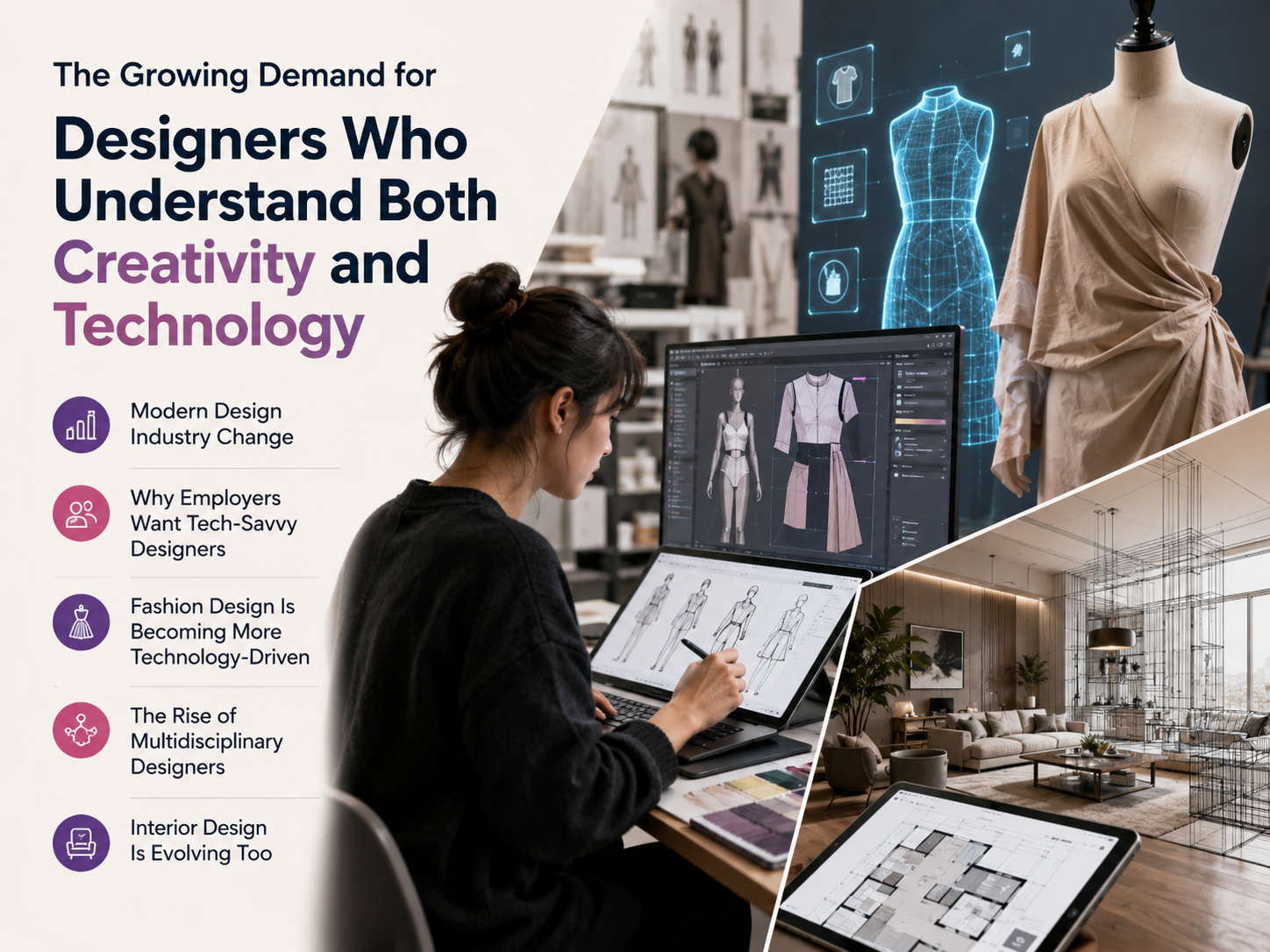
Several institutes are starting to offer software training in 3D visualisation, digital floor planning, and virtual walk-throughs. NIF Global’s programmes focus on hands-on experience and industry-relevant learning, equipping students with insights into current industry trends and future market demands. The combination of creativity and technology gives aspiring designers a valuable edge.
Sustainability Is Now a Core Design Principle
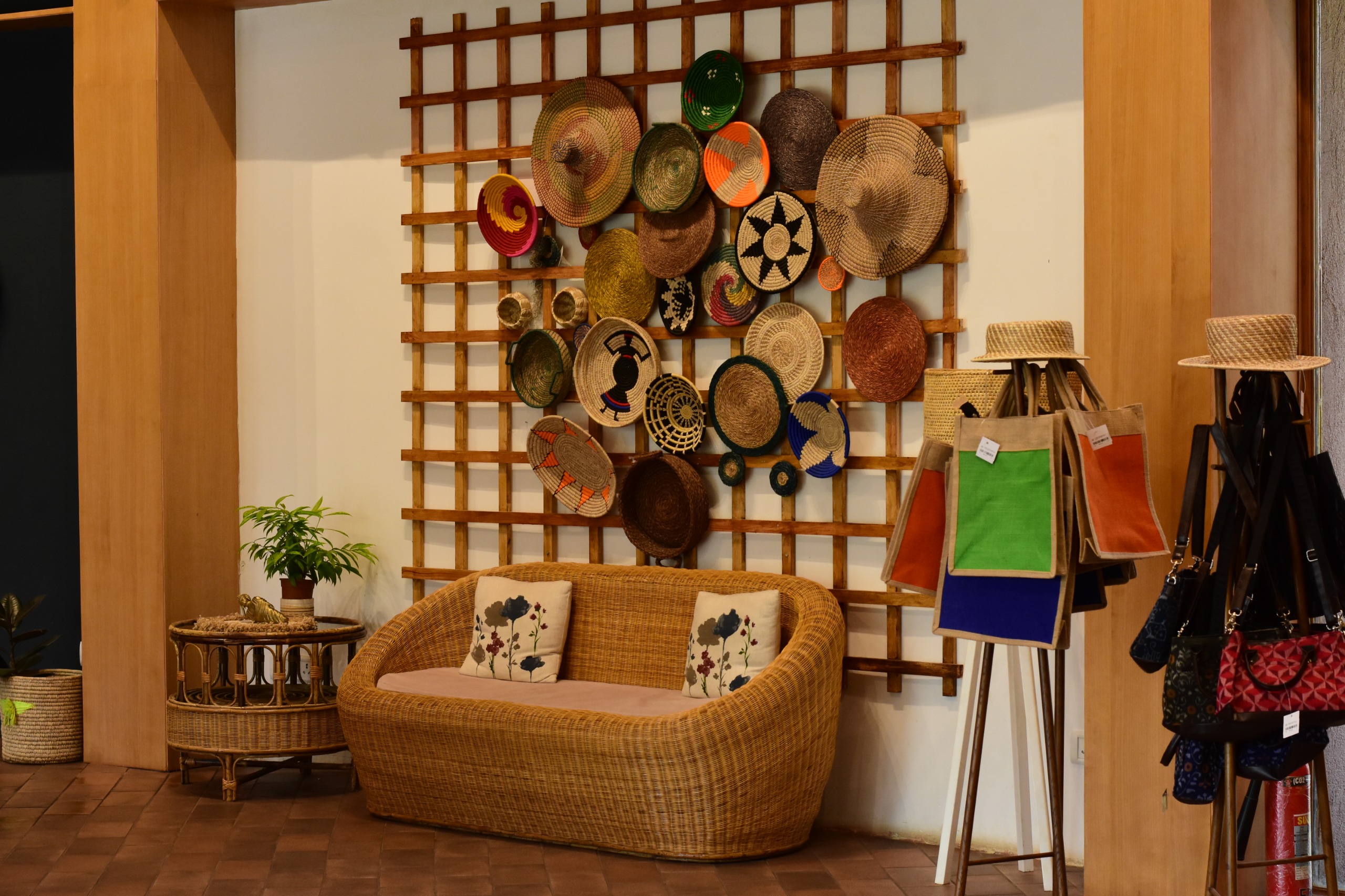
Sustainable living is becoming a reality. It’s a big priority for homeowners and businesses everywhere. Today’s clients are looking for sustainable design methods, energy-efficient interiors and eco-friendly materials.
In response to this, interior decorator training institutes are now teaching sustainable interior design as a compulsory subject. Students are introduced to:
● eco-friendly materials
● energy-efficient lighting
● sustainable furniture choices
● reducig waste in interior projects
● natural ventilation concepts
● biophilic design principles
NIF Global’s interior design programme also emphasises sustainable and environmentally conscious design methods that align with industry expectations. This enables students to create designs that are aesthetically pleasing and eco-friendly.
Greater Focus on Real-World Industry Exposure
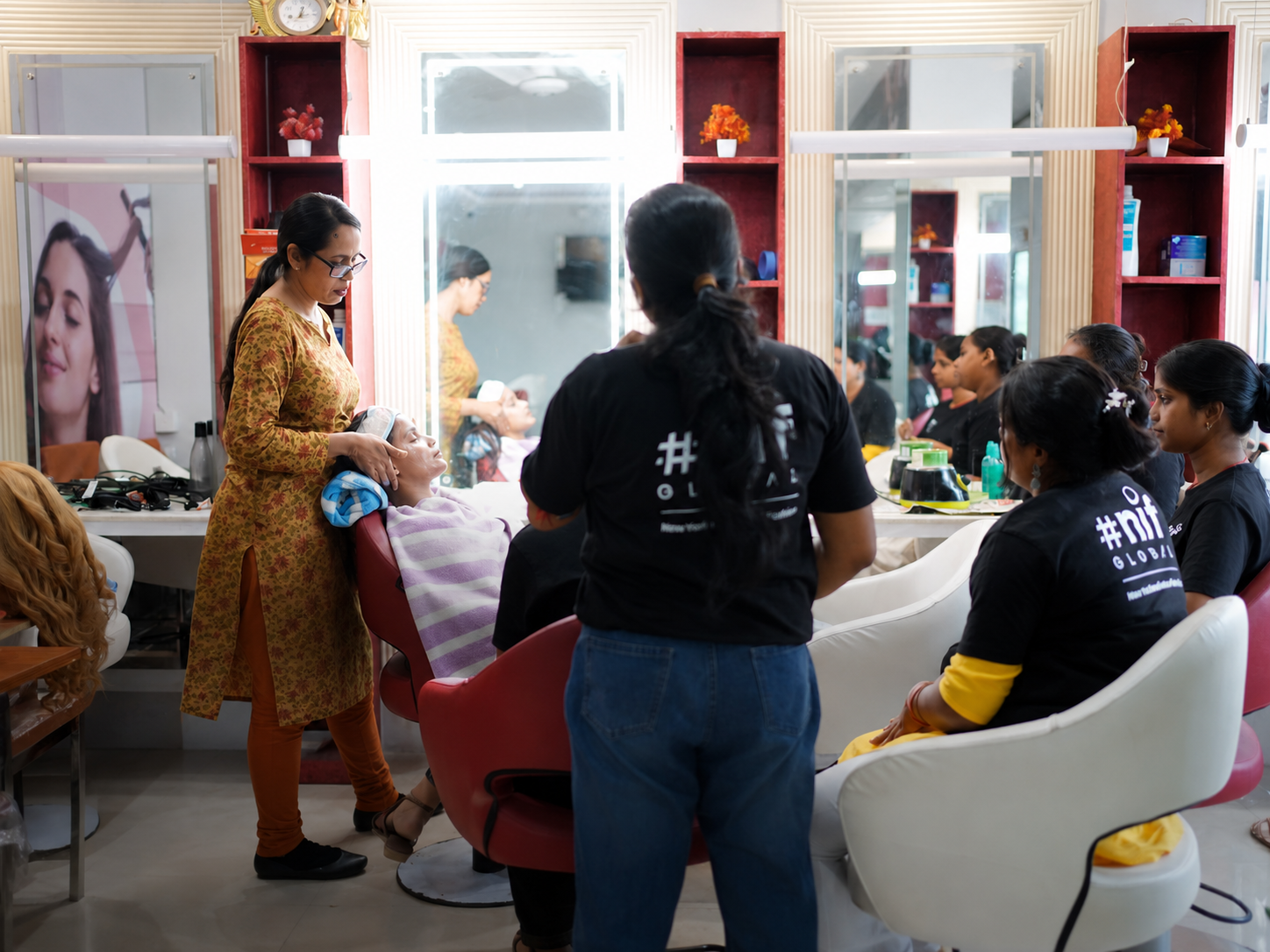
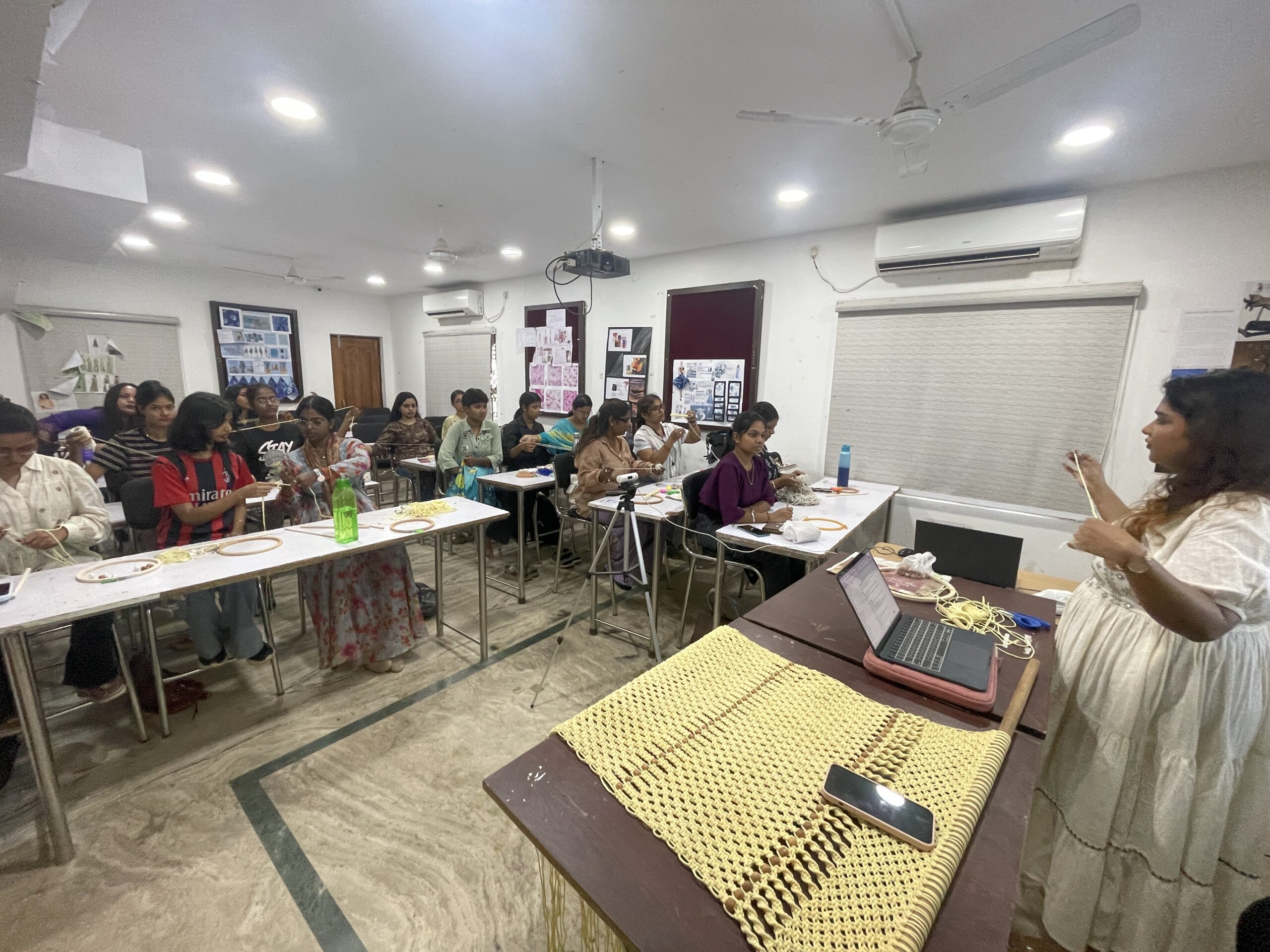
The traditional classroom-based approach to learning is gradually fading from the design field. Modern students should be given hands-on experience of real projects.
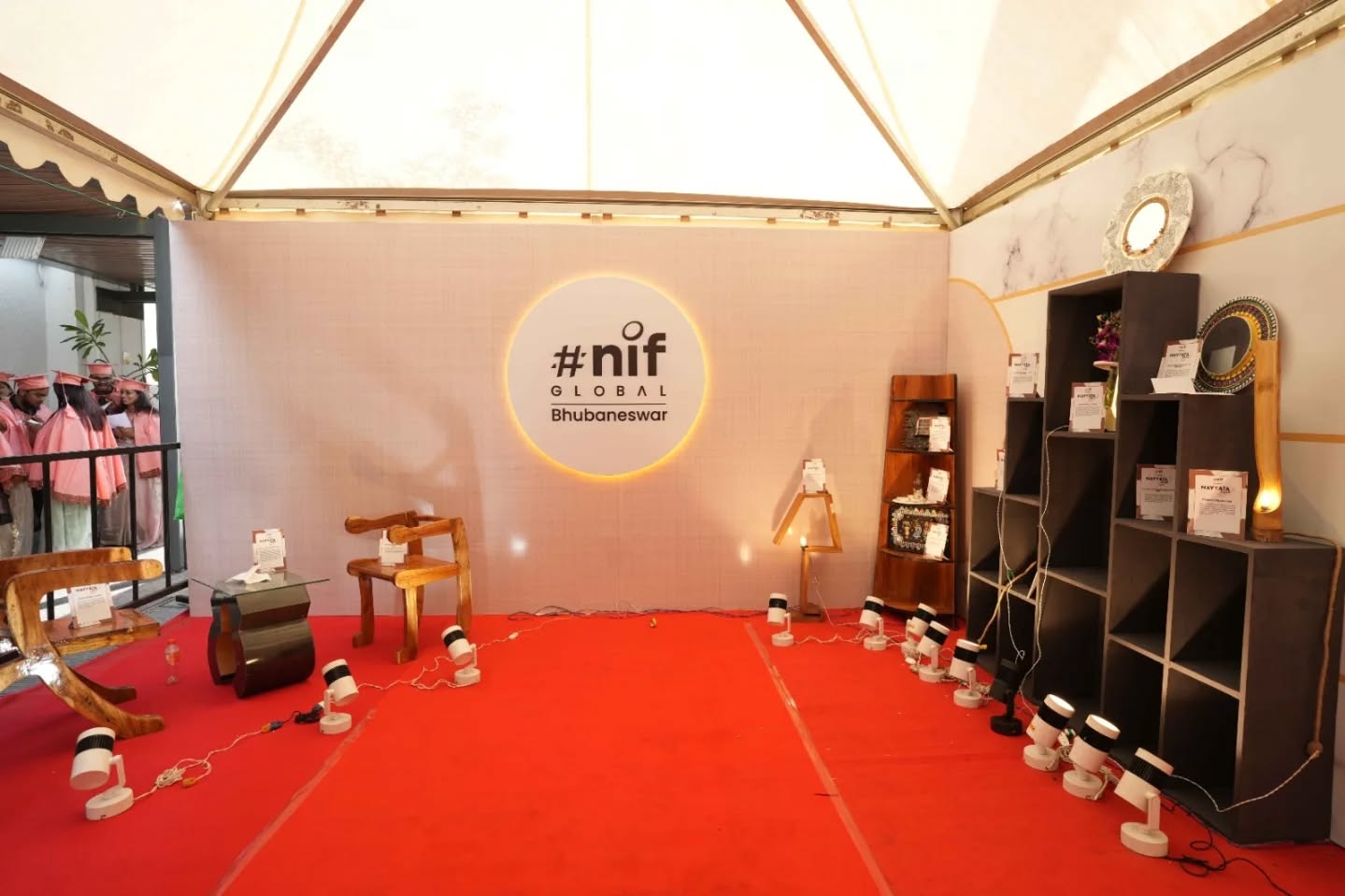
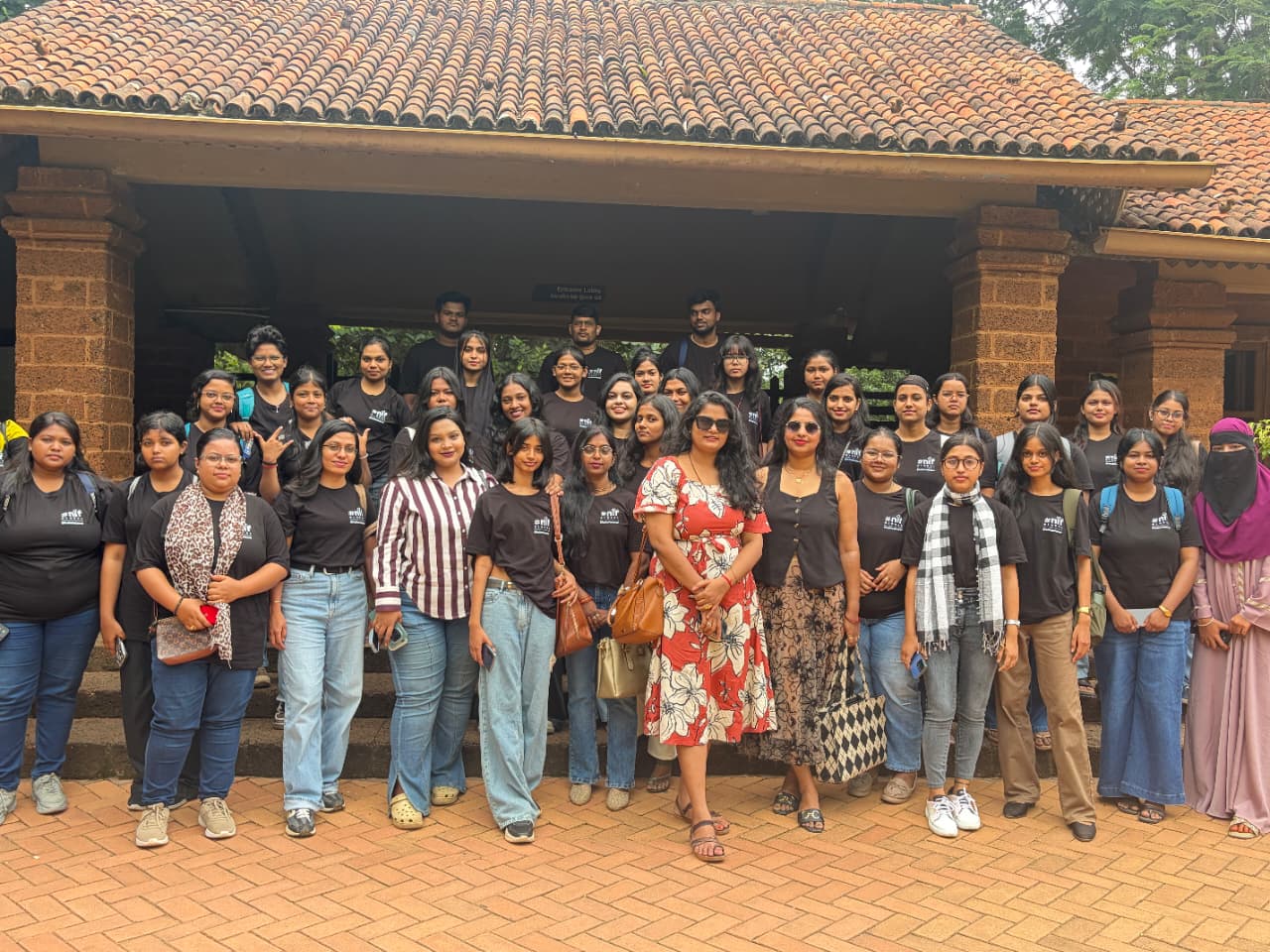
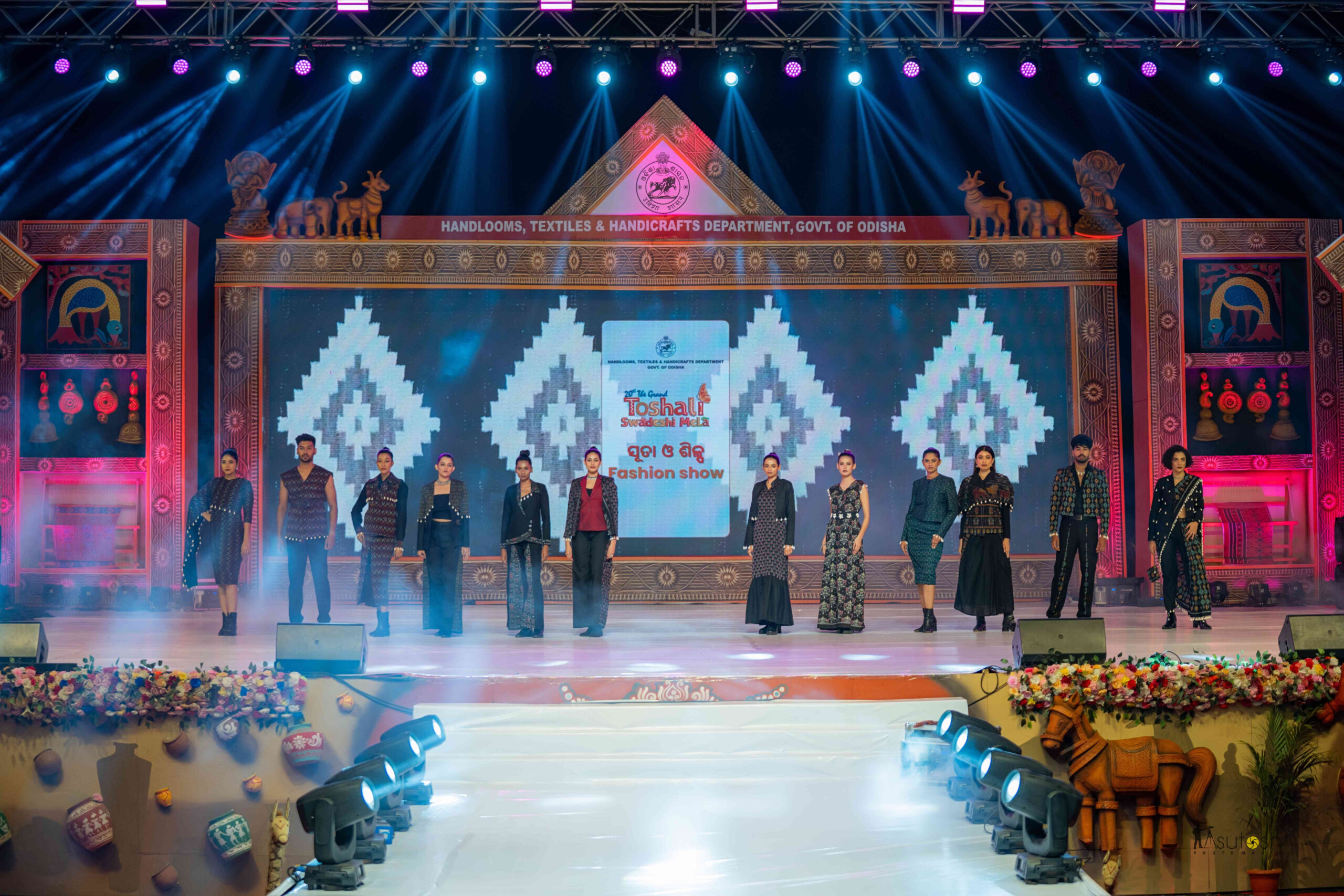
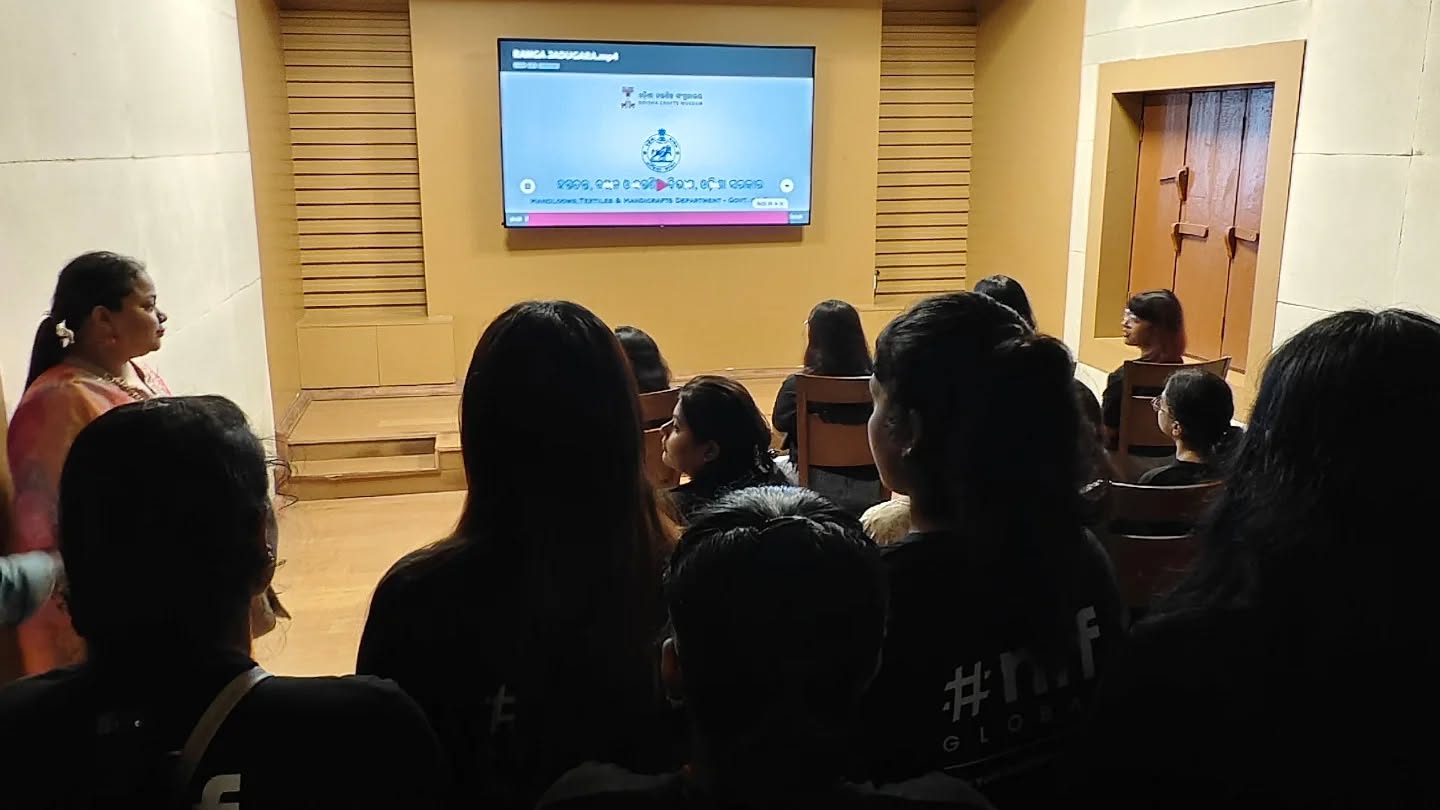
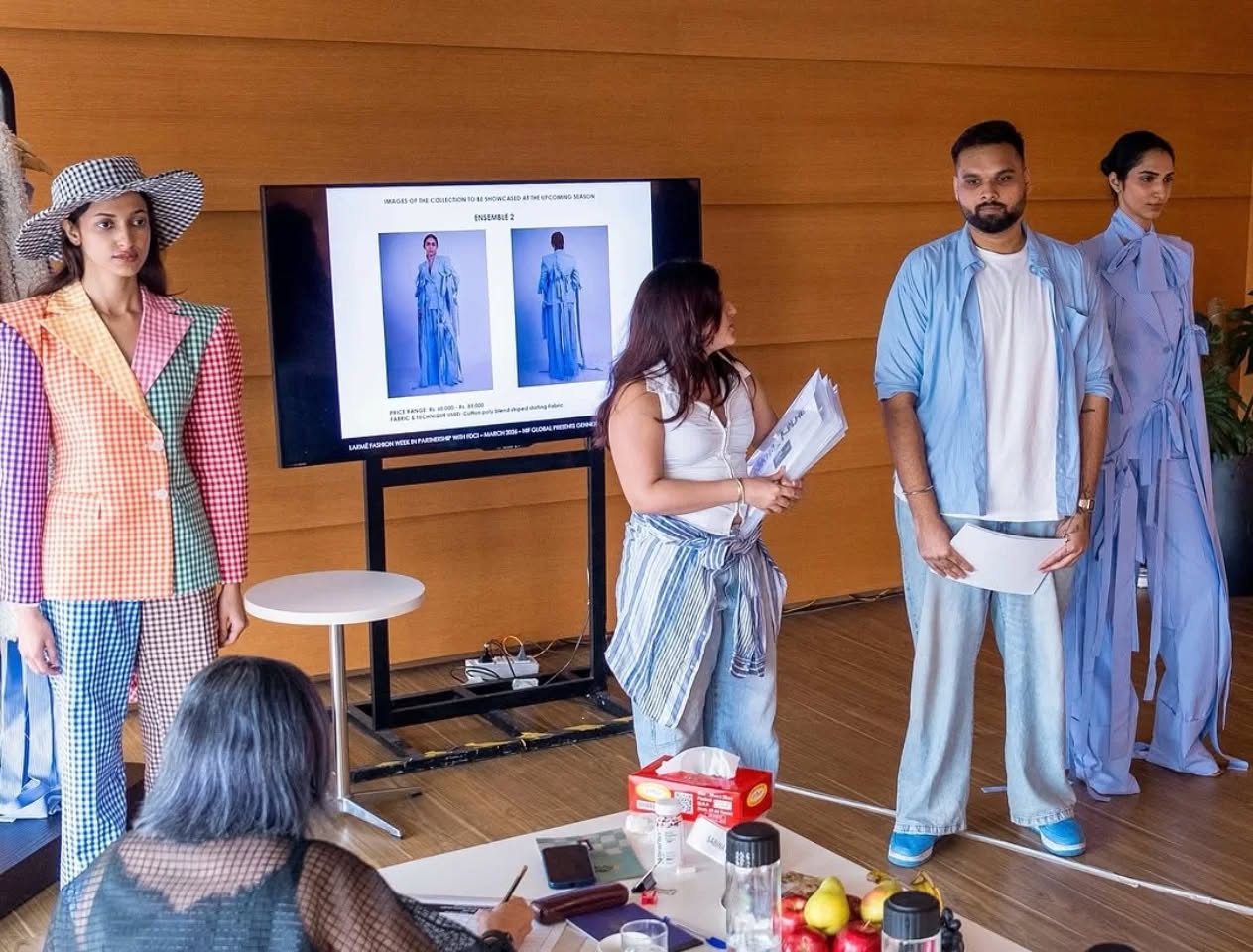
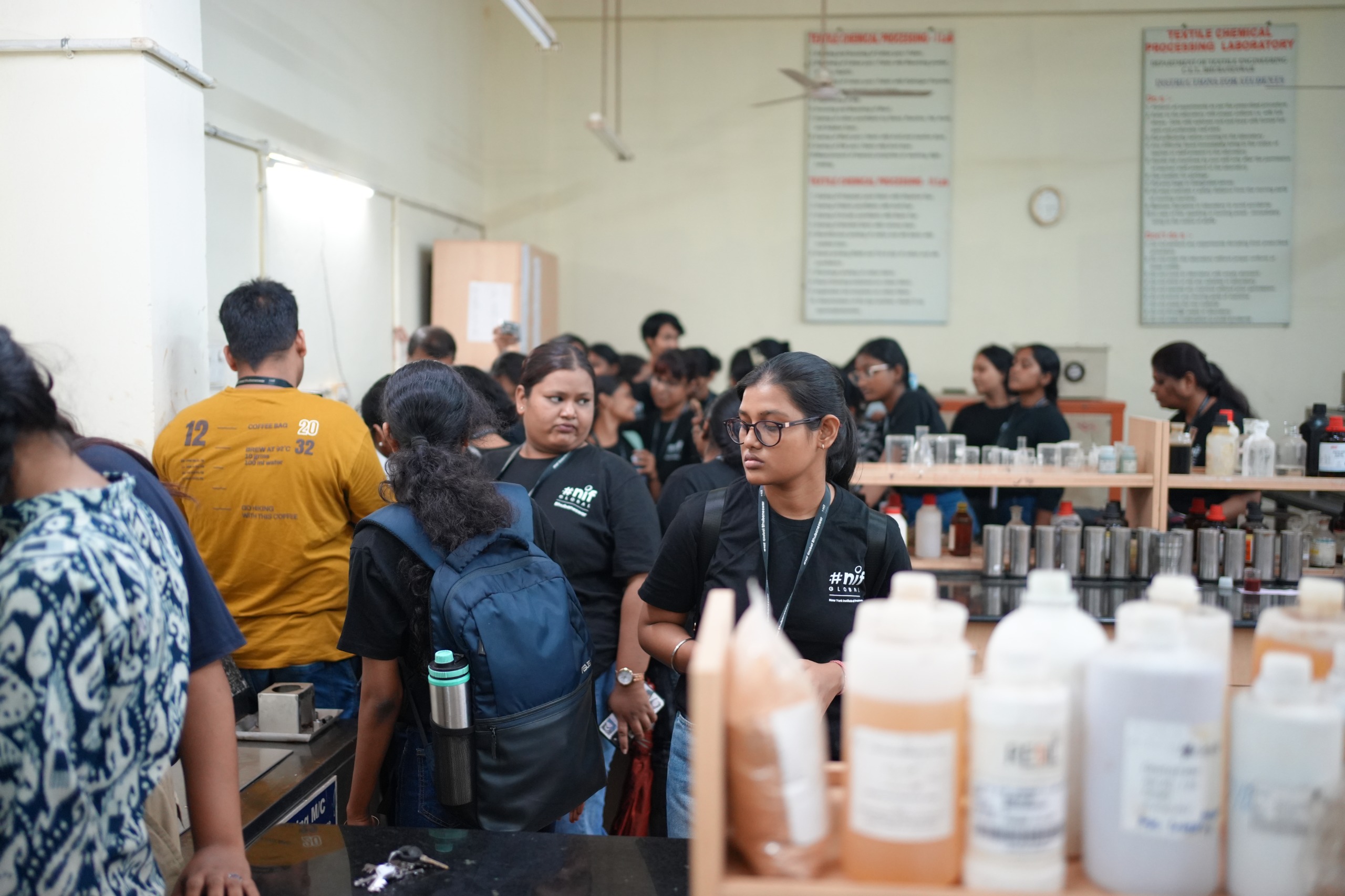
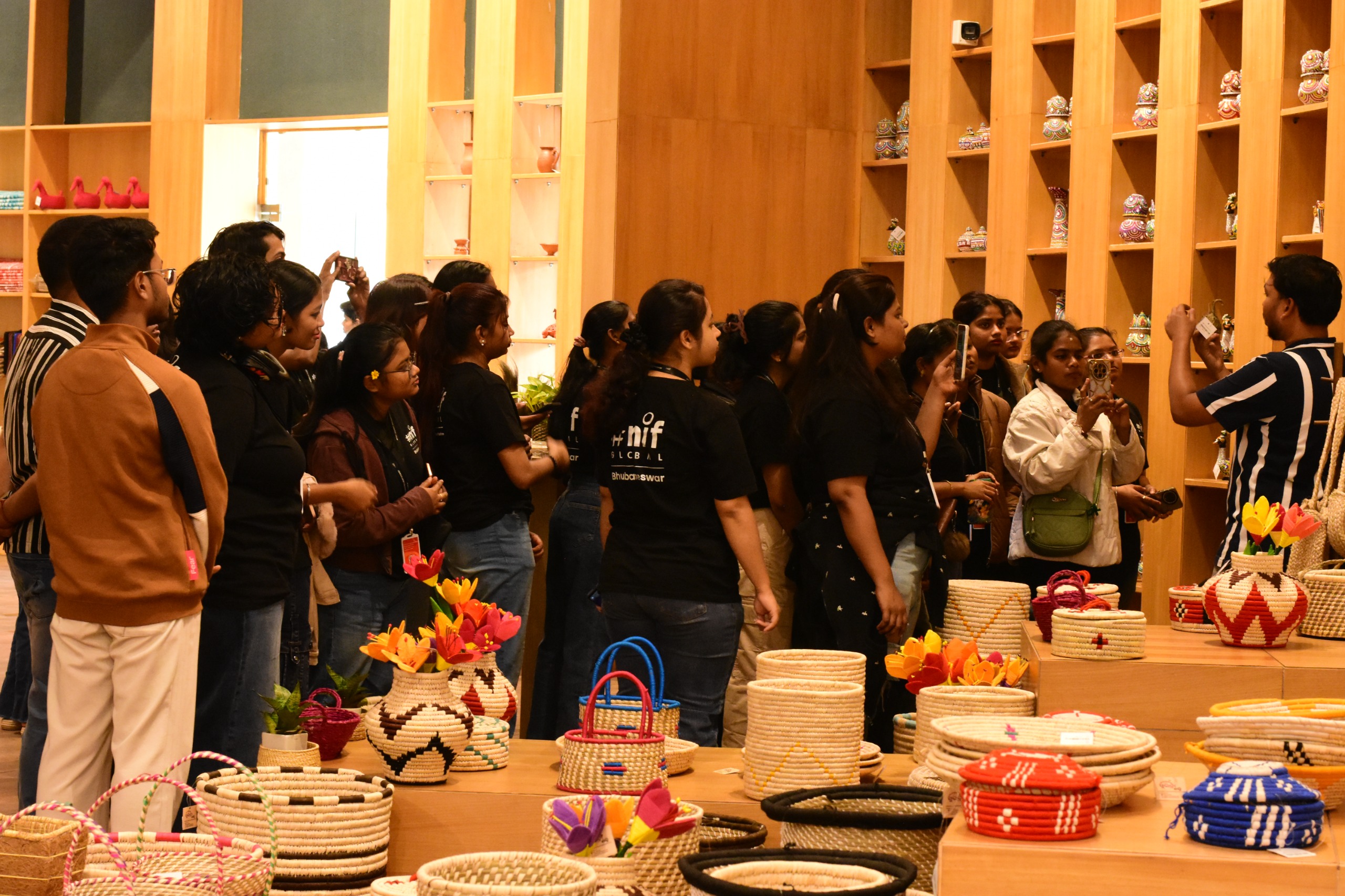
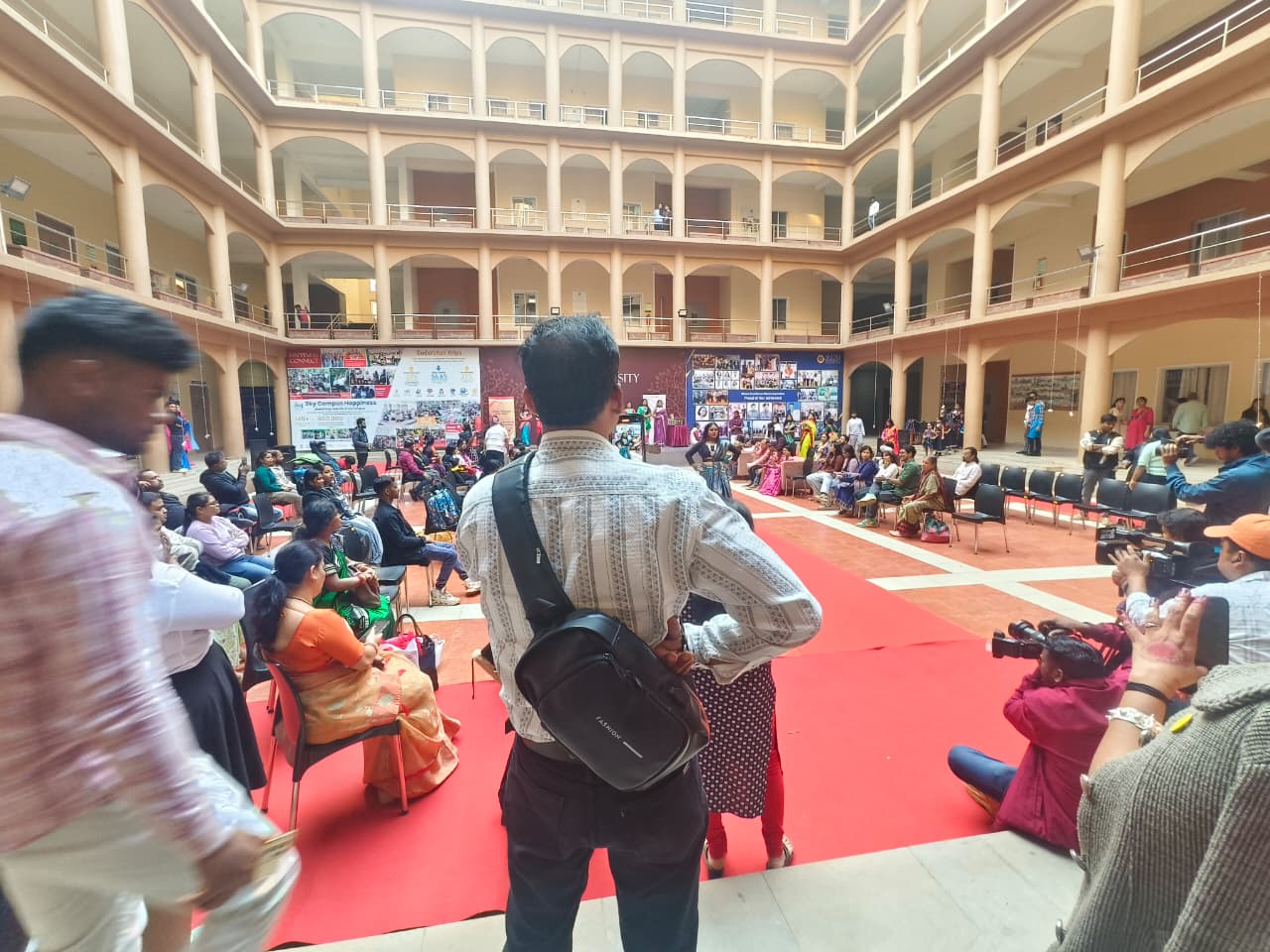
Consequently, leading institutes are incorporating internships, live projects, workshops and industry collaboration into their curricula. Nowadays, many design institutes allow students to participate in exhibitions, design shows, and industry events.
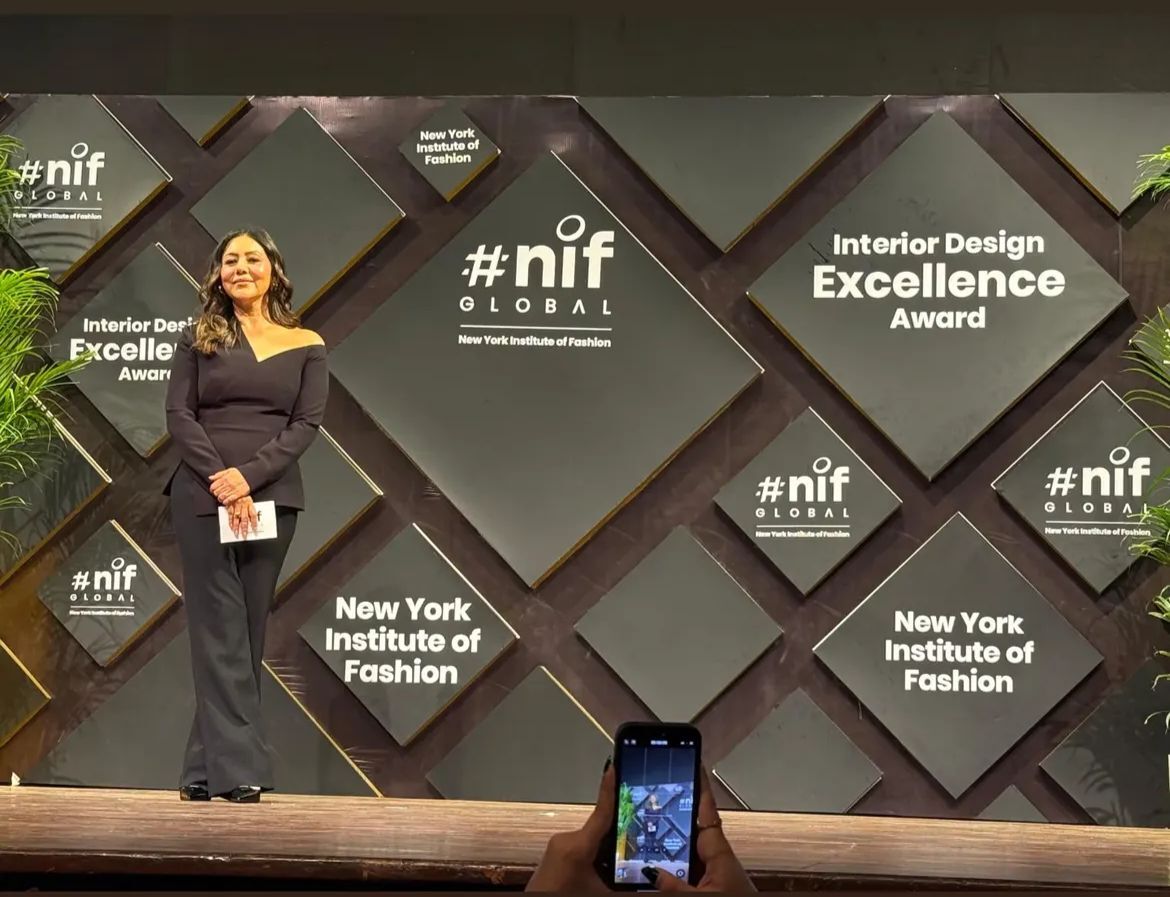
NIF Global is renowned for providing industry-oriented learning experiences and exposure to national and international platforms, building students’ confidence and professional skills in the early years of their careers.
This practical approach helps students to understand their clients’ needs, budgets, project implementation and design presentation skills.
Wellness-Centred Interior Design Is Gaining Popularity
Modern living trends are also shaping the way people experience spaces emotionally. Today’s homeowners desire spaces that are calming and soothing and that relieve stress and make them feel better.
For this reason, wellness-related design concepts are being incorporated into interior decorator training programmes. Students are introduced to the principles of lighting, texture, colour, ventilation and space planning, as well as their impact on human psychology and comfort.
Design education today goes beyond aesthetics. It’s about creating healthier and happier living environments.
Digital Learning and Hybrid Education Models
The education sector has undergone many changes in recent years. Nowadays, many design institutes are combining classroom learning with digital learning methods.
Design software training, virtual critiques, digital portfolios and blended learning are becoming increasingly commonplace. This allows students to stay up to date with industry tools and current workflows.
Institutes are also encouraging students to create digital portfolios and develop their personal brand, which can help prepare them for freelance work and modern design jobs.
Why Choosing the Right Interior Decorator Training Institute Matters
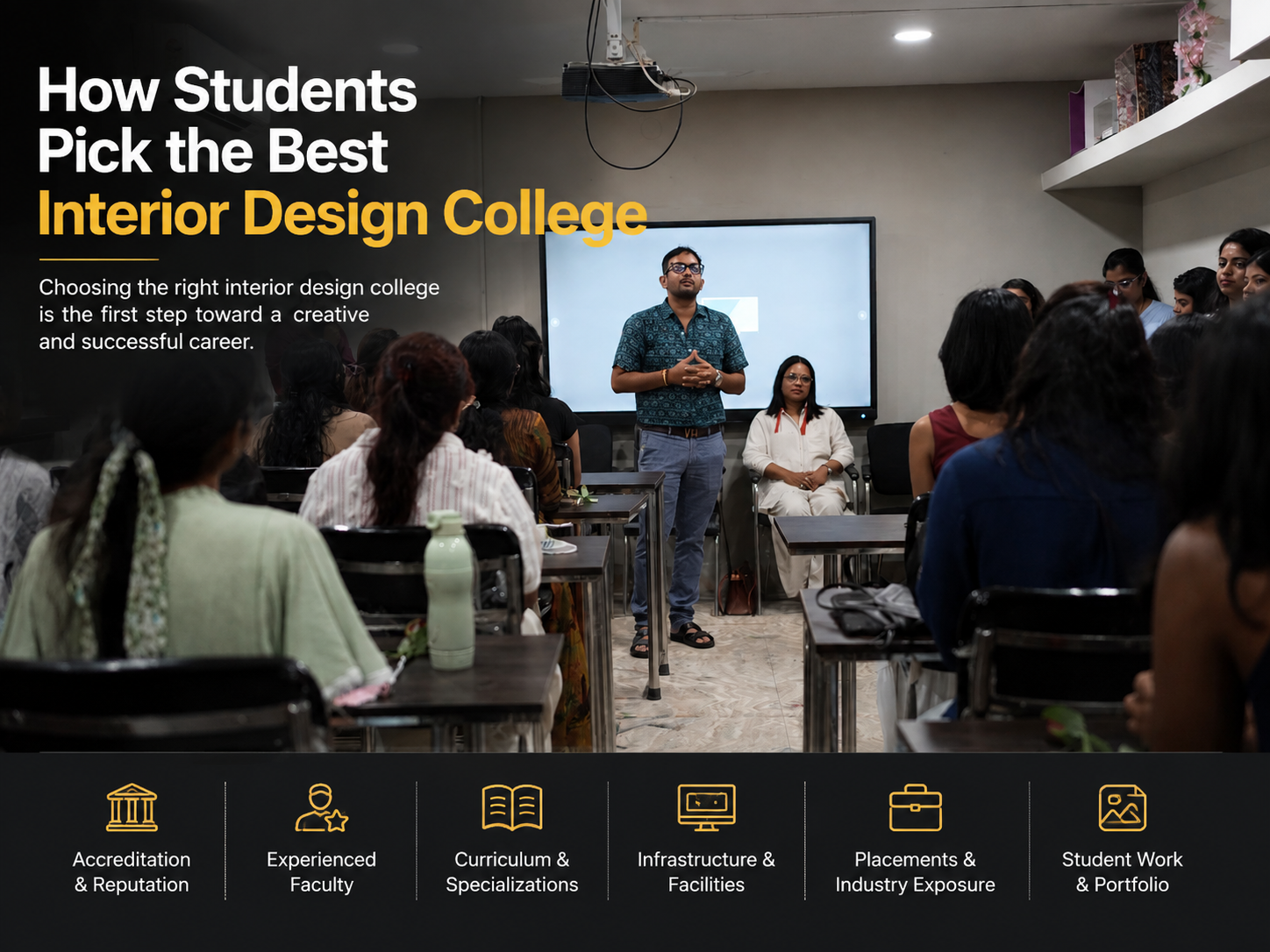
With changing trends in interior design, choosing the right interior design institute is more important than ever. Students should be taught to be creative and have technical skills, as well as being hands-on and aware of the industry.
A forward-thinking institute can help students develop stronger careers in residential design, commercial interior design, retail design, smart home consulting and hospitality design.
NIF Global Bhubaneswar offers interior design courses focusing on interior design skills, practical learning, sustainable interior design, and modern design technologies. Its course of study helps students prepare for the ever-evolving world of interior design.
Conclusion
The interior design industry is evolving alongside modern lifestyles, and education institutes are adapting too. The future of interior design demands a new breed of professionals who are adept at their trade, versatile, and ready to tackle the industry’s ever-changing landscape. The future of interior design is here, and it’s calling for a new generation of skilled, adaptable professionals who are ready to take on the challenges that lie ahead.
A modern interior decorator training institute must now be able to offer more than just basic design skills. They need to equip learners to be creative and technologically literate, understand their clients’ lifestyles, and solve practical design problems.
Institutes such as NIF Global Bhubaneswar offer industry-oriented courses and hands-on training to prepare aspiring designers for the future of interior design.
FAQs
1. What does an interior decorator training institute teach?
An interior decorator training institute teaches students about space planning, color theory, furniture design, materials, lighting, sustainable design, and modern interior technologies.
2. Why is sustainable design important in interior design courses?
Sustainable design helps students create environmentally friendly interiors using eco-conscious materials and energy-efficient solutions, which are highly demanded in today’s market.
3. Are smart home concepts included in modern interior design courses?
Yes, many modern interior design institutes now include smart home technology, automation systems, and digital design tools as part of their curriculum.
4. What career opportunities are available after completing an interior design course?
Students can work as residential interior designers, commercial designers, furniture consultants, space planners, visual merchandisers, or freelance interior decorators.
5. Why choose NIF Global Bhubaneswar for interior design?
NIF Global Bhubaneswar offers industry-oriented interior design programs with practical exposure, modern curriculum, sustainable design learning, and opportunities to gain real-world experience.