When searching for the best interior design colleges, students tend to compare rankings, fees, and campus photos. This seems like the natural course of action. However, one thing is usually overlooked: what you will actually learn on a daily basis.
Two colleges may appear equally top-rated online, but they can end up creating entirely different types of designers. One college might give you genuine projects and software to work with, while another might leave you with theory and not much else.
This comes down to the curriculum. In 2026, when clients demand speed, visualisation and practical thinking, the curriculum will be more important than ever. It’s not about which college is more attractive, but which one provides better preparation.

Why Most Students Misjudge “Top Rated”
Many rankings are based on appearance rather than results. They emphasise reputation, infrastructure or affiliations. But they seldom show whether they are:
● The number of actual projects you will work on
● Whether you will deal with real clients
● Or what the strength of your portfolio will be by the end
This is what causes most students to be unaware of the gap until they join. An effective curriculum does more than just teach design. It prepares you to think, present and perform like a professional.
What Actually Matters Inside a Curriculum
You cannot learn interior design through lectures alone. You must sketch, construct, experiment, make mistakes and refine. This is only possible through studio-based learning.
Some colleges still place a lot of emphasis on theory in the first or second year. Some incorporate practical work early on.
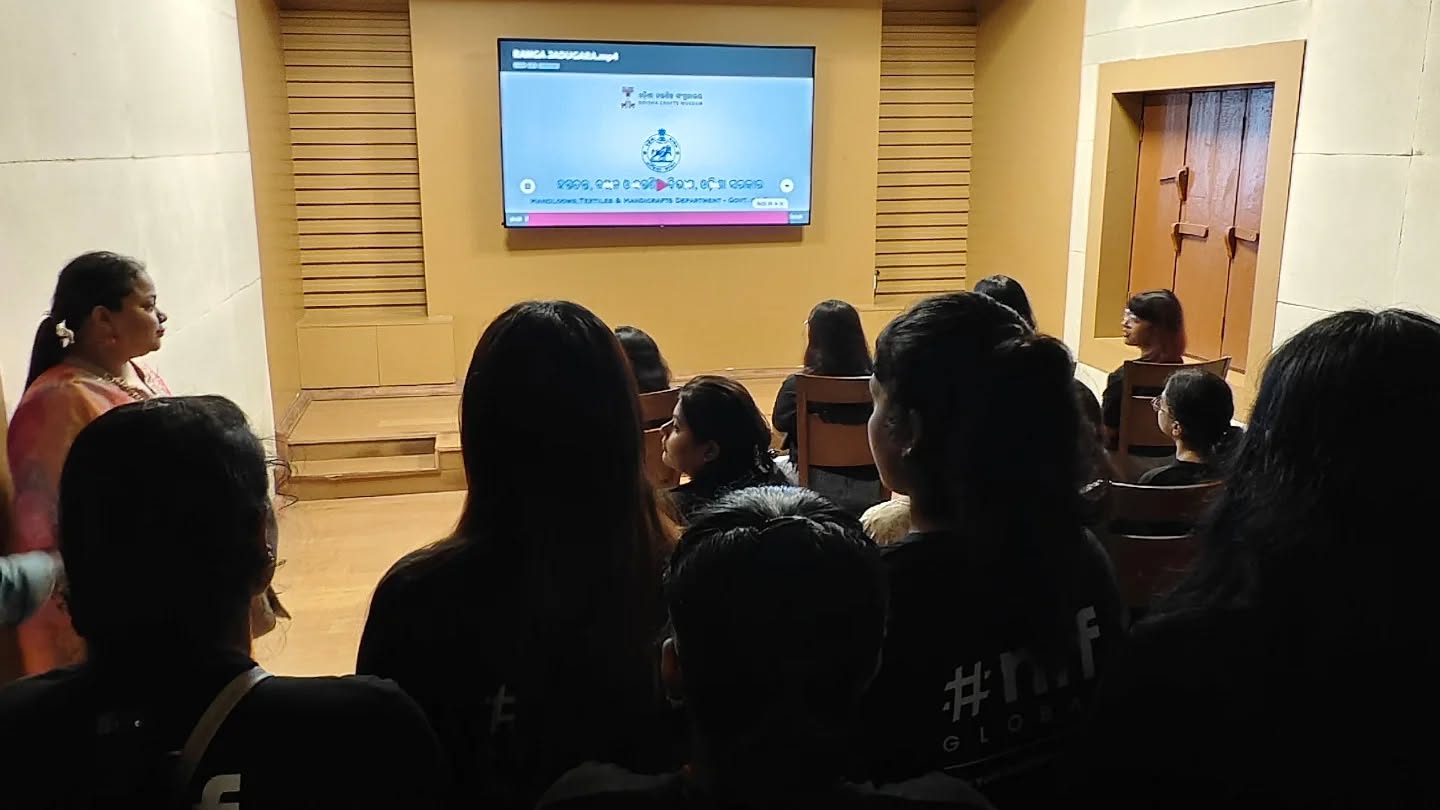
For example, students at NIF Global Bhubaneswar are thrown in at the deep end with real-life projects early on, so they don’t have to spend months learning things without putting them into practice. This change in approach significantly boosts confidence.

How Software is Actually Taught
Almost all colleges use tools such as AutoCAD and SketchUp. However, it is the way they are taught that differs. In less powerful programmes, software is considered a distinct subject. You receive instructions, complete some exercises and then move on.
In more robust programmes, software is integrated into your way of thinking. You use it during the design process, not afterwards. This integration helps students to transition from learning to using tools professionally. You will find this approach in institutes that are more oriented towards applied learning than merely completing the syllabus.
Exposure to Real Work
This is where many “top-rated” colleges quietly fall short. Students leave without knowing how to write a brief for a client or how to consider budget or site constraints. Everything they
do takes place within a controlled classroom setting.
Superior courses introduce real-life aspects at an early stage.
● Live projects
● Industry interactions
● Practical constraints
At places such as NIF Global Bhubaneswar, this exposure is not considered an additional activity. It is an integral part of the learning process. That changes how they approach design problems.

Portfolio: Built Over Time or Last-Minute?
Most students do not recognise the importance of their portfolio until their final year. Some colleges leave portfolio building until the last minute. This usually results in rushed, disjointed work.
A more robust curriculum helps you to build a stronger portfolio. Each project contributes to the whole. By the time you graduate, you will have refined your work rather than scrambled to complete it.
This also allows students to identify their design style early on, which is a huge benefit when seeking an internship or employment.
Are You Learning What the Industry Needs Today?
Interior design is evolving rapidly.
Clients now demand 3D visualisation before execution. Sustainability is now the norm. Spaces are becoming smarter and more functional.
If a curriculum hasn’t evolved in the last few years, you’ll feel it. The difference can be seen in the little details:
● Are you solving real or hypothetical design problems?
● Are you studying up-to-date tools or obsolete techniques?
● Are you inclined to consider users as well as aesthetics?
Other institutes are also proactively changing their approach to accommodate these changes, as opposed to having fixed syllabuses.

A Simple Way to Compare Colleges
Instead of just comparing colleges based on their ranking, consider the following questions:
● When do students begin to work on actual projects?
● Is software included in design work, or is it taught separately?
● How many projects of portfolio quality will you complete?
● Do students frequently interact with industry professionals?
The answers to these questions will tell you much more than a top 10 list.
Where NIF Global Bhubaneswar Fits In
When looking at the quality of the curriculum rather than rankings alone, some institutes stand out for the way they train students.
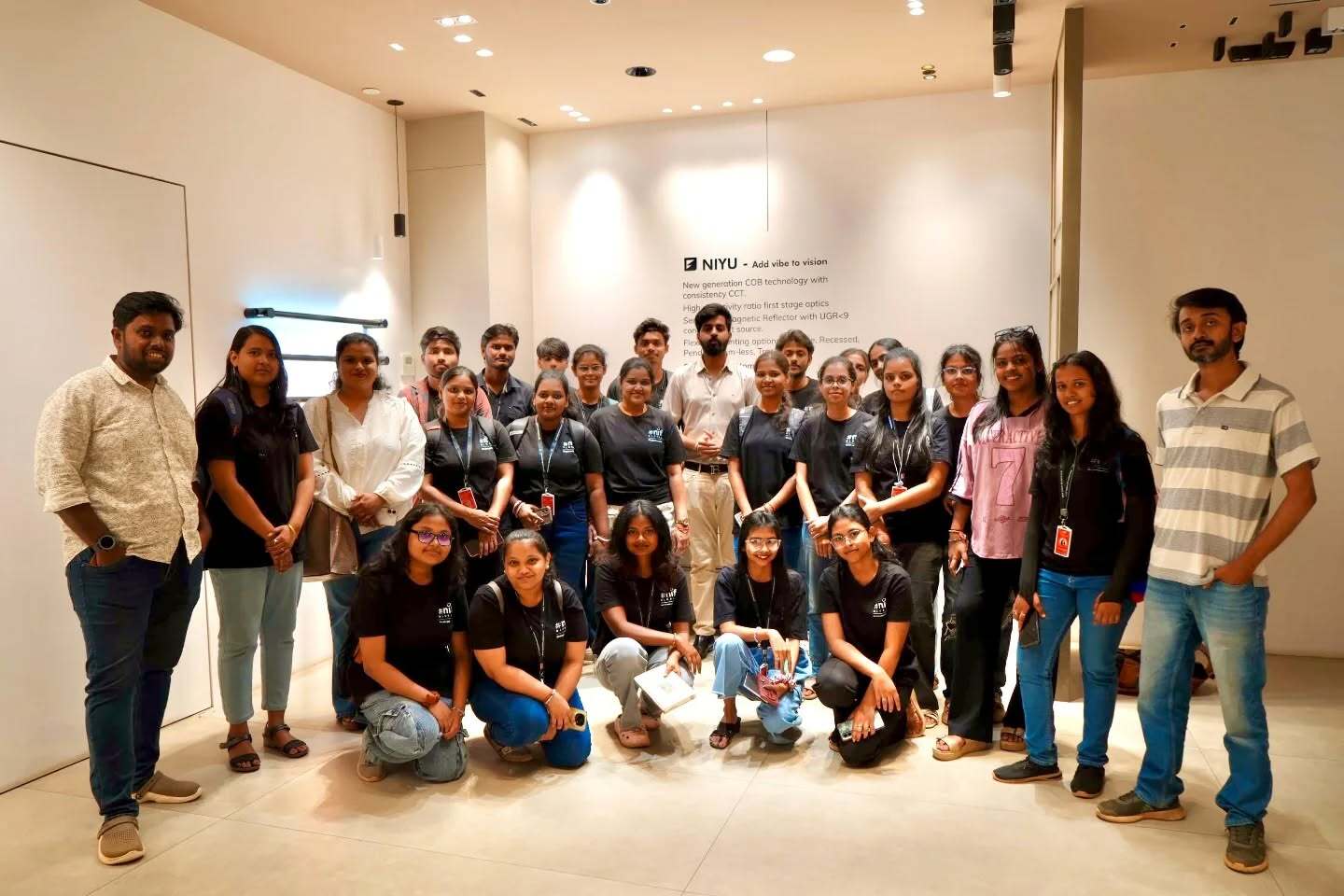
NIF Global Bhubaneswar takes a more practical approach to learning as opposed to theory. Rather than studying concepts, students put them into practice at an early stage through projects and studio work.
The design process also incorporates software, rather than being a distinct topic. This helps students to think and work like actual designers from the outset.
Another key difference is the way portfolios are built. Rather than leaving it until the end, students build up their work throughout the course. The strategy is quite straightforward in general: study through practice, develop practical skills and leave school with a portfolio that reflects your talent.
Conclusion
Choosing among the top-rated interior design colleges is not really about picking the most popular name. It’s a matter of deciding how you want to study.
A good curriculum will provide you with more than just knowledge. It gives you clarity and confidence, and produces a body of work that you can be proud of.
Look beyond the rankings before making your decision. Look at the structure. Ultimately, your career will be determined by your portfolio, your abilities, and your ideas, not the name of the college you attended.
FAQs
What are top-rated interior design colleges?
Top-rated interior design colleges are institutes known for strong curriculum, practical training, industry exposure, and good student outcomes. The best ones focus not just on theory, but on building real design skills and portfolios.
Why is curriculum important when choosing an interior design college?
The curriculum decides what you actually learn. A strong curriculum includes hands-on projects, software training, and real-world exposure, which directly impacts your skills, confidence, and job readiness.
What should I look for in an interior design course?
Look for a balance of practical work and theory, strong software integration, regular projects, and portfolio development. Courses that include industry exposure and updated design trends are more valuable.
How is NIF Global Bhubaneswar different from other colleges?
It focuses on applied learning, where students work on projects from early stages, build portfolios continuously, and use design tools as part of their workflow. This makes the learning more practical and industry-relevant.
Do top-rated interior design colleges guarantee jobs?
No college can guarantee jobs, but strong programs improve your chances. Colleges that focus on practical skills, portfolio building, and industry exposure better prepare students for placements and freelance opportunities.