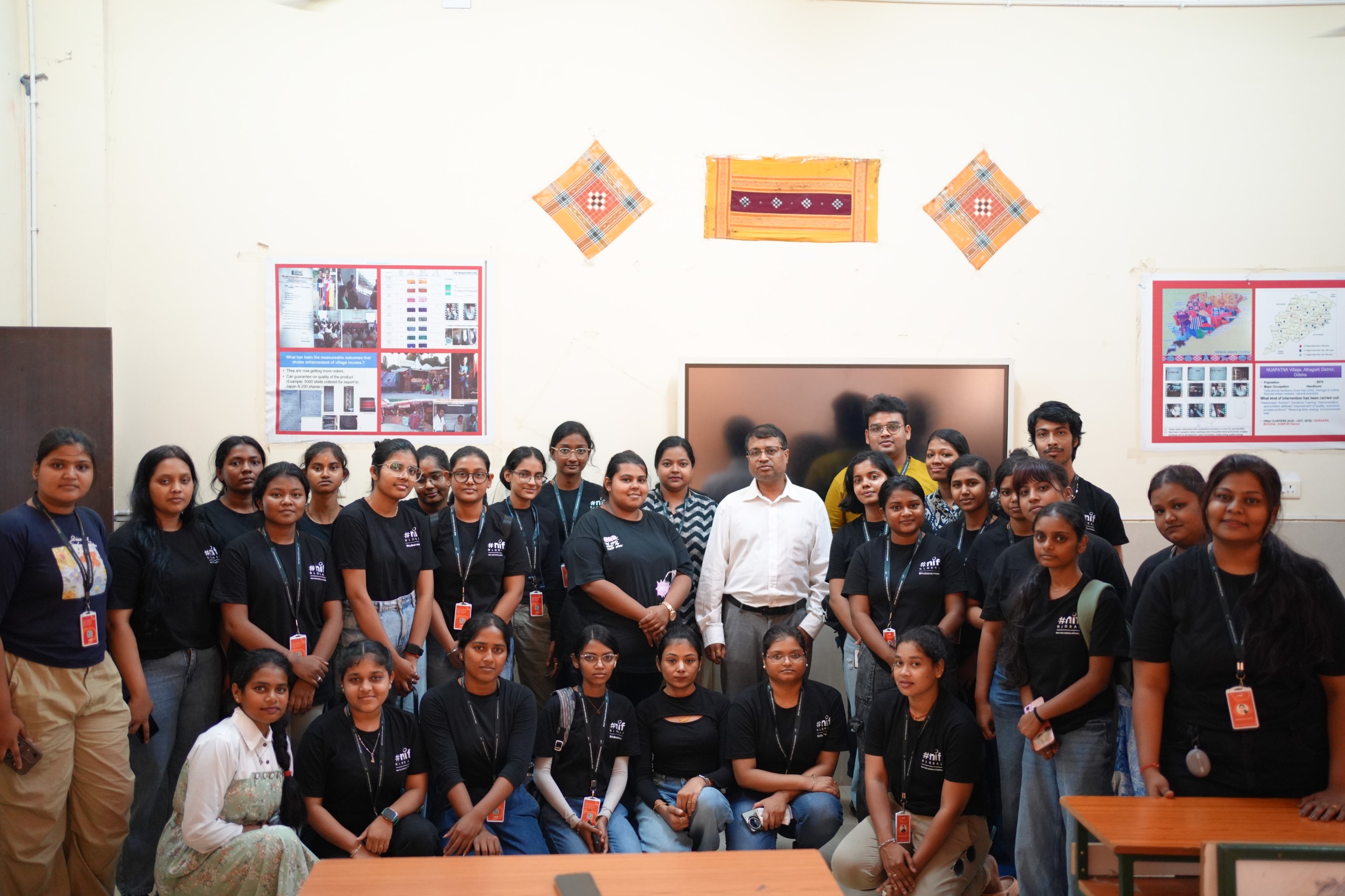
Fashion design is commonly considered a very creative profession, but behind every successful collection, there is a systematic process that converts ideas into clothes. This process may be creative, technical or strategic, but it always involves fashion design, as seen in global trends, the choice of fabrics and the perfection of silhouettes.
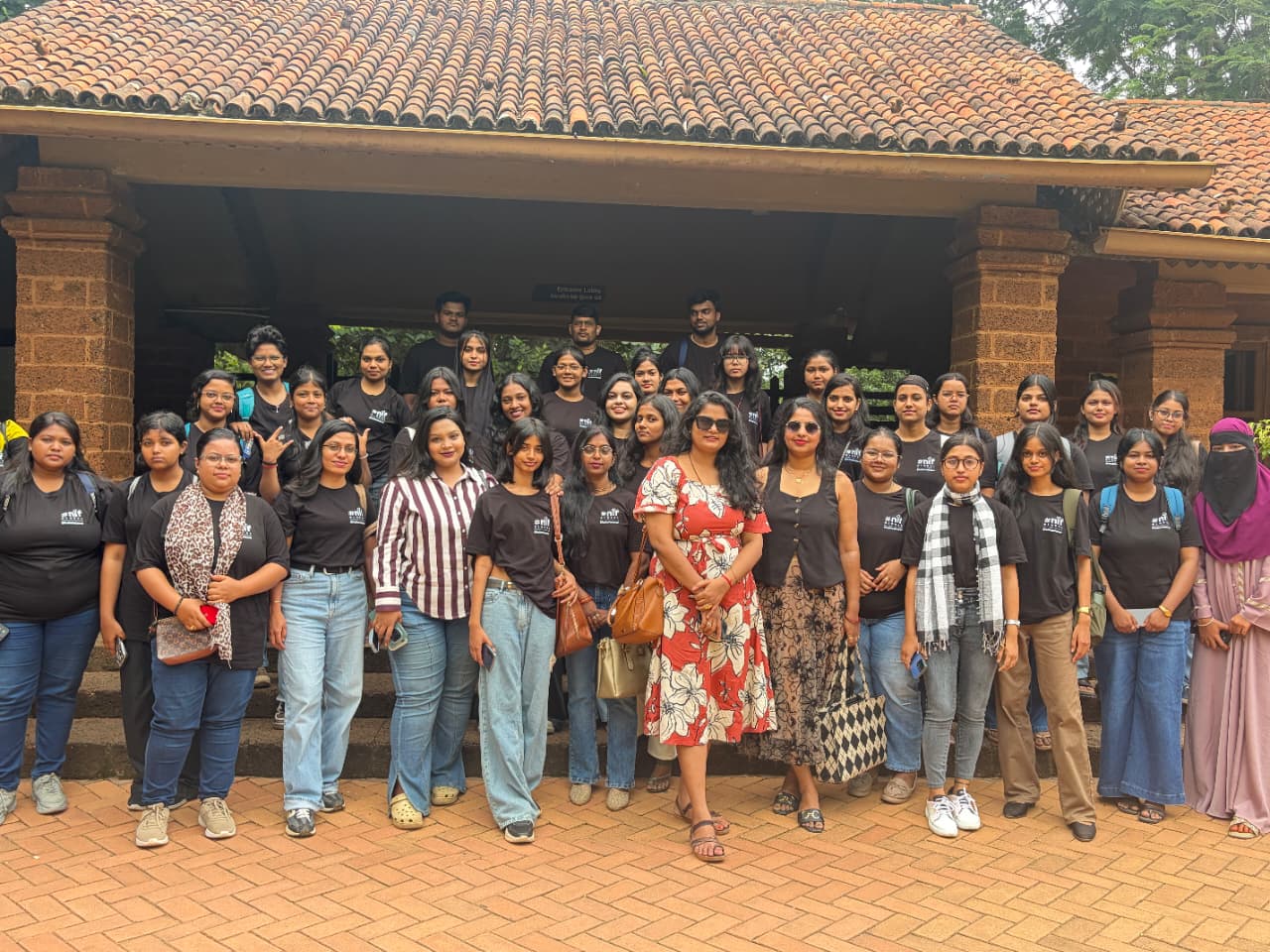
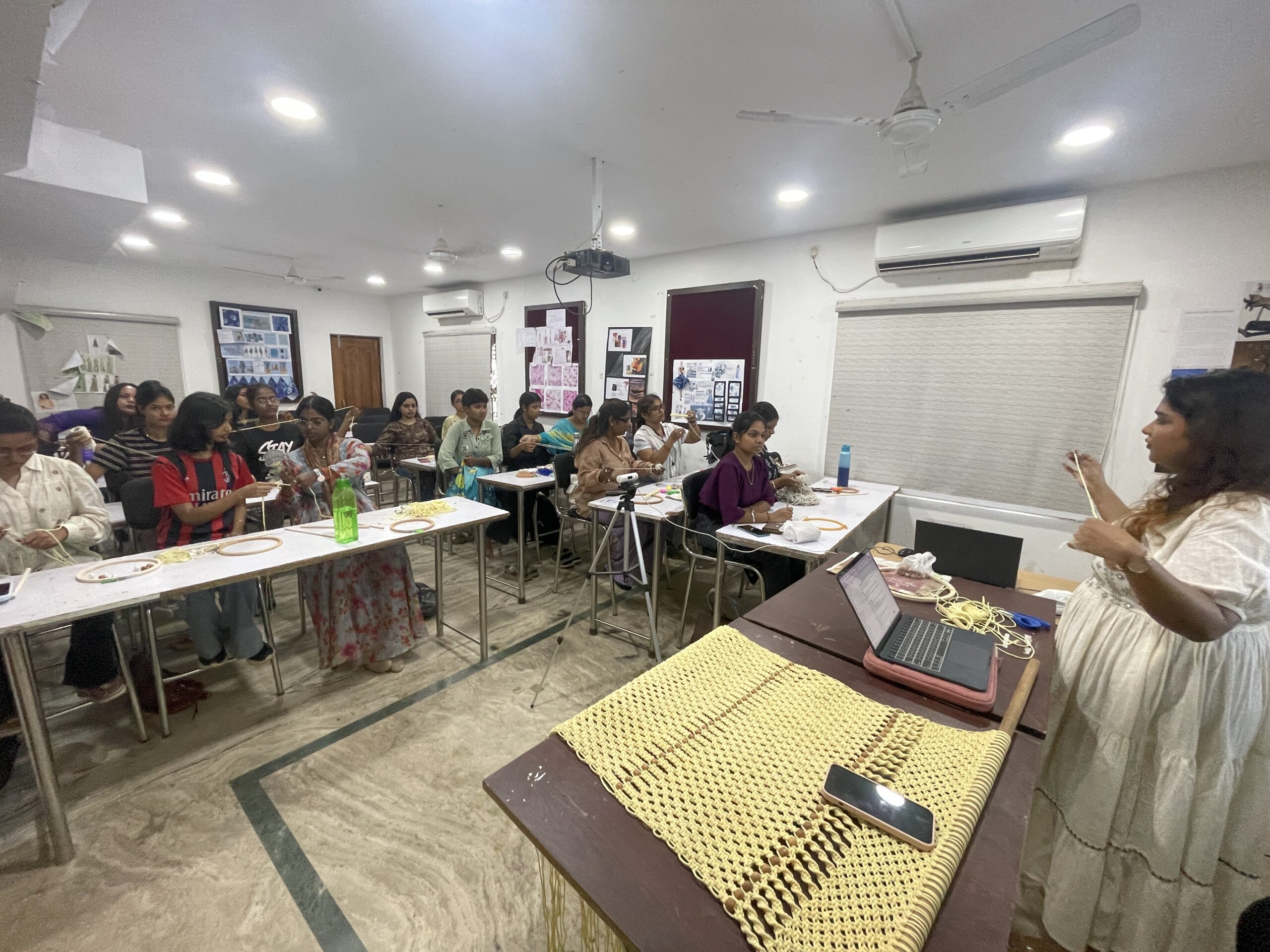
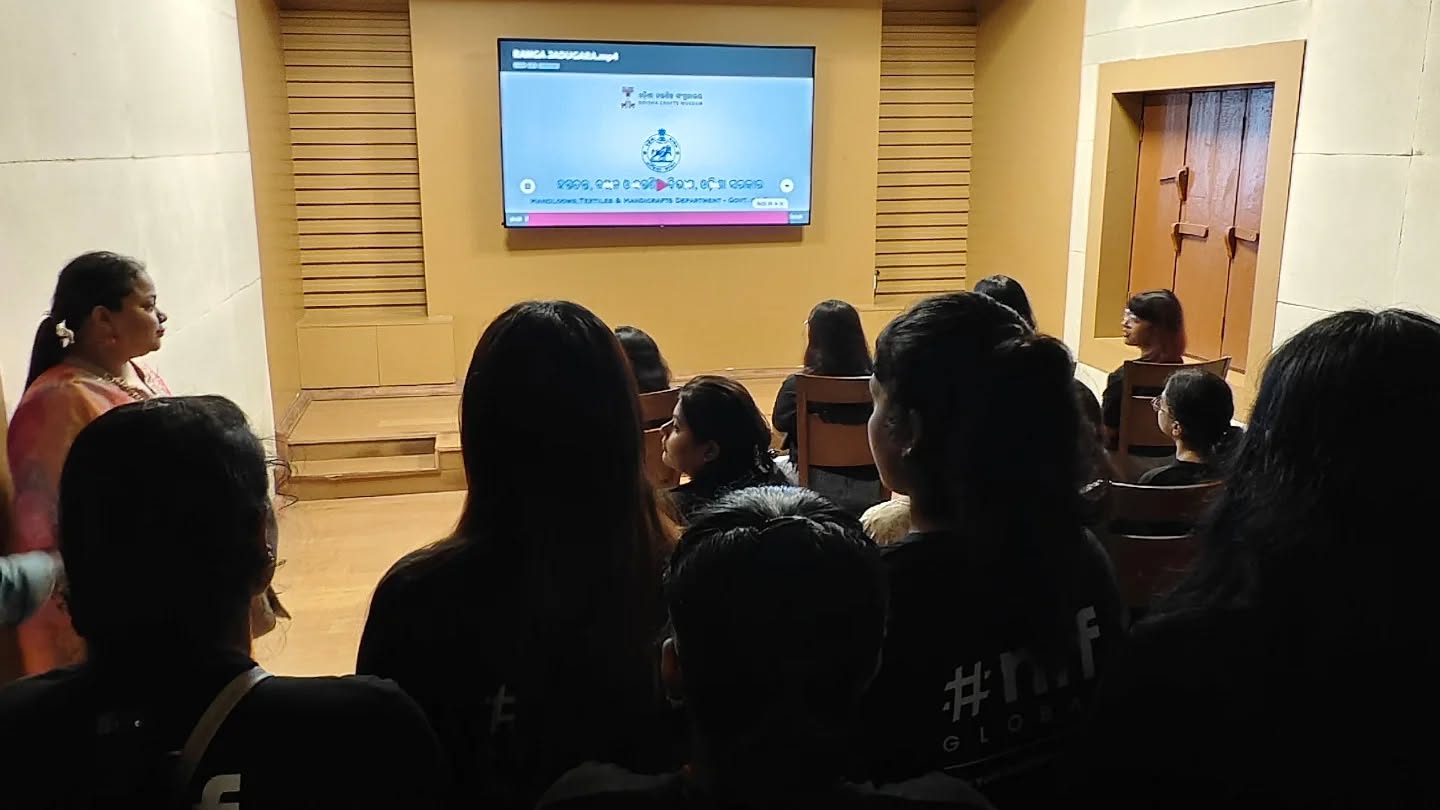
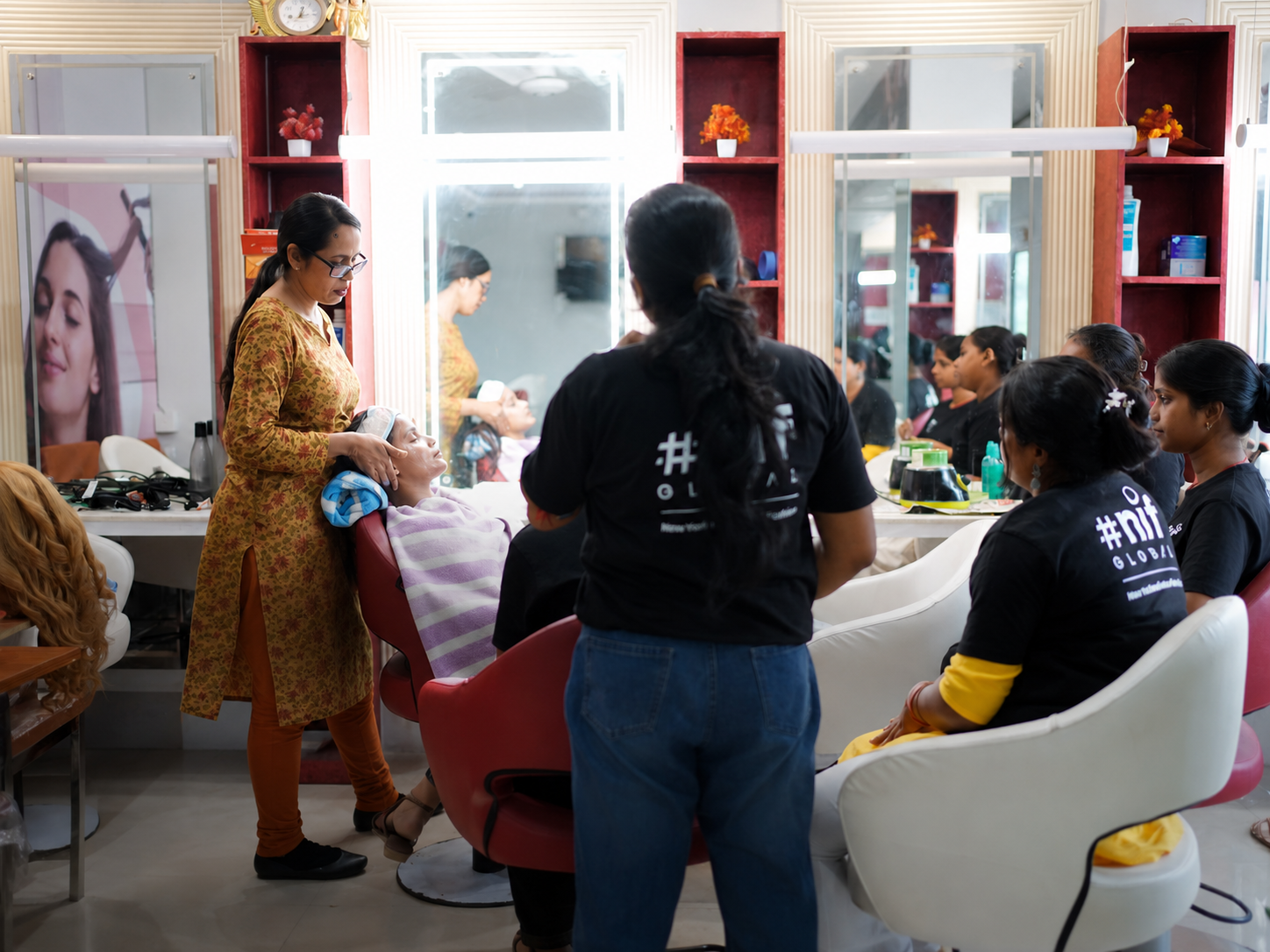
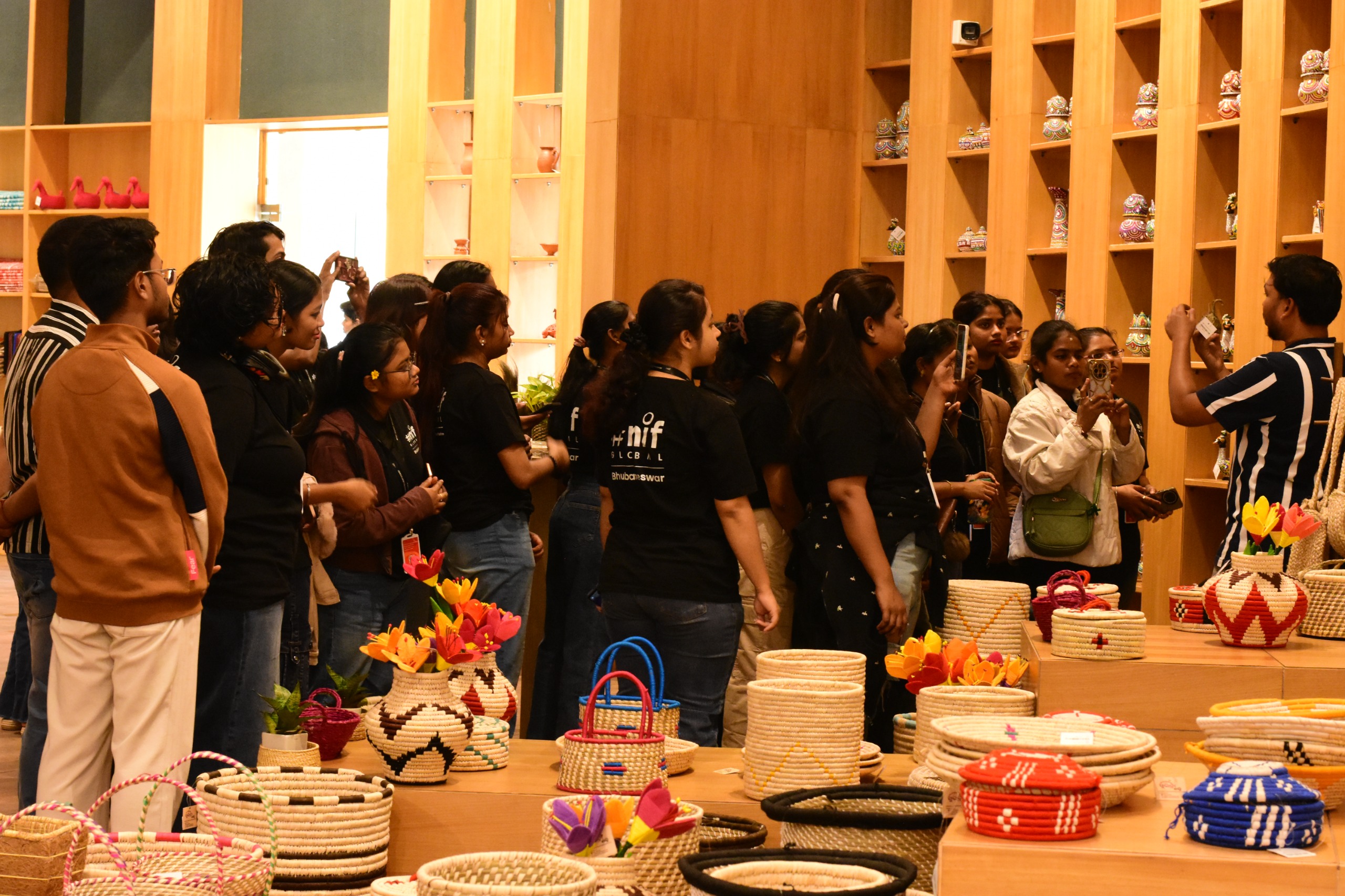
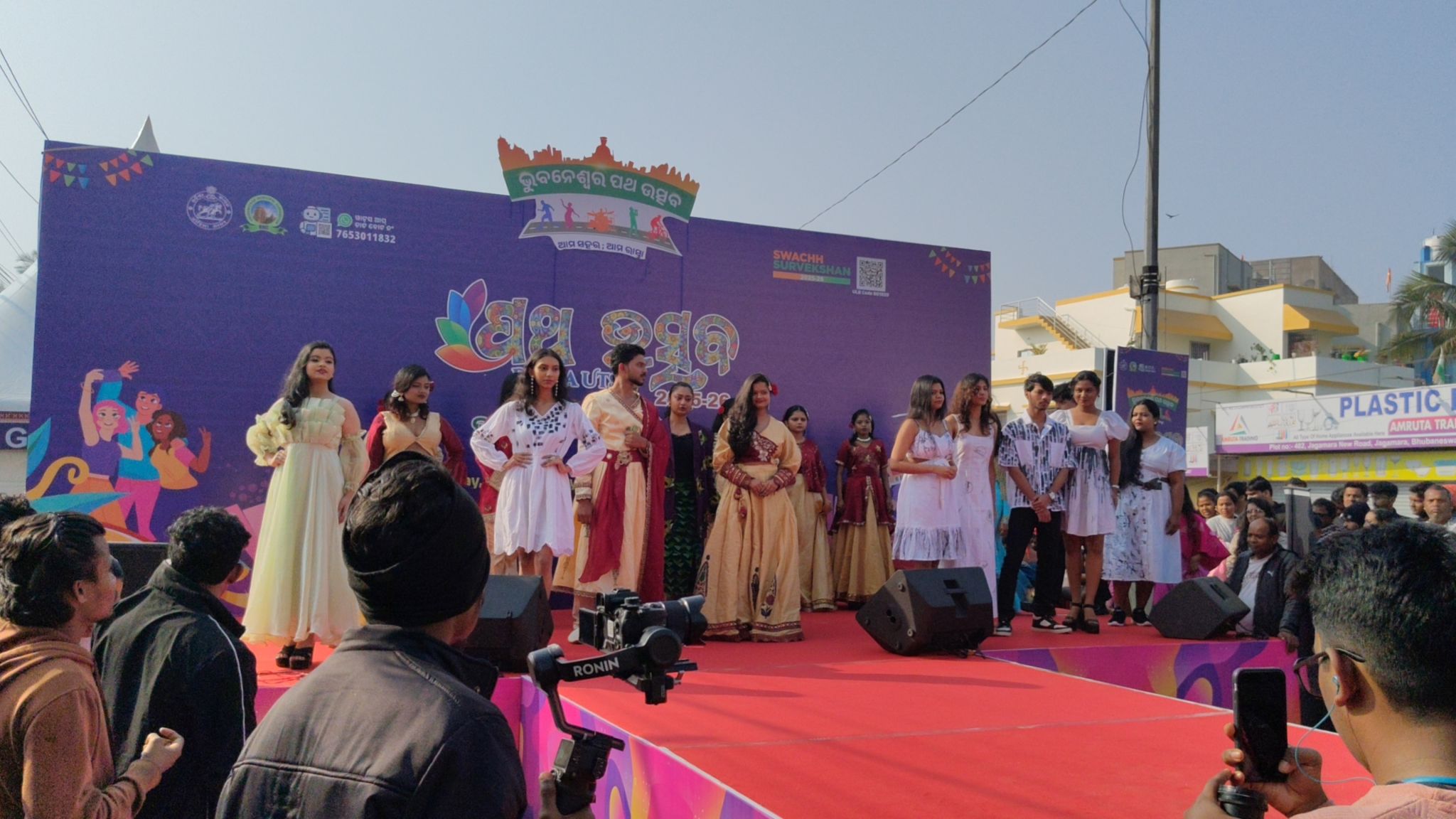
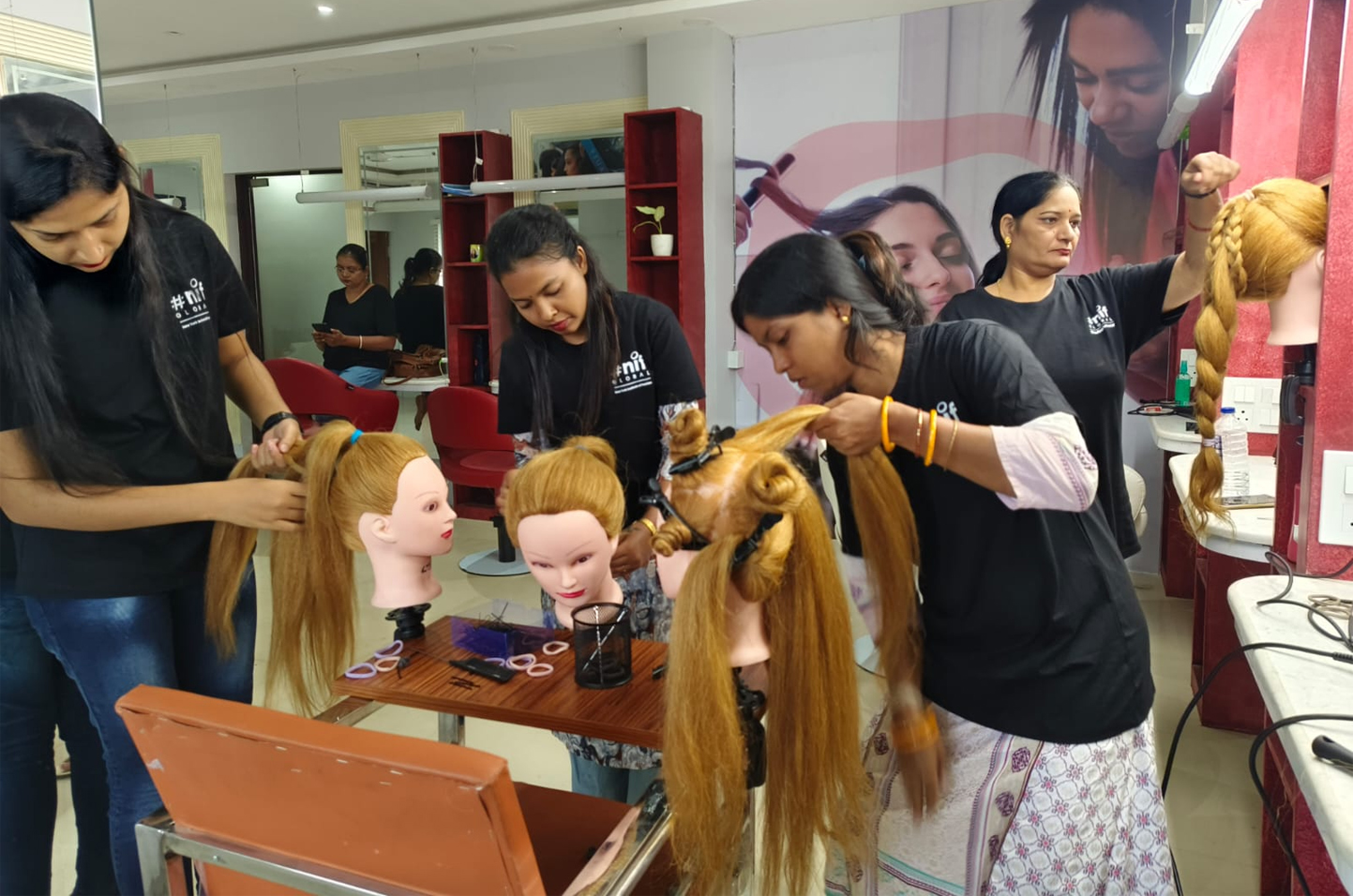
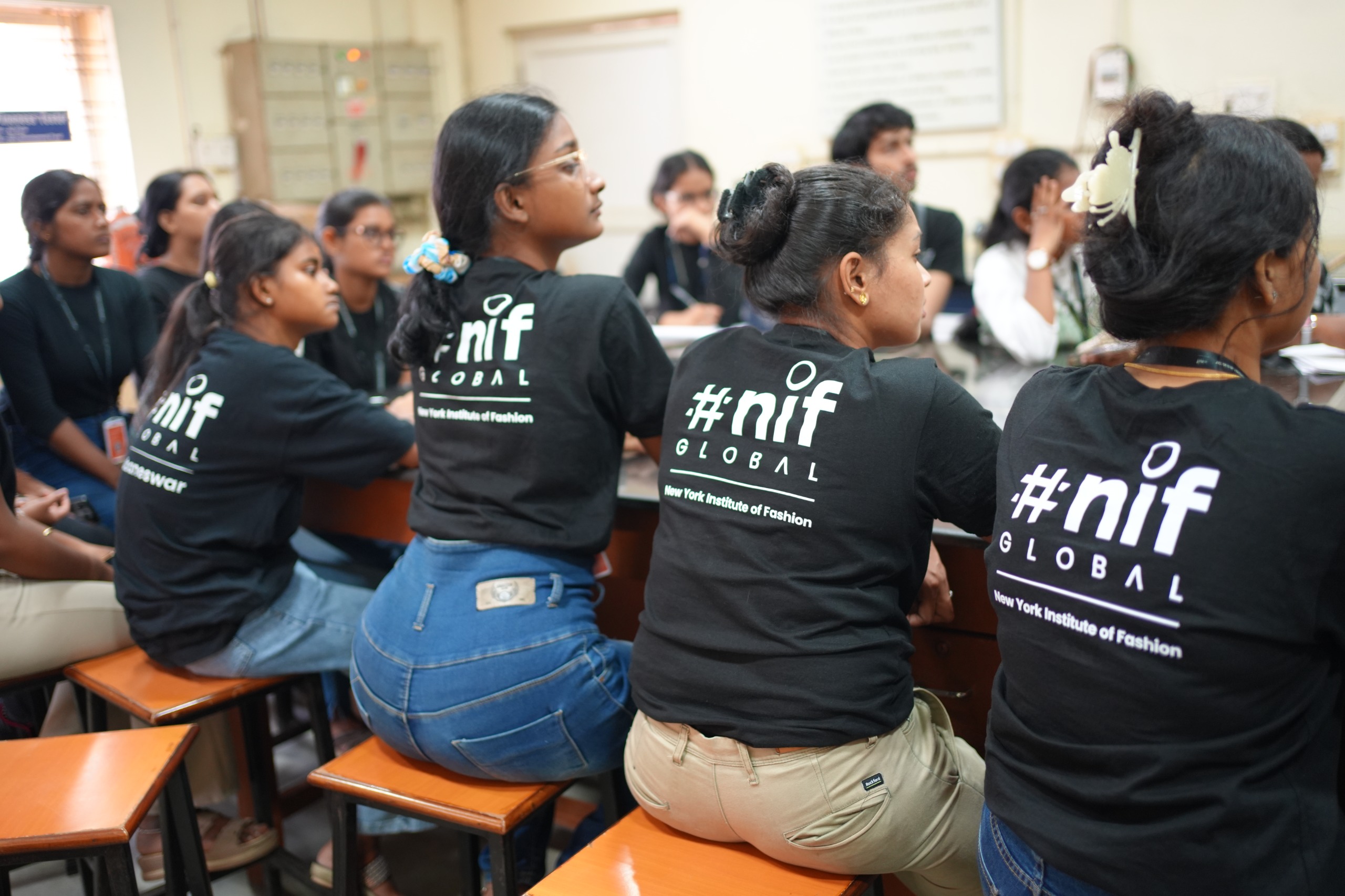
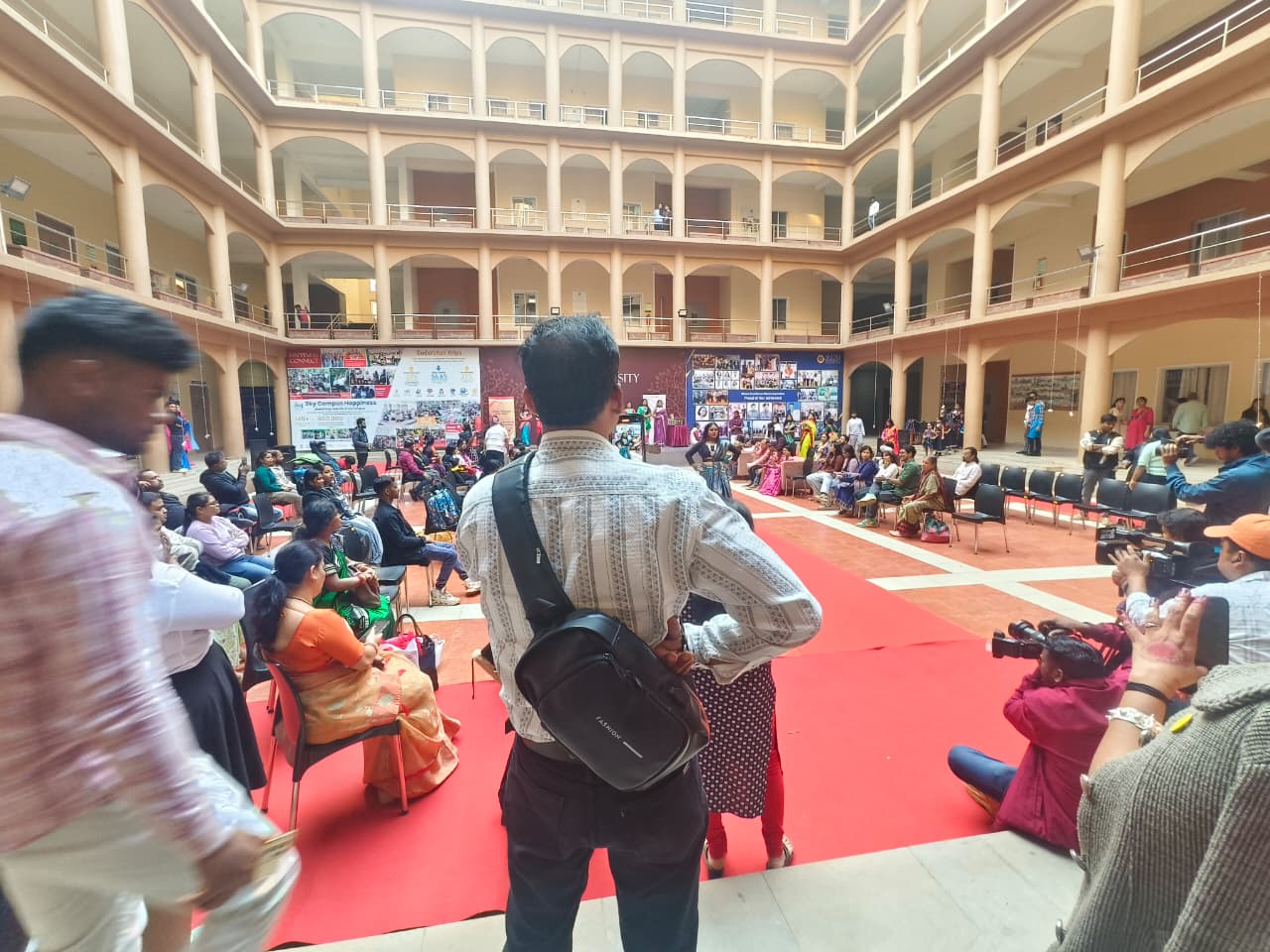
This process is important for aspiring designers. Organisations such as NIF Global Bhubaneswar help students to understand how to transform inspiration into professionally made collections by providing organised training, industry exposure and practical learning.
Finding Inspiration in the World Around Us
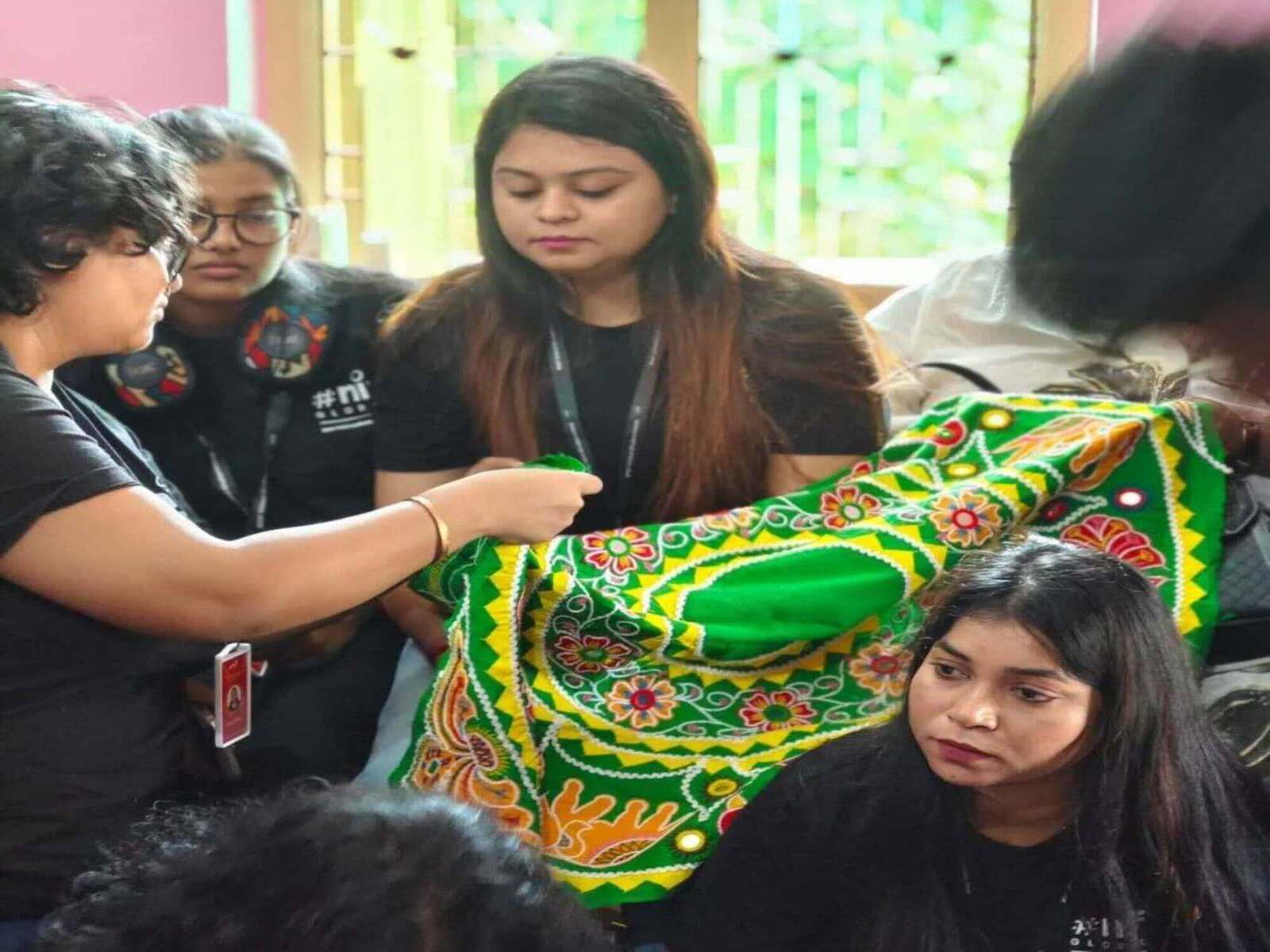
Every fashion line starts with inspiration. Designers find inspiration in various forms, such as art, architecture, culture, travel, nature, and daily life. These inspirations form the basis of a design idea, which then guides the whole collection.
In fashion design, inspiration is not just about appearance. Designers study colour palettes, textures, patterns and moods to create a unified theme. For example, a designer inspired by an ocean landscape may use flowing lines, blue colours and light materials to bring their vision to life.
At NIF Global Bhubaneswar, students are encouraged to explore a variety of inspirational sources to develop their creative viewpoint. This makes them realise that professional fashion design starts with careful observation and research.
Turning Ideas into Concepts
Once inspiration has been identified, the next step in the fashion design process is to develop a clear concept. Designers plan their ideas using mood boards consisting of pictures, fabrics, colours, and design inspirations. Mood boards serve as a visual reference for the entire collection. They help designers to stay consistent and ensure that all the clothes are an extension of the initial idea.
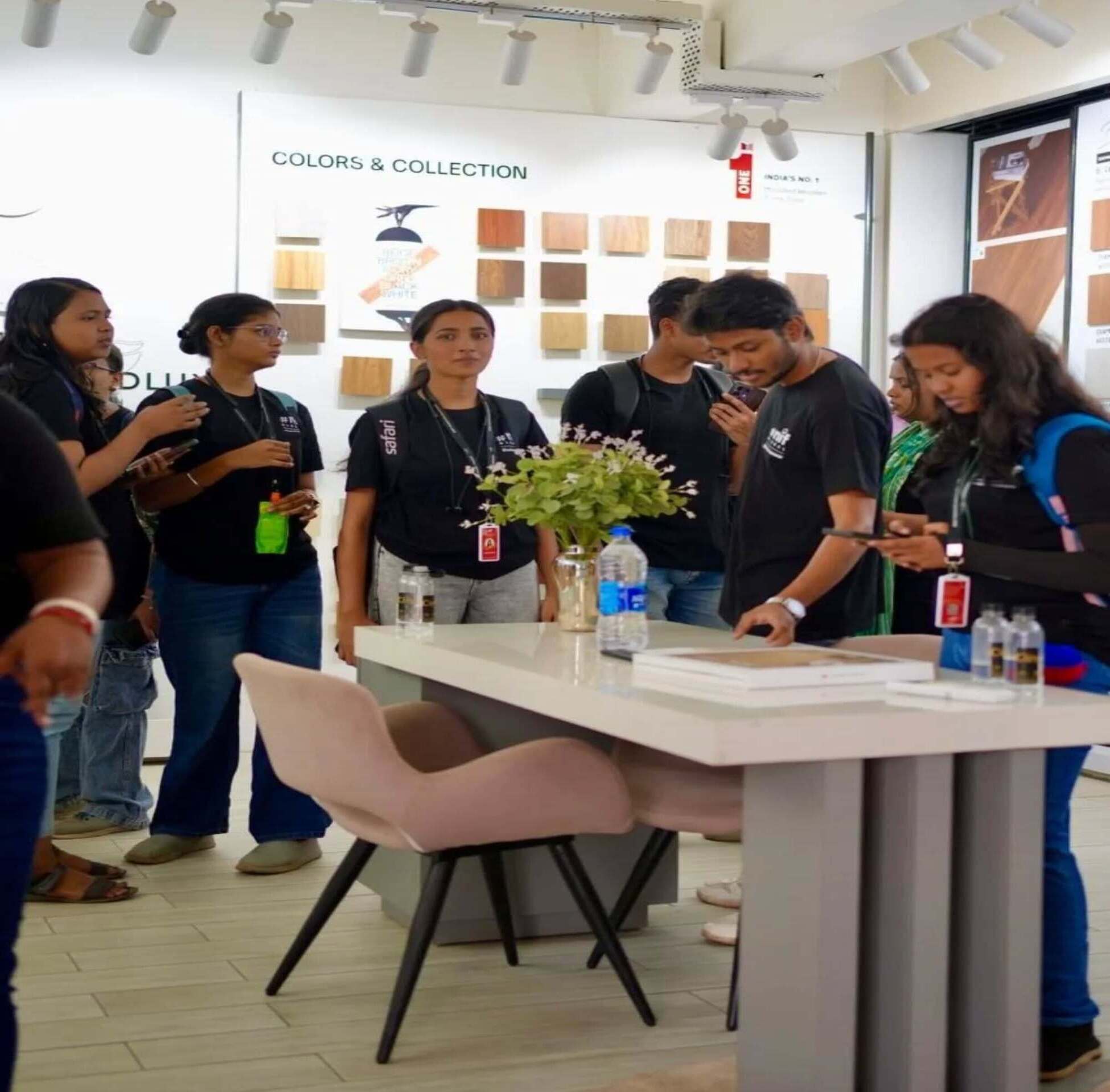
NIF Global Bhubaneswar’s students are taught to create professional mood boards and concept presentations. This step is very important as it helps bridge the gap between inspiration and garment production.
Sketching the Design Vision
Designers begin to sketch their ideas once they have finalised a concept. Fashion drawings help to visualise the shapes and structure of garments and styling.
Drawing is an important part of fashion design as it enables designers to experiment with different designs before proceeding to production. Designers can produce multiple sketches and then select the most suitable designs for their collection.
At NIF Global Bhubaneswar, students learn fashion illustration and computerised design tools to help them present their ideas professionally. These skills prepare them for working on fashion design projects in the real world and meeting industry expectations.
Selecting Fabrics and Materials
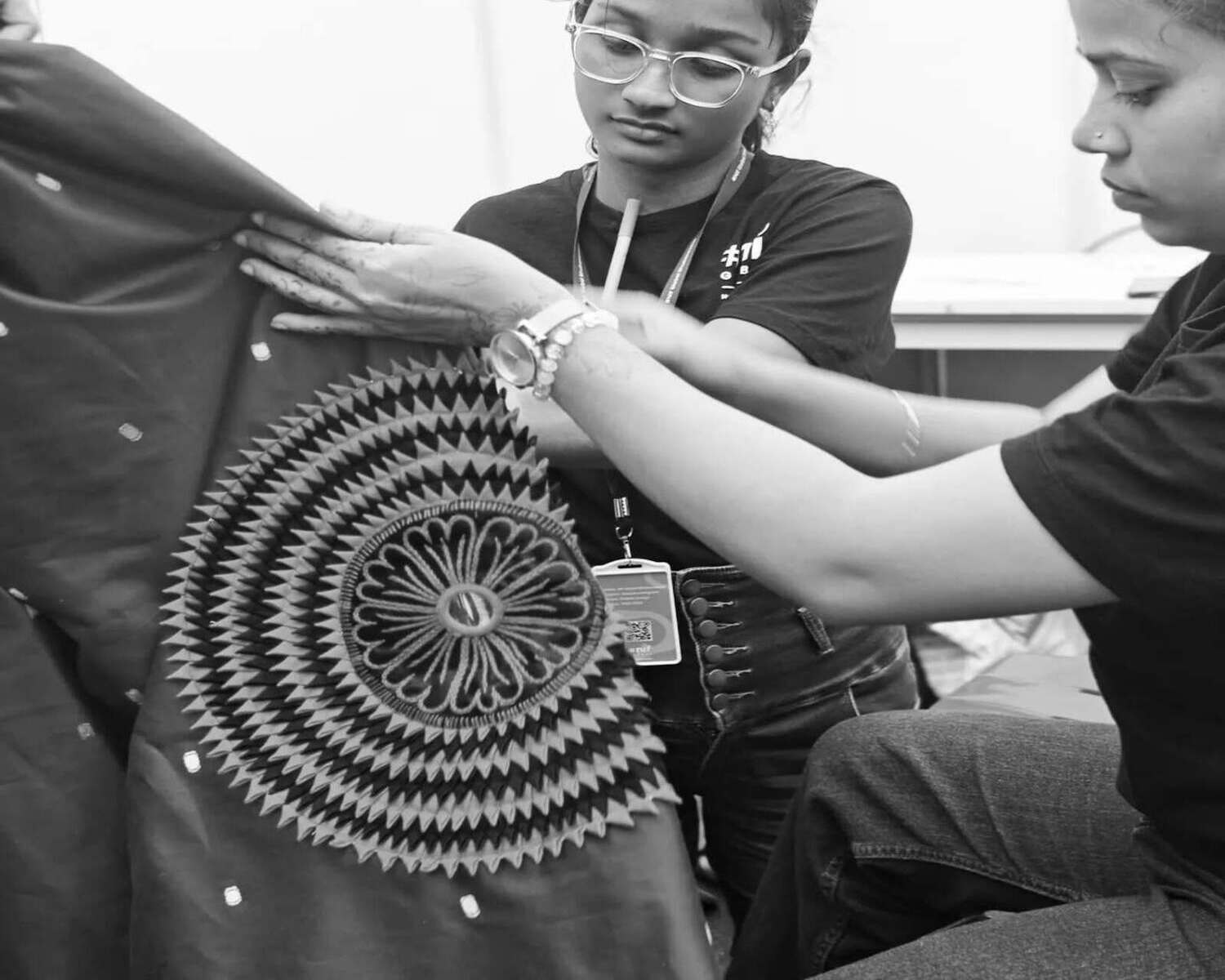
One of the most important stages in the process of turning inspiration into wearable clothes is choosing the fabric. The same design can look completely different when made from a different material.
For example, a structured jacket requires hard fabrics, whereas a flowing evening dress requires soft, lightweight ones. Designers consider fabric texture, weight, durability and comfort when finalising materials.
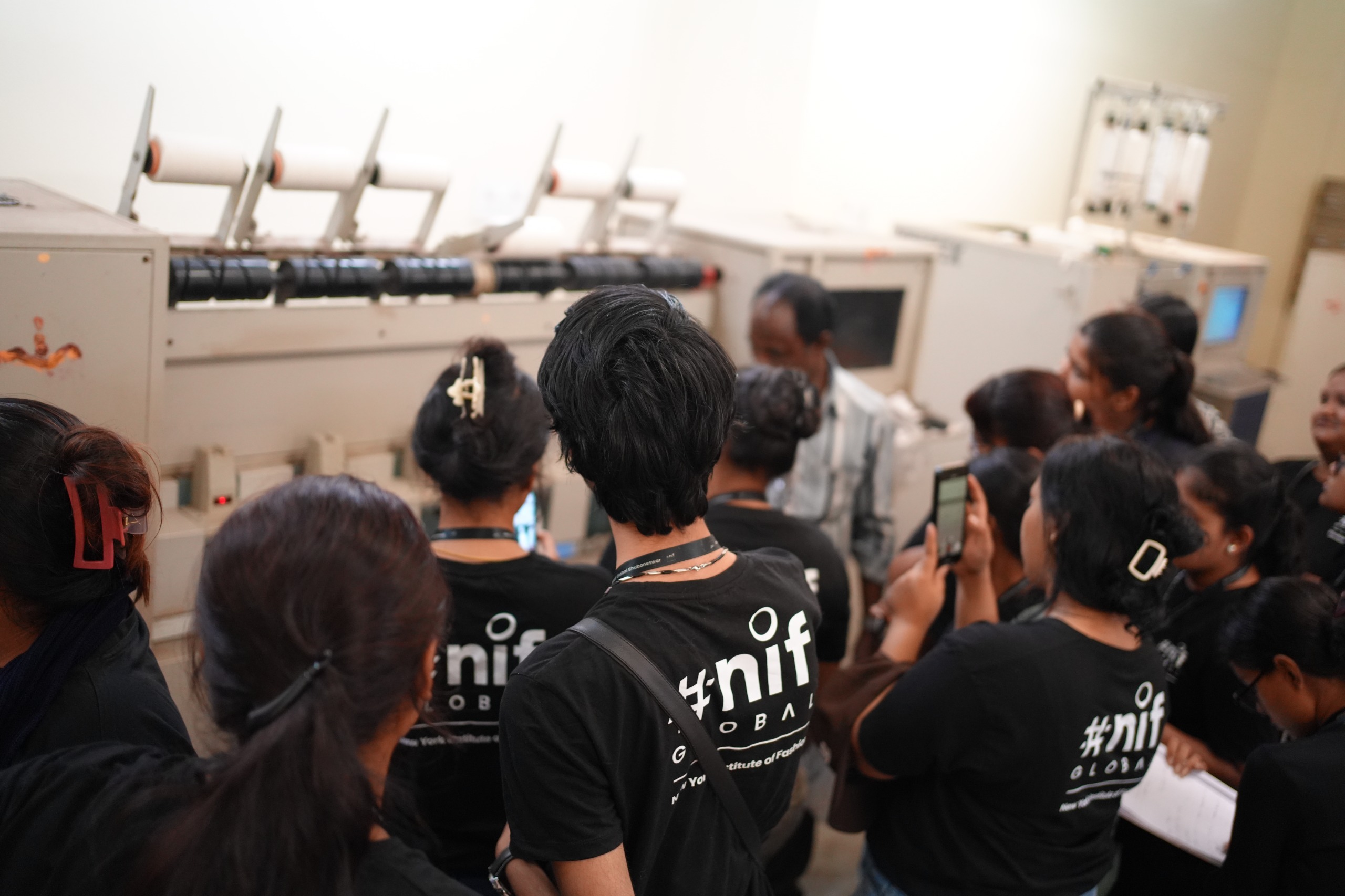
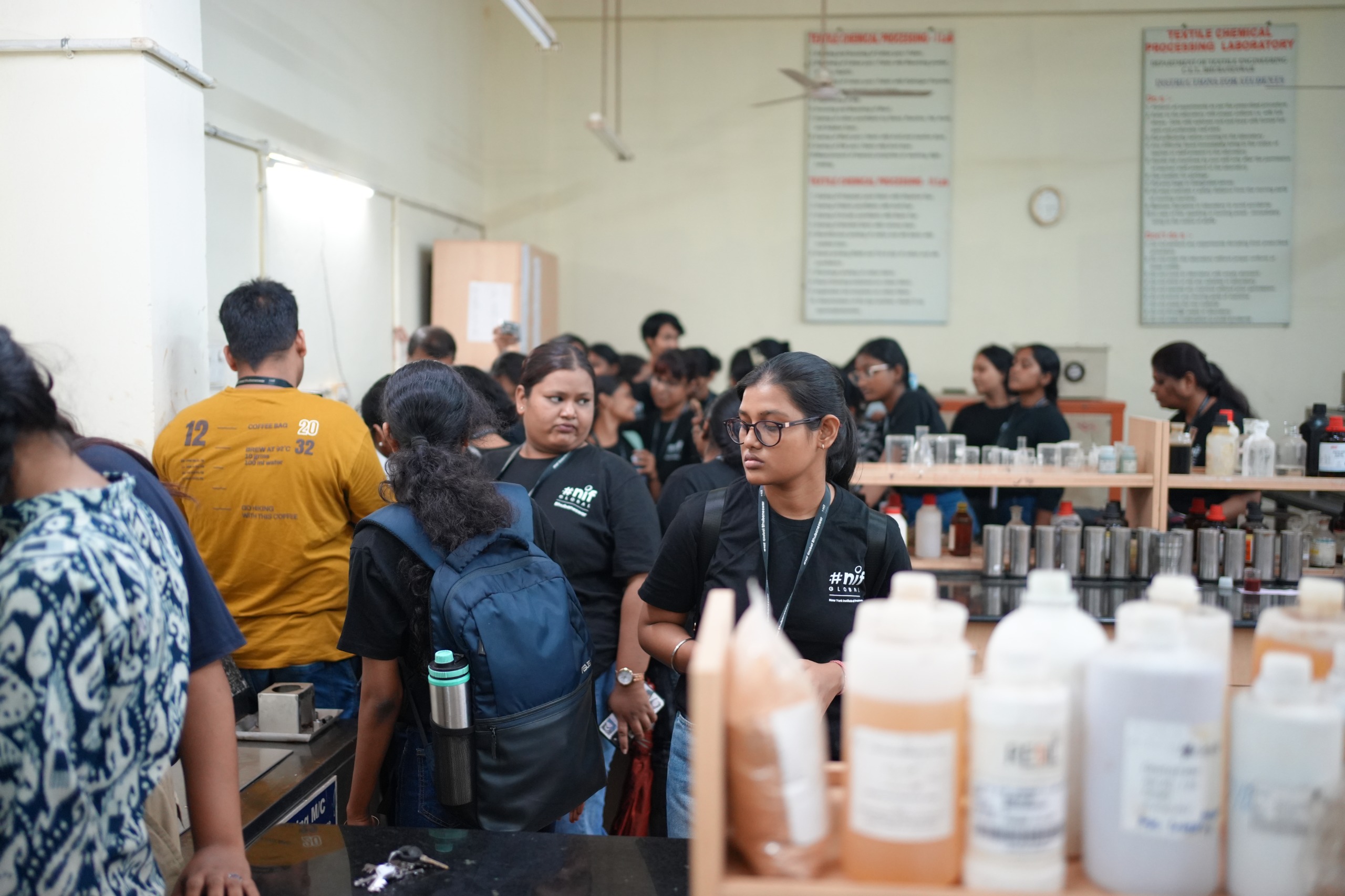
Global Bhubaneswar provides its students with workshops and practical training to teach them how to assess fabrics and their impact on fashion design. This ensures that the end products are both fashionable and useful.
Creating Prototypes and Samples
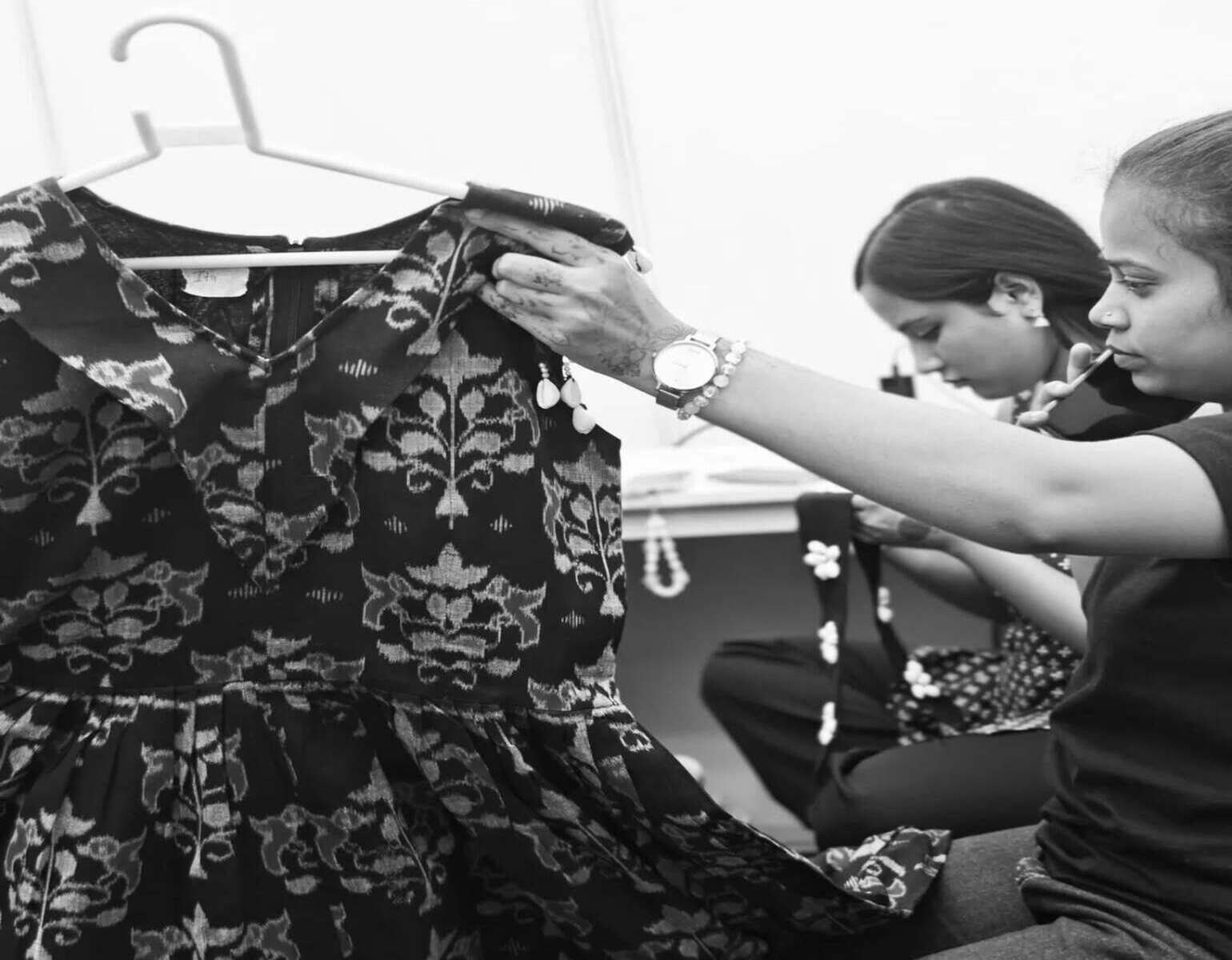
Designers create prototypes or samples of clothing before a collection is finalised. This phase helps to identify problems with fit, structure or fabric behaviour.
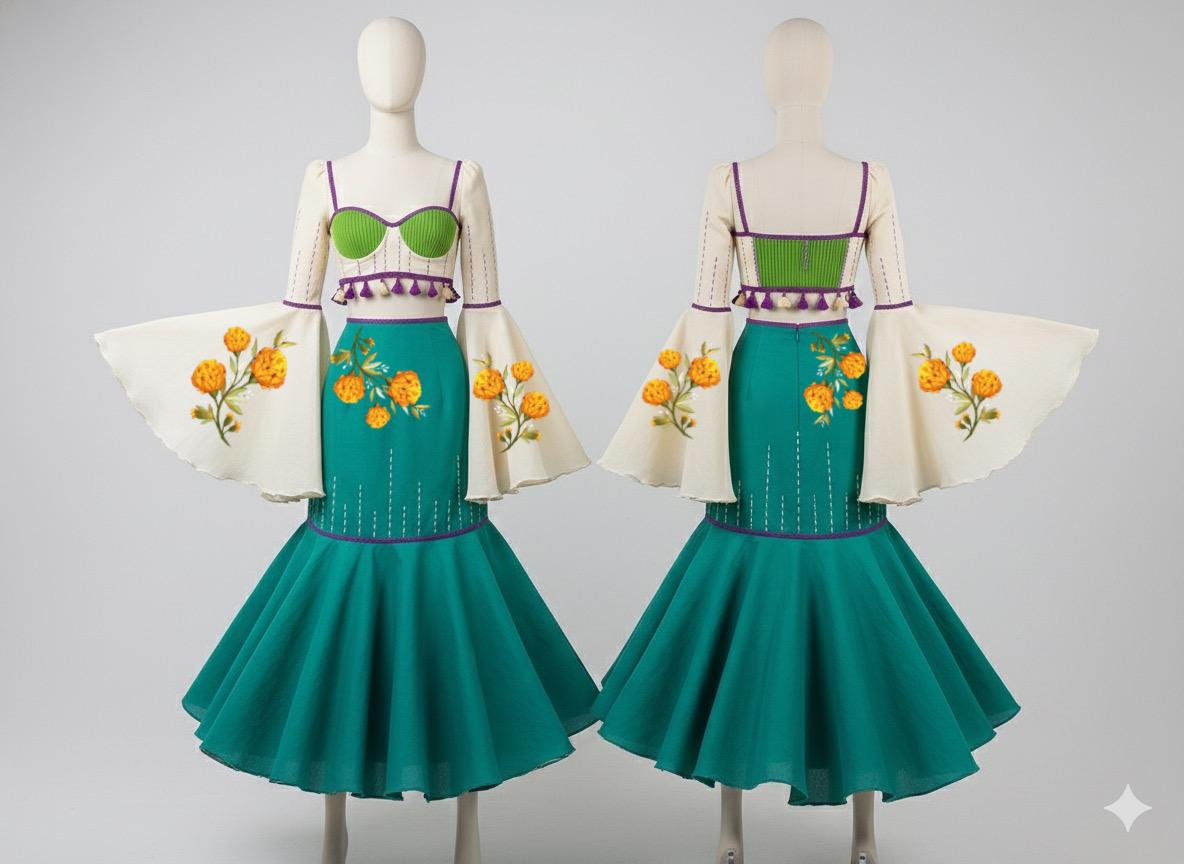
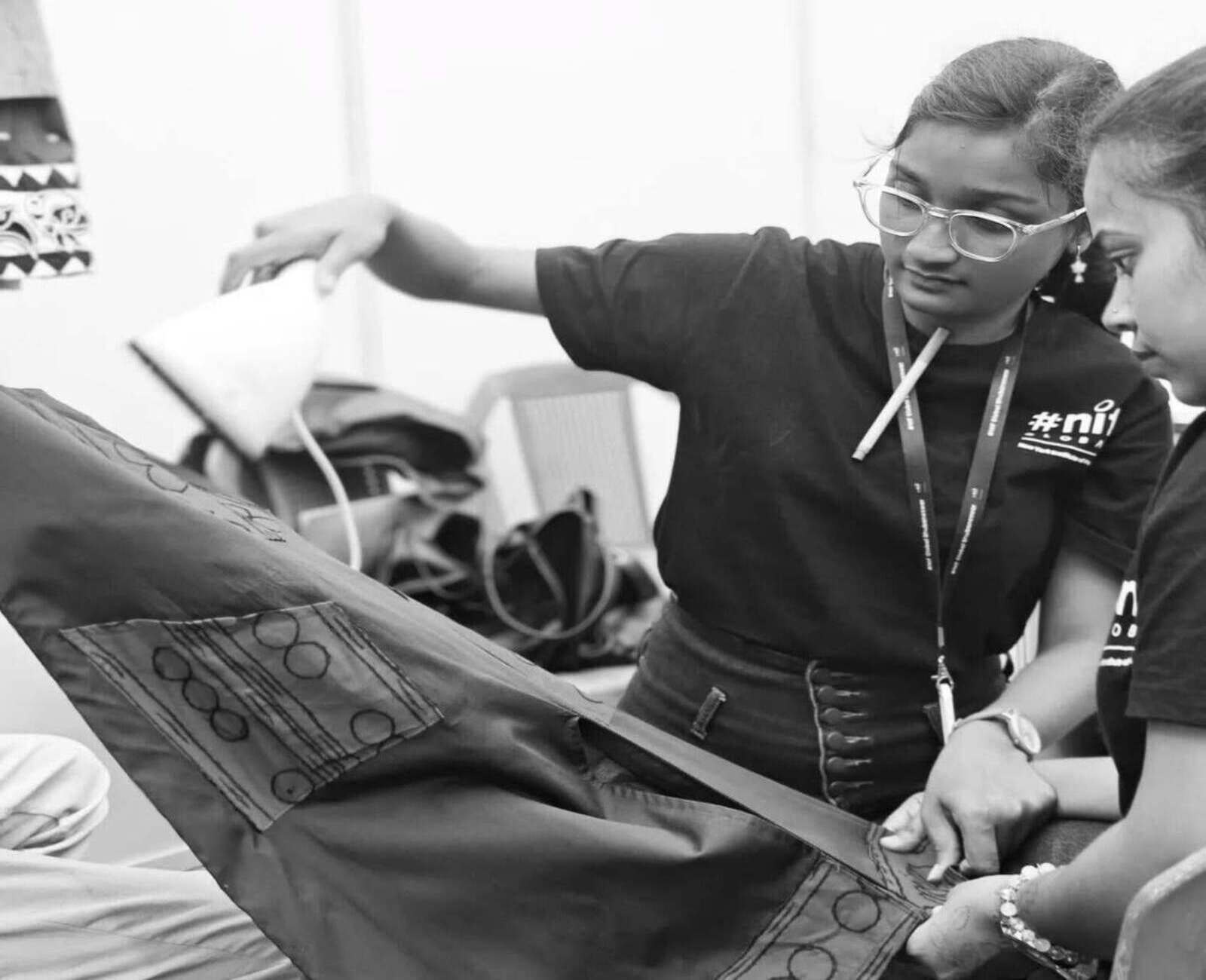
Prototyping enables designers to develop their ideas and ensure that the design is translated from sketch to a real garment. Changes can be made to the silhouette, stitching quality, or fabric.
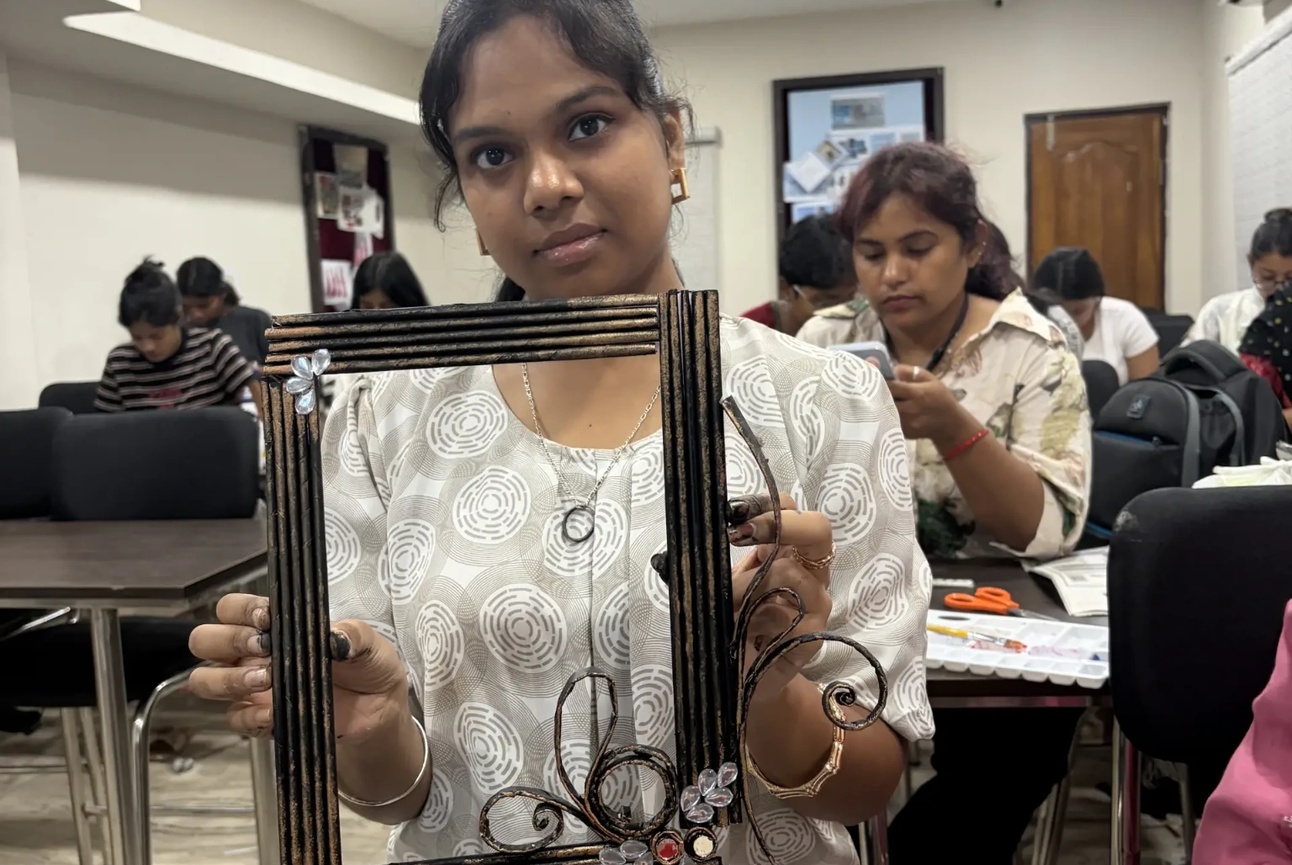
Practical training at NIF Global Bhubaneswar allows students to experiment with garment construction, enabling them to see how theoretical fashion design concepts are transformed into practical garments.
Building a Cohesive Collection
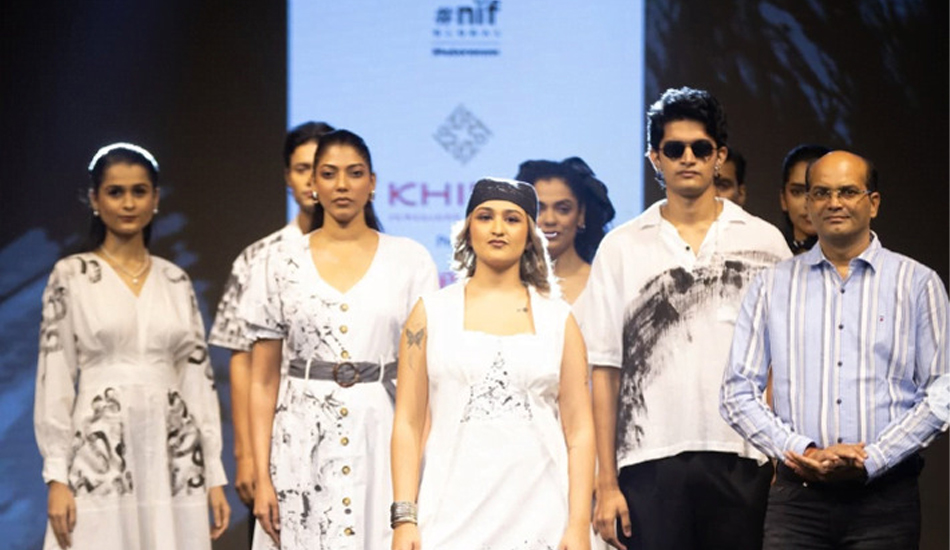
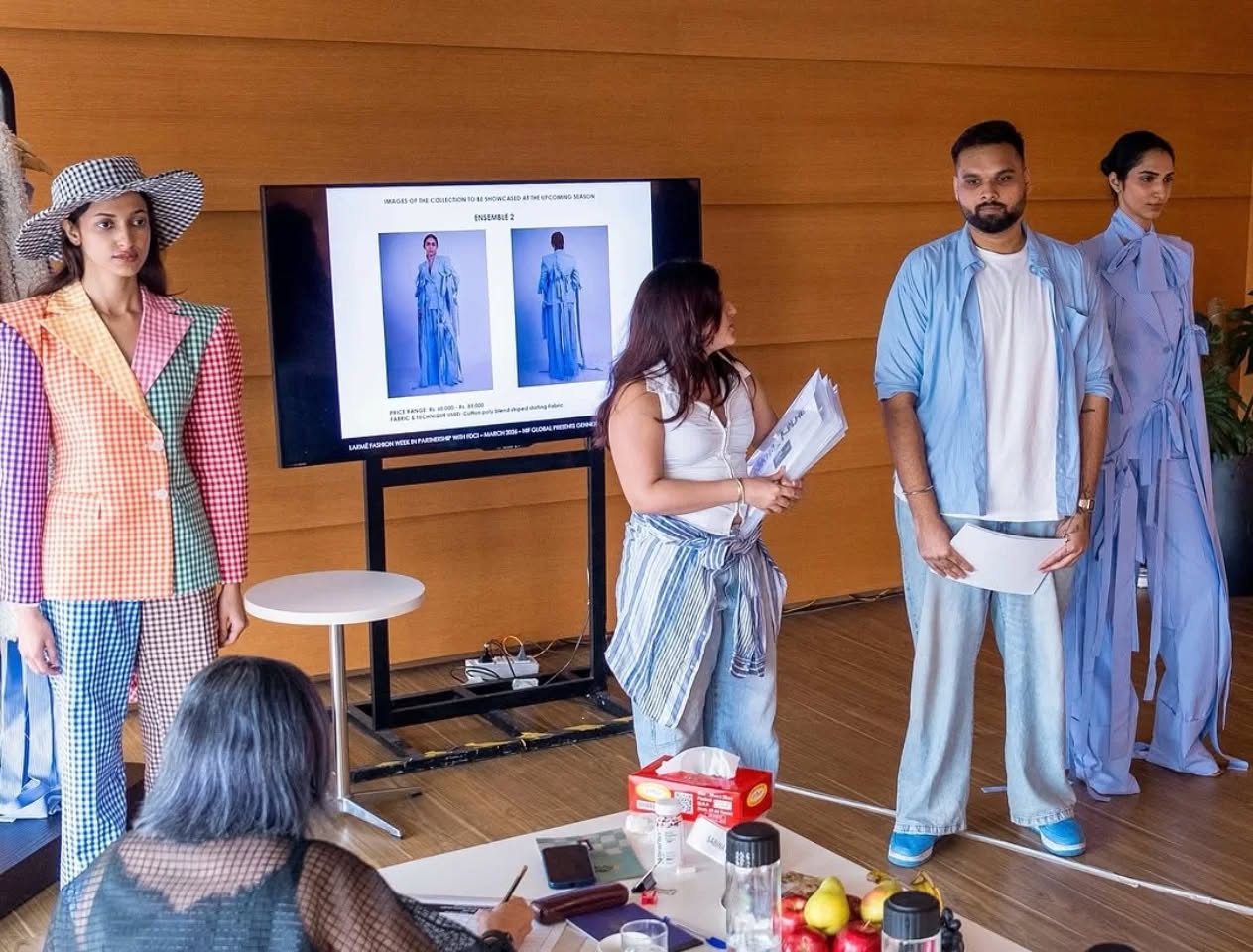
A fashion collection is more than just a combination of individual outfits. Designers must ensure that everything is interconnected to create a coherent theme and look. This involves harmonising colours, textiles, shapes, and styling across the entire collection. Designers can also take the target audience and market trends into account when completing their designs.
NIF Global Bhubaneswar uses project-based learning to teach future designers how to produce creative, market-oriented collections. This skill is essential for a successful career in fashion design.
Conclusion
Transforming inspiration into wearable collections requires more than just creativity. It involves research, idea creation, drawing, choosing fabrics and making garments. Each step of the fashion design process helps transform ideas into stylish clothes.
Structured training and exposure to the industry are necessary for students intending to work in fashion design. Organisations such as NIF Global Bhubaneswar play a key role in cultivating creativity and nurturing future designers, equipping them with the expertise needed to succeed in the fashion industry. Throughout the fashion design process, students develop the confidence and skills needed to transform their ideas into valuable fashion collections.
FAQs
1. What is the first step in fashion design?
The first step in fashion design is finding inspiration and developing a concept that guides the entire collection.
2. How do fashion designers create a collection?
Fashion designers create a collection by researching inspiration, developing mood boards, sketching designs, selecting fabrics, and producing sample garments.
3. Why is fabric selection important in fashion design?
Fabric determines how a garment looks, feels, and functions. Choosing the right fabric ensures the design is both visually appealing and comfortable to wear.
4. How can students learn professional fashion design skills?
Students can learn professional fashion design skills through structured training programs that include practical workshops, design projects, and industry exposure.
5. Why choose NIF Global Bhubaneswar for fashion design?
NIF Global Bhubaneswar offers industry-focused fashion design education, hands-on training, and guidance from experienced professionals, helping students build strong creative and technical skills for a successful fashion career.
Don’t Wait – Secure Your 2026 Spot Today. Admissions Open Now.