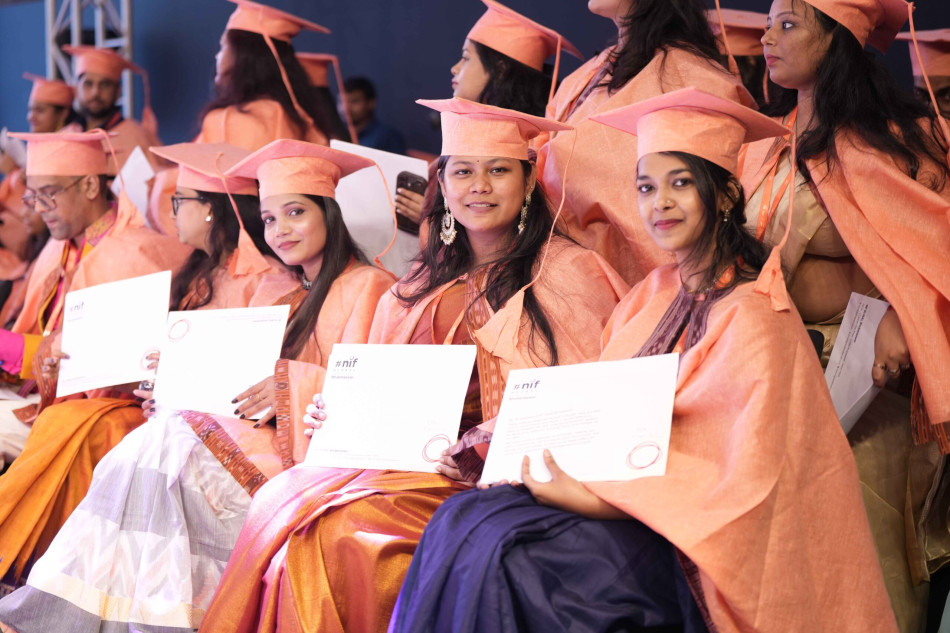
Fashion evolves quickly. Rather than chasing short-lived styles, the industry is now leaning towards lasting accountability, moving away from huge output and towards mindful production. Sustainability is more than just a trendy term; it shapes how upcoming creators plan, act and build designs. That’s why an increasing number of learners are enrolling on a Diploma in Fashion Design course that emphasises not only originality, but also fair practices, an understanding of materials and thoughtful design frameworks.
If you’re aiming for a career in fashion, knowing about eco-friendly practices is essential, not just helpful. A well-structured diploma provides the foundation needed to design stylish clothing that respects people and the planet. These programmes equip learners for the modern demands of ethical apparel by blending creativity with accountability. Schools such as NIF Global Bhubaneswar reflect this shift by shaping their curricula around real-world environmental and social needs.
Understanding the Core of Sustainable Fashion
A contemporary diploma in fashion design covers much more than drawing or stitching. It starts with helping learners understand true sustainability:
● How clothing impacts the environment
● The lifecycle of a garment
● Why materials matter
● The price of excess plus discarded materials
● The morality behind work practices, along with supply chains
You learn that a design is never just a piece of clothing – it is a system. Every button, dye, fabric, and pattern choice plays a role in shaping its environmental impact.
This knowledge serves as the foundation for all student work in sustainability studies – shaping how they approach tasks, influence projects, and through practical application.
Learning About Eco-Friendly Fabrics and Future Textiles
One major change in fashion occurs through materials. Within a solid degree programme, learners examine:
● Organic cotton vs conventional cotton
● Bamboo, hemp, and other plant-based fibres
● Recycled polyester, along with regenerated fibres
● Zero-waste materials
● Bio-created or laboratory-produced fabrics
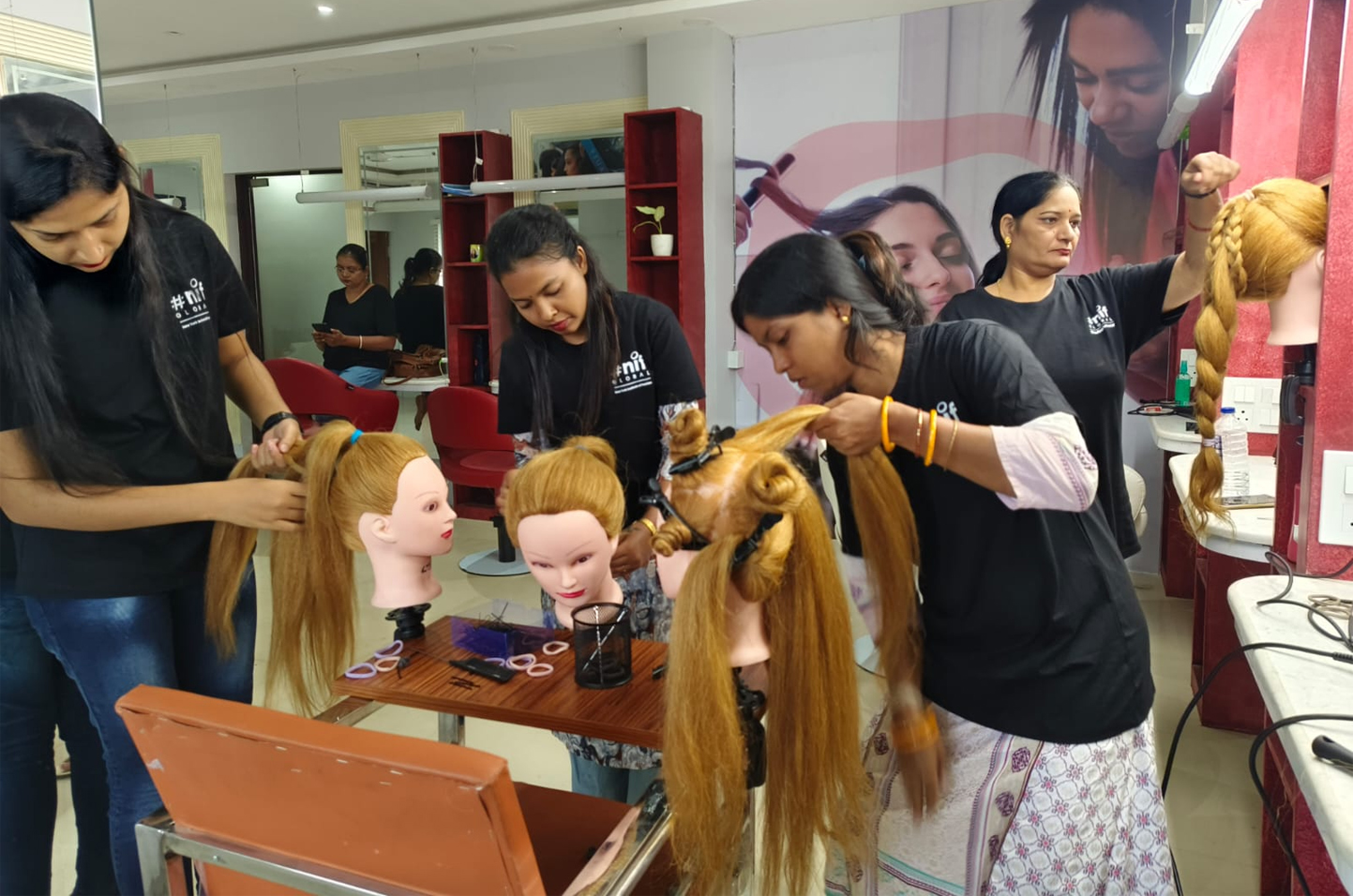
Practical experience lets students handle, fold, and study such materials. As a result, they learn which textiles resist wear, break down naturally, reduce environmental harm, or save energy.
Colleges such as NIF Global Bhubaneswar combine fabric research with hands-on work; therefore, learners explore sustainable concepts while creating actual designs. Furthermore, this method links classroom knowledge with tangible outcomes through project-based tasks.
Responsible Patternmaking and Zero-Waste Techniques
Traditional pattern cutting often results in significant leftover material. However, a current fashion design diploma teaches methods aimed at minimising excess, including:
● Zero-waste pattern layouts
● Modular design
● Garments that serve several purposes or can change shape
● Upcycling existing materials
Students begin to approach problems in new ways. Rather than shaping material to match a plan, they adjust the plan to use all the material fully. Such a change in thinking lies centre of eco-friendly design.
Ethical Production and Supply Chain Awareness
Sustainability involves more than Earth – it includes humanity too. Current fashion learners must grasp this idea:
● Ethical labour practices
● Fair wages
● Safe working environments
● Transparent supply chains
● Local making compared to large-scale factory output
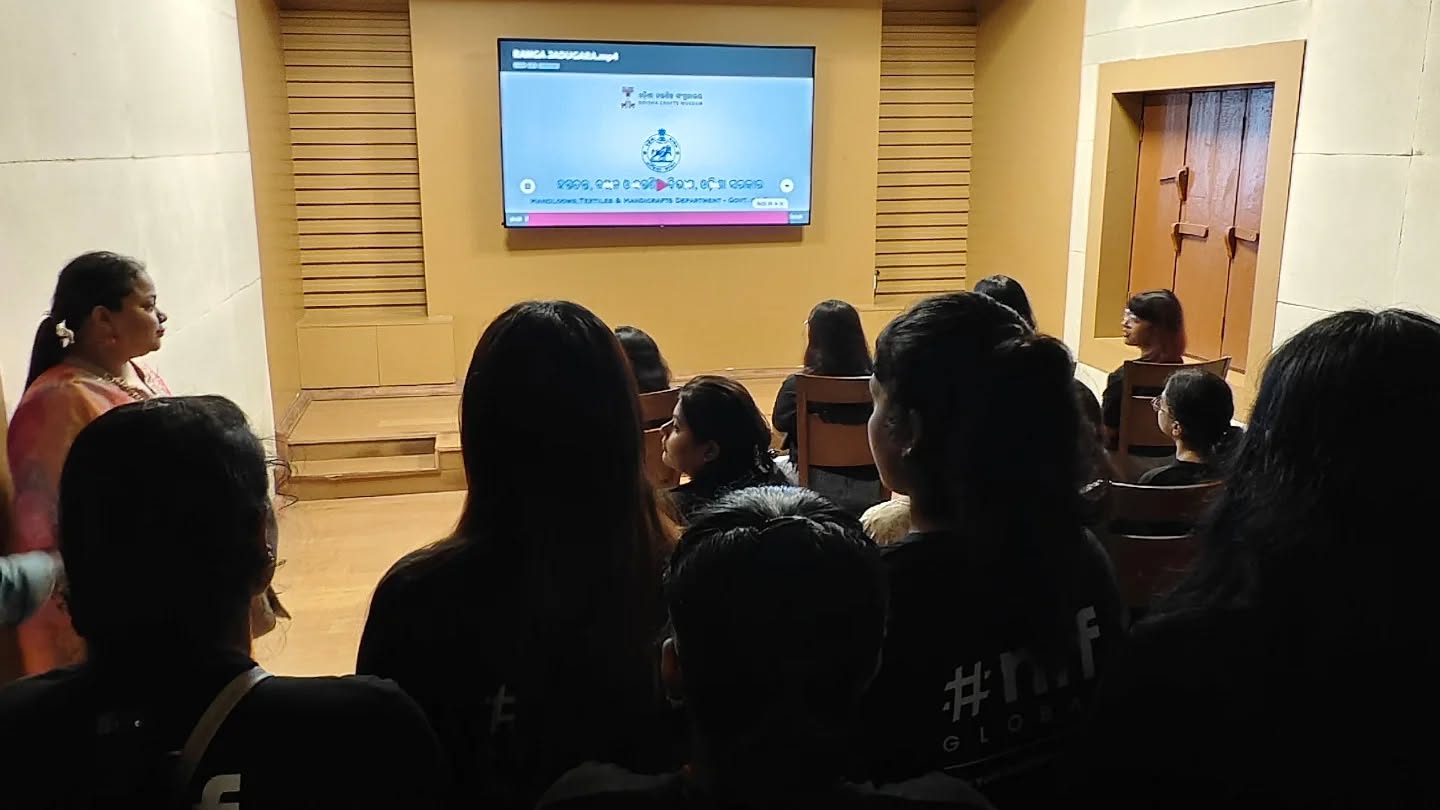
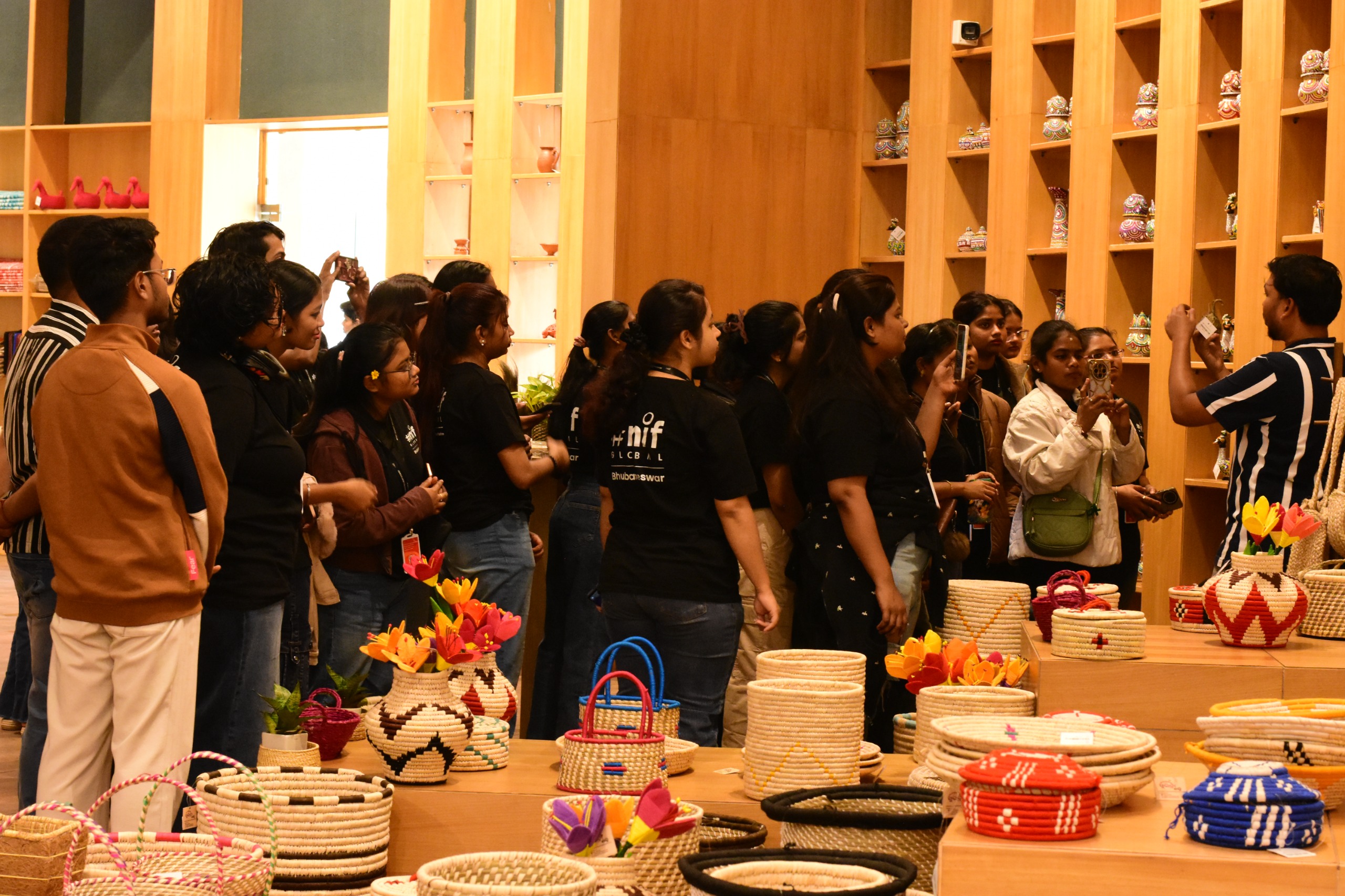
Some fashion schools support trips to workplaces, meetings with professionals, or hands-on experience in production sites. These activities let learners grasp how the fashion world operates, while seeing how the choices they make influence outcomes.
Institutions like NIF Global Bhubaneswar highlight research along with accountable sourcing, guiding students to develop strong ethics at career beginnings.
Digital Tools for Low-Waste Fashion
The greater the digitisation, the smaller the waste output. Current fashion degrees cover:
● 3D garment simulation
● CAD patternmaking
● Virtual draping
● Digital mood boards
● Tech-based workflow planning
These tools cut down on repeated samples along with actual models. By helping students see finished clothes clearly, they preserve materials as well as hours.
This forward-looking method forms a key part of sustainable practices – NIF Global and comparable organisations use it so learners meet today’s job market needs through adaptable training models.
Real-World Projects That Apply Sustainable Thinking
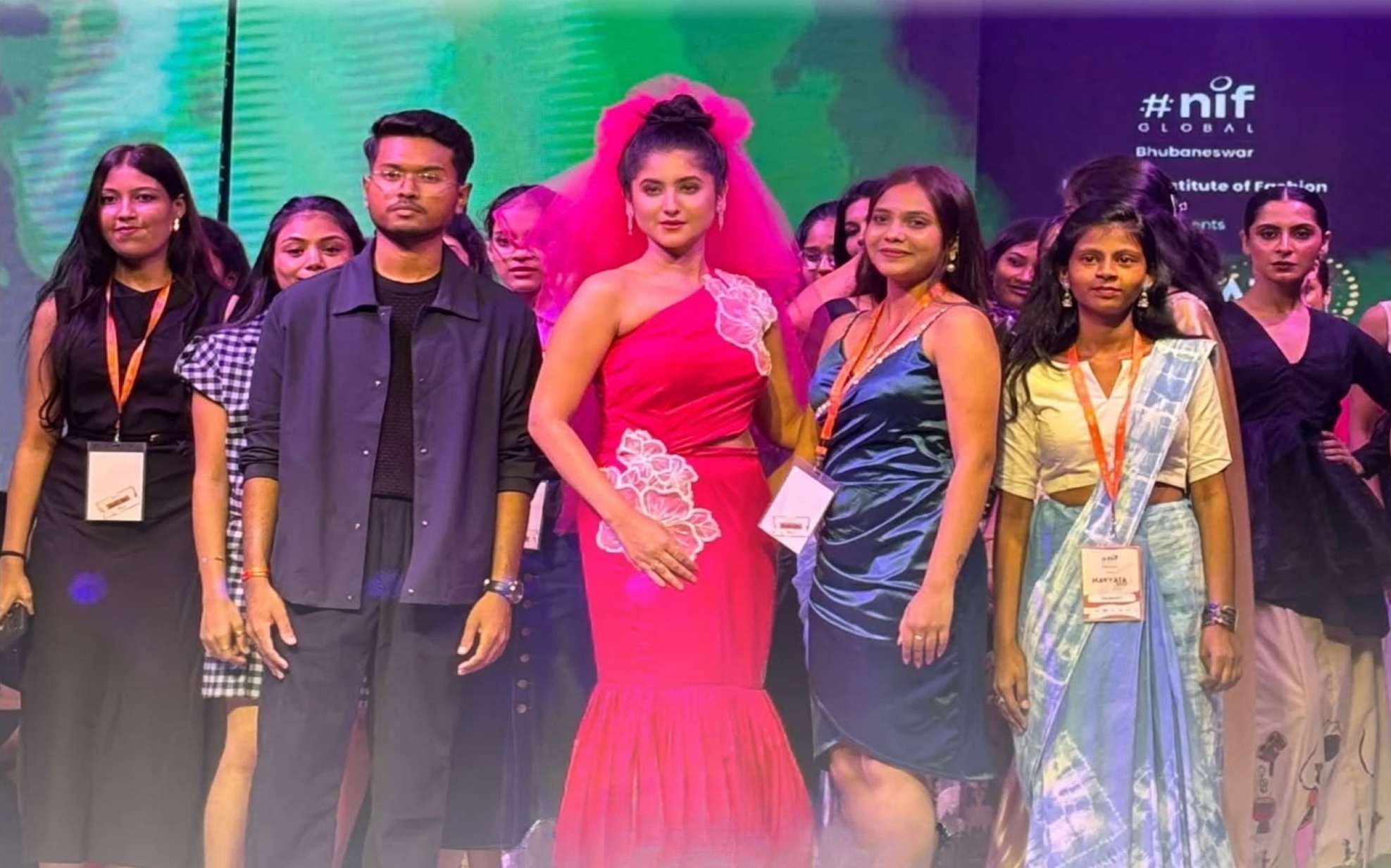
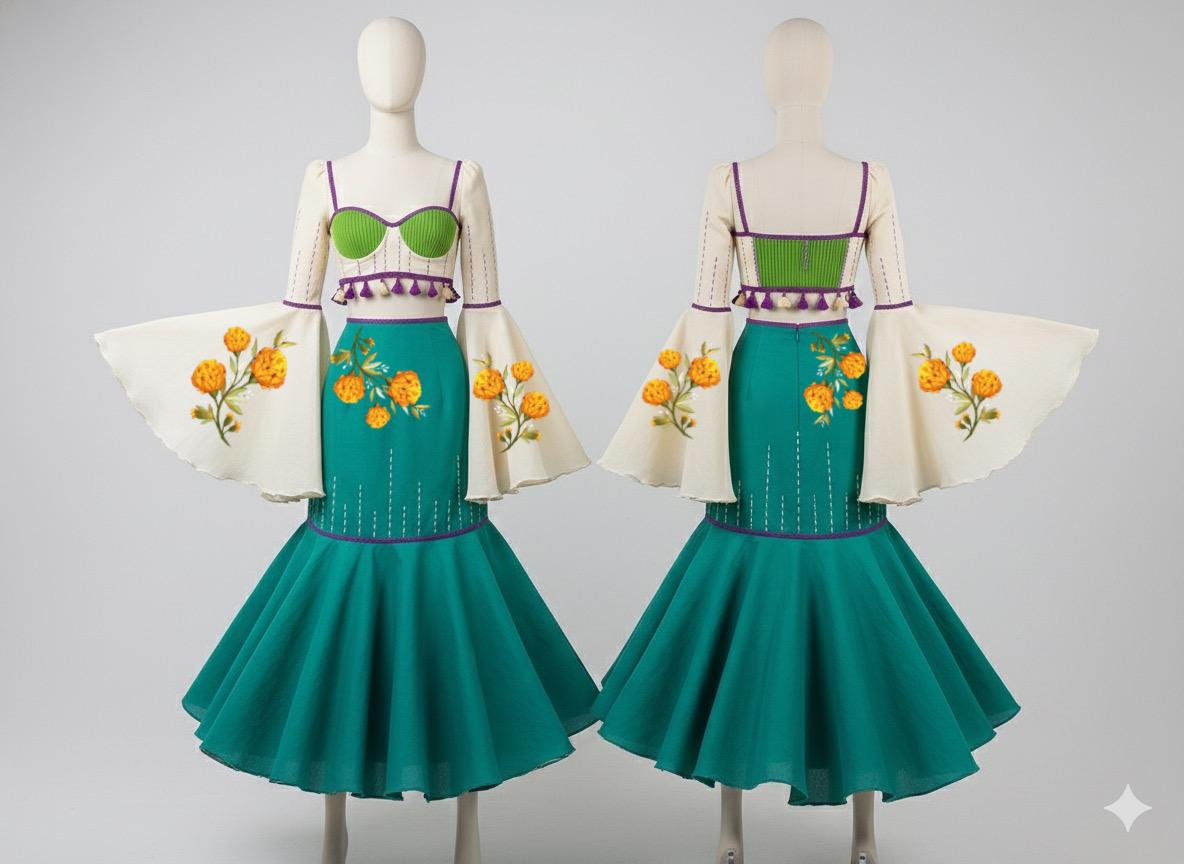
The easiest path to understanding sustainability involves hands-on experience. Learners enrolled in a Fashion Design Diploma frequently engage in practical projects
● Upcycled collections
● Eco-conscious capsule wardrobes
● Recycled textile projects
● Minimal-waste fashion lines
● Community-based craft collaborations
Such initiatives help learners focus on intentional creation, tackle environmental issues through alternative approaches, or develop clothing that aligns beauty with responsibility.
FAQs About Sustainability in a Fashion Design Diploma
1. Do all Diploma in Fashion Design Courses teach sustainability?
Not all, but most modern programmes now include sustainability modules. It is becoming a key part of global fashion education as the industry evolves.
2. Will learning sustainability limit my creativity?
No — it expands it. Working with constraints inspires innovation. Many designers say sustainable design pushes them to think smarter and create more meaningful work.
3. What careers can I pursue after studying sustainable fashion?
You can become a fashion designer, textile developer, sustainability consultant, product designer, merchandiser, or even start an eco-conscious brand.
4. Do I need prior experience before joining a sustainability-focused diploma?
No. A good course will teach you the fundamentals from scratch while guiding you toward responsible practices.
5. Does NIF Global Bhubaneswar offer sustainability-aligned fashion training?
Yes. NIF Global integrates practical, ethical, and industry-relevant learning, helping students understand the full ecosystem of sustainable fashion while building strong design skills.
Conclusion
Fashion is changing deeply, yet sustainability lies right at its core. Meanwhile, a Diploma in Fashion Design equips learners through eco-conscious fabrics, fair manufacturing practices, tech-based applications, along with techniques cutting down waste – each skill vital for upcoming creators.
If your goal is a fashion career full of creativity, ethics, and global impact, picking a school focused on sustainability makes a difference. NIF Global Bhubaneswar provides hands-on learning, real-world experience, while shaping a design attitude suited for today’s evolving scene – where eco-aware choices define progress instead of fads.
Start your fashion design career today. Admissions open now.