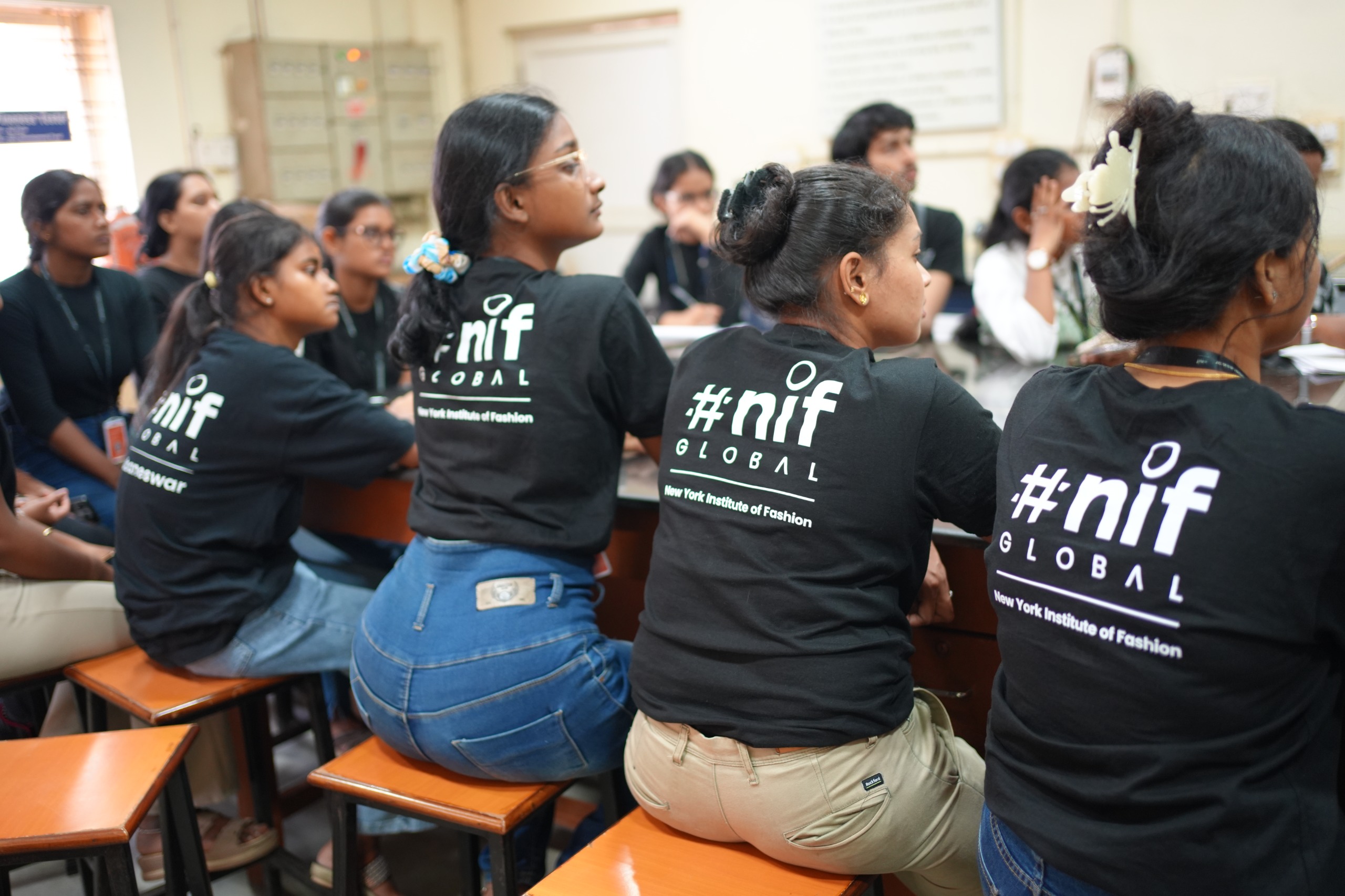
In India, fashion education has evolved to meet the needs of students seeking practical skills without lengthy academic programs. This has made fashion design certification courses a popular career choice, particularly among novices, career changers, and artistic practitioners seeking to upgrade their skills.
Although the structure of courses varies slightly across institutions, most share a similar framework. Institutes like NIF Global Bhubaneswar reflect this national approach while adapting it to local industry and student needs. Knowledge of this structure helps students understand what learning fashion design usually looks like in India.

Foundation Phase: Design Thinking and Visual Basics
Fashion design certification courses typically begin with an introductory period focused on developing visual awareness and design thinking. At NIF Global Bhubaneswar, this stage is particularly important because students usually come from different educational backgrounds.
This stage generally covers:
● Freehand sketching and basic fashion illustration
● Elements and principles of design
● Colour theory and fabric familiarisation
● Introduction to fashion concepts and research
Rather than rushing to create garments, certification courses focus on developing clear thinking and observation skills. This framework allows students to take upcoming technical modules with confidence.

Garment Construction and Technical Training
Fashion design certification courses typically transition to technical skill-building once students are comfortable with general design concepts. Here, abstract ideas start to take physical shape.
Technical modules typically involve:
● Principles of pattern making
● Measurement and cutting of fabrics.
● Sewing machine handling
● Step-by-step garment construction
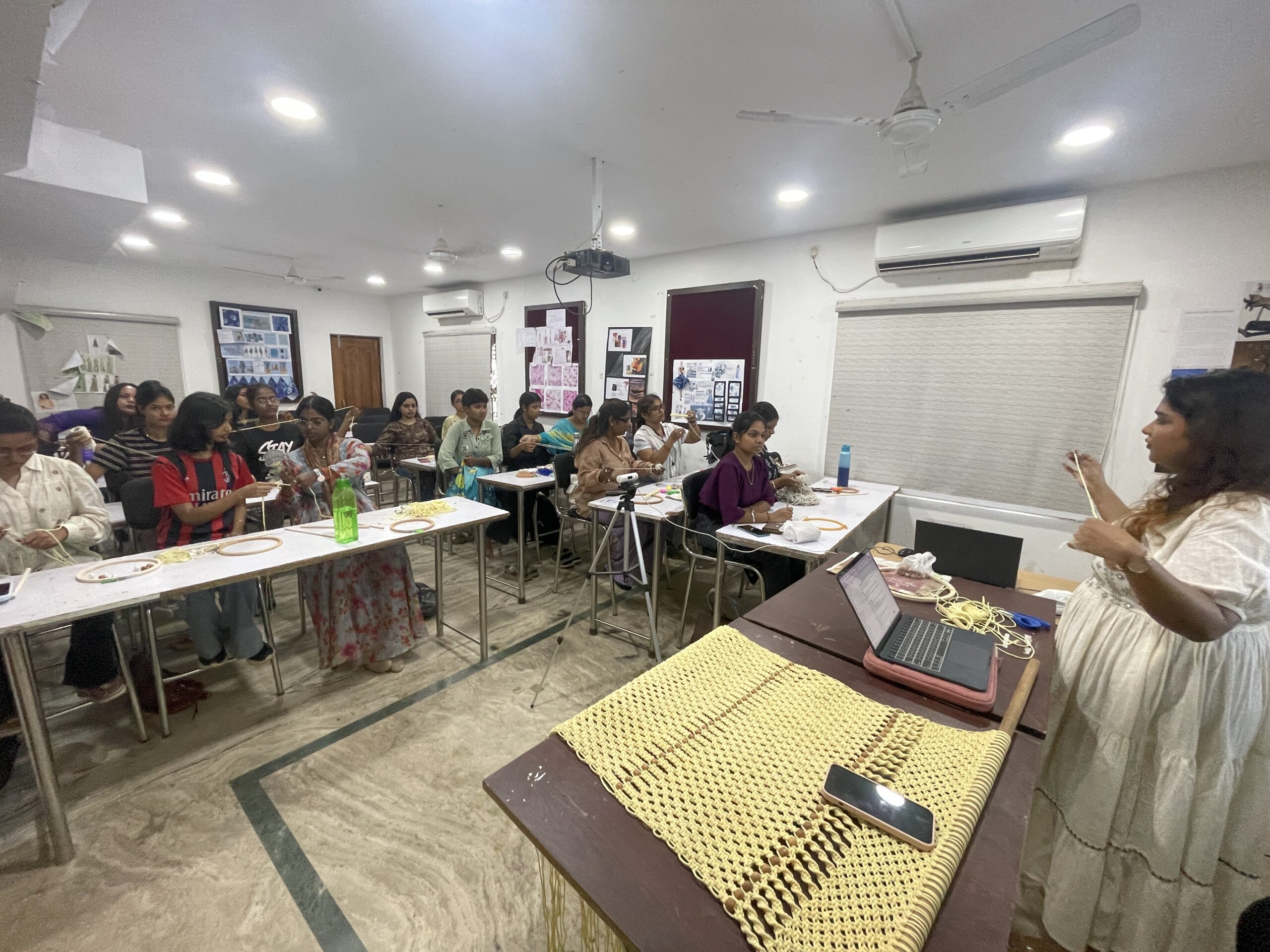
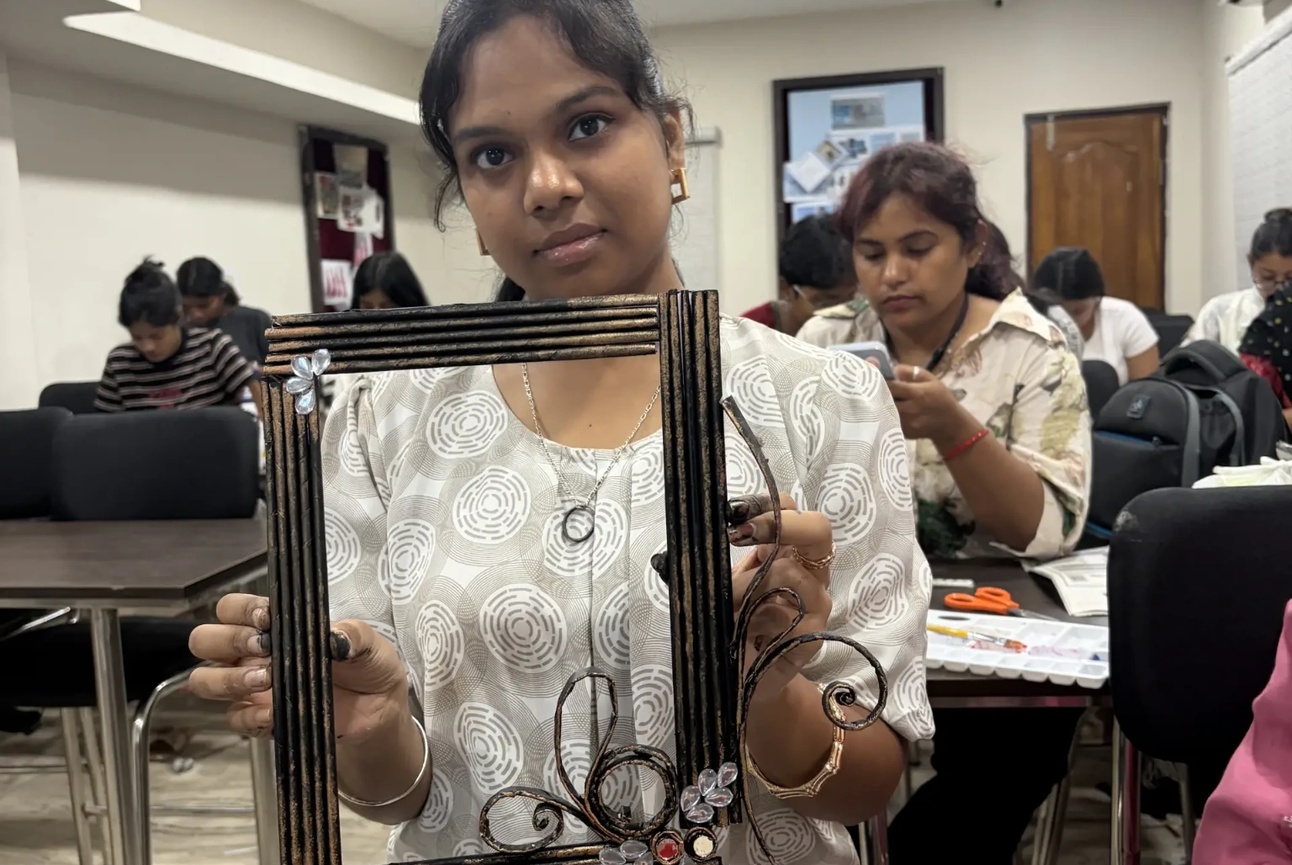
The focus of this stage is practical work. Learners spend a lot of time working with cloth, designs, and instruments, learning through trial and error. This method reflects the way skills are acquired in a real-life fashion setting.

Design Development and Indian Fashion Context
Fashion design certification courses usually incorporate design development modules as students advance, portraying global and Indian fashion sensibilities. This balance is particularly applicable in regions where local markets and traditional textiles influence design decisions.
Typical focus areas include:
● Knowledge of silhouettes and types of garments.
● Fundamentals of womenswear, menswear, and kidswear.
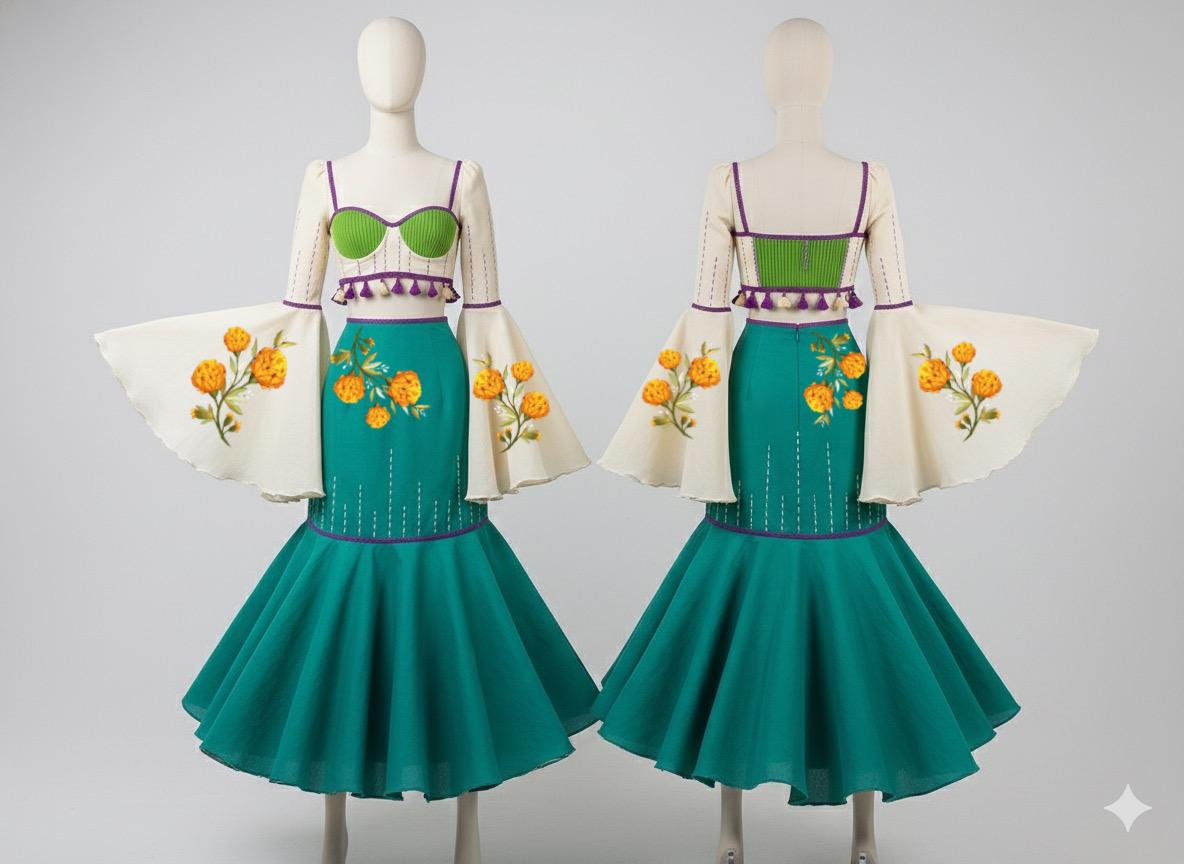
● Surface design techniques
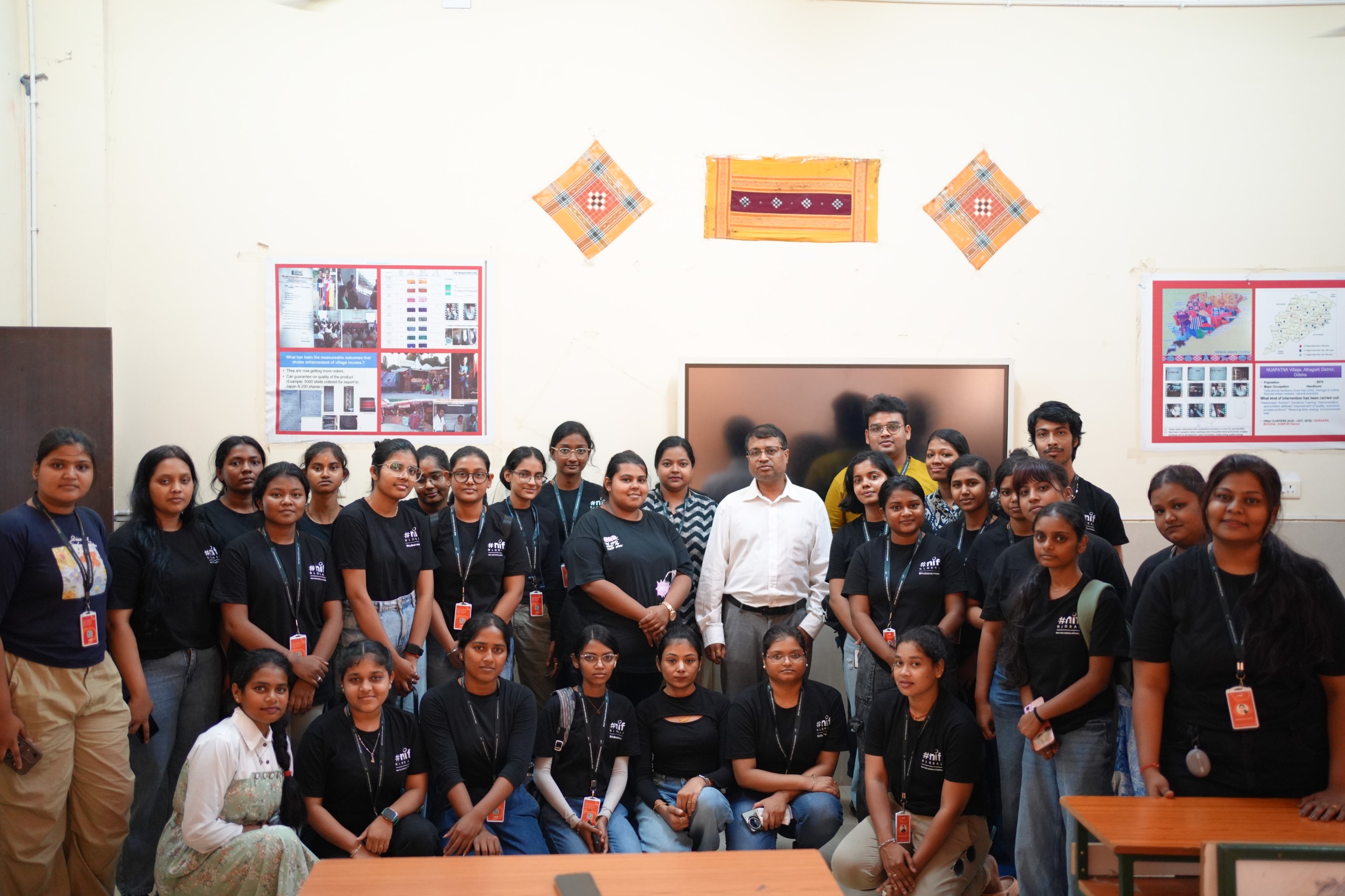
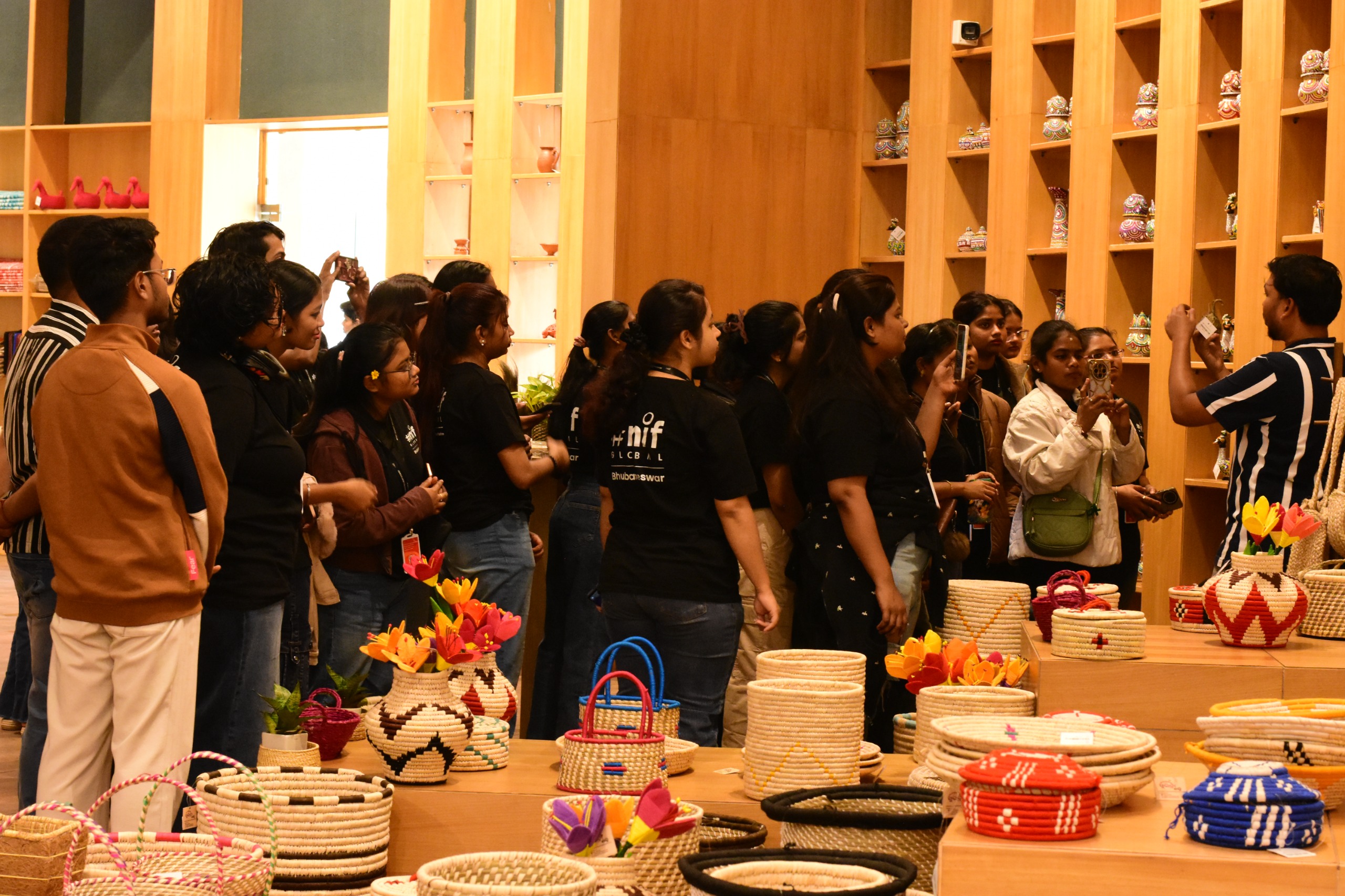
● Exposure to Indian textiles and craft references
This step at NIF Global Bhubaneswar helps students contextualise their designs, relating creativity to cultural and market relevance rather than isolated fashion trends.
Digital Awareness and Industry Orientation
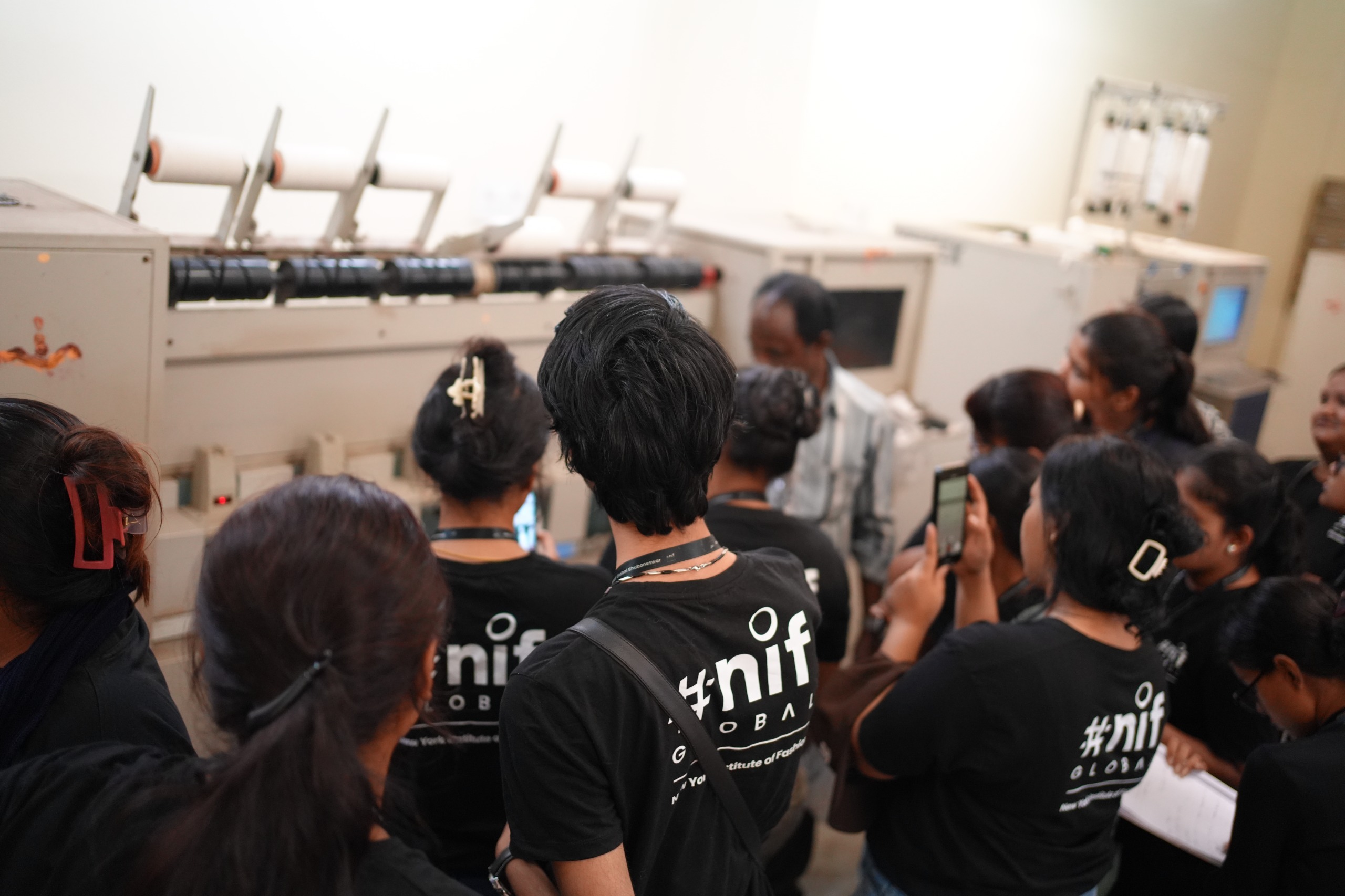
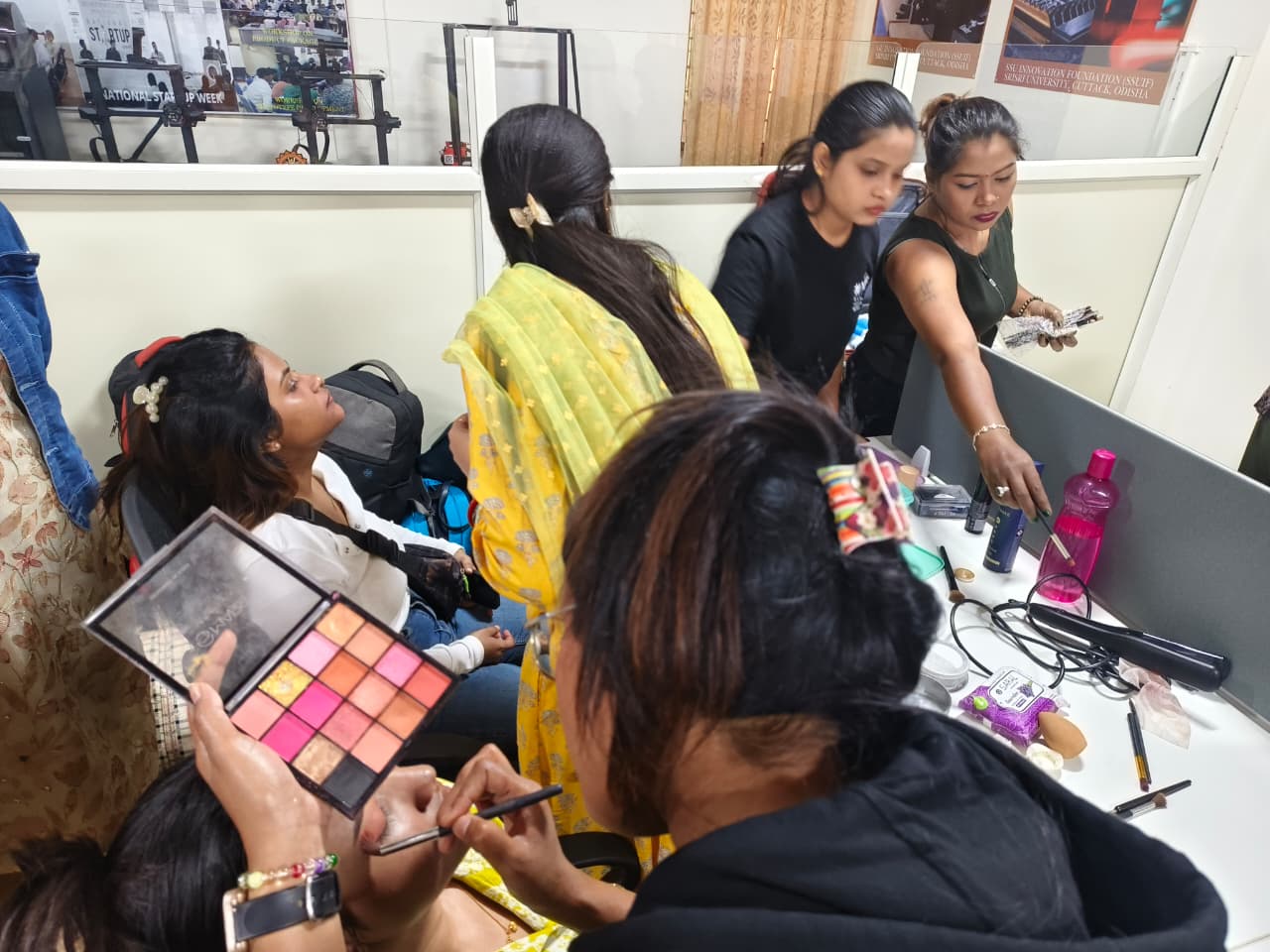
Modern fashion design certification courses are increasingly incorporating exposure to digital tools and industry workflows. Although these programs are skill-focused and time-bound, they still expose students to professional expectations.
This phase may involve:
● Basics of fashion CAD or digital illustration
● Portfolio presentation formats
● Production schedule knowledge.
● Basic knowledge of sourcing and costing
At NIF Global Bhubaneswar, these elements are seen as awareness-based rather than mastery-based to help students learn how design fits into the broader fashion eco-system.
Project Work and Portfolio Foundations
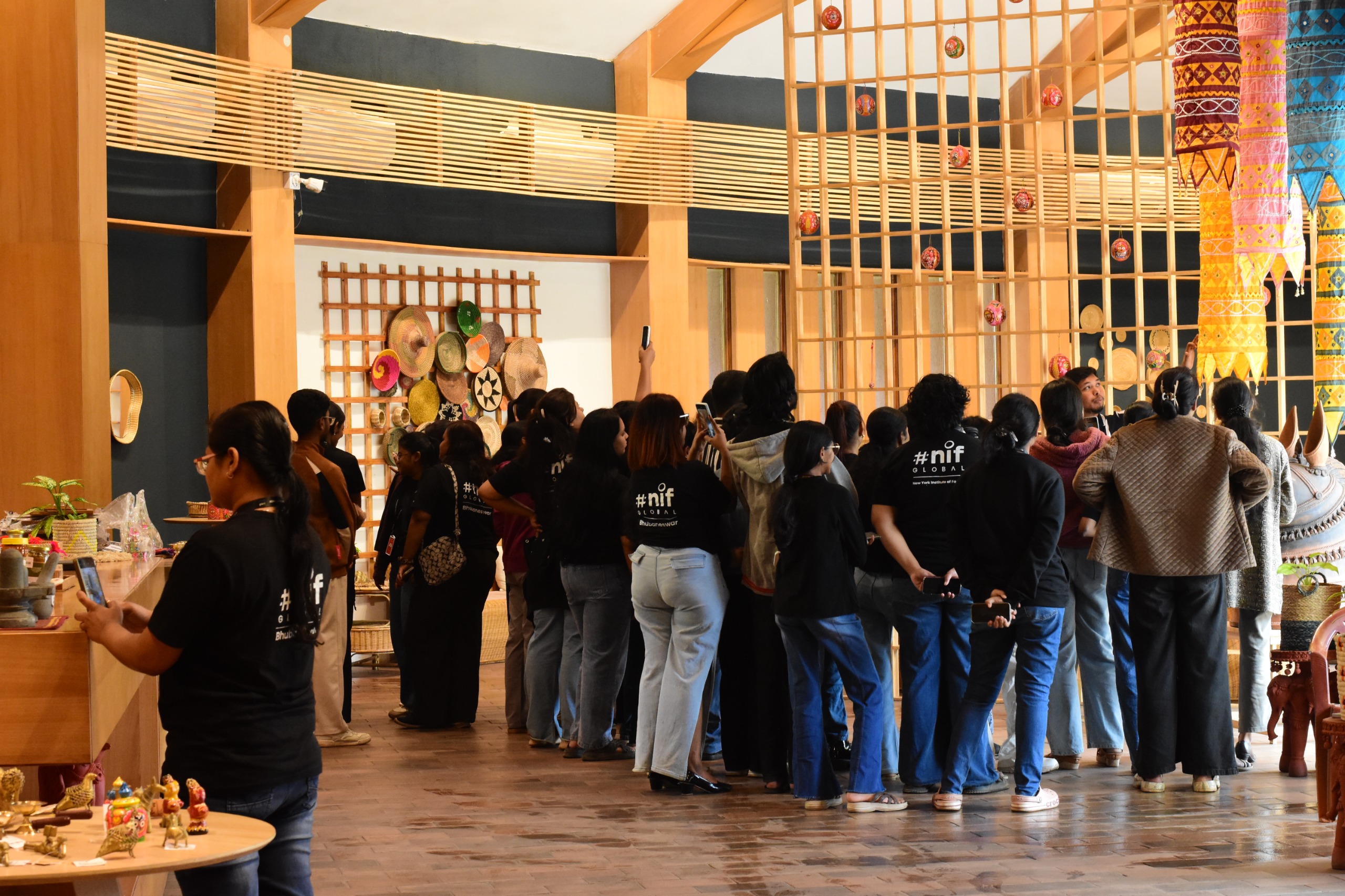
Project-based learning is a major component of fashion design certification courses in India. In the later stages, students are guided through systematic design projects.
These projects usually incorporate:
● Theme selection and concept development
● Mood board and design planning.
● Garment execution
● Recording the design process.
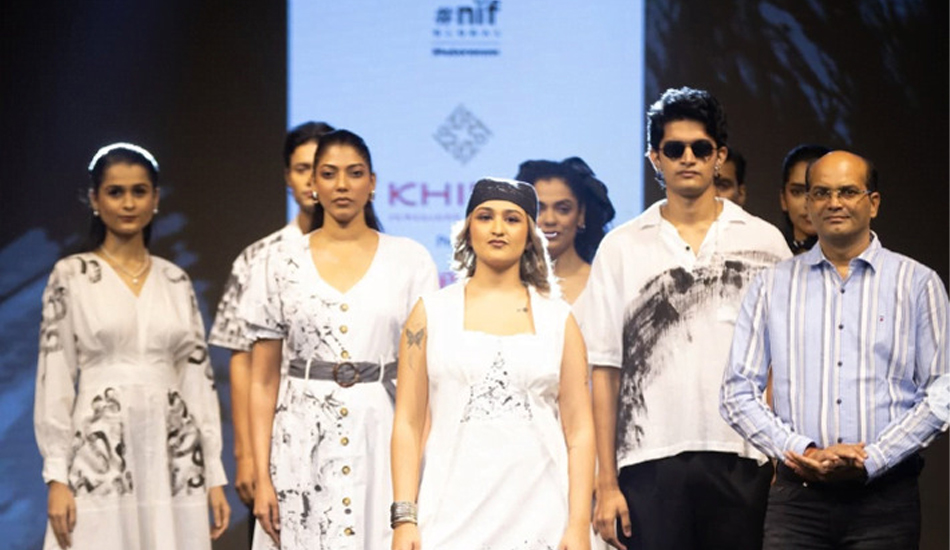
The focus is on training the ability to convert ideas into finished products. At NIF Global Bhubaneswar, these projects help students start developing a portfolio that showcases their learning experience.
Learning Pace and Assessment Style
Fashion Design Certification Courses typically have continuous assessment models, unlike degree programs. Evaluation is based on:
● Practical assignments
● Skill progression
● Project submissions
● Classroom participation
This organisation is consistent with the practicality of fashion education and allows students to become better through feedback and not through the pressure of exams.
FAQs
Do Fashion Design Certification Courses at NIF Global Bhubaneswar suit beginners?
Yes, the structure begins with foundational modules, making it accessible to students with no prior design background.
Are Fashion Design Certification Courses more practical than theoretical?
In most Indian institutes, including NIF Global Bhubaneswar, the focus is strongly on practical, studio-based learning.
Is portfolio development included in certification courses?
Yes, project work contributes to a basic portfolio that reflects skill development over time.
Do certification courses guarantee fashion jobs?
Certification courses build skills, but career outcomes depend on individual effort, practice, and industry exposure.
Conclusion
Fashion design certification courses in India are systematically developed, advancing from design basics to technical and project training. NIF Global Bhubaneswar follows this national framework, adjusting it to the students’ needs and the industry’s regional specifics. Future designers can use this structure to develop realistic expectations and make informed choices about their fashion education.
To explore how this course structure is applied in real classrooms, you can learn more about Fashion Design Certification Courses at NIF Global Bhubaneswar.