The fashion industry is undergoing a silent reset. Speed has been the measure of success for years. Rapid collections, reduced turnaround times and reduced costs were the norm. However, nowadays, sustainability issues, shifting consumer priorities, and the increased value placed on craftsmanship are challenging that mindset. As the industry evolves, so does Fashion Design College Education.
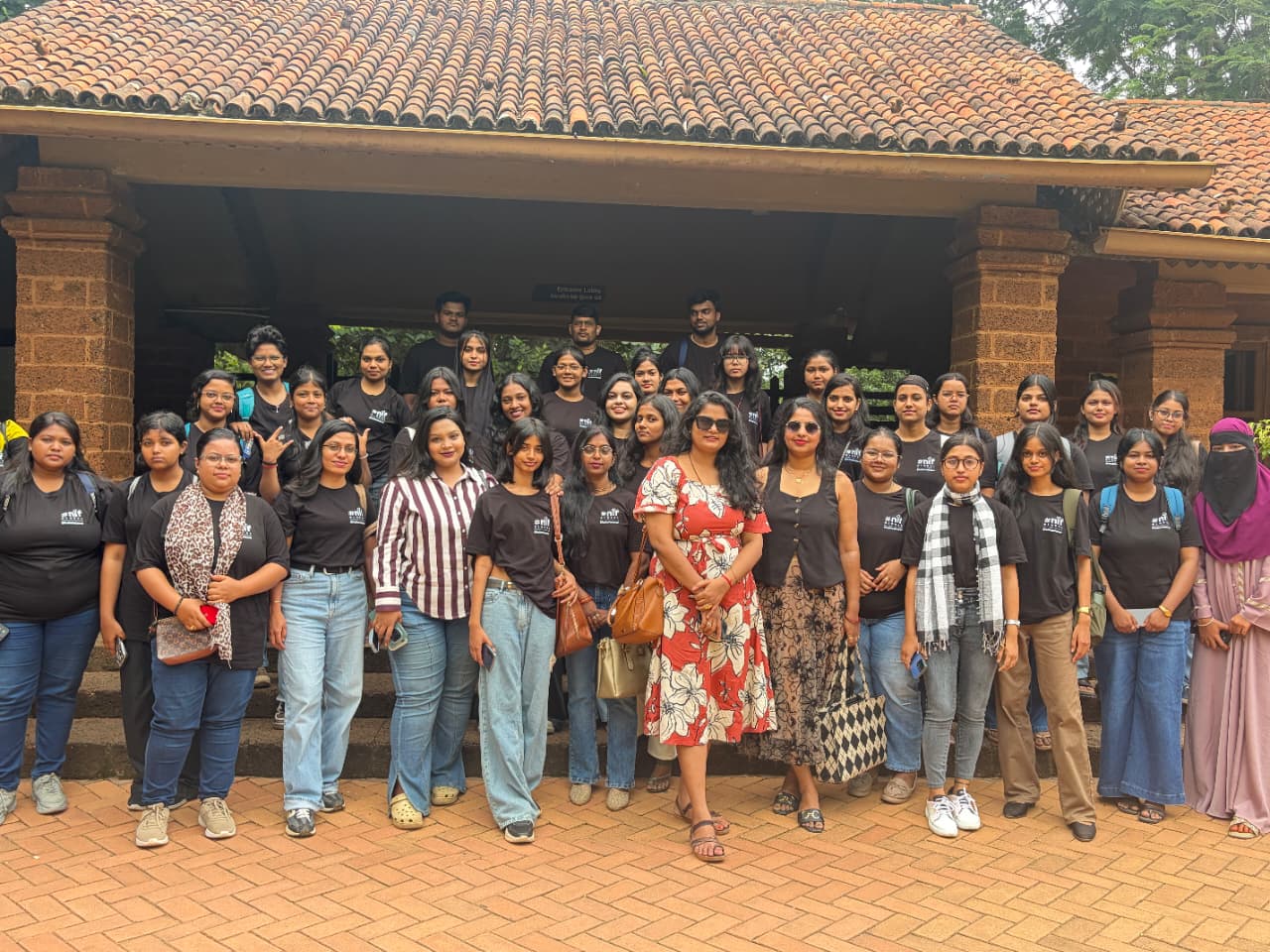
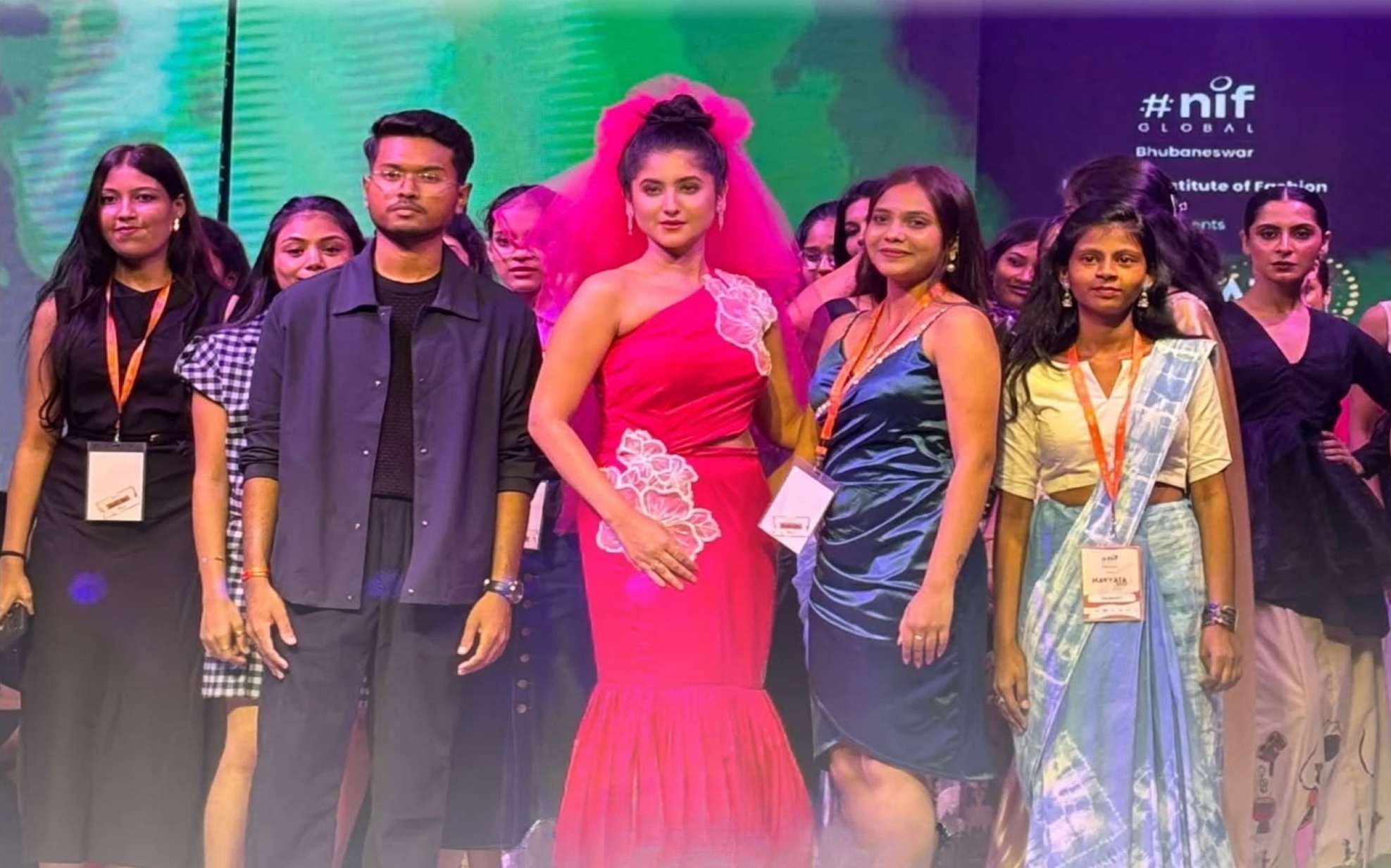
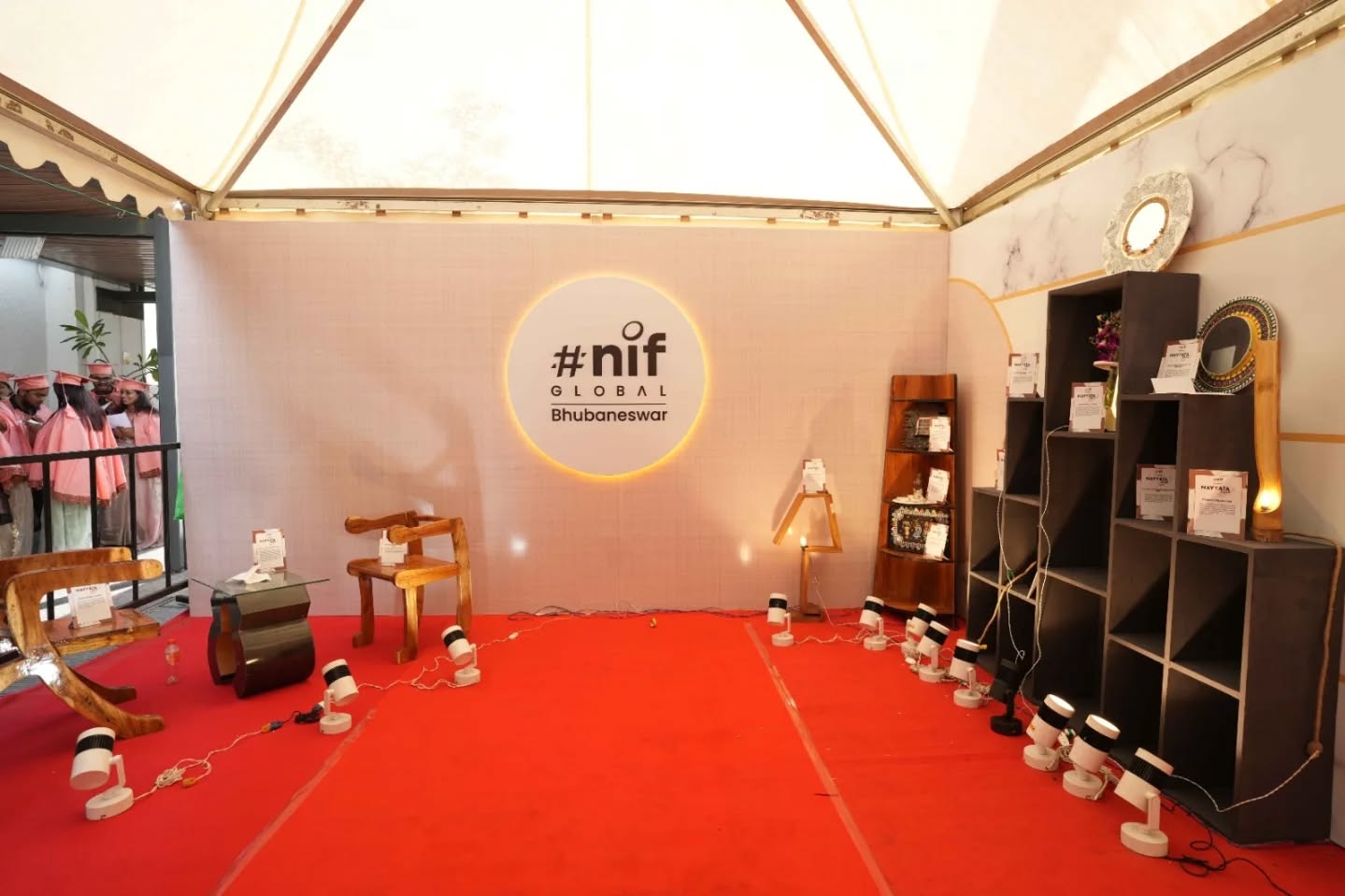
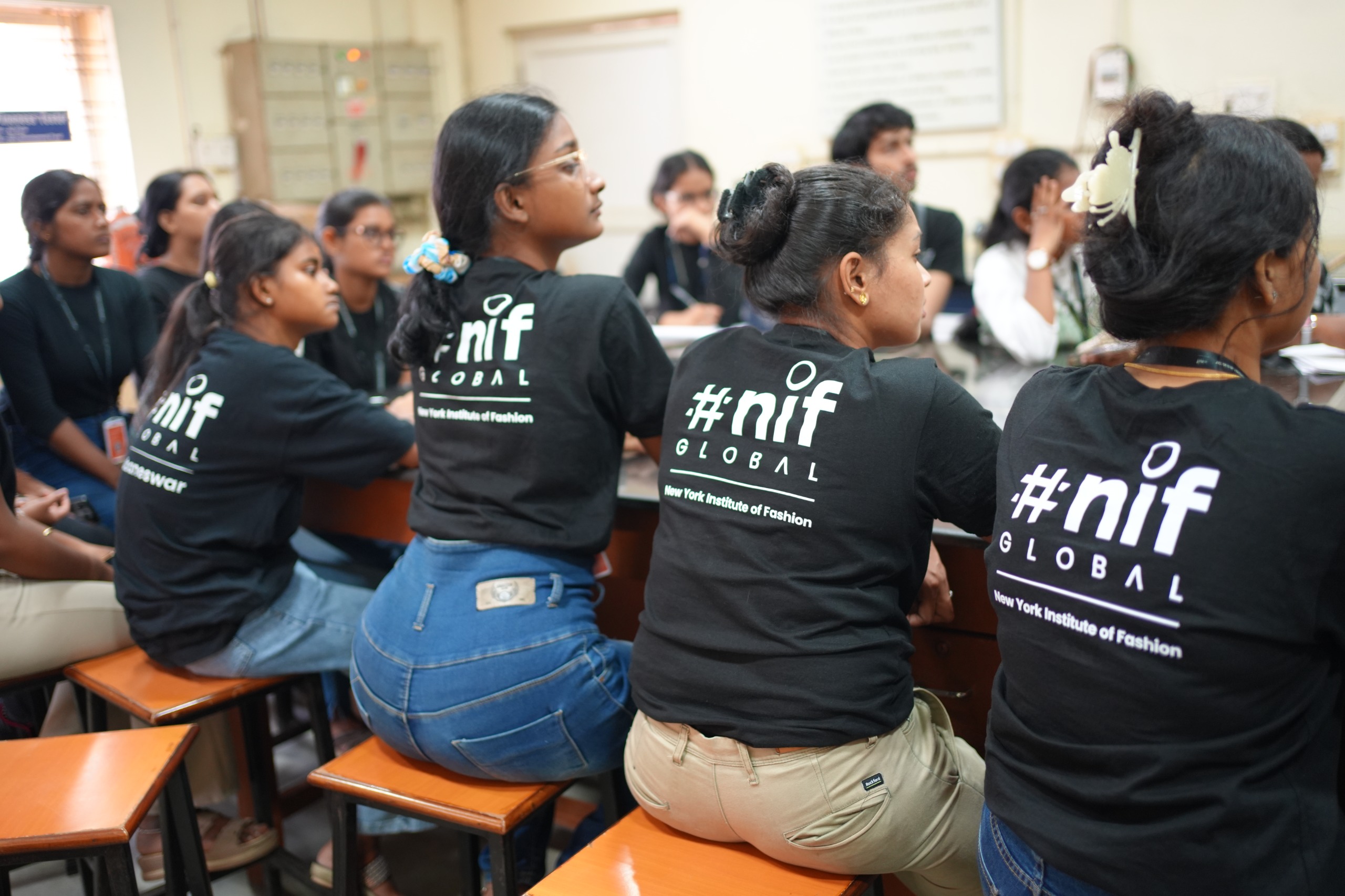
Fashion colleges are no longer merely teaching students to follow trends. They are training them to think critically, take responsibility for their designs, and enjoy long-lasting careers. This is particularly evident in institutions that remain closely in touch with industry realities, such as NIF Global Bhubaneshwar.

Why Fashion Design Education Had to Change
The fast fashion industry has produced designers who can react very quickly, but without necessarily questioning the effects of their actions. Today’s designers are expected to understand supply chains, material sourcing, waste management and ethical responsibility.
This expectation has pushed fashion design colleges to change their focus from aesthetic training to a more holistic learning experience. Students are now taught to ask deeper questions before they start designing. Who is this for? How long will it last? What resources will it consume? At NIF Global Bhubaneshwar, this mindset is woven into how students are trained, not treated as a side topic.
Sustainability as a Practical Skill at NIF Global Bhubaneshwar
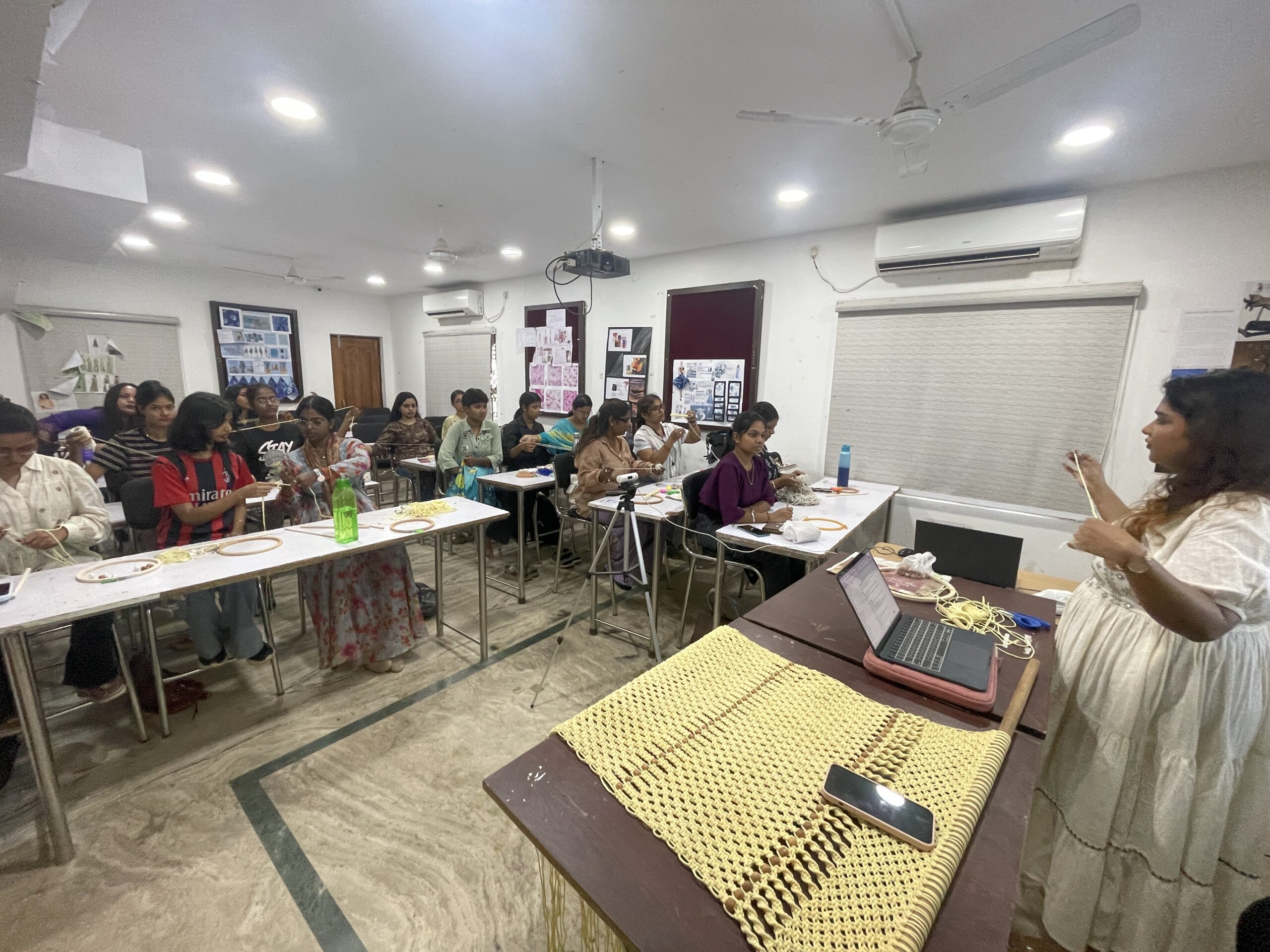
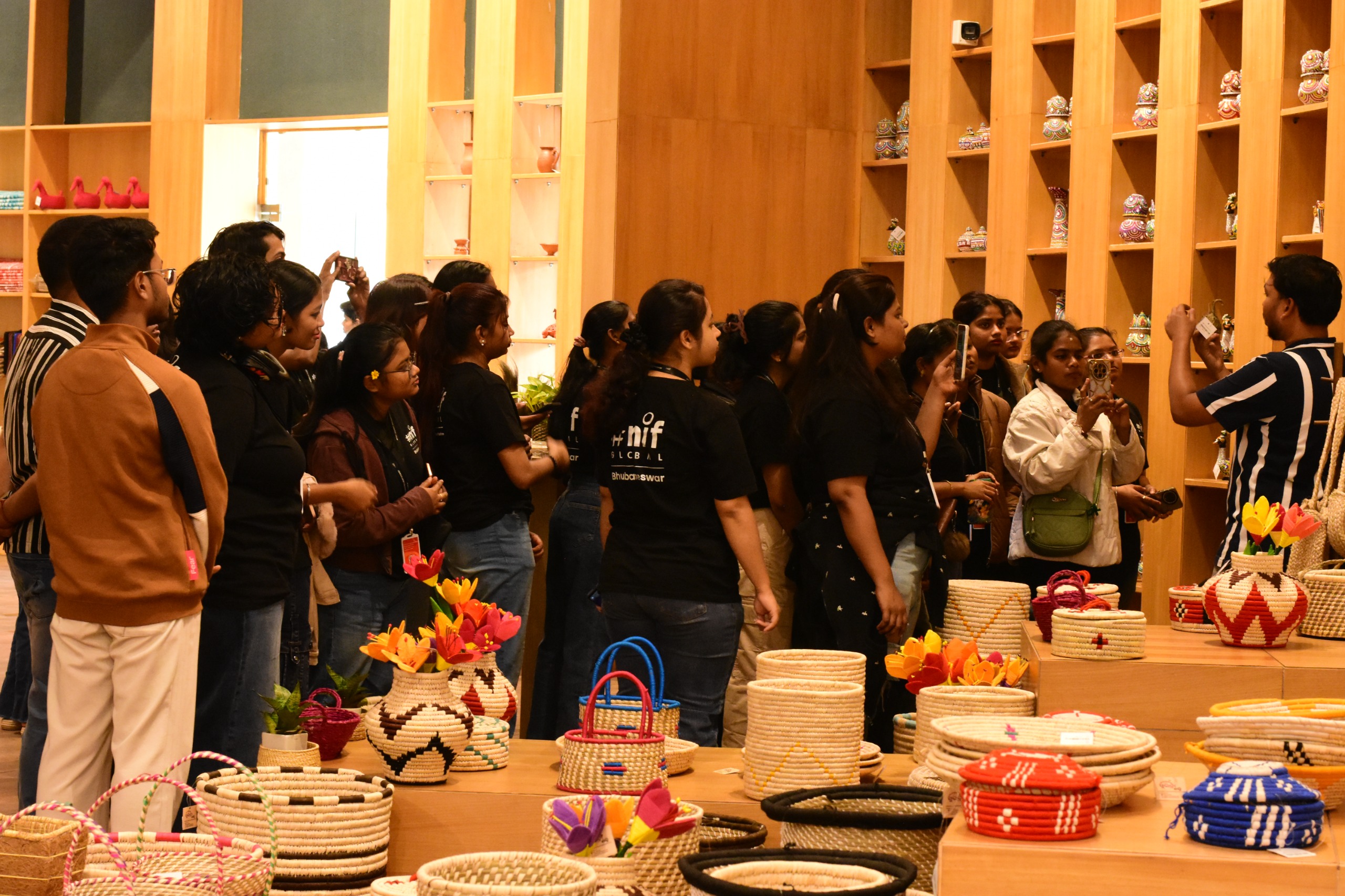
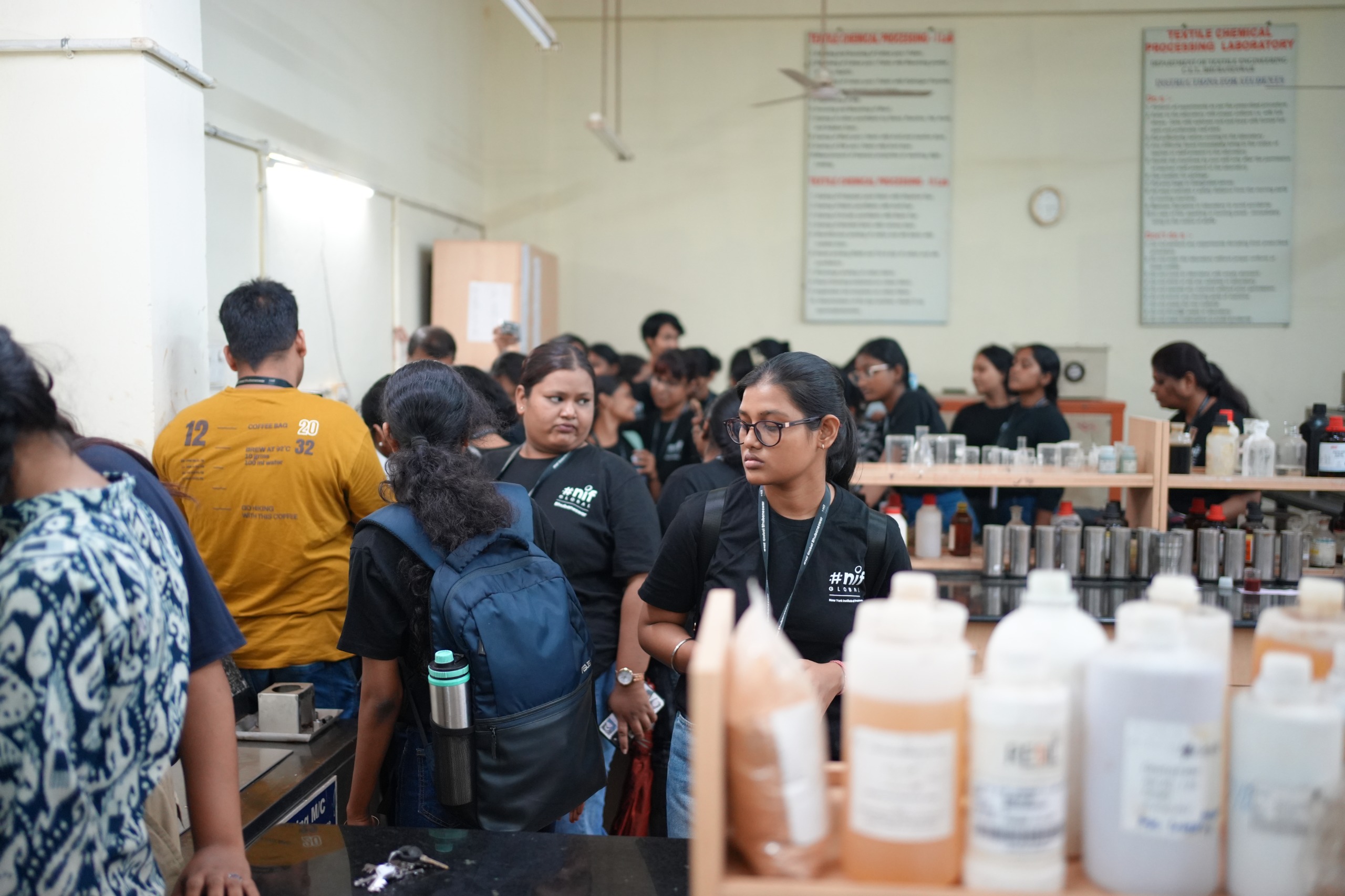
Rather than learning about sustainability in theory, NIF Global Bhubaneshwar students learn how to apply it in practice. Students are exposed to fabric choice, material innovation, and production methods that minimise waste and enhance garment longevity. Ideas such as upcycling, slow production cycles and responsible sourcing are incorporated into studio work rather than being discussed separately in lectures.
This practical methodology makes sure that the fashion design college education at NIF prepares students for the realities of a dynamic industry in which sustainability is no longer optional.
Craftsmanship Still Comes First
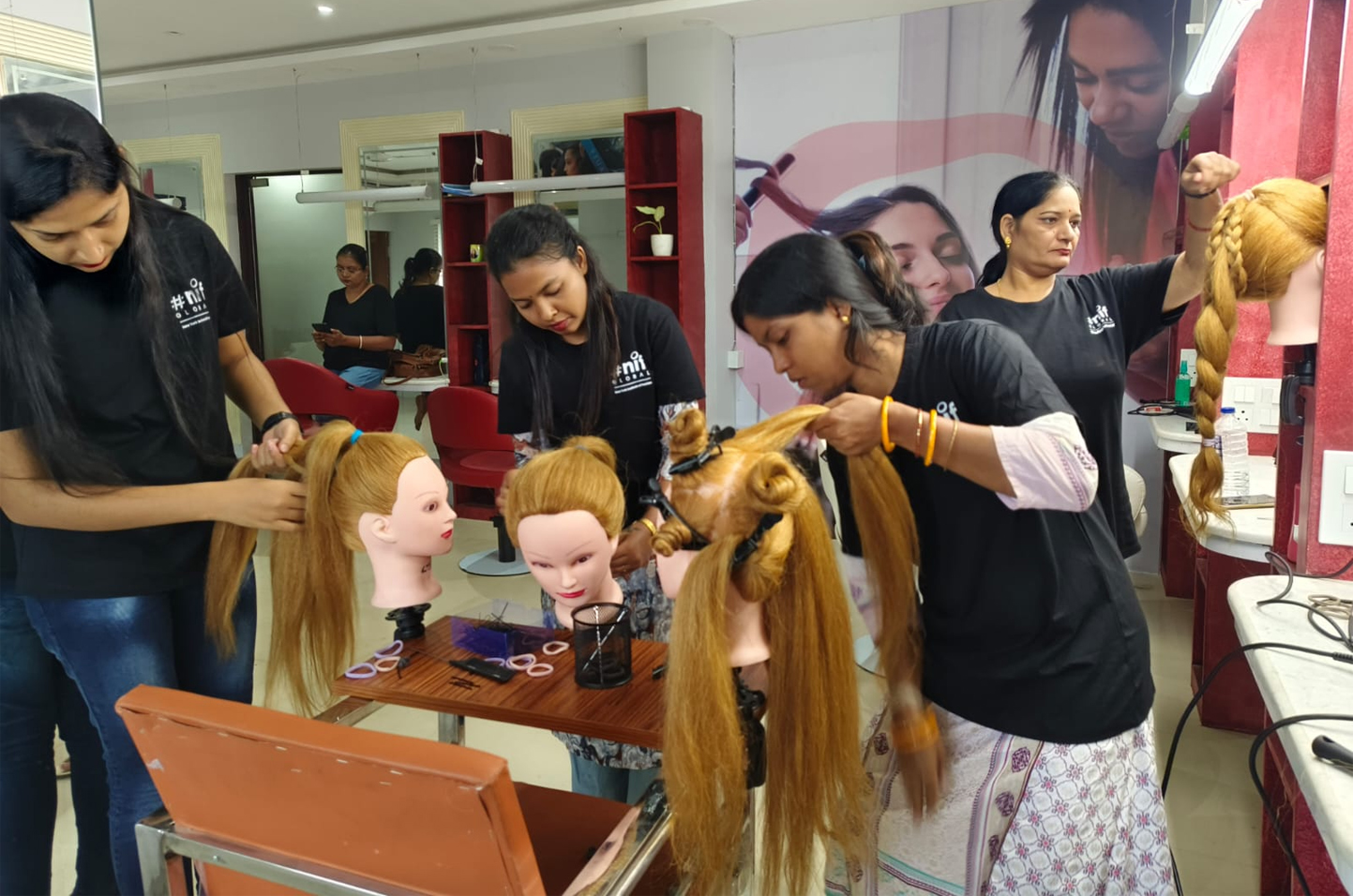
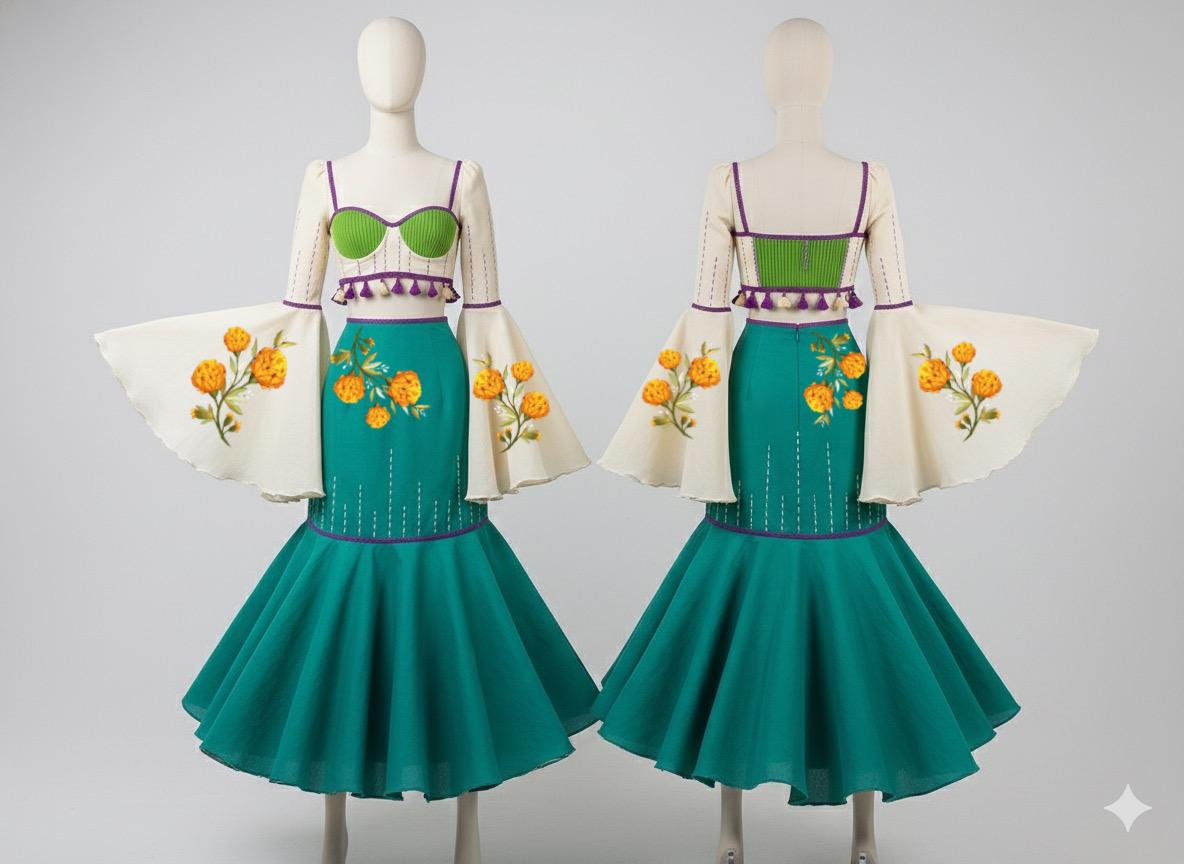
One of the most common myths about slow fashion is the belief that it restricts creativity. In fact, it requires greater proficiency. At NIF Global Bhubaneshwar, great attention is paid to fundamental practices such as pattern making, garment construction, draping and textile knowledge. These fundamentals enable students to implement considered designs accurately.
By mastering craft, students learn how to create garments that last, both physically and stylistically. This is a key aspect of slow fashion, where quality is more important than quantity.

Combining Technology and responsible design
Technology cannot be overlooked in fashion design education, and NIF Global Bhubaneswar is no exception. Instead of using technology to speed up wasteful production, smart design is applied.
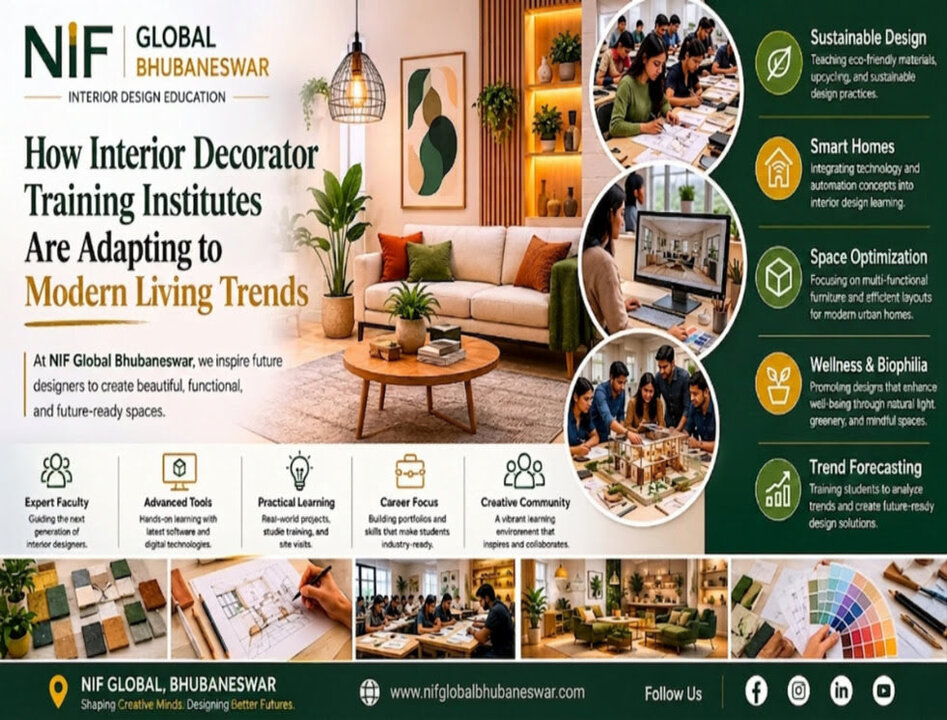
Students are introduced to digital design tools, visualisation software, and modern workflows, which minimise physical sampling and the wasteful use of materials. This allows them to be creative while being mindful of resources. The result is designers who can work comfortably at the intersection of tradition and innovation.
Preparing Students for Real-World Fashion Careers
Not all fashion graduates want to work in mass production. Some want to start their own labels, collaborate with artisan groups or set up sustainable fashion businesses.
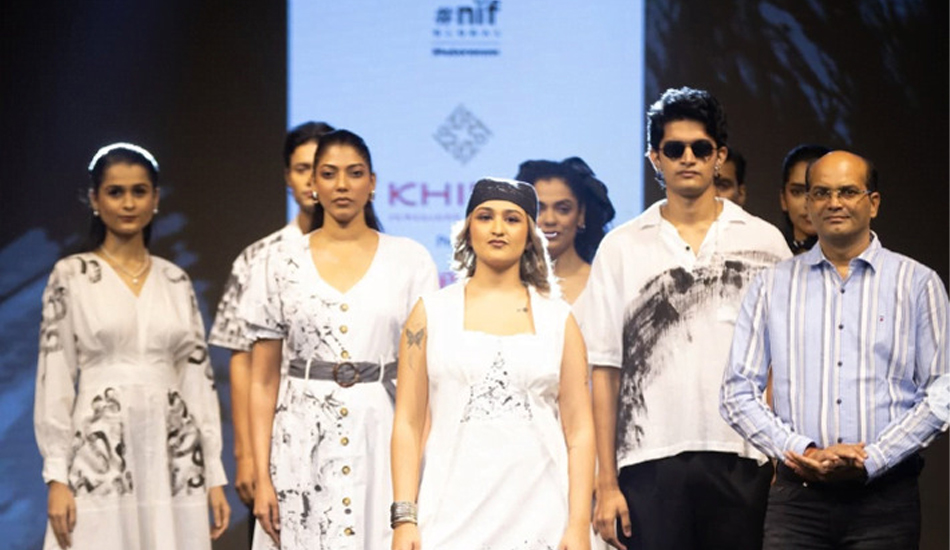
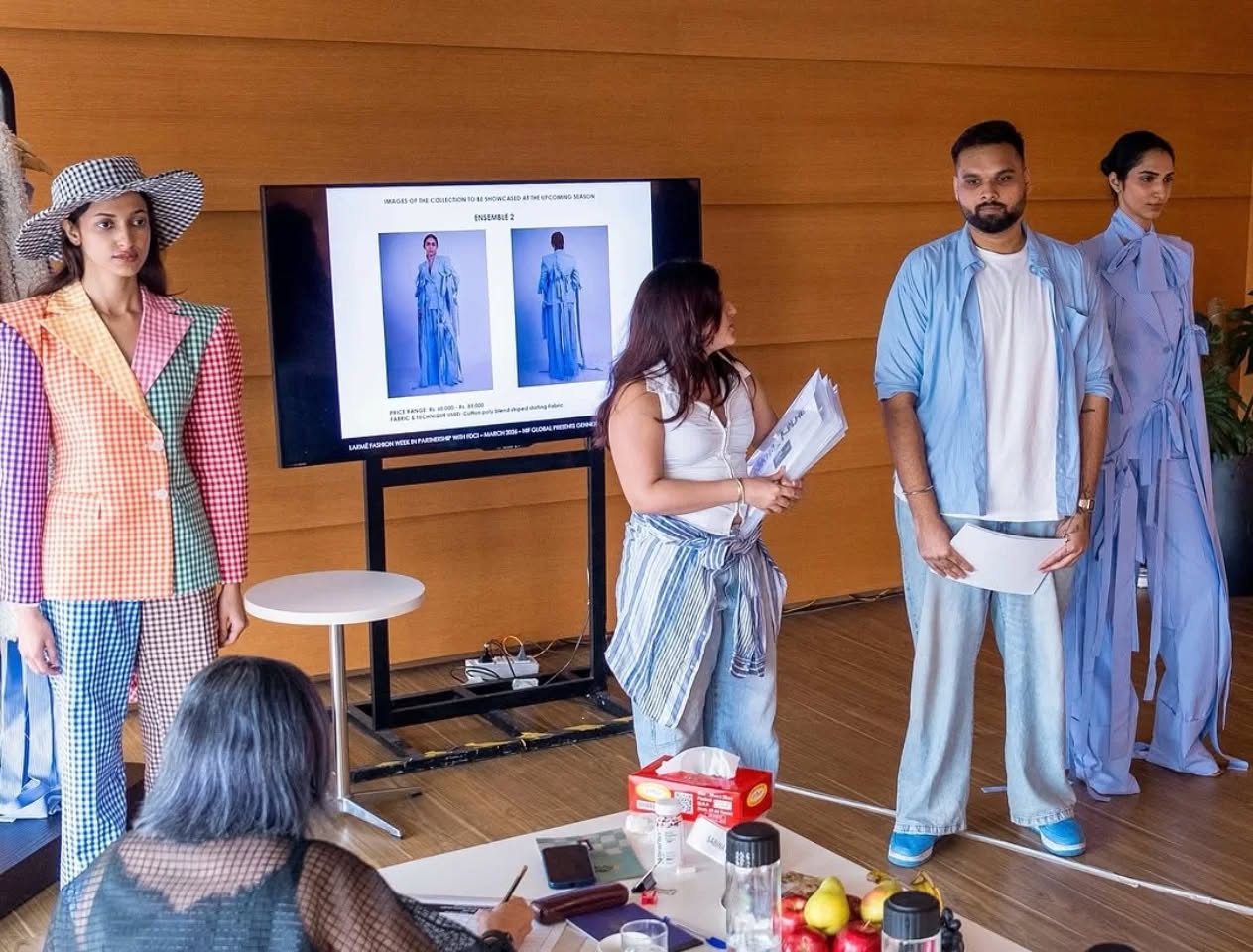
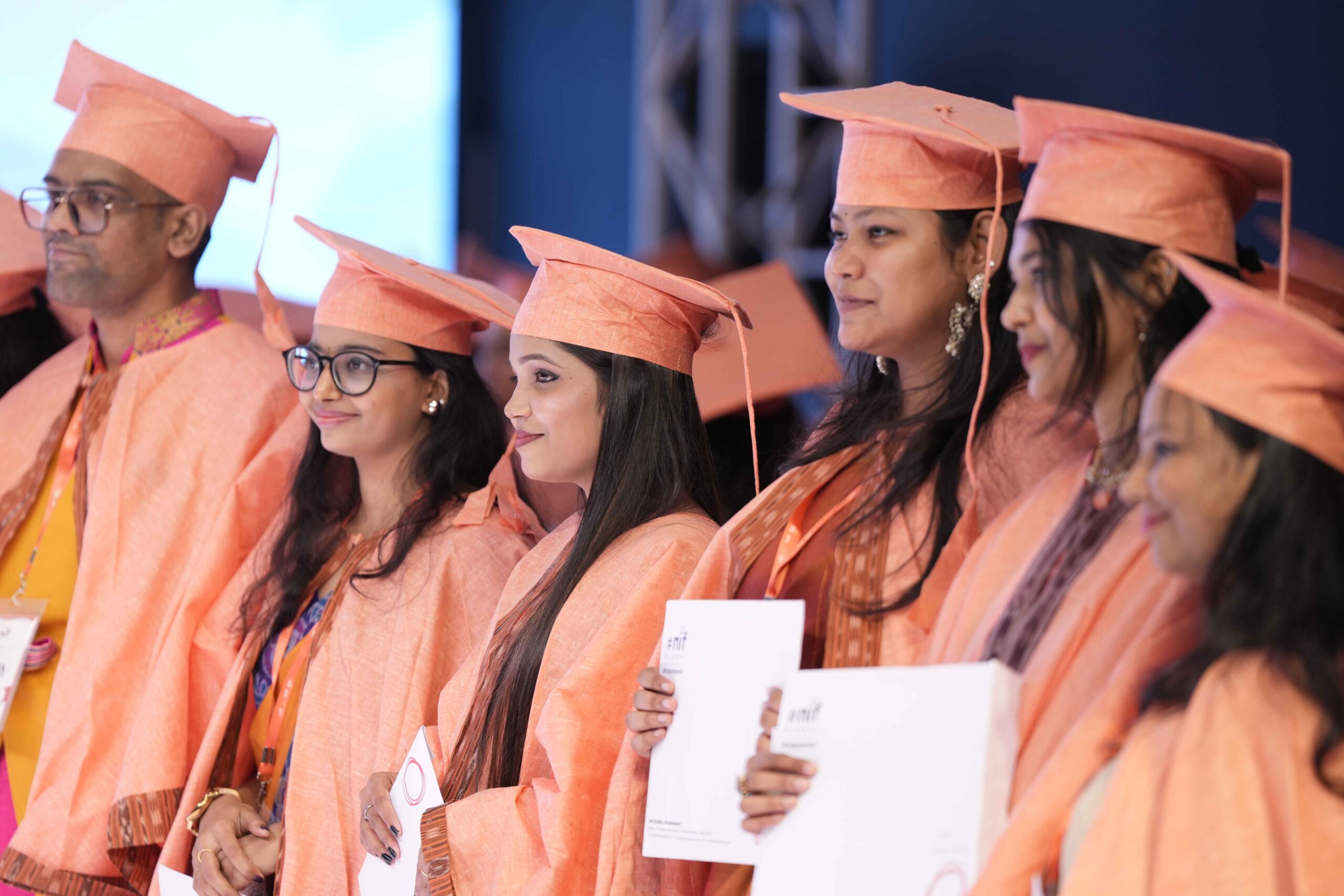
NIF Global Bhubaneshwar recognises this shift. Alongside design competencies, students are mentored in areas such as branding, portfolio development and market positioning. This wider perspective prepares students not only to create clothes but also to establish a career in fashion design.

Industry-Relevant Learning Environment
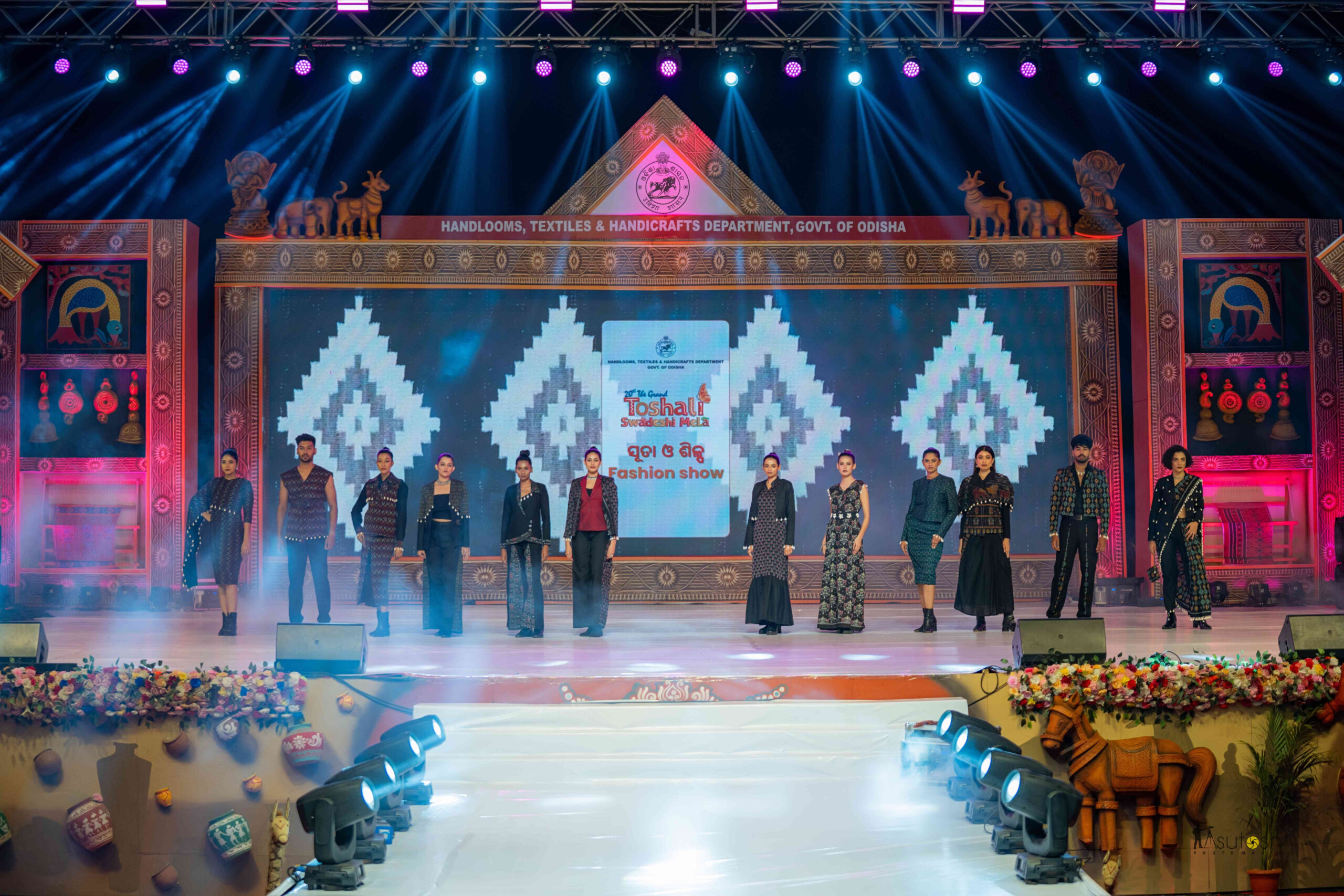
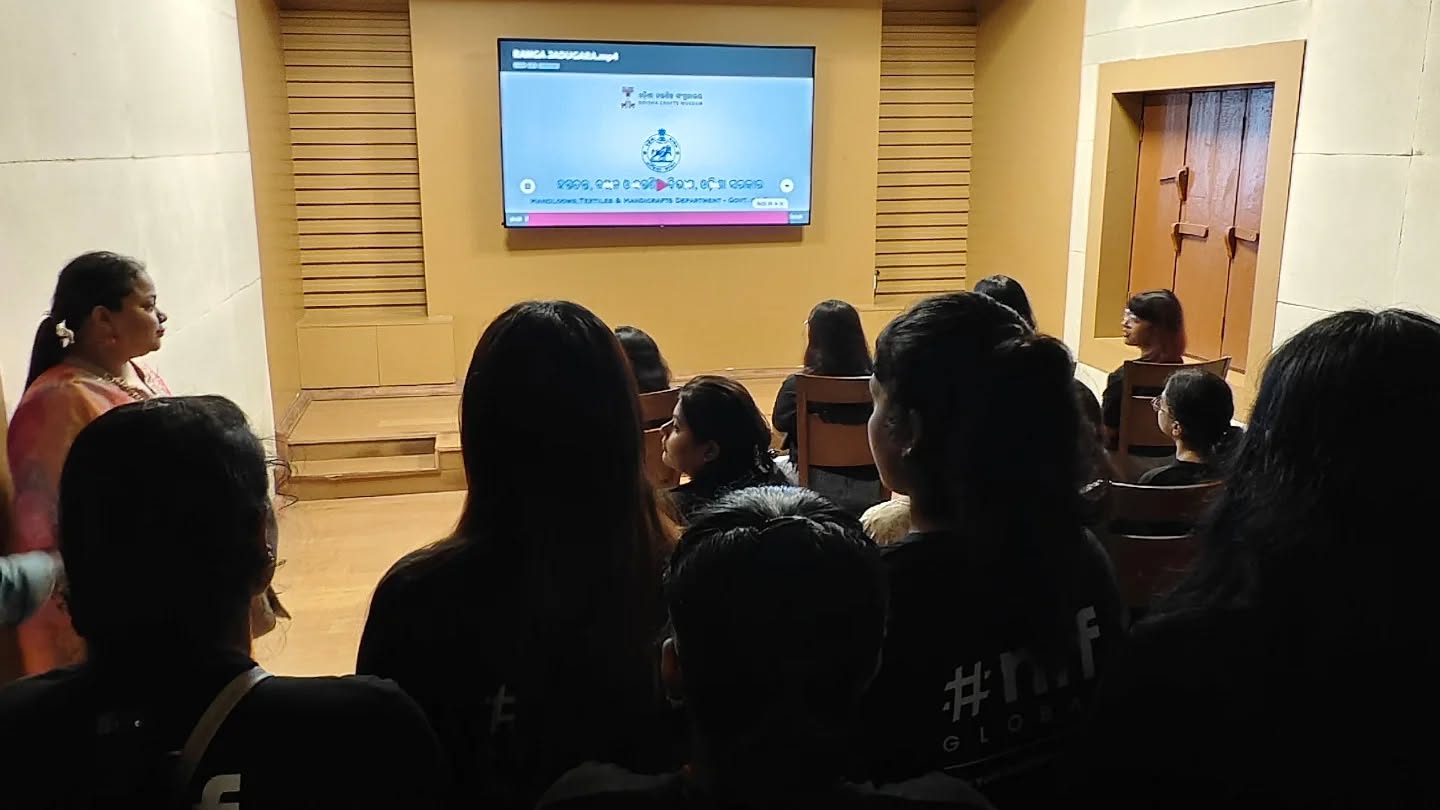
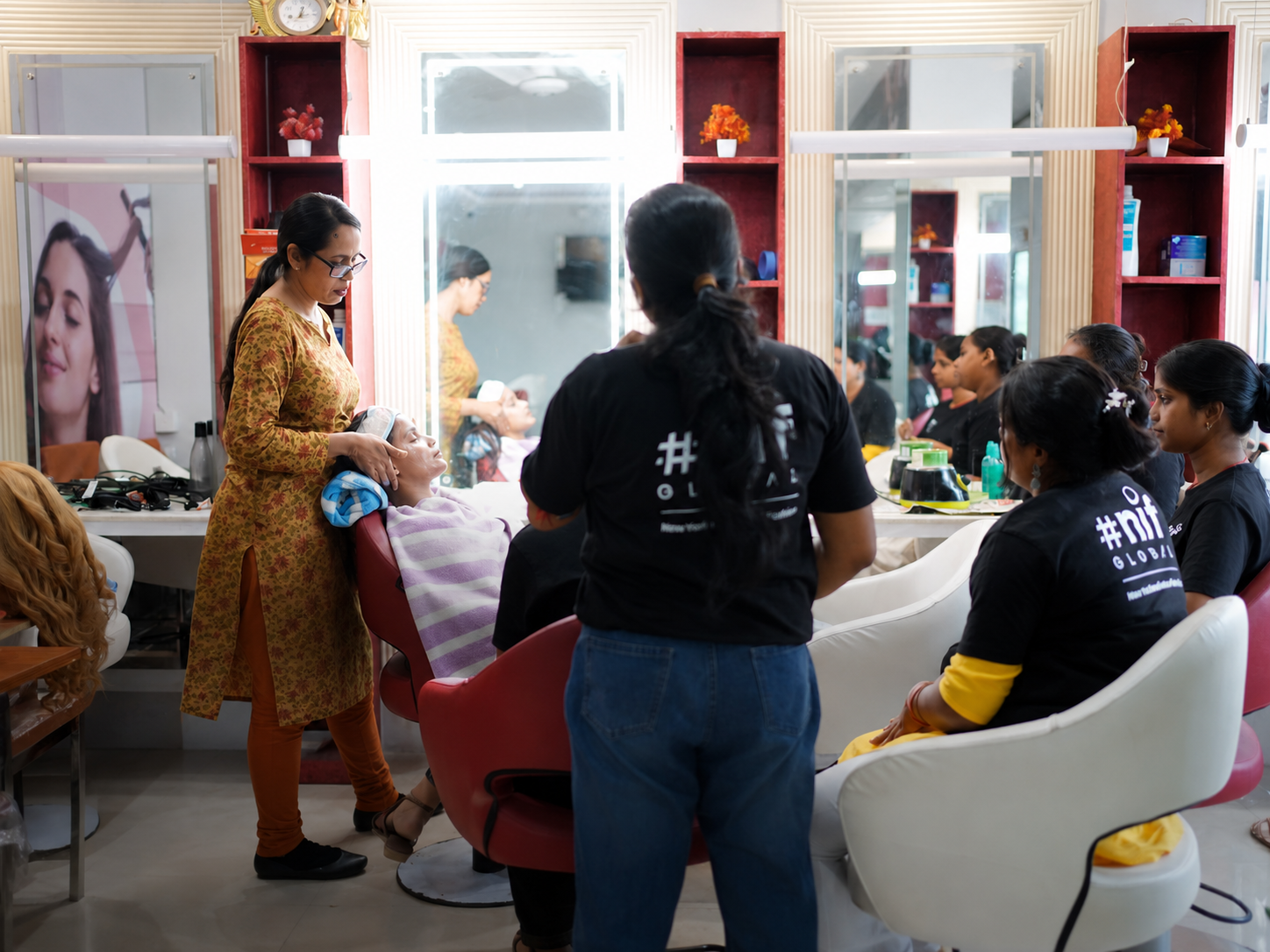
Nowadays, the distinguishing factor between institutions is how closely they resemble real industry conditions. Learning at NIF Global Bhubaneshwar is designed to resemble professional workflows, timelines and creative problem solving.
Students are encouraged to develop their own design voice and learn about business and ethical considerations. This balance is critical for designers venturing into an industry where purpose takes precedence over creativity.
FAQs
How does Fashion Design College Education support slow fashion?
It teaches students to design with intention, focusing on quality, sustainability, and long-term value rather than rapid trend turnover.
What makes NIF Global Bhubaneshwar relevant in today’s fashion industry?
Its curriculum combines craftsmanship, sustainability, and industry awareness, preparing students for modern fashion careers.
Do students still learn about trends at NIF Global Bhubaneshwar?
Yes, but trends are analysed thoughtfully. Students learn how to adapt trends responsibly rather than copy them blindly.
Is sustainability only for niche fashion careers?
No. Sustainability is now a mainstream expectation, making it a vital part of Fashion Design College Education.
Can students build independent labels after studying at NIF Global Bhubaneshwar?
Yes. The programme encourages entrepreneurial thinking, helping students develop both creative and practical skills.
Conclusion
The shift from fast fashion to slow fashion reflects a deeper change in how the industry defines success. Fashion design college education is no longer about speed. It is about accountability, competence, and sustainability. With its solid foundation in sustainability-driven education and industry awareness, NIF Global Bhubaneshwar is developing designers who are ready for the next season of fashion and the future of the industry.
If you’re considering a future in fashion and want an education that reflects where the industry is headed, exploring the fashion design programmes at NIF Global Bhubaneshwar is a good place to start.